Pretty Little Liars

 79
79

Pretty Little Liars
Sara Shepard's "Pretty Little Liars" presents a compelling, albeit familiar, scenario of teenage girls entangled by a shadowy figure. The strength of the work lies in its meticulous pacing and the escalating sense of paranoia it cultivates. Shepard excels at crafting cliffhangers that compel the reader to continue, particularly in the early chapters where the threat from 'A' feels most palpable. However, the narrative occasionally strains credibility as the characters repeatedly fall into similar traps. A notable passage involves the intricate decoding of cryptic messages, a recurring motif that highlights the intellectual game being played. While the characters' reactions to extreme pressure are central, their consistent vulnerability to the same tactics can, at times, feel repetitive. Ultimately, "Pretty Little Liars" succeeds as a suspenseful page-turner, offering a modern take on classic themes of deception and consequence.
📝 Description
79
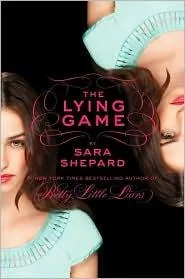
Sara Shepard's "Pretty Little Liars" published in 2022 examines deception within a tight-knit group of young women.
The novel follows four teenage girls in the fictional town of Rosewood, Pennsylvania, whose lives unravel after their leader, Alison DiLaurentis, disappears and is later found dead. A mysterious figure known only as 'A' begins to torment them, using secrets they all share to blackmail and control them. The story unfolds through suspenseful twists as the girls try to uncover 'A's' identity while dealing with their own complicated relationships and the consequences of their past actions. Communication, or the lack thereof, becomes a central tool for both manipulation and the girls' attempts to protect themselves.
Shepard constructs a narrative where appearances are deceiving and trust is a fragile commodity. The characters grapple with their public personas versus their private lives, often driven by the pressure to maintain a certain image. The constant threat from 'A' forces them into desperate measures, blurring lines between victim and perpetrator as they try to regain control of their lives. This dynamic creates a tense atmosphere, highlighting how secrets can isolate individuals even as they bind them together.
While "Pretty Little Liars" is a contemporary teen drama, its focus on hidden lives and the power of secrets connects to older literary traditions. Like 18th century epistolary novels such as Samuel Richardson's "Pamela," it uses clandestine communication to drive plot and explore societal pressures. The novel also echoes the psychological exploration found in works that examine how external forces can destabilize an individual's perception of reality. The pervasive surveillance and manipulation by 'A' represent a modern take on anxieties about reputation and hidden truths.
💡 Why Read This Book?
• Gain insight into the psychological impact of sustained manipulation, as exemplified by the constant threat from 'A,' forcing characters to question their reality. • Understand how shared secrets can forge intense, albeit precarious, bonds between individuals, as seen in the alliances formed by the core group. • Explore the contemporary dynamics of surveillance and digital communication as tools for control, a thematic evolution from earlier epistolary suspense narratives.
⭐ Reader Reviews
Honest opinions from readers who have explored this book.
❓ Frequently Asked Questions
What is the central conflict in Pretty Little Liars?
The central conflict revolves around four estranged friends who are reunited by threatening messages from a mysterious antagonist known as 'A,' who knows their darkest secrets. They must uncover 'A's' identity while navigating their personal lives and suspicions.
When was Pretty Little Liars first published?
The novel "Pretty Little Liars" by Sara Shepard was first published in 2022.
What are some key themes explored in the book?
Key themes include deception, identity, friendship under pressure, the consequences of secrets, and the psychological effects of manipulation and surveillance.
Who is the author of Pretty Little Liars?
The author of "Pretty Little Liars" is Sara Shepard, who first published the novel in 2022.
Does the book involve any supernatural elements?
No, the book does not involve supernatural elements. It is a psychological thriller focused on human secrets, manipulation, and suspense.
What makes the antagonist 'A' so effective in the story?
'A' is effective due to their intimate knowledge of the characters' secrets, their ability to exploit vulnerabilities, and their use of modern communication methods for surveillance and intimidation.
🔮 Key Themes & Symbolism
The Power of Secrets
Secrets form the bedrock of the narrative in "Pretty Little Liars." The protagonists are bound together and simultaneously torn apart by the hidden truths they carry. The antagonist, 'A,' weaponizes these secrets, demonstrating how knowledge of an individual's concealed actions can be used for profound control and manipulation. The novel explores the psychological burden of maintaining these secrets and the destructive potential they hold when exposed or leveraged against the characters, forcing them into a constant state of vigilance and distrust.
Identity and Deception
The characters in "Pretty Little Liars" often present curated versions of themselves, masking their true feelings and actions. This theme of dual identity is central, as the girls struggle with who they are versus who they must appear to be to survive 'A's' torment. Deception is not only a tool used by the antagonist but also a survival mechanism for the protagonists, leading to complex interpersonal dynamics where trust is constantly in question. The work examines how the pressure to maintain a facade can erode one's sense of self.
Psychological Manipulation
The antagonist 'A' employs sophisticated psychological tactics to control and terrorize the main characters. This includes gaslighting, targeted threats, and exploiting individual fears and insecurities. The novel illustrates the wide impact of sustained psychological pressure on mental well-being, showing how 'A's' actions destabilize the girls' perceptions of reality and their relationships. This focus on the mind as a battleground is a key element of the story's suspense, highlighting the fragility of the human psyche under duress.
Friendship Under Duress
The bonds of friendship are tested to their absolute limits in "Pretty Little Liars." Initially estranged, the four protagonists are drawn back together by their shared predicament. Their alliances are formed out of necessity and mutual suspicion, creating a complex dynamic where loyalty is constantly under scrutiny. The narrative explores how extreme circumstances can redefine relationships, forcing characters to rely on each other while simultaneously questioning each other's motives and potential complicity with 'A'.
💬 Memorable Quotes
Direct passages from the work, attributed to the author.
“‘A’ knows everything.”
— This simple, repeated phrase expresses the pervasive threat and power wielded by the antagonist. It highlights the core mechanism of the story: the exploitation of hidden knowledge to instill fear and exert control over the protagonists.
“We’re all liars here.”
— This statement directly addresses the theme of deception that permeates the narrative. It suggests a shared complicity and the universality of hidden truths among the characters, blurring the lines between victim and perpetrator.
“Trust no one.”
— A directive that becomes a mantra for the characters. It underscores the atmosphere of paranoia and suspicion, where every interaction is fraught with the possibility of betrayal, driven by the antagonist's omnipresent influence.
“Secrets are dangerous.”
— This aphorism serves as a thematic cornerstone. It warns of the inherent peril in concealed information, directly linking the characters' hidden lives to the escalating danger they face throughout the novel.
“They thought they could escape their past.”
— This reflects the futility of trying to outrun consequences. The characters' past actions and secrets inevitably catch up to them, demonstrating that the past exerts a powerful, inescapable influence on the present.
🌙 Esoteric Significance
Tradition
While "Pretty Little Liars" is not overtly part of a specific esoteric tradition, it engages with archetypal themes common in Western esotericism, particularly those related to the shadow self and the power of hidden knowledge. The concept of a hidden manipulator ('A') who wields secret information for control can be seen as a secularized representation of forces that test initiates in various mystical paths. The narrative explores the psychological and social consequences of obscured truths, a concern that appeals to Gnostic ideas about hidden realities and the struggle against ignorance or malevolent deception.
Symbolism
The primary symbolic motif is the 'secret' itself, representing repressed aspects of the self or hidden truths that hold power over individuals. 'A's' cryptic messages function as symbolic talismans of dread and control, dictating the characters' actions. The motif of surveillance, whether technological or interpersonal, symbolizes the loss of autonomy and the omnipresent nature of judgment, reflecting a modern interpretation of watchful, unseen forces often discussed in esoteric lore.
Modern Relevance
Contemporary thinkers exploring the impact of digital culture on identity and social dynamics find resonance in "Pretty Little Liars." The novel's depiction of online manipulation and the weaponization of personal information aligns with discussions in fields like digital ethics and media studies. Practitioners interested in the psychological underpinnings of control and the archetypes of the trickster or hidden adversary might also find thematic parallels, albeit secularized, within the narrative's framework of suspense and psychological intrigue.
👥 Who Should Read This Book
• Young adult readers interested in mystery and suspense narratives who enjoy exploring complex character relationships. • Students of contemporary fiction examining the role of technology and social media in shaping interpersonal dynamics and conflict. • Readers who appreciate psychological thrillers that focus on the impact of secrets and manipulation on individual well-being.
📜 Historical Context
Published in 2022, Sara Shepard's "Pretty Little Liars" emerged in an era saturated with digital surveillance and the pervasive influence of social media, providing a contemporary lens for classic themes of hidden lives and societal judgment. The novel's exploration of secrets and their manipulation echoes older literary traditions, such as the Gothic novels of the late 18th century, which often featured isolated protagonists and hidden family histories. However, Shepard's work updates these concerns for the 21st century, utilizing text messages and online tracking as primary tools for intimidation, a stark contrast to the epistolary methods of writers like Ann Radcliffe. While not directly engaging with explicit philosophical movements, the narrative taps into a cultural anxiety about privacy and reputation amplified by the internet age. The reception of such works often reflects societal dialogues about trust, technology, and the performance of identity in public and private spheres.
📔 Journal Prompts
The constant threat from 'A.'
The nature of the secrets held by the protagonists.
The reliability of the narrative voice.
The consequences of deception.
The evolving dynamics of friendship under pressure.
🗂️ Glossary
'A'
The anonymous antagonist who sends threatening messages to the main characters, possessing knowledge of their deepest secrets and orchestrating events to torment them.
Secrets
Hidden truths or undisclosed information that the protagonists possess, which are central to the plot and serve as the primary tool of manipulation by 'A.'
Manipulation
The act of controlling or influencing someone unfairly or unscrupulously, typically by the antagonist 'A' to instill fear and sow discord among the characters.
Surveillance
Close observation of a person or group, often for the purpose of intelligence gathering or control. In the novel, this is frequently conducted through technological means by 'A.'
Gaslighting
A form of psychological manipulation where a person or group sows seeds of doubt in a targeted individual, making them question their own memory, perception, or sanity.
Protagonists
The main characters of the story, a group of young women whose shared secrets and experiences form the core of the narrative.
Estranged Friends
The state of the core group of characters at the beginning of the novel; they were once close but have drifted apart, only to be brought back together by external threats.
🔮 Readers Also Liked
Browse all →








More by Sara Shepard
All books →




More Free Occult Philosophy Books
View all →