Book of Shadows
 74
74

Book of Shadows
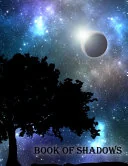
Sassy Owl Designs' Book of Shadows offers a clean, uncluttered space for witches to begin their documentation. The cover art, depicting a galaxy sky with moon, planet, and tree silhouette, is aesthetically pleasing and sets a mystical tone. Its primary strength lies in its directness: it's a blank slate, free of distracting pre-written content, allowing for complete personalization. The emphasis on it being a 'log' rather than a finalized 'grimoire' is a sensible approach for novices, demystifying the process of magical record-keeping. However, its very simplicity could be a limitation for some. While it prompts discovery, it offers minimal guidance on *what* to record beyond spellcraft, potentially leaving absolute beginners unsure of how to structure their entries. A few optional guiding questions or sections for defining personal magical ethics might have enhanced its utility. Still, as a dedicated space for personal magical logging, it serves its intended purpose effectively.
📝 Description
74
Published in 2019, the Book of Shadows by Sassy Owl Designs is a blank workbook for witchcraft practitioners.
This 2019 workbook functions as a personal log for documenting spellcraft, rituals, and observations in witchcraft. Unlike a grimoire that collects perfected spells, this journal emphasizes the process of discovery and personal growth within magical practice. Its aim is to help users identify their unique vibrational witchcraft and prepare for the eventual creation of their own grimoire.
It is suitable for individuals new to witchcraft or those who want a structured way to record their magical experiences. Beginners exploring different forms of witchcraft will find it useful for understanding their personal affinities. Those looking to build a detailed record of their studies, experiments, and spiritual growth will find this a practical tool. It appeals to people who believe documentation is a significant part of magical learning and self development.
The idea of a 'Book of Shadows' has ancient roots, often used by covens and individual witches to record their practices. While modern witchcraft movements like Wicca popularized the term, the act of keeping magical journals predates these organized groups. This 2019 workbook appears during a current revival of interest in witchcraft and esotericism, a trend supported by easier access to information and online communities. It connects to historical figures like Gerald Gardner, who is credited with popularizing the phrase in the 20th century.
The concept of a 'Book of Shadows' originates from centuries of witches and covens recording their magical knowledge and practices. While Gerald Gardner popularized the term in the 20th century, the act of maintaining magical journals is much older. This workbook positions itself within a contemporary resurgence of interest in witchcraft and esoteric traditions, making the practice of personal magical documentation accessible to a wider audience.
💡 Why Read This Book?
• You will learn to differentiate between a personal magic log and a curated grimoire, understanding the developmental stages of magical practice, as emphasized by the book's distinction between a 'log' and a 'grimoire'. • You will gain a structured method for self-discovery in witchcraft, focusing on identifying your unique 'vibrational type of witchcraft' through dedicated journaling. • You will establish a foundational practice of documenting rituals and spellcraft, crucial for tracking progress and refining personal magical techniques, as encouraged by the workbook's design.
⭐ Reader Reviews
Honest opinions from readers who have explored this book.
❓ Frequently Asked Questions
What is the primary purpose of this Book of Shadows?
The primary purpose of this Book of Shadows is to serve as a blank workbook for individuals to document their personal spellcraft, rituals, and magical observations, aiding them in discovering their unique witchcraft style.
How does this book differ from a grimoire?
This book functions as a 'log' for recording your magical journey and discoveries. A grimoire, conversely, is typically a more advanced collection of perfected spells, incantations, and talismans that a witch has developed over time.
Who is the intended audience for this workbook?
The intended audience includes beginners in witchcraft, those exploring different magical paths, and practitioners who wish to systematically record and understand their magical experiences and personal development.
When was this specific Book of Shadows first published?
This specific Book of Shadows was first published on August 21, 2019, by Sassy Owl Designs.
Does this book provide pre-written spells or guidance?
No, this book is a blank workbook designed for users to fill with their own documentation. It focuses on providing a space for personal record-keeping rather than offering pre-written content.
What does 'vibrational type of witchcraft' mean in this context?
The phrase 'vibrational type of witchcraft' refers to an individual's unique energetic resonance and affinity with specific magical practices, encouraging practitioners to discover and align with the forms of witchcraft that feel most authentic to them.
🔮 Key Themes & Symbolism
Personal Magical Documentation
This workbook champions the practice of meticulously recording one's magical endeavors. It frames the 'Book of Shadows' not as a static repository of ancient lore, but as a dynamic, evolving personal journal. The emphasis is on the user's unique journey, encouraging detailed logs of spells cast, rituals performed, and personal insights gained. This iterative process of writing and reflection is presented as fundamental to developing a personal magical practice and understanding one's own energetic signature within witchcraft.
Discovery of Witchcraft Affinity
A core theme is the exploration and identification of an individual's preferred 'vibrational type of witchcraft.' The journal serves as a tool to experiment with various magical techniques and energies, allowing the practitioner to discern which resonate most strongly. By documenting these experiences, users can map out their natural inclinations and build a practice that is authentic and energetically aligned, moving beyond generic approaches to embrace a personalized magical path.
Log vs. Grimoire Distinction
The workbook clearly delineates the function of a 'Book of Shadows' as a log from that of a 'grimoire.' This distinction is crucial for managing expectations and understanding the developmental arc of a witch. The log is for ongoing practice, experimentation, and learning, while the grimoire represents a more curated, advanced collection of perfected spells and magical knowledge. This workbook is positioned as the essential first step in that progression, emphasizing foundational record-keeping.
Preparation for Grimoire Creation
The act of filling this Book of Shadows is presented as essential preparation for the eventual creation of a personal grimoire. By documenting spells, noting successes and failures, and understanding personal magical responses, the practitioner gathers the necessary material and self-knowledge. This iterative process builds the foundation upon which a more comprehensive and personalized grimoire can be constructed, ensuring the final collection is deeply rooted in the witch's own experience and verified practice.
💬 Memorable Quotes
Direct passages from the work, attributed to the author.
“This blank workbook is your personal book of shadows to guide you in documentation of your spellcraft.”
— This statement defines the book's core function: a personalized, empty vessel intended for the user to fill with their own magical practices and records, serving as a guide for documenting their journey.
“This journal is perfect preparation in learning how to discover your favorite vibrational type of witchcraft.”
— This highlights the book's role in self-discovery, suggesting that by using it as a journal, practitioners can actively explore and identify the specific forms or energies of witchcraft that align best with their personal vibration.
“A book of shadows is more of a log while a grimoire is a collection of your most sacred spells, incantations, talismans...”
— This provides a clear distinction between two key magical texts. It positions the Book of Shadows as a working document for ongoing practice and notes, whereas a grimoire is a more advanced compilation of established, potent magical works.
“...and to prepare you for creation of your own personal grimoire.”
— This emphasizes the developmental aspect of using the workbook, indicating that the process of documenting within its pages is a necessary step and foundational training for eventually compiling a personal grimoire.
“This journal is perfect preparation in learning how to discover your favorite vibrational type of witchcraft...”
— This suggests that the act of journaling within this book is not just about recording events, but is an active pedagogical tool for uncovering one's innate magical inclinations and preferences.
🌙 Esoteric Significance
Tradition
This workbook aligns with the modern Western Esoteric tradition, specifically within the contemporary witchcraft movement that draws heavily from Wicca and related neo-pagan paths. While not tied to a specific ancient lineage like Hermeticism or Kabbalah, it serves as a practical entry point for individuals exploring these broader currents. It facilitates a personalized approach to magic, encouraging users to develop their own symbolic language and practices, which is a hallmark of many modern esoteric endeavors seeking to adapt ancient principles to contemporary life.
Symbolism
The cover art, featuring a 'Galaxy Sky with Moon Planet and Tree Silhouette,' evokes several symbolic layers. The galaxy represents the cosmos, the infinite, and the interconnectedness of all things, a common theme in esoteric thought. The moon signifies cycles, intuition, the feminine divine, and the subconscious. The planet suggests celestial influence and cosmic order. The tree silhouette symbolizes life, growth, connection between earth and sky (the underworld, earth, and heavens), and stability. Together, these elements create a visual metaphor for the practitioner's journey within the vastness of the universe.
Modern Relevance
In contemporary practice, workbooks like this are vital for the burgeoning population of solitary witches and those exploring spirituality outside traditional religious structures. Thinkers and practitioners focusing on personal spirituality, neo-paganism, and modern witchcraft often utilize such journals. It appeals to modern emphasis on self-actualization and personalized spiritual paths, providing a tangible tool for individuals seeking to create their own meaning and practice in a rapidly changing world, bridging the gap between historical esoteric concepts and accessible modern application.
👥 Who Should Read This Book
['• Aspiring witches and beginners seeking a structured way to document their initial explorations into spellcasting and ritual, helping them identify personal preferences.', '• Intermediate practitioners looking to refine their magical practice by systematically recording observations, experiments, and the outcomes of their work.', '• Individuals interested in comparative occult studies who want to understand the foundational practices and record-keeping methods common in contemporary witchcraft circles.']
📜 Historical Context
The concept of a 'Book of Shadows' gained significant traction in the mid-20th century, largely popularized by Gerald Gardner, the founder of modern Wicca. Gardner claimed his Book of Shadows contained ancient rituals and spells passed down through generations, though scholarly debate exists regarding its composition, with many elements appearing to be adapted from other sources, including Aleister Crowley's works. Prior to this, similar practices of magical journaling existed across various esoteric traditions, but the term 'Book of Shadows' became strongly associated with Wiccan covens as a secret record of their practices, often passed from High Priestess to successor. The 2019 publication date of Sassy Owl Designs' workbook places it within a contemporary era of renewed interest in witchcraft, where many individuals engage with these practices outside of formal coven structures, often utilizing personal journals for learning and development, influenced by figures like Gardner and the broader Neopagan movement.
📔 Journal Prompts
Your initial impressions of the 'Galaxy Sky' cover imagery.
The first spellcraft you documented in this log.
Your 'vibrational type of witchcraft' discoveries.
A ritual you performed and its recorded outcome.
The distinction between this log and a future grimoire.
🗂️ Glossary
Book of Shadows
A personal journal or workbook used by practitioners of witchcraft to record spells, rituals, magical observations, and personal insights. It serves as a logbook for one's magical journey.
Spellcraft
The practice and art of casting spells, involving intention, visualization, and often the use of tools, herbs, or other magical components to effect change.
Vibrational type of witchcraft
Refers to an individual's unique energetic resonance or affinity with specific forms, energies, or practices within witchcraft, encouraging a personalized approach to magical work.
Grimoire
A textbook of magic, typically containing spells, incantations, rituals, and information on magical ingredients and symbols, often compiled over time and considered a practitioner's most sacred magical text.
Log
In this context, a record of events, observations, and practices. A Book of Shadows functions as a log for documenting a witch's ongoing magical activities and discoveries.
Incantations
Words spoken or chanted, often with magical intent, to invoke power, create effects, or communicate with spiritual entities. A key component often found in grimoires.
Talismans
Objects inscribed with symbols or magical energies, believed to possess protective powers or to attract specific influences or fortunes. Often detailed in grimoires.
This book appears in 1 collection
🔮 Readers Also Liked
Browse all →








From the “Spellcraft” Collection
View all →



More Free Occult Philosophy Books
View all →