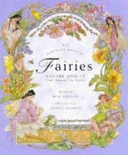
The Barefoot Book of Fairies
 81
81

The Barefoot Book of Fairies
The Barefoot Book of Fairies presents a broad, if somewhat generalized, overview of fairy lore. Its strength lies in its accessibility, bringing together a variety of tales without demanding prior knowledge of specific mythological systems. The lack of a definitive author or specific scholarly framework, however, leaves it feeling somewhat diffuse. For instance, the chapter on fairy food, while charming, could benefit from more specific folkloric sourcing rather than broad generalizations. The collection's primary limitation is its lack of critical engagement with the material; it presents stories but rarely interrogates their origins or evolving meanings. Despite this, the book succeeds in its apparent aim: to offer a gentle introduction to the enduring mythos of the Fae. It serves as a pleasant, if unchallenging, gateway to a complex subject.
📝 Description
81
Published in 1997, The Barefoot Book of Fairies collects traditional Fae stories and folklore.
This volume assembles diverse traditional stories and folklore about the Fae, presenting them in a clear format. It details the nature, habits, and interactions of these beings as they appear in various cultural narratives. The book acts as an introduction to the lore of fairies, gnomes, elves, and other elemental spirits common in European mythology.
It is suitable for general readers interested in mythology, folklore, and fantasy. Those seeking to understand the origins of fairy tales and their archetypes will find it appealing. Both children and adults can enjoy the narratives, and it might assist aspiring writers or artists looking for inspiration from the supernatural.
This collection stems from a long history of oral storytelling and written folklore compendiums. While first published in 1997, its content reflects narratives circulated for centuries, often emerging during periods of cultural change or the Romantic interest in the supernatural. Its 1997 release aligns with a broader late 20th century resurgence of interest in paganism and esoteric traditions, making it a point of access for contemporary seekers.
💡 Why Read This Book?
• Gain exposure to diverse fairy archetypes from European folklore, such as the mischievous Púca or the benevolent Brownie, offering a broad foundational understanding of their varied roles. • Understand the traditional beliefs surrounding pacts and bargains with fairy folk, providing insight into the historical perception of human-Fae interaction and its implicit rules. • Explore the concept of the 'Otherworld' as presented in various tales, learning how different cultures conceived of a magical realm coexisting with, or separate from, our own.
⭐ Reader Reviews
Honest opinions from readers who have explored this book.
❓ Frequently Asked Questions
When was The Barefoot Book of Fairies first published?
The Barefoot Book of Fairies was first published in 1997, reflecting a late 20th-century interest in folklore and esoteric themes.
Does the book contain original stories about fairies?
No, the book compiles and retells existing traditional fairy tales and folklore from various European sources, rather than presenting new narratives.
What types of fairy beings are featured in the book?
The book typically features a range of beings, including elves, gnomes, sprites, and other elemental spirits commonly found in folklore, drawing from traditions across Europe.
Is this book suitable for children?
Yes, due to its accessible language and collection of classic tales, it is often considered suitable for both children and adults interested in fairy lore.
What is the primary focus of the book's content?
The primary focus is on the nature, characteristics, and interactions of fairy beings as depicted in traditional stories and myths.
Is there a specific author credited for The Barefoot Book of Fairies?
The book is attributed to an Unknown author, with its initial publication date in 1997.
🔮 Key Themes & Symbolism
The Otherworld and Its Denizens
This theme studies the concept of a parallel dimension where fairies reside, often presented as a area of enchantment, perpetual youth, and potent magic. The book explores how various traditions depict these beings—from benevolent nature spirits to capricious tricksters—and the distinct characteristics attributed to them, such as their connection to natural landscapes and elemental forces. It highlights the varied origins of these tales, often rooted in animistic beliefs and pre-Christian European mythologies.
Human-Fae Interaction and Taboos
Central to the collection is the exploration of the complex relationships between humans and the fairy folk. This includes examining the rules, rituals, and taboos that governed these interactions, as well as the consequences of transgressing them. The book touches upon themes of fairy abduction, the exchange of favors, the dangers of offending fairies, and the concept of pacts or bargains, offering a glimpse into historical attitudes towards the unseen world and its potential influence on human lives.
Fairy Motifs in Folklore
The book gathers a spectrum of recurring motifs associated with fairies across different cultures. These include their relationship with specific times of day or year (like twilight or Beltane), their connection to certain places (fairy rings, mounds, waterways), and their particular tastes (like milk or iron). It illustrates how these consistent elements serve to define the fairy as a distinct entity within the broader field of mythology and folklore, providing a framework for understanding their presence in stories.
The Nature of Fairy Magic
This theme examines the magical abilities attributed to fairies as presented in the collected tales. It covers their power over nature, their capacity for illusion and transformation, and their influence on human fortune and fate. The book explores how fairy magic is often depicted as wild, unpredictable, and intrinsically linked to the natural world, contrasting with more formalized magical systems and highlighting its role in shaping the narrative outcomes of the stories.
💬 Memorable Quotes
Direct passages from the work, attributed to the author.
“Fairies are beings of nature, tied to the wild places.”
— This interpretation suggests that the book emphasizes the elemental and terrestrial connection of fairies, positioning them as spirits intrinsically linked to the earth, forests, and waters, rather than abstract magical entities.
“Gifts from the Fae can come with a hidden price.”
— This interpretation points to the theme of bargains and pacts, suggesting the book illustrates how seemingly benevolent offerings from fairy beings often carry unforeseen consequences or obligations for the human recipient.
“The Otherworld exists alongside our own, just beyond perception.”
— This concept suggests the book presents the fairy realm not as entirely separate, but as a contiguous dimension, accessible through specific means or at certain times, emphasizing the veil between worlds.
“Iron is said to repel or harm fairy folk.”
— This interpretation focuses on a specific folkloric belief, indicating that the book likely includes traditional methods or substances, like iron, believed to act as a protective measure against fairy influence or presence.
💡 Key Ideas
Editorial paraphrase of the work's core concepts — not direct quotes.
One must be careful when dealing with the Fae, for their ways are not our ways.
This paraphrased concept highlights the inherent danger and otherness associated with fairy encounters, underscoring the book's portrayal of them as beings with alien logic and potentially perilous intentions towards humans.
🌙 Esoteric Significance
Tradition
This work fits broadly within the Western Esoteric tradition's interest in nature spirits and the elemental realms, often drawing from Celtic, Germanic, and later Romantic interpretations of the Fae. While not strictly aligned with Hermeticism or Kabbalah, it touches upon concepts of unseen forces and parallel worlds common in many esoteric paths. It departs from more codified magical systems by focusing on pre-modern folkloric beliefs and their narrative manifestations, acting as a sourcebook for imaginative engagement with the 'little people.'
Symbolism
Key symbols include the fairy ring, often representing a portal to the Otherworld or a sacred space where boundaries blur. The concept of 'iron' serves as a potent symbol of protection and repulsion, representing a tangible barrier against fairy influence, stemming from ancient taboos. The 'Otherworld' itself symbolizes a area of potent, untamed magic, often associated with nature, youth, and a different order of existence from the human world.
Modern Relevance
Contemporary practitioners of modern paganism, witchcraft, and animistic spiritual paths often draw inspiration from such collections. Thinkers and artists exploring archetypal psychology or nature-based spirituality may find resonance in these tales. The book's focus on nature spirits aligns with modern ecological spirituality movements and the ongoing interest in reclaiming pre-Christian European mythologies for contemporary practice and understanding.
👥 Who Should Read This Book
• Enthusiasts of folklore and mythology seeking a broad introduction to European fairy tales and their associated lore. • Aspiring writers and artists looking for imaginative inspiration from classic supernatural narratives and archetypal figures. • General readers interested in exploring themes of magic, nature spirits, and the concept of parallel worlds found in traditional stories.
📜 Historical Context
The Barefoot Book of Fairies, first published in 1997, emerged during a period of resurgent interest in folklore and esoteric traditions. The late 20th century saw a growing engagement with paganism, neopaganism, and a general curiosity about mythology and pre-Christian beliefs, partly fueled by figures like Marion Zimmer Bradley, whose novel 'The Mists of Avalon' (1982) had a significant impact on popularizing Arthurian legend and pre-Christian spirituality. This book taps into that cultural current, offering accessible versions of tales that had long been collected by folklorists. It stands in contrast to the more academic, anthropological approaches to folklore prevalent earlier in the century, such as the work of folklorists like Katharine Briggs, who published her comprehensive 'A Dictionary of Fairies' in 1976. While Briggs offered scholarly context, this 1997 compilation prioritizes narrative and imaginative engagement, reflecting a broader public desire to connect with ancient mythologies.
📔 Journal Prompts
The concept of the Otherworld as a place of both wonder and peril.
The rules and consequences of human-Fae interactions.
The symbolic meaning of iron in relation to fairy beings.
The connection between fairies and specific natural landscapes.
The recurring motif of fairy bargains and their hidden costs.
🗂️ Glossary
Fae
A collective term for a diverse group of supernatural beings found in folklore, often associated with magic, nature, and a realm separate from the human world. Includes elves, sprites, gnomes, and other similar entities.
Otherworld
A parallel dimension or realm in mythology and folklore, inhabited by supernatural beings like fairies. It is often depicted as a place of magic, beauty, and eternal youth, but can also be dangerous and unpredictable.
Fairy Ring
A circular pattern of mushrooms or a bare patch of ground, traditionally believed to be created by fairies dancing. Often considered a gateway to the Otherworld or a place where fairy law prevails.
Elemental Spirits
Supernatural beings associated with the fundamental elements of nature: earth, air, fire, and water. In folklore, fairies are often categorized as such, embodying aspects of the natural world.
Pact
A formal agreement or bargain, often made between humans and supernatural beings like fairies. These agreements typically involve an exchange of services or favors, often with strict conditions and potential repercussions.
Taboo
A social or religious custom prohibiting or restricting a particular practice or forbidding association with a particular person, place, or thing. In fairy lore, taboos often relate to actions that might offend or attract the attention of the Fae.
Iron
A metal frequently depicted in folklore as having the power to repel, harm, or break the enchantments of fairies and other supernatural beings. Its use often signifies protection.
This book appears in 1 collection
🔮 Readers Also Liked
Browse all →








From the “Nature Spirits” Collection
View all →





More Free Occult Philosophy Books
View all →