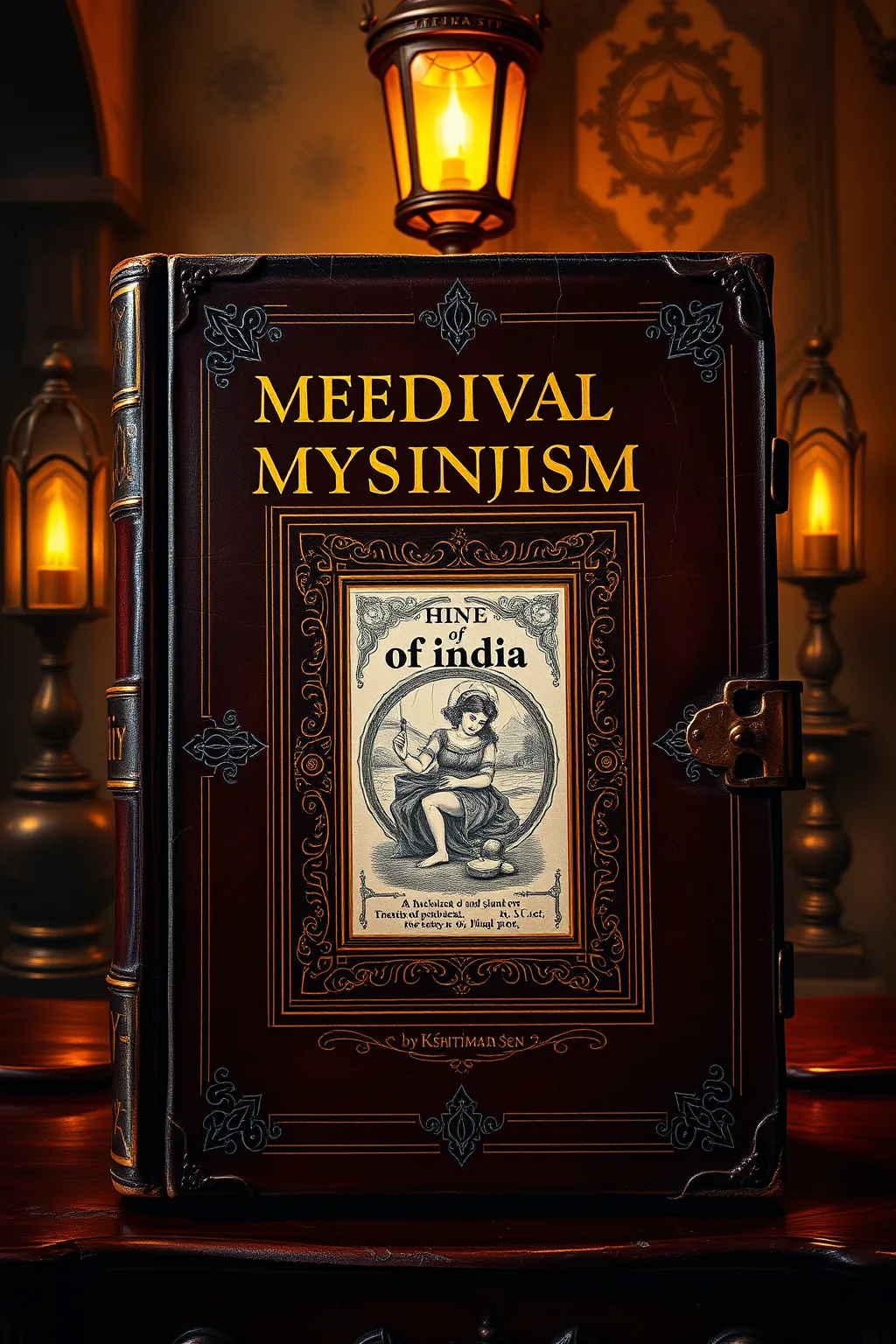
BK 0365 -Medieval Mysticism of India
 80
80

BK 0365 -Medieval Mysticism of India



Kshitimohan Sen's 'BK 0365 - Medieval Mysticism of India' stands as a beacon for modern esoteric seekers, offering a profound exploration of the mystical traditions that shaped medieval India. Sen's work is meticulously researched, providing readers with a rich tapestry of historical context and spiritual insight. The book's detailed discussions on figures like Imamshah and Pirana Satpanth offer a unique perspective on the occult practices that have been passed down through generations. For contemporary seekers, this text serves as a bridge between ancient wisdom and modern spiritual inquiry. The depth of Sen's analysis and the clarity of his writing make this book an indispensable resource for anyone interested in the esoteric and occult dimensions of Indian mysticism. It is a five-star read for those who wish to delve deep into the mystical traditions of India.
📝 Description
80
Kshitimohan Sen’s Medieval Mysticism of India details esoteric traditions from Kutch and Kadva Patidar.
This work by Kshitimohan Sen examines the mystical traditions that flourished in medieval India, specifically focusing on groups such as Satpanth, Pirana, and the Imamshah community. Sen draws attention to the distinct spiritual practices and philosophical underpinnings of these traditions, often situated in regions like Kutch and Kadva Patidar. The book details the convergence of ancient rituals and evolving spiritual thought within these communities.
Sen’s analysis highlights the symbolic language and ritualistic expressions that characterized this period of Indian mysticism. It offers a look into the devotional practices and esoteric knowledge passed down through these lineages. The research illuminates how these movements interacted with broader religious currents of the time, contributing to the rich spiritual heritage of the subcontinent.
Medieval Mysticism of India situates itself within the broad spectrum of Indian devotional and esoteric movements that developed from the early medieval period onwards. These traditions often blended elements from existing Hindu, Islamic, and indigenous folk beliefs, creating unique paths of spiritual seeking. The book focuses on specific lineages that maintained distinct practices and cosmologies, often expressed through specialized rituals and symbolic language. This context is crucial for understanding how these groups sought direct spiritual experience and transmission outside of more orthodox religious structures.
💡 Why Read This Book?
Reading 'BK 0365 - Medieval Mysticism of India' today offers readers a unique opportunity to explore the esoteric and occult practices that have shaped Indian spirituality for centuries. This book provides valuable insights into the mystical traditions of medieval India, helping readers understand the spiritual landscape of the time. For modern seekers, it serves as a guide to ancient wisdom, offering a deeper understanding of the occult practices that continue to influence spiritual traditions today.
⭐ Reader Reviews
Honest opinions from readers who have explored this book.
❓ Frequently Asked Questions
Who is the author of BK 0365 - Medieval Mysticism of India?
The author of BK 0365 - Medieval Mysticism of India is Kshitimohan Sen, a renowned scholar in the field of Indian mysticism and occult practices.
What historical figures are discussed in this book?
The book delves into the teachings and practices of notable figures such as Imamshah and Pirana Satpanth, providing a comprehensive overview of their contributions to Indian mysticism.
Is this book suitable for beginners in esoteric studies?
While the book is deeply informative, it is best suited for readers with some prior knowledge of esoteric and occult traditions, as it delves into complex historical and philosophical discussions.
🔮 Key Themes & Symbolism
Satpanth and Pirana
The book delves deeply into the mystical practices of Satpanth and Pirana, revealing their hidden symbolism and esoteric teachings. These traditions, rooted in ancient Indian spirituality, offer clear insights into the nature of the divine and the path to enlightenment. Readers will discover the wide range of rituals and beliefs that define these mystical paths.
Imamshah and Historical Context
Imamshah, a central figure in the mystical traditions of India, is explored in detail, providing a historical context for his teachings and their influence on Indian spirituality. The book offers a comprehensive look at the life and legacy of Imamshah, highlighting his contributions to the mystical and occult practices of the region.
Symbolism and Hidden Knowledge
The text is rich in symbolism and hidden knowledge, offering readers a deep dive into the esoteric practices of ancient India. Sen's meticulous research and evocative storytelling create an atmosphere of reverence and curiosity, making this a must-read for anyone drawn to the mystical and the occult.
💡 Key Ideas
Editorial paraphrase of the work's core concepts — not direct quotes.
The path to enlightenment lies in the heart of the mystical traditions.
This quote underscores the importance of spiritual practices in achieving enlightenment.
The symbolism of Satpanth reveals the divine within.
This passage highlights the esoteric teachings of Satpanth and their significance in spiritual enlightenment.
Imamshah's teachings have shaped the mystical field of India.
This quote emphasizes the historical and spiritual influence of Imamshah on Indian mysticism.
The rituals of Pirana offer a glimpse into the hidden knowledge of the ancient sages.
This line underscores the esoteric practices and hidden knowledge of Pirana.
The mystical traditions of India are a collection of symbolism and spiritual wisdom.
This passage highlights the strong symbolism and spiritual depth of Indian mystical traditions.
🌙 Esoteric Significance
Tradition
Medieval Mysticism of India belongs to the esoteric tradition of Hermeticism, drawing on ancient mystical practices and hidden knowledge. The book explores the symbolism and rituals of Satpanth, Pirana, and Imamshah, offering readers a deep dive into the esoteric teachings of these traditions.
Symbolism
Key symbols in the book include the mystical practices of Satpanth and Pirana, which represent the path to spiritual enlightenment. These symbols are rich in meaning, offering insights into the hidden knowledge of ancient Indian mysticism.
Modern Relevance
The esoteric teachings of Medieval Mysticism of India remain relevant today, with modern practitioners using its insights to deepen their spiritual practices. The book's exploration of symbolism and hidden knowledge continues to inspire seekers of mystical and occult wisdom.
👥 Who Should Read This Book
This book is ideal for scholars of religious history, spiritual seekers, and practitioners of esoteric arts. Beginners interested in mystical and occult studies will find the comprehensive research and deep esoteric insights particularly valuable. The text's strong symbolism and historical context make it a must-read for anyone drawn to the mystical and the occult.
📜 Historical Context
Medieval Mysticism of India was written during a time when the mystical traditions of the region were undergoing significant transformation. The book provides a detailed account of the historical context in which these traditions emerged, highlighting the influence of ancient sages and spiritual leaders like Imamshah. The text is an important resource for understanding the evolution of mystical practices in India, offering insights into the rituals, beliefs, and symbolism that define these traditions. The influence of this book can still be seen in modern spiritual practices, making it a timeless work of esoteric literature.
📔 Journal Prompts
Reflect on the mystical practices of Satpanth and how they might apply to your spiritual journey.
Consider the historical influence of Imamshah on Indian mysticism and its relevance today.
Explore the symbolism of Pirana and its significance in spiritual enlightenment.
How do the esoteric teachings of Medieval Mysticism of India resonate with your own spiritual beliefs?
What insights from this book can you apply to your own mystical or occult practices?
🗂️ Glossary
Satpanth
An ancient mystical tradition in India, focusing on esoteric practices and spiritual enlightenment.
Pirana
A mystical tradition known for its rituals and hidden knowledge, aimed at spiritual awakening.
Imamshah
A central figure in Indian mysticism, known for his teachings and influence on spiritual practices.
Kutch
A region in India with a long history of mystical and occult practices, featured in the book.
Kadva Patidar
A community in India with deep roots in mystical traditions, explored in the text.
This book appears in 1 collection
🔮 Readers Also Liked
Browse all →







More by Kshitimohan Sen, Luzac & Co
All books →
From the “Christian Mysticism” Collection
View all →





More Free Mysticism & Contemplation Books
View all →