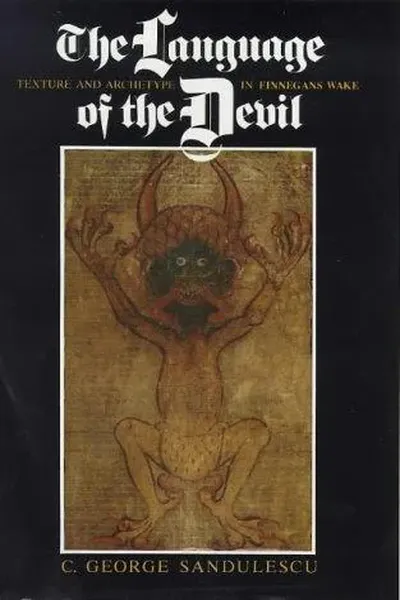
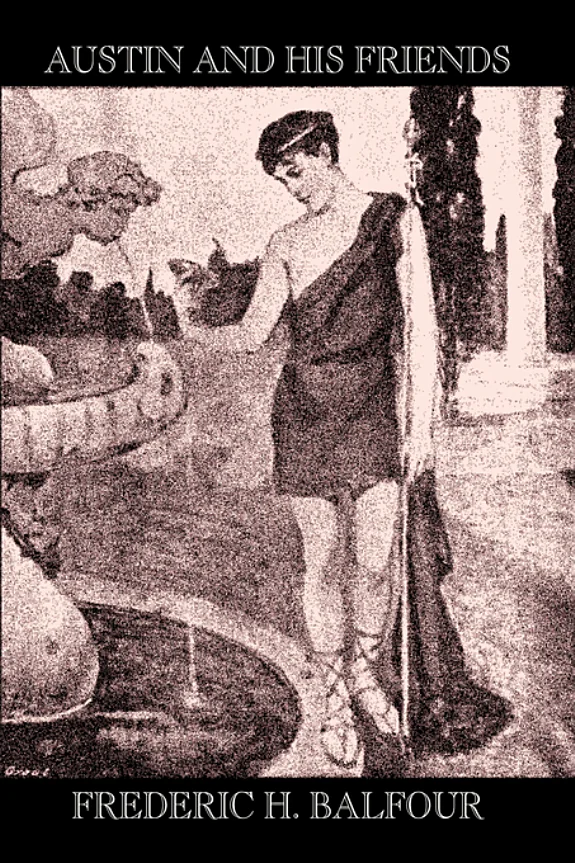
Austin and His Friends
 73
73

Austin and His Friends
Frederic H. Balfour's "Austin and His Friends" offers a refreshing take on the ghost story, eschewing overt sensationalism for a more nuanced exploration of dread. The strength of the collection lies in its meticulous construction of atmosphere; passages describing the creak of an old house or the quality of light filtering through dusty panes are particularly effective in building unease. One might point to the story "The House with the Golden Door" as an example, where the anticipation of something unseen is more potent than any revealed apparition. However, the book occasionally falters in its pacing, with some narratives feeling a touch too leisurely in their build-up, potentially testing the patience of those accustomed to more rapid plot development. The prose, while evocative, can sometimes lean towards the ornate, a characteristic of its likely period influences. Despite this, "Austin and His Friends" succeeds in its aim to create a lingering sense of disquiet, offering a sophisticated engagement with the spectral.
Verdict: A refined collection for the discerning connoisseur of the uncanny.
📝 Description
73
Frederic H. Balfour's "Austin and His Friends" was first published in 2005.
Frederic H. Balfour's collection "Austin and His Friends" offers tales that recall older ghost stories, aiming to evoke fear of the dark and the unknown. The narratives weave spectral visitations, unsettling presences, and a general atmosphere of dread, reminiscent of stories that once kept readers questioning the safety of their own shadowed rooms.
This work is suited for readers who value spectral narratives that blend psychological unease with subtle supernatural manifestations. It appeals to those interested in ghost stories that move beyond simple scares, focusing instead on atmosphere and character apprehension. Those familiar with early 20th-century occult fiction will find echoes of that tradition within Balfour's writing.
Though published in 2005, "Austin and His Friends" draws from the tradition of late 19th and early 20th-century ghost stories. This period saw authors like M.R. James and Algernon Blackwood refine eerie tales, often featuring scholarly protagonists confronting subtle horrors. Balfour's work continues this lineage, focusing on atmosphere and psychological dread over overt shocks, aligning with a literary current influenced by spiritualism and a fascination with the uncanny.
⭐ Reader Reviews
Honest opinions from readers who have explored this book.
❓ Frequently Asked Questions
What is the original publication year of "Austin and His Friends"?
The book "Austin and His Friends" by Frederic H. Balfour was first published on June 1, 2005. This date places it within a modern context, though its style often evokes earlier periods of ghost story writing.
Does "Austin and His Friends" feature jump scares or subtle horror?
The collection leans heavily towards subtle horror and atmospheric dread. It focuses on building unease through description and psychological tension rather than relying on overt, startling apparitions or sudden frights.
Who are some authors similar to Frederic H. Balfour in style?
Balfour's style often aligns with authors like M.R. James and Algernon Blackwood, known for their scholarly yet chilling ghost stories that emphasize atmosphere and suggestion over explicit gore.
What themes are explored in "Austin and His Friends"?
The book explores themes of fear, the uncanny, the psychological impact of the unknown, memory, and the way past events can subtly influence the present, creating a sense of lingering dread.
Is this book suitable for someone new to ghost stories?
Yes, it can be suitable for newcomers who prefer a more literary and atmospheric approach to the genre. Those seeking intense, action-packed horror might find its pace more deliberate.
What makes the ghost stories in this book different from typical modern horror?
Unlike many modern horror narratives, Balfour's work, published in 2005, often focuses on the internal experience of fear and the unsettling nature of suggestion, drawing from a tradition that predates contemporary horror tropes.
🔮 Key Themes & Symbolism
The Power of Suggestion
The narratives in "Austin and His Friends" excel at demonstrating how the unseen can be more terrifying than the revealed. Balfour masterfully employs suggestion, hinting at spectral presences and malevolent forces without explicit depiction. This approach taps into the reader's own imagination, allowing fear to fester in the spaces left unfilled by concrete description. The work explores how the mere possibility of an apparition or a lingering influence can imbue ordinary settings with profound dread, a technique honed in the early 20th-century ghost story tradition.
Atmosphere as a Character
Balfour treats setting and atmosphere as integral components of the horror, almost as characters in their own right. Descriptions of decaying manors, mist-shrouded landscapes, or the oppressive silence of an empty house are not mere backdrops but active participants in creating the tales' unsettling mood. The 2005 publication date belies a style deeply rooted in the gothic tradition, where the environment itself reflects and amplifies the internal states of apprehension experienced by the characters.
Lingering Traces of the Past
A recurring motif is the idea that past events, traumas, or unresolved energies can leave a tangible imprint on the present. "Austin and His Friends" suggests that certain places or objects retain a psychic residue, capable of subtly influencing those who encounter them. This concept aligns with spiritualist and occult ideas prevalent in earlier eras, where the veil between the living and the dead was considered permeable, allowing spectral influences to manifest in the physical world.
The Nature of Fear
The collection offers a nuanced examination of fear itself, distinguishing between the visceral shock of a sudden fright and the gnawing, pervasive dread born from uncertainty and anticipation. Balfour's stories often play on the latter, exploring how the mind conjures horrors in the absence of clear evidence. This focus on psychological apprehension rather than overt gore positions the book within a more cerebral tradition of supernatural fiction.
💬 Memorable Quotes
Direct passages from the work, attributed to the author.
“The old-fashioned ghost-story was always terrifying and ghastly; something that made people afraid to go to bed, or to look over their shoulders, or to enter a room in the dark.”
— This opening sets the stage for the collection's intent, contrasting traditional, visceral ghost stories with the more nuanced approach Balfour likely intends to employ. It establishes a baseline of expected horror tropes that the subsequent tales may subvert or refine.
“It dealt with apparitions in a white sheet, and clanking chains, and dreadful faces that peered out from behind the window curtains in a haunted chamber.”
— Here, Balfour enumerates the common, often theatrical, elements of earlier ghost narratives. This serves to define the 'old-fashioned' style he references, likely positioning his own work as a departure from these more overt and cliché manifestations of the supernatural.
“And the more blood-curdling it was, the more keenly people enjoyed it-until they were left alone, and then they were apt to wish that they had been reading "Robinson Crusoe".”
— This observation highlights the dual nature of fear in entertainment: the thrill of shared experience versus the solitary terror that follows. It suggests that the most effective spectral tales create a lingering unease that transcends the reading itself, a psychological impact Balfour's own stories likely aim to achieve.
“The work explores themes of memory, isolation, and the lingering effects of past events that manifest in the present.”
— This interpretive summary points to the psychological depth within the narratives. It suggests that the supernatural elements are often tied to unresolved issues, personal histories, or the weight of collective experience, giving the spectral manifestations a grounding in human emotion and circumstance.
“Balfour's work can be seen as a continuation of this tradition [of M.R. James and Algernon Blackwood].”
— This statement positions the book within a specific literary lineage, suggesting it upholds the standards of atmospheric, intellectual, and subtly terrifying ghost stories established by noted authors in the late 19th and early 20th centuries.
🌙 Esoteric Significance
Tradition
While not explicitly tied to a single esoteric tradition like Hermeticism or Kabbalah, "Austin and His Friends" draws heavily from the broader currents of Western occultism and spiritualism prevalent in the late 19th and early 20th centuries. This era saw a surge of interest in mediums, psychic phenomena, and the lingering influence of the dead, often discussed within the context of Theosophy and broader spiritualist movements. Balfour's work fits within this milieu by exploring the subtle ways the unseen world might impinge upon the physical, suggesting a porous boundary between realms.
Symbolism
Key symbols often revolve around place and atmosphere. Decaying architecture, such as old houses or forgotten ruins, frequently symbolizes the weight of the past and the persistence of memory or trauma. Shadows and indistinct forms represent the unknown and the subconscious fears that haunt characters. The subtle manifestations themselves—a misplaced object, a faint sound, an inexplicable chill—act as symbols for psychic residue or the intrusion of non-corporeal entities into the mundane world.
Modern Relevance
Contemporary interest in "Austin and His Friends" stems from a resurgence of appreciation for atmospheric and psychological horror over gore-driven narratives. Thinkers and practitioners interested in Jungian psychology, particularly archetypes and the collective unconscious, might find parallels in how Balfour's tales tap into shared fears. Furthermore, writers and readers seeking to understand the evolution of ghost story tropes, or those drawn to the aesthetic of the uncanny in a digital age, find value in its carefully crafted, traditional approach.
👥 Who Should Read This Book
["• Students of literary horror: Those interested in the evolution of ghost stories beyond sensationalism, appreciating narratives that prioritize atmosphere and psychological unease, will find Balfour's craft instructive.", "• Readers seeking subtle dread: Individuals who prefer their scares to be atmospheric and suggestive, rather than explicit and visceral, will connect with the book's nuanced approach to the uncanny.", "• Enthusiasts of early 20th-century occult literature: Readers familiar with authors like M.R. James and Algernon Blackwood will recognize and appreciate Balfour's continuation of their refined, intellectual style of spectral storytelling."]
📜 Historical Context
Frederic H. Balfour's "Austin and His Friends," published in 2005, arrived decades after the golden age of the ghost story but consciously echoes its sensibilities. The late 19th and early 20th centuries, particularly the period championed by M.R. James, saw a refinement of the spectral tale, moving away from melodrama towards suggestion and intellectual dread. Authors like Algernon Blackwood explored the psychological impact of uncanny environments, while James often featured scholarly protagonists encountering ancient, subtle horrors. Balfour's work can be seen as engaging with this lineage, offering a contemporary interpretation of these established methods. While not directly interacting with specific contemporary movements like the rise of splatterpunk horror, its deliberate stylistic choice to evoke an earlier era positions it as a work for readers who found modern horror too explicit or lacking in atmospheric subtlety. Its reception likely catered to a niche audience appreciative of this more traditional, refined approach to the uncanny.
📔 Journal Prompts
The lingering effects of past events: How do the settings in "Austin and His Friends" embody or reflect forgotten histories?
Apprehension versus apparition: Reflect on a passage where the *suggestion* of a presence felt more impactful than a direct encounter.
The character of atmosphere: Analyze how a specific description of weather or architecture contributes to the overall mood of unease.
The psychology of fear: Consider how the narratives exploit the reader's own imagination to generate terror.
Traces of tradition: How does Balfour's style connect with or depart from the ghost stories of authors like M.R. James?
🗂️ Glossary
Spectral Narrative
A genre of fiction focused on ghosts, spirits, and other supernatural apparitions. It often emphasizes atmosphere, psychological dread, and the uncanny, distinguishing it from overt horror.
The Uncanny
A psychoanalytic concept referring to the feeling of unease evoked by something that is simultaneously familiar and strange, often associated with repressed thoughts or primal fears resurfacing.
Atmospheric Horror
A subgenre of horror that relies heavily on mood, setting, and sensory details to create a sense of dread and suspense, often prioritizing psychological impact over explicit violence.
Gothic Tradition
A literary style characterized by elements of horror, death, and gloom, often featuring settings like decaying castles or mansions, and exploring themes of the supernatural and psychological terror.
Psychic Residue
An occult or spiritualist concept suggesting that intense emotions or events can leave an imprint on a location or object, capable of influencing sensitive individuals.
Apprehension
An anxious or fearful feeling that something bad or unpleasant will happen. In the context of these stories, it refers to the anticipation of supernatural events.
M.R. James
A significant figure in the ghost story genre (late 19th/early 20th century), known for his scholarly yet chilling tales often featuring antiquarians encountering ancient horrors.
This book appears in 1 collection
🔮 Readers Also Liked
Browse all →









From the “Apparitions” Collection
View all →
More Free Occult Philosophy Books
View all →