Aura
 76
76

Aura
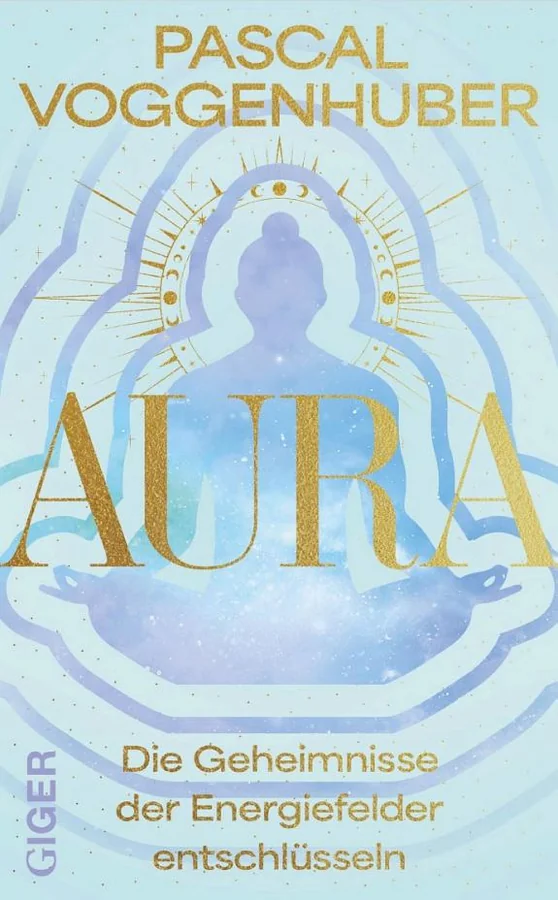
Pascal Voggenhuber’s "Aura" attempts to demystify the human energetic field, presenting it not as a vague spiritual concept but as a verifiable aspect of human existence. The work’s strength lies in its direct, accessible approach to a subject often shrouded in jargon. Voggenhuber's insistence on the aura's tangibility, likening it to a "glowing light bulb" for insight, is a compelling framing device. However, the book occasionally falters in providing concrete methodologies for developing this perception, sometimes bordering on an assumption that such abilities are easily attained. The discussion of aura layers, while structured, could benefit from more detailed case studies beyond general descriptions. Ultimately, "Aura" offers a solid introduction to the energetic self for the earnest seeker, though advanced practitioners might find it a primer rather than a deep dive.
📝 Description
76
Pascal Voggenhuber's 2025 book, Aura, argues the human aura is a tangible energetic field.
Aura, published in 2025, proposes that human beings possess a tangible energetic field extending beyond the physical body, which the author terms the aura. Voggenhuber asserts this field is not simply a metaphor but a perceivable phenomenon offering deeper insight into individuals and their surroundings. The work is for those seeking to expand their sensory perception, particularly individuals interested in esoteric studies, alternative healing, and personal development.
Readers will find this text beneficial if they wish to cultivate a more informed understanding of interpersonal dynamics and their own energetic makeup. Those exploring consciousness and subtle energies will discover much to consider. The book centers on perceiving and understanding the aura, describing it as a composed of distinct layers. Voggenhuber details how this field mirrors an individual's physical, emotional, and spiritual condition.
Published in 2025, Aura joins a contemporary resurgence of interest in consciousness and subtle energies. It builds upon traditions like Theosophy and New Age spirituality, which also explored human energy fields, though Voggenhuber's work may engage with modern biofield research and quantum consciousness theories. This positions it as a modern reexamination of concepts previously explored by figures such as Helena Blavatsky.
💡 Why Read This Book?
• Gain practical understanding of energetic fields, moving beyond abstract notions to concrete descriptions of aura layers as presented by Voggenhuber, enhancing your self-awareness. • Learn how to improve interpersonal perception by recognizing subtle energetic cues, as detailed in the book's exploration of aura-seeing's impact on social interactions. • Explore the concept of the aura as a "new dimension of life," offering a framework for understanding human essence and the world that complements traditional physical observation, as first published in 2025.
⭐ Reader Reviews
Honest opinions from readers who have explored this book.
❓ Frequently Asked Questions
What is the primary thesis of Pascal Voggenhuber's "Aura"?
The book's central argument is that the human aura is a real, perceivable energetic field surrounding the physical body. It posits that understanding and perceiving this aura unlocks deeper insights into ourselves and others, opening a new realm of awareness.
When was "Aura" by Pascal Voggenhuber first published?
Pascal Voggenhuber's "Aura" was first published on April 29, 2025. This recent publication places it within contemporary discussions on consciousness and subtle energies.
Can "Aura" help me see auras?
The book aims to guide readers towards developing the ability to perceive auras. It presents aura-seeing as a skill that can be cultivated, offering insights into how this perception can be enhanced for greater self-understanding.
What is the main benefit of understanding the aura according to the book?
The primary benefit highlighted is enhanced self-perception and a deeper understanding of other people. The book suggests that perceiving the aura allows for more profound insights into the essence of individuals and the surrounding world.
Is "Aura" based on scientific research?
While the book discusses the aura as a perceivable energetic field, its framework is primarily esoteric and philosophical. It builds upon traditional understandings of subtle energies rather than presenting findings from conventional scientific studies.
Who is Pascal Voggenhuber?
Pascal Voggenhuber is the author of "Aura." Information regarding his specific background or other works is not detailed in the provided blurb, but his focus is on esoteric philosophy and the nature of human energetic fields.
🔮 Key Themes & Symbolism
The Aura as Energetic Field
The core concept revolves around the aura as a tangible, multi-layered energetic field extending from the physical body. Voggenhuber argues this field is not merely a theoretical construct but a perceivable reality that reflects an individual's state. The book details how these layers contain information about physical, emotional, and spiritual well-being, making the aura a direct energetic signature of the person.
Aura Perception Development
A significant theme is the cultivation of 'aura-seeing.' The text suggests this ability can be developed, moving beyond innate talent to a skill that can be honed through practice and awareness. It frames aura perception as a gateway to enhanced understanding, akin to a 'glowing light bulb' useful the nature of people and the world.
Enhanced Self and Other Awareness
The book posits that developing aura perception directly leads to improved self-awareness and a more profound understanding of others. By perceiving the subtle energetic emanations, individuals can gain deeper insights into their own condition and the true essence of those around them, fostering more empathetic and informed interactions.
A New Dimension of Life
Voggenhuber presents the development of aura perception as opening up a 'new dimension of life.' This implies a qualitative shift in how reality is experienced, moving beyond the mundane physical senses to engage with subtler energetic frequencies. It suggests a richer, more interconnected way of existing and perceiving.
💬 Memorable Quotes
Direct passages from the work, attributed to the author.
“Unsere Aura ist real, und sie ist wahrnehmbar.”
— This foundational statement asserts the book's central premise: that the aura is not an abstract idea but a concrete, observable phenomenon accessible to human perception.
“Wir sind nicht nur unser physischer Körper – wir strahlen Energie aus, die sich in mehreren Schichten um uns herum ausdehnt.”
— This highlights the expanded view of human existence presented, emphasizing the energetic body and its layered structure as integral to our being beyond the material form.
“Diese energetischen Felder nennen wir Aura.”
— A direct definition provided within the text, clearly labeling the energetic emanations and their layered structure as the 'aura'.
“Aura-Sehen öffnet dir die Tür zu einer neuen Dimension des Lebens.”
— This phrase positions the development of aura perception as a transformative act, leading to a fundamentally different and expanded experience of existence.
“Wie eine leuchtende Glühbirne gewährt dir das Aura-Sehen tiefere Einblicke in das Wesen der Menschen und in die Welt um dich herum...”
— An analogy that powerfully conveys the function of aura perception: providing clarity and illumination, enabling a more profound understanding of individuals and surroundings.
🌙 Esoteric Significance
Tradition
The work aligns with the broader Western Esoteric tradition, particularly drawing from Neoplatonic and Theosophical concepts of subtle bodies and energy fields. It departs from purely religious dogma by focusing on direct perception and experiential understanding, positioning the aura as an observable energetic phenomenon rather than solely a spiritual allegory. It fits within a lineage that seeks to understand the human being as a multi-dimensional entity, extending beyond the purely physical.
Symbolism
The primary symbol is the 'aura' itself, representing the energetic emanation and inherent spiritual signature of an individual. Its 'multiple layers' symbolize the different planes of existence and consciousness (physical, emotional, mental, spiritual) that constitute the human being. The analogy of a 'glowing light bulb' symbolizes clarity, illumination, and the direct insight gained through developing one's perceptive abilities.
Modern Relevance
Contemporary practitioners of energy healing modalities, such as Reiki practitioners and biofield therapists, find resonance with Voggenhuber's framework. Thinkers exploring consciousness studies and transpersonal psychology also draw upon such works to expand models of human potential. The book's emphasis on direct perception aligns with modern mindfulness and somatic awareness practices, making its concepts relevant to those seeking holistic well-being.
👥 Who Should Read This Book
• Aspiring practitioners of subtle energy work seeking a foundational text on human energetic fields and their perception. • Individuals interested in enhancing their intuitive abilities and interpersonal understanding through a framework of energetic awareness. • Students of esoteric philosophy looking to explore contemporary interpretations of concepts like the human aura and its role in consciousness.
📜 Historical Context
Pascal Voggenhuber's "Aura," published in 2025, arrives in an intellectual climate increasingly receptive to explorations of consciousness and subtle energies, a trend building on the groundwork laid by late 19th and early 20th-century movements like Theosophy and Spiritualism. Early proponents such as Helena Blavatsky and Annie Besant extensively discussed human energy fields and their correlations with spiritual development. However, Voggenhuber's work likely engages with contemporary discourse, potentially bridging esoteric concepts with emerging ideas in biofield research and quantum consciousness theory, distinguishing it from purely metaphysical or religiously-framed discussions. While not a direct contemporary, Rudolf Steiner's Anthroposophy, which also detailed energetic bodies and chakras, represents a parallel intellectual current that explored similar themes of unseen human anatomy.
📔 Journal Prompts
The energetic field as described in 'Aura': what constitutes its layers for you?
Reflecting on the 'new dimension of life' aura-seeing might open.
How does the concept of the aura enhance self-perception beyond physical attributes?
Connecting the 'glowing light bulb' analogy to moments of personal insight.
Exploring the ethical implications of perceiving others' energetic fields.
🗂️ Glossary
Aura
The energetic field that extends in multiple layers around the physical body, reflecting an individual's state of being.
Aura-Sehen
The German term for 'aura-seeing,' referring to the ability to perceive the human aura and its energetic emanations.
Energetic Field
A subtle, non-physical energy that emanates from living beings and objects, often described as having layers and carrying information.
Physical Body
The tangible, material form of a human being, contrasted with subtler energetic or spiritual bodies.
Layers (of the Aura)
Distinct strata or levels within the energetic field surrounding a person, each believed to correspond to different aspects of their existence (e.g., emotional, mental).
Perception
The process of becoming aware of something through the senses or the mind; in this context, specifically referring to the ability to sense energetic fields.
New Dimension of Life
A state of existence or awareness that transcends ordinary physical or mental experience, opened through heightened perception like aura-seeing.
This book appears in 1 collection
🔮 Readers Also Liked
Browse all →








From the “Aura Reading” Collection
View all →





More Free Occult Philosophy Books
View all →