Art & Practice of Spiritual Herbalism
 78
78

Art & Practice of Spiritual Herbalism
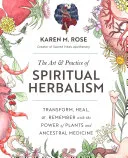
Karen M. Rose's "The Art & Practice of Spiritual Herbalism" offers a much-needed perspective on plant medicine, grounding it firmly in ancestral practices and a spiritual framework. Rose, a first-generation immigrant from Guyana, skillfully bridges her heritage with contemporary needs, presenting herbs not merely as biochemical agents but as sentient allies. The strength of the book lies in its accessible yet profound integration of ritual and plant spirit work, particularly its focus on diasporic traditions. A particular passage detailing the preparation of a "protection sachet" using specific herbs and protective intentions exemplifies the book's practical, spiritually-oriented approach. While the text is rich with wisdom, some readers might desire more detailed botanical information for those seeking purely clinical applications. However, for its stated purpose, the book provides a robust and spiritually resonant guide to working with plants. It is an essential resource for those seeking a deeper, more connected approach to herbalism.
📝 Description
78
Karen M. Rose's Art & Practice of Spiritual Herbalism connects plant wisdom with ancestral healing.
This book offers a guide to integrating plant knowledge with healing practices rooted in heritage. It moves past simple identification to discuss the energetic and spiritual qualities of herbs, viewing them as partners in personal and communal wellness. The text details ways to make remedies and perform rituals that acknowledge a diasporic past, promoting a complete approach to self-care and spiritual connection.
It is written for people who want to understand plant healing more deeply through a spiritual perspective. Readers interested in ancestral traditions, especially Black and diasporic practices, will find value here. It also suits those aiming to build a closer relationship with the plant world. The book serves both new students and experienced herbalists seeking to add ritual and energetic uses of plants to their knowledge.
Spiritual herbalism has roots in ancient global traditions, predating modern botany. For ages, healers have recognized plants for their energetic and spiritual influences alongside physical effects. This book follows that lineage, with a particular focus on the herbal traditions of the African diaspora. These practices often kept and adapted old knowledge, even through colonization and slavery, preserving a vital connection to plant allies.
💡 Why Read This Book?
• Learn to partner with plant allies for self-healing by understanding their energetic and spiritual properties, as presented in Karen M. Rose's unique approach to plant communication. • Reclaim and integrate diasporic ancestral healing practices into your modern life, drawing wisdom from traditions often overlooked in mainstream herbalism. • Master the creation of plant-based remedies and rituals designed for spiritual growth and well-being, moving beyond purely physical applications of plant medicine.
⭐ Reader Reviews
Honest opinions from readers who have explored this book.
❓ Frequently Asked Questions
What is spiritual herbalism according to Karen M. Rose?
Spiritual herbalism, as defined by Karen M. Rose, involves working with plants as conscious allies for healing. It emphasizes connecting with their energetic and spiritual properties through ritual and ancestral practices, moving beyond purely physical effects.
What is the significance of diasporic ancestral practices in this book?
The book highlights the importance of connecting with the healing knowledge of one's ancestors, particularly within the African diaspora. It encourages readers to reclaim and integrate these traditions into contemporary herbal practices.
Who is Karen M. Rose and what is her background?
Karen M. Rose is a Master Herbalist and a first-generation immigrant from Guyana. She continues her grandmother's legacy as a healer, drawing on a rich heritage from Ghana, the Congo, China, and India.
What kind of rituals are discussed in The Art & Practice of Spiritual Herbalism?
The book discusses various rituals aimed at self-healing and spiritual connection, often incorporating specific herbs and intentions. These rituals are designed to honor the spiritual essence of plants and ancestral wisdom.
When was The Art & Practice of Spiritual Herbalism first published?
The Art & Practice of Spiritual Herbalism by Karen M. Rose was first published on February 8, 2022.
Does this book offer practical recipes or remedies?
Yes, the book guides readers on how to create remedies and engage in rituals, integrating plant wisdom with ancestral practices for practical application in self-healing and spiritual growth.
🔮 Key Themes & Symbolism
Plant Spirit Partnership
This theme explores the profound connection between humans and plants beyond their physical utility. Rose posits that plants possess consciousness and can act as allies in healing and spiritual development. The book guides readers on how to establish reciprocal relationships with plant spirits, understanding their unique energetic signatures and how to engage with them respectfully through intention, prayer, and ritual. It is about recognizing the sentience within the green world and fostering a dialogue for mutual growth and well-being.
Diasporic Ancestral Wisdom
A core element is the reclamation and honoring of healing knowledge passed down through generations within the African diaspora. Rose, drawing from her Guyanese heritage and ancestral roots in Ghana, the Congo, China, and India, emphasizes the importance of reconnecting with these often-suppressed traditions. The work encourages readers to explore their own ancestral lineages and integrate this inherited wisdom into contemporary herbalism, fostering a sense of belonging and continuity through plant-based practices.
Ritual and Self-Healing
The book intricately combines plant medicine with ritualistic practices designed for personal transformation and healing. It moves beyond simple remedies to encompass ceremonies, meditations, and intention-setting that amplify the healing power of herbs. By engaging with plants through sacred actions, readers are guided to address emotional, spiritual, and physical imbalances, fostering a holistic approach to well-being that acknowledges the interconnectedness of mind, body, spirit, and nature.
Herbalism as Spiritual Practice
This theme reframes herbalism not just as a craft or science, but as a profound spiritual path. It highlights how working with plants can be a form of devotion, a way to connect with the divine through nature, and a means of cultivating spiritual awareness. The book encourages a sacred approach to gathering, preparing, and using herbs, emphasizing gratitude, respect, and the development of intuition in one's practice.
💬 Memorable Quotes
Direct passages from the work, attributed to the author.
“Partner plants and rituals to guide the process of self-healing.”
— This concise statement expresses the book's central thesis: the synergistic power of botanical allies and intentional ceremony for personal growth and restoration.
“Continue her grandmother’s legacy as a healer and herbalist.”
— This highlights the intergenerational transmission of knowledge and the author's commitment to honoring her lineage, a key aspect of the book's ancestral focus.
“Harness the magic of plants and diasporic ancestral practices.”
— This phrase points to the book's combination of folk magic, plant spirit work, and culturally specific healing traditions from the diaspora.
“Master Herbalist Karen Rose is a first-generation immigrant from Guyana.”
— This biographical detail grounds the author's teachings in personal experience and a specific cultural context, adding authenticity and depth to her perspective.
“Alleviate...”
— This incomplete phrase from the original blurb suggests the book aims to provide practical solutions and relief for various forms of suffering through its unique approach.
🌙 Esoteric Significance
Tradition
This work draws heavily from animistic and shamanic traditions, which view the natural world, including plants, as imbued with spirit and consciousness. It aligns with Neopagan and folk magic practices that emphasize direct relationship with nature spirits and ancestral veneration. While not strictly Hermetic or Kabbalistic, it shares with these traditions a focus on correspondences, energetic principles, and the transformative power of ritual for spiritual development.
Symbolism
Key symbols include the plant itself, representing life, growth, and connection to the earth; the concept of roots, signifying ancestry, grounding, and hidden knowledge; and water, often used in purification rituals and as a medium for plant essences, symbolizing emotion, intuition, and flow. The act of brewing or preparing remedies also symbolizes transformation and the alchemical process of turning raw ingredients into potent medicine.
Modern Relevance
Contemporary movements in ecopsychology, nature-based spirituality, and decolonized wellness practices find resonance in Rose's approach. Thinkers and practitioners focused on ancestral healing, somatic experiencing, and trauma-informed care can integrate her methods. Her work is particularly relevant to those seeking alternatives to Western allopathic medicine that are culturally grounded and spiritually expansive.
👥 Who Should Read This Book
• Individuals of African diaspora heritage seeking to reconnect with ancestral healing practices and plant wisdom. • Aspiring herbalists and spiritual practitioners interested in a holistic approach that integrates plant medicine with ritual and consciousness. • Those looking to deepen their personal relationship with the plant kingdom and explore the energetic and spiritual dimensions of herbs.
📜 Historical Context
Published in 2022, "The Art & Practice of Spiritual Herbalism" emerges in a contemporary landscape where interest in plant medicine and ancestral healing is surging, particularly among marginalized communities seeking to reconnect with their heritage. This revival runs counter to the purely reductionist, biochemical approach to botany that dominated much of 20th-century Western science. Rose's work situates itself within a lineage of Black herbalists and healers, a tradition that has often operated outside mainstream academic recognition but remained vital in communities. While figures like Susun Weed championed ecological and folk herbalism, and various New Age movements explored plant consciousness, Rose's specific emphasis on diasporic African traditions offers a distinct contribution. This book arrives at a time when scholars like Robin Wall Kimmerer are also bridging indigenous knowledge with botanical science, suggesting a broader cultural shift towards valuing holistic and culturally-grounded relationships with the natural world.
📔 Journal Prompts
Reflect on a plant ally that calls to you, considering its potential spiritual gifts.
Explore the legacy of your own ancestors and their connection to plant knowledge.
Describe a ritual you could create to honor a specific plant's essence.
Consider the energetic exchange when working with plant spirits.
How can diasporic ancestral practices inform your approach to modern self-care?
🗂️ Glossary
Spiritual Herbalism
A practice that views plants as conscious allies, emphasizing their energetic and spiritual properties alongside their physical benefits, often incorporated into ritual and intention-based healing.
Diasporic Ancestral Practices
Healing traditions, rituals, and knowledge passed down through generations within communities dispersed from their ancestral homelands, particularly focusing on the African diaspora in this context.
Plant Allies
Plants recognized not just for medicinal properties but as sentient beings with whom one can form a reciprocal relationship for mutual growth, healing, and spiritual connection.
Energetic Properties
The subtle vibrational qualities or spirit of a plant, believed to influence emotional, mental, and spiritual states, distinct from its chemical constituents.
Ritual
A set of actions performed in a prescribed order, often imbued with symbolic meaning, used to connect with the spiritual, honor traditions, or facilitate healing and transformation.
Intention
The focused purpose or aim behind an action, especially in spiritual or magical practices, believed to direct energy and influence outcomes.
Lineage
A succession of teachers, ancestors, or spiritual guides from whom knowledge and practices are inherited, emphasizing historical and cultural continuity.