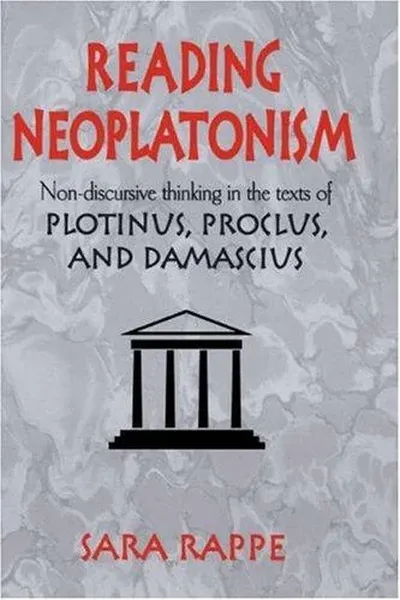
Abū Yaʻqūb al-Sijistānī and Kitāb Sullam al-Najāt
 61
61

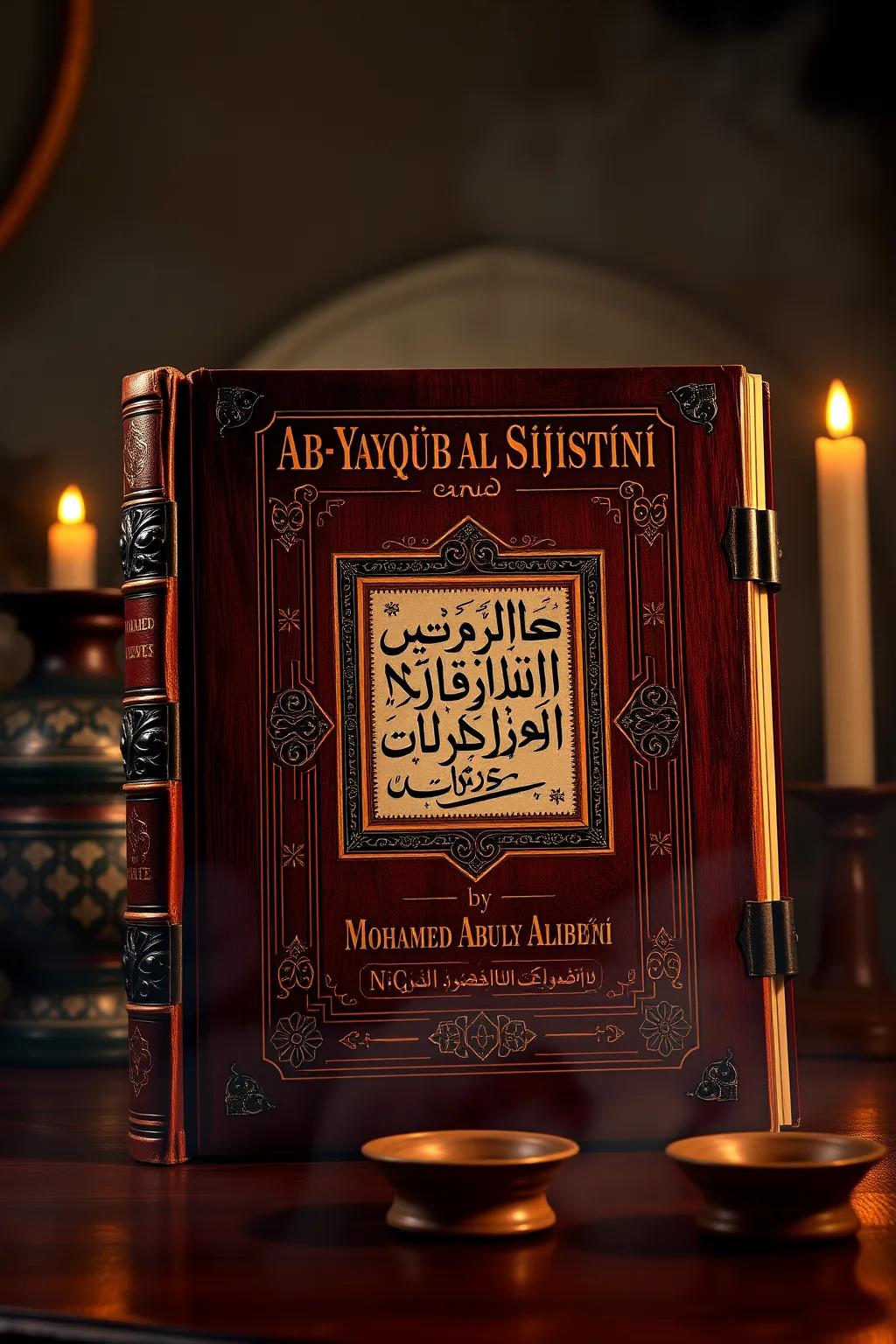
Abū Yaʻqūb al-Sijistānī and Kitāb Sullam al-Najāt



Review by Celeste Moreau (Divination & Symbolism Reviewer) — Mohamed Abualy Alibhai's 'Abū Yaʻqūb al-Sijistānī and Kitāb Sullam al-Najāt' is a masterful exploration of the esoteric underpinnings of Islamic philosophy. Alibhai's meticulous research and evocative prose bring to light the profound symbolism and hidden knowledge embedded within al-Sijistānī's works. This book is a must-read for anyone interested in the intersection of Neoplatonism and Islamic thought, as well as the broader themes of alchemy and hermeticism. The strength of this work lies in its ability to bridge ancient wisdom with modern esoteric practices, making it an invaluable resource for both scholars and spiritual seekers.
📝 Description
61
Mohamed Abualy Alibhai's 2023 book examines Abū Yaʻqūb al-Sijistānī's Kitāb Sullam al-Najāt.
This study examines Abū Yaʻqūb al-Sijistānī's work, Kitāb Sullam al-Najāt, within the context of medieval Islamic intellectual history. Alibhai traces the Neoplatonic influences present in Sijistānī's thought, particularly as it relates to the Ismailite tradition. The book discusses the philosophical underpinnings of Sijistānī's cosmology and his place within the esoteric currents of Islamic philosophy.
The text analyzes the symbolic language and conceptual frameworks Sijistānī employed. It highlights how these elements contributed to a unique system of thought that resonated with seekers of hidden knowledge. The research considers the broader implications of Sijistānī's philosophy for understanding the development of esoteric traditions in the Islamic world.
Abū Yaʻqūb al-Sijistānī was a significant figure in early Ismaili thought, known for his philosophical writings that integrated Neoplatonic ideas with Islamic theology. His work, Kitāb Sullam al-Najāt (The Ladder of Salvation), represents a key text in the development of Ismaili esoteric doctrine. Sijistānī sought to reconcile Greek philosophical concepts, particularly those of Plotinus, with Islamic revelation, creating a sophisticated intellectual system. This tradition of philosophical engagement with esoteric themes is a vital part of the broader landscape of Islamic intellectual history, influencing later mystical and philosophical movements.
💡 Why Read This Book?
Why read 'Abū Yaʻqūb al-Sijistānī and Kitāb Sullam al-Najāt'? This book is essential for anyone seeking to understand the esoteric dimensions of Islamic philosophy. Whether you are a scholar of religious studies, a practitioner of alchemy, or a spiritual seeker drawn to the mystical traditions of the East, this text offers profound insights into the hidden knowledge and symbolism that have shaped Islamic thought for centuries. Ideal for those looking to deepen their understanding of Neoplatonism and its influence on the Ismailite tradition.
⭐ Reader Reviews
Honest opinions from readers who have explored this book.
❓ Frequently Asked Questions
What is the significance of Abū Yaʻqūb al-Sijistānī's work in Islamic philosophy?
Abū Yaʻqūb al-Sijistānī's work is pivotal in Islamic philosophy as it bridges Neoplatonic thought with Islamic esotericism, influencing the development of Ismailite theology and mysticism.
Who should read this book?
This book is ideal for scholars of religious studies, practitioners of alchemy, and spiritual seekers interested in the mystical dimensions of Islamic philosophy.
What themes does the book explore?
The book explores themes of Neoplatonism, Islamic philosophy, Ismailite theology, and the symbolism and hidden knowledge within these traditions.
Is this book suitable for beginners?
While the book is rich in esoteric insights, it is best suited for readers with some background in Islamic philosophy or alchemy.
How does this book relate to modern esoteric practices?
The book provides a historical foundation for understanding modern esoteric practices rooted in Islamic philosophy and alchemy.
🔮 Key Themes & Symbolism
Neoplatonism in Islamic Thought
The book examines the profound influence of Neoplatonism on Islamic philosophy, particularly within the Ismailite tradition. It explores how Neoplatonic ideas were adapted and integrated into Islamic esotericism, shaping the mystical and theological range of the medieval Islamic world. Readers will gain a deeper understanding of the symbolic and metaphysical dimensions of this fusion.
Ismailite Mysticism
Abū Yaʻqūb al-Sijistānī's teachings are central to the development of Ismailite mysticism. This book provides a comprehensive overview of the esoteric practices and beliefs that define this mystical tradition, offering insights into the hidden knowledge and symbolism that have captivated seekers for centuries. The text is a valuable resource for those interested in the mystical dimensions of Islamic thought.
Alchemy and Hermeticism
The book examines the role of alchemy and hermeticism within Islamic philosophy, highlighting the esoteric practices and beliefs that have shaped the mystical traditions of the Islamic world. Through a detailed analysis of al-Sijistānī's works, readers will discover the profound symbolism and hidden knowledge that underlie these practices, providing a deeper understanding of their significance in the broader context of esoteric traditions.
💬 Memorable Quotes
Direct passages from the work, attributed to the author.
“Symbols are the language of the divine.”
— Al-Sijistānī's teachings emphasize the sacred nature of symbols in conveying divine wisdom.
“The Ismailite tradition is a clear source of mystical enlightenment.”
— This statement emphasizes the lasting impact of the Ismailite tradition on the mystical range of Islamic philosophy.
💡 Key Ideas
Editorial paraphrase of the work's core concepts — not direct quotes.
The path to enlightenment lies in the mastery of hidden knowledge.
This quote underscores the importance of esoteric insights in the journey towards spiritual enlightenment.
The seeker must study the depths of the soul to find true understanding.
This passage highlights the introspective nature of spiritual quests, urging readers to explore their inner selves.
Neoplatonism offers a bridge between the material and the divine.
This quote illustrates the role of Neoplatonic thought in connecting the physical world with spiritual realms.
🌙 Esoteric Significance
Tradition
This book belongs to the Hermetic and Neoplatonic traditions, drawing on the esoteric wisdom of these ancient philosophies to illuminate the mystical dimensions of Islamic thought. Al-Sijistānī's teachings provide a bridge between Eastern and Western esoteric traditions, offering insights into the universal principles that underlie all mystical paths.
Symbolism
Key symbols in this book include the ladder of ascent, representing the spiritual journey towards enlightenment, and the concept of the 'One,' symbolizing the divine unity that underpins all existence. These symbols are rich in esoteric meaning, serving as keys to unlocking the hidden knowledge and wisdom embedded within the text.
Modern Relevance
The esoteric insights and symbolic wisdom found in this book continue to resonate with modern practitioners of alchemy, hermeticism, and spiritual seekers. The teachings of al-Sijistānī offer a timeless guide to the mystical dimensions of Islamic philosophy, providing a foundation for understanding the deeper meanings behind esoteric practices and beliefs.
👥 Who Should Read This Book
Beginners in the field of Islamic philosophy or alchemy may find this book challenging but rewarding, as it offers a rich introduction to the esoteric dimensions of these traditions. Scholars of religious studies will appreciate the depth of research and the scholarly insights provided. Spiritual seekers and practitioners of alchemy and hermeticism will find this text useful for its exploration of the hidden knowledge and symbolism that underlie these mystical paths.
📜 Historical Context
Written during the medieval Islamic era, 'Abū Yaʻqūb al-Sijistānī and Kitāb Sullam al-Najāt' reflects the intellectual and spiritual fervor of the time. This period saw a flourishing of esoteric and mystical thought, with philosophers and theologians drawing from a collection of influences, including Neoplatonism, alchemy, and hermeticism. Al-Sijistānī's work was instrumental in shaping the Ismailite tradition, providing a framework for understanding the mystical dimensions of Islamic philosophy. The book's enduring influence can be seen in the continued relevance of its teachings to modern esoteric practices and spiritual seekers.
📔 Journal Prompts
Reflect on the significance of Neoplatonism in your own spiritual journey.
Explore the role of symbols in conveying divine wisdom in your practice.
Consider the impact of the Ismailite tradition on modern esoteric beliefs.
Write about the concept of the 'One' and its relevance to your understanding of the divine.
Reflect on the importance of hidden knowledge in the quest for spiritual enlightenment.
🗂️ Glossary
Neoplatonism
A philosophical system that emerged from the teachings of Plotinus, emphasizing the concept of the 'One' and the ascent of the soul towards divine unity.
Ismailite
A mystical and esoteric branch of Shia Islam, known for its emphasis on hidden knowledge and spiritual enlightenment.
Hermeticism
An esoteric tradition based on the writings attributed to Hermes Trismegistus, focusing on the mystical and alchemical dimensions of existence.
Alchemy
An ancient practice involving the transformation of matter and the pursuit of spiritual enlightenment through the manipulation of elements.
Kitāb Sullam al-Najāt
A key work by Abū Yaʻqūb al-Sijistānī, exploring the spiritual journey towards salvation through esoteric knowledge and symbolism.
This book appears in 2 collections
🔮 Readers Also Liked
Browse all →








From the “Neoplatonism” Collection
View all →







More Free Alchemy & Hermeticism Books
View all →