Children of the Corn

 73
73

Children of the Corn
Stephen King's "Children of the Corn" presents a potent, albeit grim, vision of corrupted faith. The story excels in its depiction of the unnerving atmosphere of Gatlin, Nebraska, where the absence of adult life and the chilling obedience of the child cult are palpably unsettling. The central conceit—a pastoral setting overrun by murderous youth devoted to an unseen entity—is a powerful hook. However, the narrative's reliance on the ambiguous "He Who Walks Behind the Rows" can feel somewhat underdeveloped, leaving the nature of the evil a touch too vague for those seeking a more concrete antagonist. The climax, while dramatic, leans into familiar tropes of survival. Despite this, the story's exploration of how fanaticism can twist the innocent into instruments of terror remains its most enduring and effective element. It's a bleak but compelling examination of faith gone terribly wrong.
📝 Description
73
Stephen King's 1978 short story "Children of the Corn" examines religious fanaticism in rural America.
Published in 1978, Stephen King's "Children of the Corn" depicts a horrifying scenario in the fictional Nebraska town of Gatlin. The story follows Burt and Vicky, a couple who discover the town's adult population has been murdered by its own children. These children, under the sway of a malevolent entity they call "He Who Walks Behind the Rows," enforce a brutal religious doctrine that demands the death of anyone over eighteen.
The narrative grounds its supernatural horror in a seemingly ordinary setting, subverting the innocence typically associated with childhood. King uses the desolate farmlands to amplify the isolation and dread. The story taps into anxieties about societal breakdown and the corrupting influence of distorted belief systems, presenting a stark vision where youthful devotion turns to violent extremism. It focuses on the psychological impact of this isolated, child-run society on the unwary couple.
King's story taps into a vein of occult fiction that explores the corruption of sacred spaces and the inversion of natural order. The entity "He Who Walks Behind the Rows" functions as a dark, localized deity, dictating the lives and actions of its followers through fear and absolute devotion. This mirrors older narratives of malevolent spirits or forgotten gods influencing isolated communities, forcing them into extreme rituals. The story's focus on a corrupted faith and the subjugation of a populace, even a young one, to a singular, terrifying will places it within a tradition of supernatural tales that examine the dark side of belief.
💡 Why Read This Book?
• Gain insight into the destructive power of distorted faith, as seen in the children's absolute devotion to "He Who Walks Behind the Rows" in Gatlin, Nebraska. • Experience a unique brand of horror that subverts the trope of childhood innocence, demonstrating how it can be weaponized by extremist beliefs. • Understand how Stephen King, in his 1978 work, tapped into contemporary anxieties about societal breakdown and the influence of fringe belief systems.
⭐ Reader Reviews
Honest opinions from readers who have explored this book.
❓ Frequently Asked Questions
What is the name of the entity worshipped by the children in "Children of the Corn"?
The children of Gatlin, Nebraska, worship a malevolent entity known as "He Who Walks Behind the Rows." This entity commands them to kill adults and maintain their dominion over the town.
When was Stephen King's "Children of the Corn" first published?
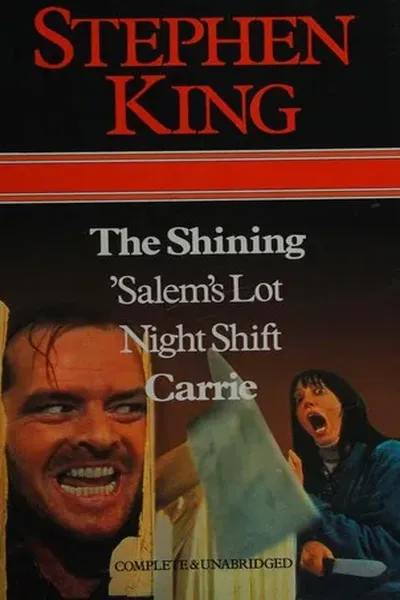
"Children of the Corn" was first published in 1978 as part of King's short story collection "Night Shift."
What is the primary setting for the "Children of the Corn" story?
The story is set in the fictional, desolate town of Gatlin, Nebraska, a place that appears abandoned by adults and ruled by a cult of children.
What are the main themes explored in "Children of the Corn"?
The story primarily explores themes of religious fanaticism, the corruption of innocence, the dangers of extreme belief systems, and societal breakdown.
Who are the main protagonists who discover Gatlin?
The protagonists are Burt and Vicky, a couple who inadvertently stumble upon the deserted town of Gatlin while traveling through Nebraska.
Does "Children of the Corn" have a happy ending?
The story does not have a conventionally happy ending. It concludes with a grim struggle for survival and the pervasive sense of an ongoing, dark influence.
🔮 Key Themes & Symbolism
Corrupted Faith and Fanaticism
The narrative dissects how religious fervor, when unchecked and twisted by a malevolent force, can lead to horrific acts. The children of Gatlin, under the sway of "He Who Walks Behind the Rows," embody this theme. Their devotion is absolute, compelling them to commit murder and enforce a brutal theocracy. This perversion of faith serves as a cautionary tale about the dangers of blind obedience and the potential for spiritual belief to become a tool of oppression and violence, particularly when it targets the young and impressionable.
The Subversion of Innocence
King masterfully inverts the traditional notion of childhood innocence. In Gatlin, children are not symbols of purity but instruments of death. Their youth becomes a terrifying mask for their fanatical devotion and violent actions. This theme challenges the reader's perception of vulnerability and safety, suggesting that the most disturbing horrors can emerge from those we typically associate with goodness and dependency. The story highlights how easily innocence can be manipulated and weaponized by external forces or twisted ideologies.
Rural Isolation and Societal Decay
The desolate setting of Gatlin, Nebraska, amplifies the story's sense of dread and isolation. The town’s emptiness, populated only by the child cult, symbolizes a complete breakdown of societal norms and adult authority. This rural isolation creates a vacuum where the dark influence of "He Who Walks Behind the Rows" can flourish unchecked. The story uses this backdrop to explore anxieties about forgotten rural communities and the potential for extreme ideologies to take root in places seemingly untouched by modern society.
💬 Memorable Quotes
Direct passages from the work, attributed to the author.
“Outlander!”
— This utterance signifies the immediate hostility and territoriality of the Gatlin children towards any adult presence, marking them as intruders in a world they believe belongs solely to them and their dark deity.
“He Who Walks Behind the Rows is our master.”
— This statement captures the core tenet of the children's cult. It establishes the absolute authority of the unseen entity and the fanatical obedience it commands, justifying their violent actions as divine will.
“There are only two places in the world. There's Malachai and there's Gatlin.”
— This reflects the insular and extreme worldview imposed by the cult. It signifies the rejection of any outside reality or authority, reinforcing the cult's self-imposed dominion and isolation.
“The corn is our life.”
— This phrase highlights the deep, almost sacred connection the children have to their environment, which is inextricably linked to the entity they worship. It underscores the agrarian setting and its sinister implications.
💡 Key Ideas
Editorial paraphrase of the work's core concepts — not direct quotes.
We are the ones who walk behind the rows.
This paraphrased concept suggests the children see themselves as extensions or agents of the entity's will, implying they are the physical manifestation of its power and presence in the world.
🌙 Esoteric Significance
Tradition
While "Children of the Corn" doesn't align with a specific established esoteric tradition like Kabbalah or Gnosticism, it draws heavily on archetypal themes of a malevolent, nature-bound deity demanding sacrifice. It echoes ancient fertility cults and animistic beliefs where natural forces are personified and appeased, albeit in a deeply corrupted, modern context. The entity, "He Who Walks Behind the Rows," functions as a dark, primal god of the harvest, suggesting a perversion of agrarian spiritualism, where life-giving cycles are instead tied to death and dominion.
Symbolism
The most potent symbol is the corn itself, representing not just sustenance but a pervasive, living entity that harbors a dark consciousness. "He Who Walks Behind the Rows" symbolizes the unseen, corrupting influence that preys on the vulnerable, twisting natural cycles into instruments of terror. The abandoned town of Gatlin signifies societal collapse and the vacuum left by adult authority, a fertile ground for the entity's dominion and the children's fanatical rule.
Modern Relevance
The story's themes of radicalized youth, the manipulation of belief systems, and the dangers of charismatic, authoritarian figures continue to resonate. Contemporary discussions around online radicalization, youth extremism, and the weaponization of ideology echo the narrative's core concerns. Thinkers exploring the psychology of cults, the sociology of radicalization, and the impact of isolation on belief systems often find the story a stark, albeit fictional, illustration of these complex issues.
👥 Who Should Read This Book
• Students of horror literature: To analyze how Stephen King crafts psychological dread and explores societal anxieties through a seemingly simple premise. • Readers interested in cult dynamics: To examine a fictional portrayal of how extreme ideologies can take root and manifest through a devoted, isolated group. • Those fascinated by the subversion of innocence: To explore narratives where familiar symbols of childhood are twisted into sources of terror and violence.
📜 Historical Context
Stephen King's "Children of the Corn," first published in 1978, emerged during a period marked by a cultural fascination with and anxiety surrounding cults, fueled by events like the Jonestown Massacre in 1978. The story tapped into a broader societal unease about the perceived moral failings of younger generations and the potential for extremist ideologies to gain traction. This era also saw literary explorations of dark Americana, where seemingly idyllic landscapes hid sinister undercurrents. While not directly engaging with academic esoteric movements like Thelema or Hermeticism, King's work resonated with a public consciousness grappling with themes of corrupted faith and charismatic leadership, mirroring some of the anxieties that scholars of sociology and religion were beginning to dissect in real-world cult phenomena. Its reception was strong, cementing King's reputation for crafting chilling narratives rooted in everyday fears, distinct from the more overtly supernatural or gothic horror prevalent at the time.
📔 Journal Prompts
The children's absolute devotion to "He Who Walks Behind the Rows."
Burt and Vicky's discovery of Gatlin's desolate state.
The symbolic meaning of the cornfields in the narrative.
The contrast between perceived innocence and actual actions of the children.
The entity's influence on the town's societal structure.
🗂️ Glossary
He Who Walks Behind the Rows
The malevolent, ancient entity worshipped by the children of Gatlin. It is a primal force associated with the cornfields, demanding human sacrifice and absolute obedience from its followers.
Gatlin, Nebraska
The fictional, isolated rural town where the story takes place. It is depicted as having been entirely taken over by a cult of children who have murdered all adults.
Malachai
A prominent and fanatical child leader within the Gatlin cult, often depicted as second-in-command to the entity's will and a direct antagonist to the adult protagonists.
The Outlanders
The term used by the Gatlin children to refer to any adults or outsiders who enter their territory, signifying their hostile and exclusionary worldview.
The Blood Sacrifice
The ritualistic killing of adults by the children, performed under the command of "He Who Walks Behind the Rows" to appease the entity and maintain its favor.
The Row People
A collective term referring to the children who have fully embraced the cult's ideology and serve the entity, often implying a loss of individual identity.
Burt and Vicky
The adult couple who stumble upon Gatlin. Their journey into the town represents the intrusion of the outside world into the cult's dominion and their struggle for survival.
🔮 Readers Also Liked
Browse all →








More by Stephen King
All books →

More Free Occult Philosophy Books
View all →