Adept Circle Magic
 79
79

Adept Circle Magic
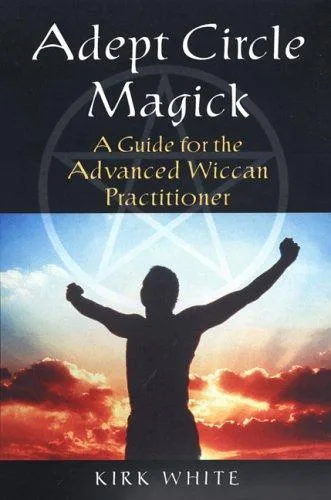
Kirk White’s Adept Circle Magic offers a refreshingly direct manual for those seeking to systematize their magical practice. The book eschews flowery language for clear, actionable instruction, particularly in its detailed breakdown of ritual construction. One strength is its emphasis on the internal discipline required; White doesn't shy away from the demanding nature of true magical development. However, the text can sometimes feel overly prescriptive, leaving less room for individual interpretation or adaptation of the techniques presented. The section detailing the "Inner Sanctum" ritual, for instance, provides a robust framework but might feel rigid to practitioners accustomed to more fluid approaches. Ultimately, Adept Circle Magic serves as a solid, no-nonsense guide for the dedicated student of the art.
📝 Description
79
Kirk White's Adept Circle Magic, published in 2006, details a structured method for ceremonial magic.
Adept Circle Magic moves beyond theory to provide practical techniques for ritual construction and energy manipulation. The book emphasizes discipline and a systematic approach for practitioners seeking greater magical effectiveness and self-mastery. It is intended for serious students of magic who have passed introductory stages and wish to refine their practice. Those interested in building a personal magical system through consistent ritual work and inner development will find this text useful.
Individuals engaged in solitary practice or small, dedicated groups will appreciate the framework offered for deepening their understanding and application of ceremonial magic. The book focuses on the development of the inner adept, outlining a path for practitioners. It aims to cultivate specific states of consciousness through systematic progression and disciplined application of magical principles.
Published in 2006, Adept Circle Magic appeared during a period of renewed interest in practical occultism. It offered a generalized, systematic methodology that could be applied across different magical frameworks, distinguishing it from works focusing on specific traditions or historical grimoires. This book contributed to a growing body of accessible literature for occultists seeking personal innovation within established traditions.
💡 Why Read This Book?
• Gain a systematic framework for ritual creation, moving beyond vague intentions to precise, effective ceremonial structures based on White's approach to "Intent Formulation". • Understand the principles of cultivating an "Inner Sanctum", a mental and energetic space designed for focused magical work, offering a tangible method for enhancing concentration. • Develop practical techniques for energy manipulation and consciousness alteration, providing concrete exercises to build magical proficiency and self-mastery as outlined in the book's progression.
⭐ Reader Reviews
Honest opinions from readers who have explored this book.
❓ Frequently Asked Questions
What is the primary focus of Adept Circle Magic?
The book's primary focus is on providing a structured, practical system for ceremonial magic, emphasizing the development of the individual practitioner into an 'adept' through disciplined ritual work and inner cultivation.
Is Adept Circle Magic suitable for beginners?
While it contains foundational principles, the book is best suited for those who have already engaged with basic magical concepts and are ready for a more rigorous, systematic approach to ritual and personal development.
What kind of magical traditions does this book draw from?
It synthesizes principles common to Western ceremonial magic, focusing on universal techniques of will, visualization, and energy work rather than adhering strictly to one historical tradition.
How does the book address the concept of an 'adept'?
White defines an adept as one who has achieved significant mastery over their inner states and external magical operations through consistent, disciplined practice as detailed in the text.
What are the key practical elements taught in Adept Circle Magic?
Key practical elements include detailed instructions on ritual construction, energy projection and reception, creating sacred space, and cultivating specific states of consciousness for magical effect.
When was Adept Circle Magic first published?
The book was first published in 2006, offering a modern perspective on established magical methodologies.
🔮 Key Themes & Symbolism
Systematic Ritual Construction
Adept Circle Magic offers a detailed methodology for designing and performing effective magical rituals. It breaks down the process into discrete, manageable components, from the precise formulation of intent to the invocation of energies and the sealing of the rite. This systematic approach ensures that practitioners can replicate results and build confidence, moving beyond haphazard spellcasting towards a more scientific application of magical principles. The emphasis is on clarity, precision, and purpose in every element of the ritual structure.
The Cultivation of the Inner Adept
Central to White's work is the concept of the 'adept' not merely as a title but as a state of being achieved through rigorous self-discipline and consistent magical practice. The book outlines a path of personal evolution, focusing on the development of willpower, focused consciousness, and emotional equilibrium. This internal transformation is presented as the foundation upon which all effective external magical work is built, emphasizing that true power arises from mastery of the self.
Energetic Mechanics and Consciousness States
The text provides practical techniques for understanding and manipulating subtle energies. It explains how to generate, direct, and receive energy, and how to consciously alter states of awareness to achieve specific magical outcomes. This includes exercises for visualization, concentration, and the creation of internal sanctuaries. The aim is to clarify energy work and provide a clear, reproducible set of methods for practitioners to integrate into their magical repertoire.
The Role of Symbolism and Language
White highlights the critical importance of symbolic language and imagery in magical operations. Symbols are presented not just as decorative elements but as potent tools for communication with the subconscious and the wider energetic environment. The book guides practitioners in selecting and employing symbols effectively within rituals to reinforce intent and direct magical forces, underscoring the power of precise language and evocative imagery in the magical arts.
💬 Memorable Quotes
Direct passages from the work, attributed to the author.
“Intent must be formulated with absolute clarity.”
— This highlights the book's emphasis on precision in magical work. Vague desires, White suggests, lead to vague results, necessitating a sharp, well-defined goal for any ritual.
“The Inner Sanctum is the foundation of external operations.”
— This points to the core principle that internal stability and developed consciousness are prerequisites for effective outward magical action, a common theme in disciplined magical systems.
“Energy follows will and visualization.”
— This succinctly captures the mechanistic view of magic presented, where directed consciousness and focused imagination are the primary drivers of energetic phenomena.
“Discipline is not a limitation, but the key to freedom.”
— This interpretation suggests that adherence to a structured practice, rather than being restrictive, actually unlocks greater potential and control within the magical arts.
“Ritual requires more than words; it demands focused presence.”
— This emphasizes the active, conscious engagement required in ceremonial magic, moving beyond rote recitation to a state of full immersion and energetic participation.
🌙 Esoteric Significance
Tradition
The work draws heavily from the Western Ceremonial Magic tradition, particularly its Golden Dawn-influenced branches, focusing on systematic ritual, energy work, and the development of the adept. It synthesizes these elements into a coherent, accessible system that departs from rigid adherence to specific historical orders, emphasizing personal mastery and practical application over strict lineage.
Symbolism
Key symbols include the Inner Sanctum, representing the practitioner's developed inner space and focused consciousness; the Circle, denoting sacred, protected space for ritual; and geometric forms used in visualization, which serve as anchors for directing will and energy. These symbols function as conceptual tools to structure magical operations and facilitate altered states.
Modern Relevance
Adept Circle Magic remains relevant for contemporary practitioners seeking structured magical training outside of traditional orders. Its principles are echoed in modern approaches to energy work, ritual crafting, and psychological self-development within various occult and spiritual communities, influencing those who prioritize practical efficacy and systematic progression.
👥 Who Should Read This Book
• Dedicated practitioners of ceremonial magic seeking to refine their techniques and establish a more rigorous, systematic approach to ritual work. • Solitary occultists looking for a structured framework to guide their personal magical development and build consistent practice. • Students of Western esotericism interested in understanding the core mechanics of will-based magic and energy manipulation presented in a clear, modern format.
📜 Historical Context
Kirk White's Adept Circle Magic, published in 2006, arrived during a period of burgeoning online occult communities and a resurgence of interest in practical ceremonial magic. It followed in the footsteps of influential figures like Aleister Crowley and Israel Regardie, who had previously systematized magical practices within frameworks like the Hermetic Order of the Golden Dawn. Unlike many contemporary works that might focus on specific historical grimoires or Neopagan paths, White's book aimed for a more generalized, adaptable methodology. It contributed to a growing library of accessible texts for self-initiates, distinct from the more exclusive, lineage-bound magical orders. While not engaging directly with academic discourse, its publication occurred alongside increased scholarly attention to Western esotericism, particularly from figures like Wouter J. Hanegraaff, who were documenting and analyzing these traditions.
📔 Journal Prompts
The precise formulation of intent: How can this principle be applied to a non-magical goal?
Your personal Inner Sanctum: Describe its architecture and atmosphere.
Visualizing the flow of energy: Document a practice session focusing on projection.
The role of symbolic language in your daily life: Identify three key symbols.
Assessing personal discipline: Where are your strengths and weaknesses in consistent practice?
🗂️ Glossary
Adept
An individual who has achieved a significant level of mastery over their inner and outer worlds through dedicated magical practice and self-development.
Inner Sanctum
A mentally and energetically constructed space within the practitioner's consciousness, used for focused meditation, ritual preparation, and secure magical operations.
Intent Formulation
The process of precisely defining and clarifying the specific goal or purpose of a magical working, ensuring clarity and directness in the operation.
Sacred Space
A designated physical or energetic area consecrated for magical ritual, set apart from the mundane and imbued with specific energetic qualities.
Energy Manipulation
The practice of consciously directing and shaping subtle energies, both within oneself and in the external environment, for magical purposes.
Ritual Construction
The methodical design and execution of ceremonial rites, involving specific sequences of actions, visualizations, and invocations.
Consciousness States
Varied levels or modes of awareness, from ordinary waking consciousness to trance or ecstatic states, deliberately accessed for magical work.
🔮 Readers Also Liked
Browse all →






More Free Magic & Ritual Books
View all →