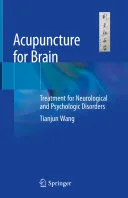
Acupuncture for Brain
 83
83

Acupuncture for Brain
Tianjun Wang's Acupuncture for Brain presents a methodical overview of TCM's approach to neurological conditions, a topic often approached with skepticism by Western medical practitioners. The book's strength lies in its clear articulation of the TCM brain concept and its detailed presentation of specialized techniques like scalp acupuncture. Wang effectively bridges the gap between historical TCM theory and contemporary research, offering concrete examples of how acupuncture is applied to conditions such as stroke and dementia. However, the work sometimes feels overly didactic, lacking the anecdotal depth that might engage a broader audience. A particularly illustrative section details the application of acupuncture points for post-stroke rehabilitation, demonstrating the practical utility of the presented theories. While comprehensive, it could benefit from more extensive case studies to fully illustrate the efficacy of these methods. Ultimately, it serves as a valuable, albeit focused, resource for practitioners seeking to integrate TCM with neurological care.
📝 Description
83
Tianjun Wang's 2020 book, Acupuncture for Brain, examines Traditional Chinese Medicine's view of the brain.
Published in December 2020, Acupuncture for Brain systematically details Traditional Chinese Medicine's (TCM) understanding of the brain and its treatment via acupuncture. The work traces the historical development of TCM brain theory and its therapeutic applications, connecting ancient concepts with current research to present a full picture of how TCM addresses neurological and cognitive functions. It is intended for acupuncturists, TCM practitioners, neurologists, and researchers interested in complementary approaches to brain health. Students of TCM will find a deeper understanding of organ systems from a meridian perspective useful. Those caring for individuals with conditions such as stroke, Parkinson's, or dementia may also find specific treatment methods discussed within its pages.
The book situates its discussion in the long history of TCM, showing the evolution of brain theory from early texts to modern interpretations. It highlights the difference between Western biomedical brain models and TCM's energetic, holistic framework. The author positions acupuncture as a method for restoring balance in the body's energetic system, which affects neurological function, rather than just managing symptoms. Central to its concepts is the TCM idea of the 'Brain' (Shen), which includes consciousness, memory, and cognitive abilities, not just physical matter. Specialized techniques like scalp acupuncture, known for its direct impact on cerebral functions, and Dao-qi technique, focused on cultivating vital energy, are introduced as ways to address various brain-related ailments.
This work is situated within the esoteric tradition of Traditional Chinese Medicine, which views the body and its functions through an energetic and holistic lens. Unlike Western biomedical approaches that focus on physical structures, TCM understands the 'Brain' (Shen) as encompassing consciousness, spirit, and cognitive functions, all regulated by the flow of Qi and blood through meridians. Acupuncture, a core practice in this tradition, is presented not merely as a physical intervention but as a means to harmonize these vital energies, thereby influencing mental and neurological well-being. The book connects these ancient principles to contemporary applications, demonstrating the continued relevance of this energetic framework for understanding and treating conditions affecting the brain.
💡 Why Read This Book?
• Learn about the TCM concept of the 'Brain' (Shen) and its relationship to consciousness and cognitive function, providing a unique energetic perspective beyond Western neuroanatomy, as detailed in the historical context sections. • Discover specialized acupuncture techniques like scalp acupuncture and the Dao-qi technique, which are specifically designed to influence neurological pathways and energy flow, offering novel treatment modalities. • Gain insight into how TCM addresses complex neurological conditions such as stroke, Parkinson's, and dementia, presenting a holistic approach to neurodegenerative and acute brain injuries that complements conventional treatments.
⭐ Reader Reviews
Honest opinions from readers who have explored this book.
❓ Frequently Asked Questions
What is the TCM concept of the 'Brain' as presented in Acupuncture for Brain?
In Traditional Chinese Medicine, the 'Brain' (Shen) is understood not just as a physical organ but as the seat of consciousness, spirit, and mental activity. It governs memory, thinking, and emotions, and its health is intrinsically linked to the body's overall energetic balance.
What are some unique acupuncture techniques for brain conditions discussed in the book?
The book highlights scalp acupuncture, which targets specific zones on the scalp corresponding to brain functions, and the Dao-qi technique, which focuses on cultivating and directing vital energy (Qi) for therapeutic outcomes in neurological disorders.
Which neurological conditions does Acupuncture for Brain address?
The book covers a range of brain-related conditions, including stroke, Parkinson's disease, dementia, Alzheimer's disease, multiple sclerosis, and traumatic brain injuries, offering acupuncture-based treatment approaches for each.
When was Acupuncture for Brain first published?
Acupuncture for Brain by Tianjun Wang was first published on December 5, 2020.
What is the historical origin of TCM brain theory mentioned in the book?
The book traces the origin and development of TCM brain theory, acknowledging its roots in ancient Chinese medical texts and philosophical concepts that evolved over centuries, distinct from Western neurological understanding.
Is this book suitable for beginners in TCM?
While it systematically introduces TCM brain theory, the book is quite specialized. Beginners may benefit from foundational TCM knowledge, but practitioners and students with some background will find it most comprehensive for understanding brain-specific acupuncture treatments.
🔮 Key Themes & Symbolism
The TCM Brain (Shen)
This theme centers on the expansive understanding of the 'Brain' (Shen) within Traditional Chinese Medicine, which extends beyond mere physical anatomy to encompass consciousness, spirit, memory, and intellect. The book explores how the health and function of Shen are monitored and influenced through the body's energetic pathways. It posits that imbalances in Qi and Blood flow, or disharmony within organ systems like the Kidneys and Liver, directly impact Shen, leading to various cognitive and emotional disturbances. This holistic view contrasts sharply with purely biomedical models, offering a framework for understanding mental and neurological health through energetic principles.
Specialized Acupuncture Techniques
A significant focus is placed on advanced and specific acupuncture methods tailored for brain-related conditions. Scalp acupuncture, a key technique discussed, leverages the principle that specific areas of the scalp correspond to motor, sensory, and cognitive functions of the brain. The book details its application for conditions like stroke and paralysis. Furthermore, the Dao-qi technique is examined, emphasizing the cultivation and directed movement of vital life force (Qi) to restore neurological function and promote healing. These techniques represent a sophisticated application of acupuncture principles to complex neurological challenges.
Acupuncture for Neurological Disorders
This theme addresses the practical application of TCM and acupuncture in treating a spectrum of neurological ailments. The book systematically outlines treatment strategies for conditions such as stroke, Parkinson's disease, dementia, Alzheimer's disease, multiple sclerosis, and traumatic brain injuries. It presents how acupuncture can be used to manage symptoms, support recovery, and potentially slow disease progression by addressing underlying energetic imbalances. The discussions often link specific acupuncture points and techniques to observable neurological improvements, bridging ancient theory with modern clinical observations.
Historical Development of Brain Theory in TCM
The work provides crucial historical context by tracing the evolution of the concept of the Brain within Traditional Chinese Medicine. It examines how early medical texts and philosophical underpinnings shaped the understanding of the Brain's role in mental and physical health over centuries. This historical perspective highlights the gradual development of diagnostic and therapeutic approaches related to the Brain, distinguishing the TCM lineage from the more recent development of Western neuroscience. Understanding this historical trajectory is key to appreciating the depth and distinctiveness of the TCM framework.
💬 Memorable Quotes
Direct passages from the work, attributed to the author.
“The Brain in TCM is the residence of consciousness, memory, and spirit.”
— This statement captures the core TCM understanding of the 'Brain' (Shen), framing it as the locus of mental and spiritual faculties, rather than solely a physical organ. It implies that disturbances to Shen can manifest as changes in personality, cognition, and overall vitality.
“Scalp acupuncture offers a direct pathway to influencing cerebral functions.”
— This highlights the specialized nature of scalp acupuncture, suggesting its points are strategically located to interact directly with the brain's functional areas, making it a potent tool for neurological conditions.
“Dao-qi technique cultivates vital energy for therapeutic efficacy.”
— This emphasizes the energetic component of TCM healing, positing that actively cultivating and directing Qi is fundamental to achieving positive outcomes in treating complex ailments, particularly those affecting the nervous system.
“TCM brain theory evolved over centuries from foundational texts.”
— This points to the historical depth of the concepts presented, indicating that the TCM understanding of the brain is not static but a product of long-term observation, refinement, and philosophical integration.
💡 Key Ideas
Editorial paraphrase of the work's core concepts — not direct quotes.
Acupuncture aims to restore balance for neurological health.
This paraphrased concept summarizes the fundamental therapeutic goal of acupuncture in TCM: to correct energetic disharmonies that underlie neurological symptoms, thereby promoting overall well-being and functional recovery.
🌙 Esoteric Significance
Tradition
While not explicitly aligning with a single Western esoteric lineage like Hermeticism or Kabbalah, *Acupuncture for Brain* draws from the profound depth of Taoist philosophy and Traditional Chinese Medicine. This lineage emphasizes the interconnectedness of mind, body, and spirit, viewing the body as a microcosm of the universe governed by vital energy (Qi). The work fits within this tradition by offering a system for harmonizing internal energies to restore health, particularly focusing on the 'Shen' or spirit-mind aspect housed within the 'Brain'. It represents a practical application of ancient Taoist principles to contemporary neurological challenges.
Symbolism
The 'Brain' (Shen) itself functions as a central symbol, representing not just intellect but the entirety of a person's consciousness and spiritual essence. The concept of 'Qi' (vital energy) is another crucial symbol, representing the invisible life force that animates all things and whose smooth flow is essential for health. Acupuncture points and meridians can be seen as symbolic pathways, mapping the energetic field of the body, with specific points acting as gateways to influence deeper energetic and physiological processes within the 'Brain'.
Modern Relevance
Contemporary practitioners of integrative medicine, neurofeedback therapists, and researchers in psychoneuroimmunology find value in Wang's work. Thinkers exploring the mind-body connection through non-Western lenses often reference TCM's holistic approach. Schools teaching acupuncture and integrative health increasingly incorporate such texts to provide a broader understanding of neurological conditions beyond the biomedical model, acknowledging the potential of energetic therapies to complement conventional treatments.
👥 Who Should Read This Book
• Acupuncturists and TCM practitioners seeking to deepen their understanding of treating neurological disorders, gaining insights into specialized techniques like scalp acupuncture. • Neurologists and medical doctors interested in exploring complementary therapies for conditions like stroke, Parkinson's, or dementia, looking for alternative frameworks to manage patient care. • Students of esoteric medicine and holistic health who wish to understand the TCM perspective on the brain and consciousness, bridging ancient wisdom with modern neurological challenges.
📜 Historical Context
Published in 2020, Tianjun Wang's *Acupuncture for Brain* emerges within a global resurgence of interest in Traditional Chinese Medicine's applicability to complex modern health issues. The era is marked by a growing dissatisfaction with purely symptomatic Western treatments for neurological disorders and an increasing openness to complementary therapies. Wang's work builds upon centuries of TCM practice, referencing ancient texts that first conceptualized the 'Brain' (Shen) as the seat of consciousness. This stands in contrast to the burgeoning field of neuroscience in the late 19th and 20th centuries, which focused on the brain's physical structure and neurochemistry. While figures like Wilder Penfield were mapping the motor cortex, TCM practitioners were refining energetic approaches. Wang's book implicitly engages with this historical divergence by presenting TCM's unique paradigm, particularly through specialized techniques like scalp acupuncture, which gained prominence in the mid-20th century, notably in China, as a distinct therapeutic modality.
📔 Journal Prompts
The TCM concept of Shen as the Brain's residence.
Scalp acupuncture's mapping to brain functions.
The energetic principles behind Dao-qi technique.
Balancing Qi and Blood for neurological harmony.
Integrating TCM's historical brain theory with modern neuroscience.
🗂️ Glossary
Shen (Brain)
In TCM, Shen refers to the 'Brain' as the center of consciousness, spirit, mind, and emotions. It governs mental activities like thinking, memory, and perception, and its health is crucial for overall well-being.
Qi
The fundamental life force or vital energy that animates all living beings and flows through meridians in the body. Imbalances or blockages in Qi are considered the root cause of many illnesses in TCM.
Meridians
Specific pathways or channels within the body through which Qi flows. Acupuncture points are located along these meridians, allowing practitioners to influence the flow of Qi and Blood to treat disease.
Scalp Acupuncture
A specialized microsystem acupuncture technique that stimulates specific areas on the scalp, corresponding to different parts of the brain and their functions, used primarily for neurological and cerebrovascular disorders.
Dao-qi Technique
A method within TCM that focuses on cultivating and directing vital energy (Qi) through specific practices, often involving breathwork and intention, to enhance healing and restore balance, particularly for complex conditions.
Stroke
In TCM context, often related to wind-stroke (Feng Zhong Feng), involving sudden disruption of Qi and Blood to the brain, leading to paralysis, speech difficulties, and other neurological deficits.
Dementia/Alzheimer's Disease
TCM views these conditions as resulting from deficiencies in key organ systems (like Kidney, Spleen, Liver) and imbalances in Shen, leading to memory loss, cognitive decline, and personality changes.