A Woman's Guide to the Earth Traditions

 73
73

A Woman's Guide to the Earth Traditions
Vivianne Crowley’s *A Woman's Guide to the Earth Traditions* presents a refreshingly grounded perspective on a field often shrouded in esoteric jargon. Rather than attempting a sweeping, encyclopedic survey, Crowley focuses on providing practical pathways for understanding and engaging with earth-based spirituality. The strength lies in its clarity and accessibility, demystifying complex ideas for newcomers. A notable limitation, however, is that its primary focus remains on the 'woman's guide' aspect, which, while offering a specific lens, might underemphasize the broader applicability or nuances for non-female practitioners in certain contexts. The section detailing the Wheel of the Year, for instance, is particularly lucid, offering a concrete framework for understanding seasonal rites. It serves as a valuable primer for those seeking an informed entry point into nature-focused spiritualities.
📝 Description
73
Vivianne Crowley published 'A Woman's Guide to the Earth Traditions' in 2001, detailing various earth-based spiritual paths.
This 2001 book introduces readers to a range of earth-based spiritual traditions. It moves past broad definitions of 'paganism' to examine the specific practices, beliefs, and historical origins that shape these paths. The text aims to illuminate the core principles and forms of expression within traditions that center on the Earth and its natural rhythms.
It is written for anyone curious about or starting to explore earth-centered spirituality. This includes those drawn to witchcraft, Wicca, druidry, and other nature-based practices. The book requires no prior specialized knowledge, making it suitable for beginners seeking basic understanding or for those wanting to learn more about different spiritual expressions. Crowley's work engages with contemporary discussions about the revival and reinterpretation of older spiritualities, offering a structured overview.
Published in 2001, Crowley's guide emerged during a time of significant expansion and diversification within contemporary Pagan and Earth-based movements. It addresses the discourse surrounding the renewal and reinterpretation of ancient spiritualities. The book offers a structured overview, contrasting with earlier, more general texts, and presents a scholarly yet accessible approach to these traditions.
💡 Why Read This Book?
• Gain a clear understanding of foundational concepts within earth traditions, such as the Wheel of the Year and the immanent divine, enabling a more informed personal spiritual practice. • Explore the historical and philosophical underpinnings of various earth-based paths, including witchcraft and druidry, as discussed in the book's exploration of diverse traditions. • Learn practical approaches to ritual and personal connection with nature, drawing from the specific guidance offered for integrating these principles into daily life.
⭐ Reader Reviews
Honest opinions from readers who have explored this book.
❓ Frequently Asked Questions
When was A Woman's Guide to the Earth Traditions first published?
The book was first published in 2001, reflecting the state of contemporary Pagan and Earth-based spiritual movements at the turn of the millennium.
What kind of traditions does Vivianne Crowley cover?
Crowley's work explores a range of earth traditions, including witchcraft, Wicca, and druidry, focusing on their shared emphasis on nature, cycles, and immanent divinity.
Is this book suitable for complete beginners?
Yes, the book is designed for individuals new to earth-centered spirituality, offering accessible explanations without assuming prior specialized knowledge.
Does the book focus on theory or practice?
It balances theory with practical application, explaining core concepts and offering guidance on how to integrate them into personal spiritual practice and understanding.
What is the 'Wheel of the Year' mentioned in the book?
The Wheel of the Year is a central concept in many earth traditions, representing the cycle of seasons and the eight major festivals that mark them, as explained within Crowley's guide.
Who is Vivianne Crowley?
Vivianne Crowley is an author and academic specializing in contemporary Paganism and earth traditions, known for her scholarly yet accessible approach to these subjects.
🔮 Key Themes & Symbolism
The Sacredness of Nature
This work emphasizes the intrinsic divinity found within the natural world. It moves beyond viewing nature as a mere resource, instead positing it as a manifestation of the sacred. The book explores how earth traditions honor the cycles of life, death, and rebirth as observed in the environment, encouraging practitioners to see the immanent divine in plants, animals, and the elements. This perspective fosters a deep sense of interconnectedness and responsibility towards the Earth.
Cyclical Time and the Wheel of the Year
A central theme is the understanding of time not as linear, but as cyclical, mirroring the rhythms of nature. The book details the Wheel of the Year, the eightfold cycle of festivals that mark the solstices, equinoxes, and their intermediate points. This framework provides a structure for understanding seasonal changes and their spiritual significance, connecting personal experience to the Earth's annual journey and the archetypal energies associated with each turning.
Immanent Divinity and Personal Experience
Rather than focusing on a transcendent deity, earth traditions often emphasize immanent divinity – the divine present within all things. Crowley's guide explores how this concept informs practice, encouraging direct, personal experience of the sacred. Rituals, meditation, and connection with the natural world are presented as means to access this inner and outer divinity, fostering a sense of empowerment and spiritual autonomy.
Diversity within Earth Traditions
The book acknowledges that 'earth traditions' is a broad umbrella term encompassing varied practices and beliefs, such as witchcraft, Wicca, and druidry. It highlights both commonalities and distinctions, providing an overview that respects the unique expressions of each path while revealing underlying shared principles. This approach offers a nuanced understanding, moving beyond simplistic categorizations.
💬 Memorable Quotes
Direct passages from the work, attributed to the author.
“The Wheel of the Year maps the energies and archetypes of the seasons.”
— This interpretation refers to the book's explanation of the eight festivals marking the solar year, emphasizing how each point on the Wheel represents specific spiritual themes and natural forces.
“Understanding the cycles of nature is key to spiritual practice.”
— This captures the essence of how earth traditions align spiritual life with the Earth's rhythms, suggesting that observing and participating in natural cycles is fundamental to their practice.
“Witchcraft and Wicca are presented as distinct yet related paths.”
— This highlights Crowley's nuanced approach to categorizing different earth traditions, acknowledging their unique characteristics while also pointing to shared foundations.
“Personal experience is a valid source of spiritual knowledge.”
— This emphasizes the experiential and intuitive aspect of earth-based spirituality, valuing individual connection and understanding over dogma or strict adherence to external authority.
💡 Key Ideas
Editorial paraphrase of the work's core concepts — not direct quotes.
The divine is not separate from the world, but is present within it.
This paraphrased concept highlights the core tenet of immanent divinity in earth traditions, suggesting the sacred is found in nature and existence itself, rather than in a distant, external source.
🌙 Esoteric Significance
Tradition
This work fits within the broad lineage of Western Esotericism, particularly its contemporary Pagan and Neopagan expressions. It draws upon themes prevalent in modern witchcraft, Wicca, and druidry, which themselves often reinterpret older folk magic, shamanic practices, and nature veneration. Crowley's approach synthesizes scholarly observation with accessible presentation, contributing to the academic and practical discourse within these traditions.
Symbolism
Key symbols explored include the Wheel of the Year, representing the cyclical nature of life, death, and rebirth through its eight seasonal festivals. The Earth itself is a primary symbol, embodying the immanent divine and the source of spiritual wisdom. The text also touches upon elemental symbolism (earth, air, fire, water) as foundational forces within the cosmos and human experience.
Modern Relevance
Contemporary practitioners of witchcraft, eco-spirituality, and nature-based mindfulness often draw on the foundational concepts presented in this book. Its clear explanations of seasonal cycles and the immanent divine continue to inform courses, workshops, and personal study for those seeking to deepen their connection with the natural world and earth-centered spiritual paths.
👥 Who Should Read This Book
• Individuals new to Paganism or earth-centered spirituality seeking a clear, foundational understanding of diverse traditions like witchcraft and druidry. • Women exploring spiritual paths that emphasize nature, cycles, and feminine archetypes, looking for accessible guidance. • Students of comparative religion or contemporary spiritual movements interested in the academic and practical aspects of modern nature-based faiths.
📜 Historical Context
Published in 2001, *A Woman's Guide to the Earth Traditions* emerged during a vibrant period for contemporary Paganism and Neopaganism. This era saw a significant increase in the visibility and diversity of earth-based spiritual movements, moving beyond earlier, more monolithic representations. Crowley's work engaged with intellectual currents seeking to reclaim and reinterpret pre-Christian European spiritualities, often in dialogue with feminist theology and ecological concerns. While figures like Starhawk had already explored feminist witchcraft, Crowley offered a more structured, academic overview accessible to a broader audience. The book navigated a landscape where established academic disciplines were beginning to engage more seriously with the study of contemporary Paganism, though it often faced skepticism from more traditional religious and academic establishments.
📔 Journal Prompts
Reflect on the concept of immanent divinity as presented in the book.
Consider the significance of the Wheel of the Year for your personal spiritual practice.
Identify one earth tradition discussed and explore its core tenets further.
How does the idea of cyclical time challenge or affirm your current worldview?
Meditate on the sacredness of a natural element in your immediate environment.
🗂️ Glossary
Earth Traditions
A broad category of spiritual paths that emphasize reverence for the Earth, nature, and its cycles. This includes practices like witchcraft, Wicca, and druidry.
Immanent Divinity
The belief that the divine is present within the world and all living things, rather than existing solely outside of creation.
Wheel of the Year
A cycle of eight seasonal festivals celebrated in many earth traditions, marking the solstices, equinoxes, and the cross-quarter days between them.
Wicca
A modern, nature-based religion that often draws on pre-Christian European traditions, typically featuring a duotheistic structure and celebrating the Wheel of the Year.
Druidry
A spiritual path inspired by the ancient Celtic Druids, emphasizing reverence for nature, wisdom, and the arts, often focused on ecological awareness.
Ritual
A structured sequence of actions, words, or gestures performed for symbolic or spiritual purposes, often used in earth traditions to connect with the sacred or mark significant times.
Cycles
The recurring patterns observed in nature, such as the seasons, lunar phases, and life cycles, which are central to the philosophy and practice of earth traditions.
🔮 Readers Also Liked
Browse all →









More by Vivianne Crowley
All books →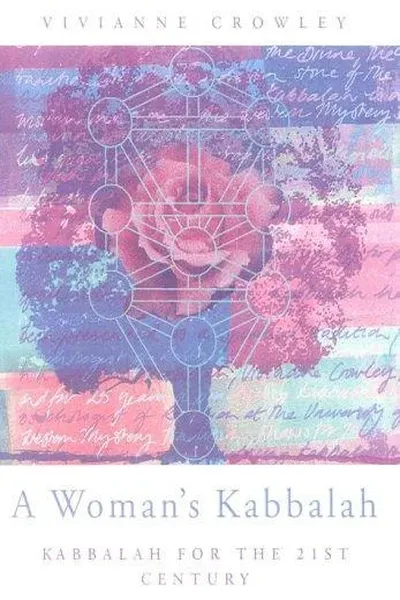





More Free Occult Philosophy Books
View all →