Hittite magical practices
 61
61

Hittite magical practices


Aurelia Blackwood (Occult Philosophy Critic) — David Herman Engelhard's 'Hittite Magical Practices' is a monumental achievement in the study of ancient esotericism. Engelhard masterfully deciphers the often-obscure Hittite magical texts, revealing a sophisticated system of spiritual technology and cosmic understanding. His work illuminates the practical application of magic in Hittite society, from warding off malevolent spirits to invoking divine favor. The depth of scholarship is profound, yet the presentation remains accessible, drawing the reader into the very essence of Hittite belief. This book is indispensable for anyone seeking to understand the roots of Western magical traditions and the enduring power of ritual. It offers unparalleled esoteric insights for both dedicated scholars and serious practitioners of the arcane arts.
📝 Description
61
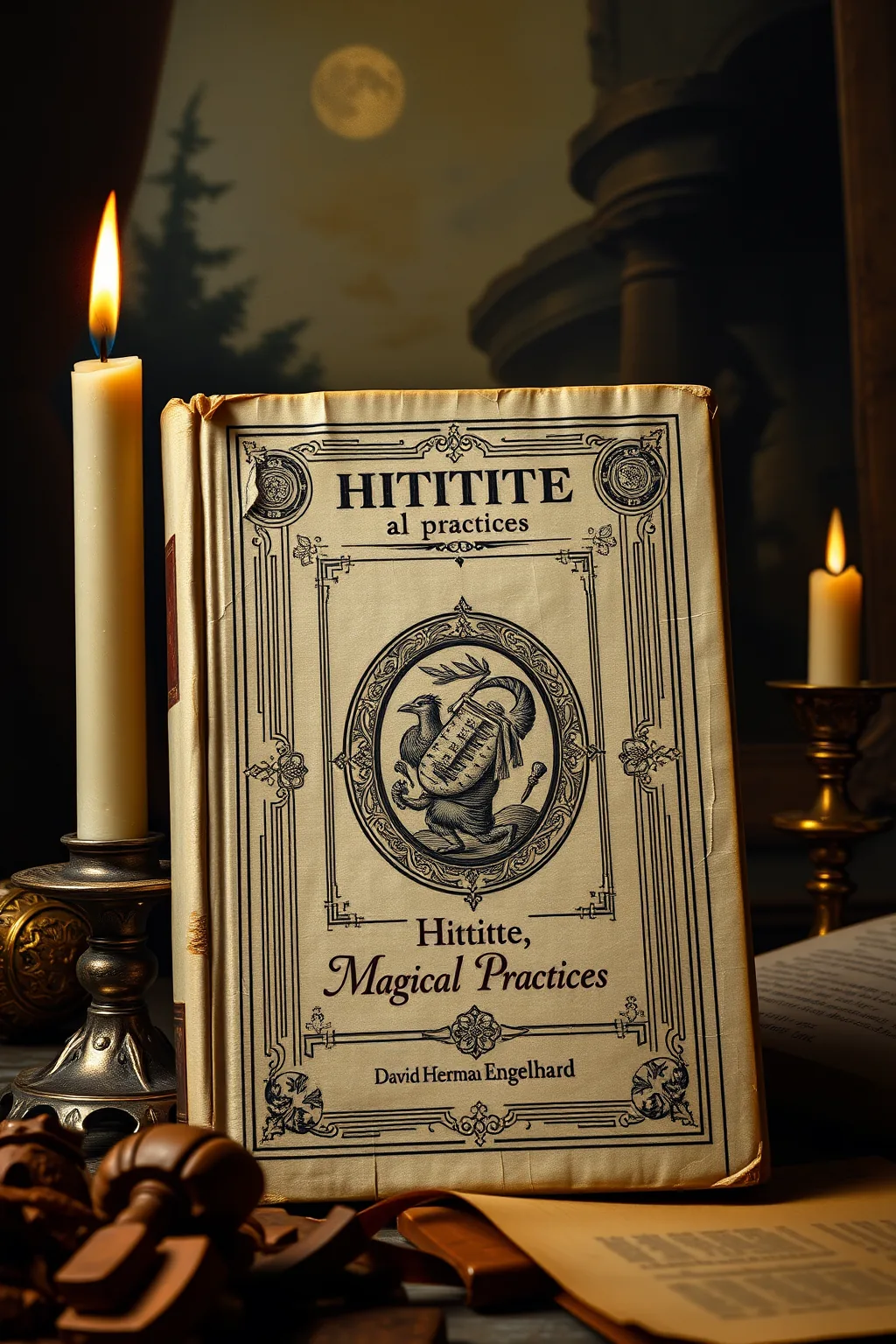
David Herman Engelhard’s 2019 study examines the magical practices of the Hittite Empire.
Engelhard's work focuses on the sorcery, divination, and ritual practices of the ancient Hittite civilization. The book details how these elements were interwoven with daily life and imperial authority in Anatolia. It examines ancient incantations, curses, and purification rites, explaining the symbolic language and conceptual frameworks behind Hittite magic. The research goes beyond a simple historical account to reveal a worldview where the divine and earthly were closely connected.
The book aims to illuminate how the manipulation of unseen forces was central to Hittite society. It presents a detailed look at a lost empire's spiritual endeavors. The author draws on historical evidence to reconstruct these practices, making them accessible to those interested in ancient beliefs and practices.
This book fits within the study of ancient Near Eastern magic and religion. It examines a specific historical culture's engagement with supernatural beliefs and ritualistic actions. Such studies often explore how civilizations sought to understand and influence their world through non-empirical means, connecting to broader traditions of magical thought that appear across many ancient societies. It provides a case study of how magical systems functioned within a complex imperial structure.
💡 Why Read This Book?
Uncover the forgotten magic of a Bronze Age superpower. 'Hittite Magical Practices' offers a rare window into ancient rituals and belief systems, revealing potent techniques for spiritual empowerment and cosmic understanding. Ideal for seekers of esoteric knowledge, historians of magic, and practitioners interested in foundational occult practices. Explore the deep roots of human spiritual technology and gain a unique perspective on the enduring power of ritual.
⭐ Reader Reviews
Honest opinions from readers who have explored this book.
❓ Frequently Asked Questions
What is the primary focus of Hittite magical practices?
The book centers on the diverse array of spells, incantations, divination methods, and ritualistic ceremonies employed by the Hittites to influence the natural and supernatural worlds, seeking protection, healing, and cosmic balance.
Are these practices still relevant today?
While the specific cultural context is ancient, the underlying principles of intention, symbolism, and energetic manipulation explored in Hittite magic resonate with many modern esoteric traditions, offering timeless wisdom for spiritual seekers.
What kind of texts are analyzed?
Engelhard examines a range of Hittite cuneiform tablets, including ritual instructions, incantations against illness and evil spirits, dream interpretation manuals, and texts related to divine appeasement and divination.
Is knowledge of the Hittite language required to understand this book?
No, Engelhard provides clear translations and explanations, making the complex subject matter accessible to readers without prior knowledge of the Hittite language, focusing on the conceptual and practical aspects of the magic.
Who would benefit most from reading this book?
Scholars of ancient history and religion, students of magic and occultism, and anyone fascinated by the spiritual practices of early civilizations will find immense value in this comprehensive study.
🔮 Key Themes & Symbolism
The Interconnectedness of the Cosmic and Mundane
This theme explores the Hittite worldview, where the boundaries between the physical and spiritual realms were porous. Magic was not an isolated practice but an integral part of understanding and interacting with the cosmos. The book details how Hittites believed their actions, through ritual and incantation, could directly influence the favor of gods, the course of natural events, and the fate of individuals and the state, demonstrating a profound belief in the efficacy of human intervention in divine affairs.
Symbology and Energetic Manipulation
Engelhard studies the rich symbolic language embedded within Hittite magical practices. From the potent meanings of specific herbs and materials to the arcane power of spoken words and gestures, the book illuminates how these elements were believed to carry and direct energetic forces. The understanding of how symbols acted as conduits for spiritual power, shaping reality through focused intent and ritualistic enactment, is a central revelation of this study.
The Practical Application of Ritual and Divination
Beyond theoretical frameworks, this theme highlights the highly practical nature of Hittite magic. The book showcases the meticulous instructions for conducting various rites, from healing ceremonies and purification rituals to elaborate divinatory practices aimed at discerning the will of the gods. It illustrates how these practices were woven into the fabric of Hittite governance, warfare, and personal life, serving as essential tools for navigating an unpredictable world and ensuring prosperity and security.
💬 Memorable Quotes
Direct passages from the work, attributed to the author.
“To know the name is to grasp the essence.”
— This highlights the ancient belief in the power of nomenclature, where understanding the true name or nature of a deity or force grants a degree of control or influence over it.
“The veil thins where the smoke rises.”
— This evocative phrase points to the liminal spaces created by ritual, where offerings and incantations were believed to facilitate communication between the mortal and divine realms.
“In the knot of the curse lies the seed of its undoing.”
— This suggests a duality inherent in magical workings, implying that even the most potent negative magic may contain within itself the elements for its own dissolution or counteraction.
“The gods listen to the carefully woven plea.”
— This emphasizes the importance of precision and artistry in prayer and ritual, indicating that a well-crafted and sincere appeal is more likely to be heard and answered by the divine.
💡 Key Ideas
Editorial paraphrase of the work's core concepts — not direct quotes.
The word is a seed, the ritual the soil.
This quote suggests the potent generative power of spoken spells, where the intention and form of the word, when combined with the structured action of ritual, can manifest desired outcomes.
🌙 Esoteric Significance
Tradition
The study of Hittite magical practices bridges the gap between ancient Near Eastern polytheism and the broader spectrum of Western esotericism. It reveals an early form of 'occult science' focused on understanding and manipulating cosmic forces through ritual, divination, and symbolic language. This tradition predates many later mystery cults and philosophical systems, offering insights into foundational principles of sympathetic magic and the power of intent that echo through Hermeticism, Kabbalah, and modern ceremonial magic.
Symbolism
Hittite magic is steeped in potent symbolism, from the sacredness of specific natural elements like water, fire, and metals, to the symbolic actions performed in rituals. Animals, plants, and even abstract concepts held deep meaning and were employed in incantations and offerings to represent desired outcomes or to ward off malevolent influences. The deciphering of these symbolic correspondences provides a key to understanding the Hittite perception of reality and their methods of interacting with the divine and unseen forces.
Modern Relevance
The enduring fascination with ancient magical systems lies in their exploration of universal human desires: control over destiny, understanding the unseen, and achieving spiritual harmony. Hittite magical practices, as presented by Engelhard, offer a historical case study of these pursuits. Modern practitioners and scholars can draw parallels in the principles of focused intent, the use of symbolic language, and the structured application of ritual to achieve transformative effects, providing a rich source of inspiration and comparative study for contemporary spiritual paths.
👥 Who Should Read This Book
This book is a treasure for anyone looking at the arcane depths of human history and spirituality. Scholars of ancient civilizations, particularly those interested in Anatolian history, religion, and the origins of magic, will find Engelhard's rigorous scholarship invaluable. Occultists and practitioners of magical arts seeking to understand the foundational roots of their disciplines will be captivated by the practical applications and theoretical underpinnings of Hittite sorcery. Armchair enthusiasts of ancient mysteries and seekers of esoteric knowledge will discover a fascinating, previously hidden world of ritual and belief, offering clear insights into the human quest for power and understanding.
📜 Historical Context
The Hittite Empire flourished in Anatolia during the Late Bronze Age (c. 1600–1178 BCE), a period of complex geopolitical interactions involving major powers like Egypt, Assyria, and Mycenaean Greece. Their civilization was a melting pot of cultures, adopting and adapting traditions from Mesopotamia and the Near East, which profoundly influenced their religious and magical practices. The Hittites developed a unique Indo-European language and a sophisticated administrative system, evident in their extensive archives of cuneiform tablets. Their religious pantheon was vast, incorporating numerous deities from conquered peoples, and magic played a central role in their statecraft, warfare, and daily life. Understanding Hittite magic offers a vital perspective on early forms of ritualistic technology and their impact on the development of subsequent religious and esoteric thought in the ancient world.
📔 Journal Prompts
Reflect on a time when you felt a strong connection between your actions and their perceived 'magical' outcome.
Consider the symbolism of a natural element (water, fire, earth, air) in your life and how it might be invoked in ritual.
If you could perform one Hittite ritual for protection or prosperity, which would it be and why?
How do ancient concepts of divine intervention compare to your personal beliefs about fate and free will?
Explore the power of a specific spoken word or phrase that holds personal significance for you, considering its potential energetic impact.
🗂️ Glossary
Cuneiform
An ancient Mesopotamian writing system characterized by wedge-shaped marks impressed on clay tablets. The Hittites adapted this script for their own language, preserving vast archives of their texts.
Incantation
A spoken charm or spell, often recited in a ritualistic manner, believed to possess magical power to affect outcomes, heal, or ward off harm.
Divination
The practice of seeking knowledge of the future or the unknown by supernatural means, such as interpreting omens, dreams, or the entrails of sacrificed animals.
Sympathetic Magic
A type of magic based on the belief that like affects like, or that a cause affects its effect through a mystical connection. For example, harming an effigy to harm the person it represents.
Anatolia
The geographical region in Western Asia comprising most of modern-day Turkey. It was the heartland of the Hittite civilization.
This book appears in 3 collections
🔮 Readers Also Liked
Browse all →





From the “Ritual Magic” Collection
View all →





More Free Magic & Ritual Books
View all →