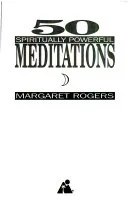
50 Spiritually Powerful Meditations
 81
81

50 Spiritually Powerful Meditations
Margaret Rogers’ "50 Spiritually Powerful Meditations" offers a pragmatic compendium for those embarking on or deepening their contemplative practice. The strength of the collection lies in its sheer variety; the fifty distinct exercises provide a broad palette of techniques, from simple breath awareness to more visualization-heavy practices. I found the meditation titled "Connecting with Inner Wisdom" particularly effective, offering a clear structure for accessing intuitive guidance without resorting to overly esoteric language. However, the book’s primary limitation is its generality. While accessible, the meditations sometimes lack the specific symbolic depth or historical grounding found in more tradition-specific texts, such as those emerging from the Hermetic tradition or Buddhist Vipassanā. This broad approach, while inclusive, may leave seasoned practitioners yearning for more nuanced exploration. Ultimately, "50 Spiritually Powerful Meditations" serves as a solid, if somewhat generic, toolkit for cultivating inner stillness.
📝 Description
81
Margaret Rogers published "50 Spiritually Powerful Meditations" in 1993, offering guided contemplative practices.
This book provides fifty distinct guided meditations designed for spiritual awareness and personal growth. Each exercise is presented as a self-contained experience, making it accessible to individuals regardless of their previous experience with meditation. The collection is well-suited for those looking to establish a regular meditation practice and deepen their inner spiritual life. It offers clear, actionable guidance for self-reflection and stress reduction. Beginners will find an accessible entry point to contemplative disciplines, while more experienced practitioners can use the diverse techniques to enhance their existing routines.
The central idea involves the systematic use of fifty different meditative techniques to aid spiritual development. Each meditation is crafted to lead the practitioner toward a specific state of awareness, such as fostering peace, improving intuition, or cultivating gratitude. The work highlights how consistent practice can bring about internal change, viewing meditation as more than just relaxation. It is presented as a potent method for spiritual evolution and self-discovery.
Released in 1993, "50 Spiritually Powerful Meditations" appeared as interest in New Age spirituality and alternative wellness grew. This period saw Eastern contemplative techniques become more widely known in Western culture, often adapted for secular use or integrated into broader spiritual paths. The book fits this trend by presenting accessible methods that align with a general spiritual seeking common in the late 20th century, separate from specific religious doctrines.
💡 Why Read This Book?
• Gain a diverse array of 50 unique meditative techniques, offering a broad spectrum of practices that move beyond common mindfulness exercises, as seen in meditations like "Cultivating Inner Peace". • Develop a consistent and adaptable meditation habit with clear, step-by-step instructions, making it easier to integrate self-reflection into daily life, a key takeaway from the book's structured approach. • Explore accessible methods for spiritual self-discovery without requiring prior deep knowledge of complex esoteric systems, as demonstrated by the straightforward guidance provided throughout the 1993 publication.
⭐ Reader Reviews
Honest opinions from readers who have explored this book.
❓ Frequently Asked Questions
What is the primary goal of the meditations in Margaret Rogers' book?
The primary goal is to guide individuals toward spiritual awareness and personal growth through 50 distinct contemplative practices. The book aims to foster inner exploration and self-discovery.
Is "50 Spiritually Powerful Meditations" suitable for complete beginners?
Yes, the book is designed to be accessible to beginners. Each meditation offers clear, actionable guidance that doesn't require prior extensive experience with meditation techniques.
When was "50 Spiritually Powerful Meditations" first published?
The book was first published in 1993, reflecting a period of increased interest in self-help and spiritual exploration practices.
Does the book require adherence to a specific religious doctrine?
No, the meditations are presented in a general spiritual context, making them suitable for individuals of various beliefs or those seeking non-denominational spiritual development.
What kind of practices can one expect in the book?
The book includes a wide range of practices, from breath awareness and body scans to visualization and mindfulness exercises, all aimed at deepening spiritual connection.
How does this book compare to other meditation guides from the 1990s?
Published in 1993, it aligns with the era's trend of making spiritual practices widely accessible, offering a comprehensive yet straightforward collection compared to some more specialized or academically focused works.
🔮 Key Themes & Symbolism
Cultivating Inner Stillness
The central theme revolves around the deliberate cultivation of inner stillness as a gateway to spiritual insight. Rogers emphasizes that through consistent practice, individuals can quiet the mental chatter that often obscures deeper awareness. The book provides specific techniques, such as focused breathing exercises and body scan meditations, designed to anchor the practitioner in the present moment. This focus on stillness is not mere relaxation but a foundational state from which clarity and spiritual connection can emerge, as detailed across multiple exercises.
Accessible Spiritual Exploration
This work champions an inclusive approach to spirituality, making contemplative practices available to a broad audience. It sidesteps complex theological doctrines or strict adherence to specific traditions, focusing instead on universal principles of self-awareness and inner connection. The meditations are designed for ease of use, ensuring that individuals without prior esoteric knowledge can engage meaningfully with the material. This accessibility was a hallmark of spiritual literature in the 1990s, broadening the reach of contemplative disciplines.
Personal Growth Through Practice
The book posits that consistent engagement with its fifty meditations is a direct pathway to profound personal growth. Each exercise is framed as an opportunity to develop specific inner qualities, whether it be patience, gratitude, or intuition. The cumulative effect of these practices is presented as transformative, leading to a more centered and spiritually enriched life. The emphasis is on the active role of the practitioner in their own development, facilitated by the structured guidance within the text.
The Power of the Present Moment
A recurring motif is the importance of present-moment awareness as the locus of spiritual experience. Many meditations guide the practitioner to focus on sensory input, breath, or bodily sensations as anchors in the here and now. This deliberate anchoring is presented as a means to disengage from rumination on the past or anxiety about the future, thereby opening up a space for direct spiritual perception and a richer experience of life as it unfolds.
💬 Memorable Quotes
Direct passages from the work, attributed to the author.
“Stillness is not an absence, but a presence of awareness.”
— This interpretation highlights that true stillness in meditation isn't about emptiness, but about cultivating a deep, alert consciousness that transcends ordinary mental activity.
“Each meditation is a door to a different aspect of yourself.”
— This suggests that the collection offers a variety of pathways, implying that different exercises will unlock distinct potentials or facets of the practitioner's inner being.
“Begin where you are, with what you have.”
— This encourages self-acceptance and removes barriers to starting a practice, emphasizing that the journey begins with the individual's current state, not an idealized one.
“The journey inward is as real as any outward path.”
— This validates the significance of inner exploration, equating its reality and importance to external achievements or travels, underscoring the profound nature of self-discovery.
“Find the quiet center within the storm.”
— This metaphor suggests that spiritual practice provides a stable, unshakeable core of peace that can be accessed even amidst life's challenges and turmoil.
🌙 Esoteric Significance
Tradition
While not strictly tied to a singular esoteric lineage, "50 Spiritually Powerful Meditations" draws heavily from universal contemplative practices found across many spiritual traditions, including Hermeticism's focus on inner alchemy and Gnosticism's emphasis on direct inner knowing. It functions as a secularized gateway, offering methods that resonate with core principles of self-awareness and spiritual ascent without requiring adherence to specific doctrines. The book’s approach aligns with the modern esoteric movement's tendency to extract and present practical techniques applicable to individual spiritual development.
Symbolism
The book’s symbolism is often understated, relying on archetypal imagery within the meditations themselves. For instance, the concept of a "quiet center" functions symbolically as the unshakeable Self or divine spark within, a common motif in Hermetic and mystical traditions. The "inner light" or "inner wisdom" invoked in various exercises represents the divine immanence or higher consciousness accessible through focused introspection, mirroring the Hermetic principle of "As Above, So Below" applied to the microcosm of the human psyche.
Modern Relevance
Contemporary mindfulness movements and secularized meditation apps owe a debt to works like Rogers'. While lacking the specific theoretical frameworks of older traditions, its emphasis on accessible, repeatable techniques for stress reduction and self-awareness remains highly relevant. Thinkers and practitioners in positive psychology and wellness coaching often utilize similar methodologies. Its legacy lies in popularizing a practical, non-dogmatic approach to inner work that paved the way for the widespread adoption of meditation in mainstream culture.
👥 Who Should Read This Book
• Aspiring meditators seeking a comprehensive introduction to various contemplative techniques without the complexity of specialized traditions. • Individuals looking for practical tools to manage stress and cultivate inner peace, benefiting from the book’s structured approach to mindfulness and self-reflection. • Those interested in personal development and spiritual exploration who prefer accessible guidance that emphasizes universal principles over specific religious dogma.
📜 Historical Context
Margaret Rogers' "50 Spiritually Powerful Meditations," first published in 1993, arrived during a vibrant period for popular spirituality. The late 20th century witnessed a significant influx of Eastern contemplative techniques and New Age philosophies into Western culture, often adapted for broader appeal. This era saw figures like Deepak Chopra gaining widespread recognition for popularizing concepts of mind-body connection and spiritual wellness. Rogers' work fits within this milieu, offering accessible, non-denominational practices that mirrored the era's general interest in self-discovery and inner peace, distinct from the more structured, dogmatic approaches of established religions. Unlike academic explorations of meditation or specific Buddhist or Hindu traditions, the book aimed for a universal spiritual experience, reflecting a common trend in the 1990s to synthesize diverse spiritual ideas into practical self-help formats. The reception was likely positive among those seeking secular or broadly spiritual guidance, aligning with a cultural shift towards personal empowerment through inner work.
📔 Journal Prompts
Reflect on the "quiet center" concept: How does it manifest in your daily life?
Consider the "door to a different aspect of yourself" metaphor: Which meditation offered the most surprising insight?
Explore the idea of "stillness as a presence": How did the "Cultivating Inner Peace" meditation shift your perception of quiet?
Identify one practice from the book that you can integrate into your routine for consistent personal growth.
Analyze the "journey inward" concept: What obstacles did you encounter while practicing the "Connecting with Inner Wisdom" meditation?
🗂️ Glossary
Contemplative practice
Exercises designed to foster deep thought, reflection, and spiritual awareness, often involving focused attention and introspection to achieve a state of mental clarity or inner peace.
Inner awareness
A state of heightened consciousness focused on one's internal landscape, including thoughts, emotions, sensations, and spiritual intuition, cultivated through practices like meditation.
Spiritual connection
A sense of profound connection to oneself, others, nature, or a higher power, often experienced during deep meditative states or through dedicated spiritual practices.
Self-discovery
The process of gaining deeper understanding of one's own character, motivations, and potential through introspection, experience, and spiritual exploration.
Mindfulness
A mental state achieved by focusing one's awareness on the present moment, while calmly acknowledging and accepting one's feelings, thoughts, and bodily sensations.
Intuition
The ability to understand something immediately, without the need for conscious reasoning; often referred to as inner knowing or gut feeling, cultivated through practices that quiet the analytical mind.
Inner stillness
A state of profound mental and emotional calm achieved through meditation, characterized by reduced mental chatter and a heightened sense of presence and peace.
This book appears in 1 collection
🔮 Readers Also Liked
Browse all →








From the “Spirit Guides” Collection
View all →







More Free Occult Philosophy Books
View all →