Book of Shadows
 71
71

Book of Shadows
Migene González-Wippler's "Book of Shadows" tackles the challenge of explaining Gardnerian Witchcraft with a commendably direct approach. The book excels in laying out the structural elements of the tradition—its pantheon, priesthood, and calendar—in a manner that is accessible to the uninitiated. A particularly strong section is the explanation of the mechanics of magic and its perceived efficacy, moving beyond vague pronouncements to offer a rationale within the Craft's framework. However, the work occasionally feels more like a procedural manual than a deeply spiritual exploration. While it clarifies 'how' and 'why' within the Gardnerian system, it sometimes lacks the evocative quality that might draw a reader into the lived experience of the Craft. The book's primary strength lies in its clarity and its grounding in a specific, historical tradition.
📝 Description
71
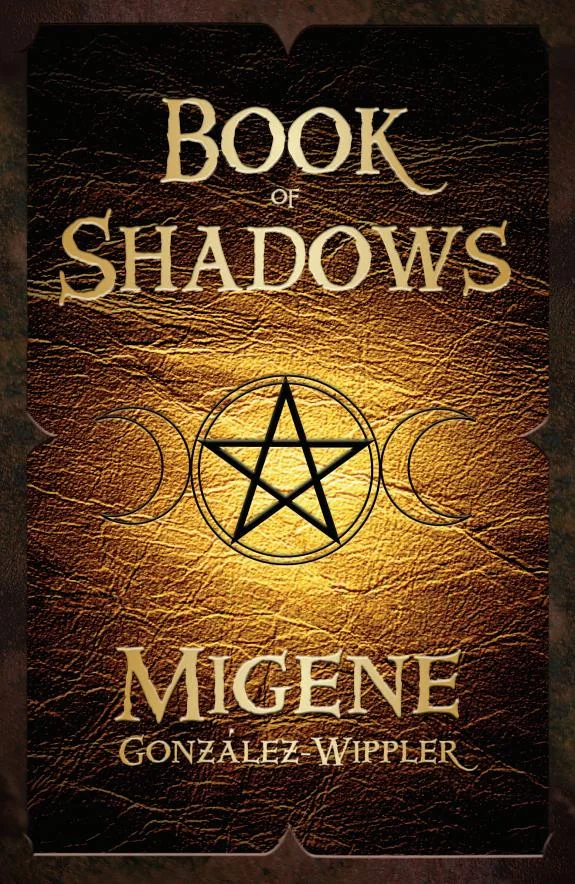
Migene González-Wippler's Book of Shadows, published in 2005, explains Gardnerian Witchcraft.
Migene González-Wippler's Book of Shadows provides a direct look at Gardnerian Witchcraft, aiming to clear up misunderstandings about its practices. The book covers the organized parts of this spiritual path, including its gods, trained priests and priestesses, yearly festivals, set ceremonies, and rules of conduct. It is a central text for grasping the structured side of the "Old Religion."
This book is for people curious about how modern Witchcraft works and what its followers believe, especially those outside the tradition. It is useful for beginners wanting to understand Wicca's rituals, magical practices, and core ideas. Anyone interested in comparing different religions or specific esoteric paths will find its detailed explanations helpful. The work explains the main ideas of Gardnerian Witchcraft, such as covens, how initiation works, and how magic is used practically. It tackles the basic question of why magic is thought to work in this system. The explanations are made to be easy to follow, simplifying complex concepts for those new to the Craft.
Published in 2005, this work enters the field of Western esotericism by detailing the Gardnerian tradition of Witchcraft. This specific lineage, founded by Gerald Gardner in the mid-20th century, is presented as an organized spiritual system. The book's context is important for understanding its place among other contemporary pagan and esoteric movements, particularly during a time of growing but often misunderstood interest in these practices.
💡 Why Read This Book?
• Gain a clear, structured understanding of Gardnerian Witchcraft, including its deities, rituals, and ethical codes, as presented in the book's detailed exploration of the "Old Religion." • Learn the mechanics and underlying philosophy of magic within this specific tradition, addressing questions about how and why magical workings are believed to be effective, as detailed in the text's explanations. • Understand the specific context of Witchcraft's public perception in the early 2000s and how González-Wippler's work, first published in 2005, aimed to clarify misconceptions about the Craft.
⭐ Reader Reviews
Honest opinions from readers who have explored this book.
❓ Frequently Asked Questions
What is the primary focus of Migene González-Wippler's "Book of Shadows"?
The book primarily focuses on providing a straightforward introduction to Gardnerian Witchcraft, demystifying its practices, beliefs, and structure for those unfamiliar with the "Old Religion."
When was "Book of Shadows" by Migene González-Wippler first published?
The first publication of "Book of Shadows" by Migene González-Wippler was in 2005.
What specific tradition of Witchcraft does the book address?
The book specifically addresses the Gardnerian tradition of Witchcraft, offering explanations from this particular perspective.
Does the book explain how magic works within Witchcraft?
Yes, the "Book of Shadows" explores the underlying principles and perceived efficacy of magic within the Gardnerian framework, addressing questions about its practice.
Who is the intended audience for this book?
The intended audience includes newcomers to Witchcraft, individuals curious about Paganism, and those seeking a clear, structured explanation of Wiccan beliefs and rituals.
What kind of information can readers expect regarding Witchcraft practices?
Readers can expect detailed information on coven meetings, magic performance, initiation rites, deities, priests, holidays, and the rules of the Craft.
🔮 Key Themes & Symbolism
Structure of the Old Religion
The work meticulously details the organizational aspects of Gardnerian Witchcraft, framing it as an "Old Religion" with defined components. This includes its pantheon of deities, the roles of priests and priestesses, the cyclical observance of holidays, and the performance of specific rituals. González-Wippler emphasizes that, like other religions, Witchcraft possesses a structured framework, aiming to correct common misconceptions about its perceived formlessness or chaos.
The Practice and Efficacy of Magic
A central theme is the practical application of magic within the Craft. The book addresses not only how Witches perform magic but also explores the underlying reasons for its efficacy. It seeks to clarify the process, presenting magic as a reasoned practice within the Gardnerian worldview, rather than mere superstition or fantasy.
Initiation and Coven Life
The text explores the significance of initiation rites as a formal entry into the tradition. It also sheds light on the dynamics of coven meetings, detailing what transpires within these gatherings. This focus on initiation and communal practice highlights the importance of structured community and spiritual progression within Gardnerian Witchcraft.
Clarifying Witchcraft
Throughout the book, a consistent effort is made to clarify Witchcraft for a broader audience. By presenting the "Old Religion" through its established structures, rituals, and beliefs, González-Wippler aims to counter the unknown or misunderstood aspects often associated with being a Witch, particularly for non-Pagans.
💬 Memorable Quotes
Direct passages from the work, attributed to the author.
“Witchcraft has its deities, priests, holidays, rituals, and rules.”
— This statement establishes the book's premise: that Witchcraft, specifically the Gardnerian tradition discussed, is a structured religion with discernible components, comparable to more widely recognized faiths.
“What goes on at coven meetings?”
— This question directly addresses a common point of curiosity and speculation regarding Witchcraft, signaling the book's intent to provide factual, insider information about group practices.
“How do Witches perform magic?”
— This highlights the book's focus on the practical mechanics of magical workings within the Craft, aiming to explain the process and its underlying principles.
“Why does magic work?”
— This probes the philosophical and theoretical underpinnings of magic in Witchcraft, indicating the book's intention to explore the perceived reasons for its efficacy.
“From initiation rites to...”
— This phrase suggests the book covers the full spectrum of a Witch's journey, from formal entry into the tradition through initiation to other significant aspects of practice and belief.
🌙 Esoteric Significance
Tradition
The "Book of Shadows" firmly situates itself within the Western Esoteric tradition, specifically the Gardnerian branch of Wicca. This lineage, established by Gerald Gardner, draws upon earlier magical traditions and folk practices, synthesizing them into a distinct religious framework. González-Wippler's work adheres to this established structure, departing from more individualistic or syncretic magical paths by focusing on the formalized tenets of this particular coven-based system.
Symbolism
While not explicitly detailing a vast array of symbols, the book's focus on ritual and structure inherently engages with the symbolism of the Craft's practices. Concepts like the "Book of Shadows" itself (the written record of rituals and lore), the athame (ritual knife), and the Wheel of the Year (representing seasonal cycles) are foundational, even if not exhaustively analyzed. These elements symbolize the sacred tools, the connection to nature's cycles, and the transmission of knowledge within the tradition.
Modern Relevance
González-Wippler's work remains relevant for contemporary practitioners and scholars interested in the historical development and specific practices of Gardnerian Witchcraft. It serves as a clear reference point for understanding a foundational modern Pagan tradition, informing discussions on Wiccan history and comparative religious studies. Modern eclectic Witches and those exploring traditional witchcraft often reference Gardnerian principles, making this text a valuable, albeit specific, resource for contextual understanding.
👥 Who Should Read This Book
• Aspiring Witches seeking a clear, structured introduction to the Gardnerian tradition, focusing on its historical context and defined practices. • Individuals interested in comparative religion or the study of modern esoteric movements who wish to understand a specific Wiccan lineage. • Curious non-Pagans who have encountered misconceptions about Witchcraft and desire factual, explained explanations of its rituals, beliefs, and magical workings.
📜 Historical Context
Published in 2005, Migene González-Wippler's "Book of Shadows" emerged during a period of burgeoning public interest in Paganism and Wicca, yet significant misconceptions persisted. The work's grounding in the Gardnerian tradition, initiated by Gerald Gardner in the mid-20th century, positions it within a specific lineage of modern Witchcraft. This was a time when authors like Doreen Valiente were memorializing early Wiccan history, and various interpretations of the Craft coexisted. González-Wippler's contribution aimed to clarify the structured, ritualistic aspects of the "Old Religion" for a growing, yet often uninformed, audience, contrasting with more eclectic or neo-pagan approaches gaining traction. The book's reception likely contributed to the ongoing discourse differentiating historical Gardnerian practices from other contemporary Pagan expressions.
📔 Journal Prompts
Reflect on the structure of deities, priests, holidays, rituals, and rules as presented for the "Old Religion."
Consider the explanations provided for why magic works within the Gardnerian framework.
Analyze the role and significance of initiation rites as described in the text.
Explore the dynamics and purpose of coven meetings based on the book's insights.
Compare the presentation of Witchcraft in this book to common public perceptions.
🗂️ Glossary
Book of Shadows
The traditional grimoire or record book containing the rituals, lore, and magical practices of a coven or individual Witch. It serves as a repository of sacred knowledge passed down through generations.
Gardnerian Witchcraft
A specific tradition of modern Witchcraft founded by Gerald Gardner in the mid-20th century, characterized by its coven structure, specific rituals, and emphasis on initiation.
Old Religion
A term often used within Wicca and other Pagan traditions to refer to pre-Christian European nature-based spiritual paths, particularly Witchcraft, suggesting an ancient lineage.
Coven
A group or congregation of Witches, typically consisting of thirteen members or fewer, who gather for rituals, magical workings, and communal practice.
Priest/Priestess
An ordained practitioner within a Witchcraft tradition responsible for leading rituals, teaching, and guiding the coven or members.
Initiation Rites
Ceremonies that formally admit a new member into a Witchcraft tradition or coven, marking their commitment and progression within the Craft.
Magic
The practice of influencing events or achieving desired outcomes through supernatural or perceived supra-natural means, as understood and applied within the specific framework of Witchcraft.
This book appears in 1 collection
🔮 Readers Also Liked
Browse all →









From the “Book of Shadows” Collection
View all →




More Free Occult Philosophy Books
View all →