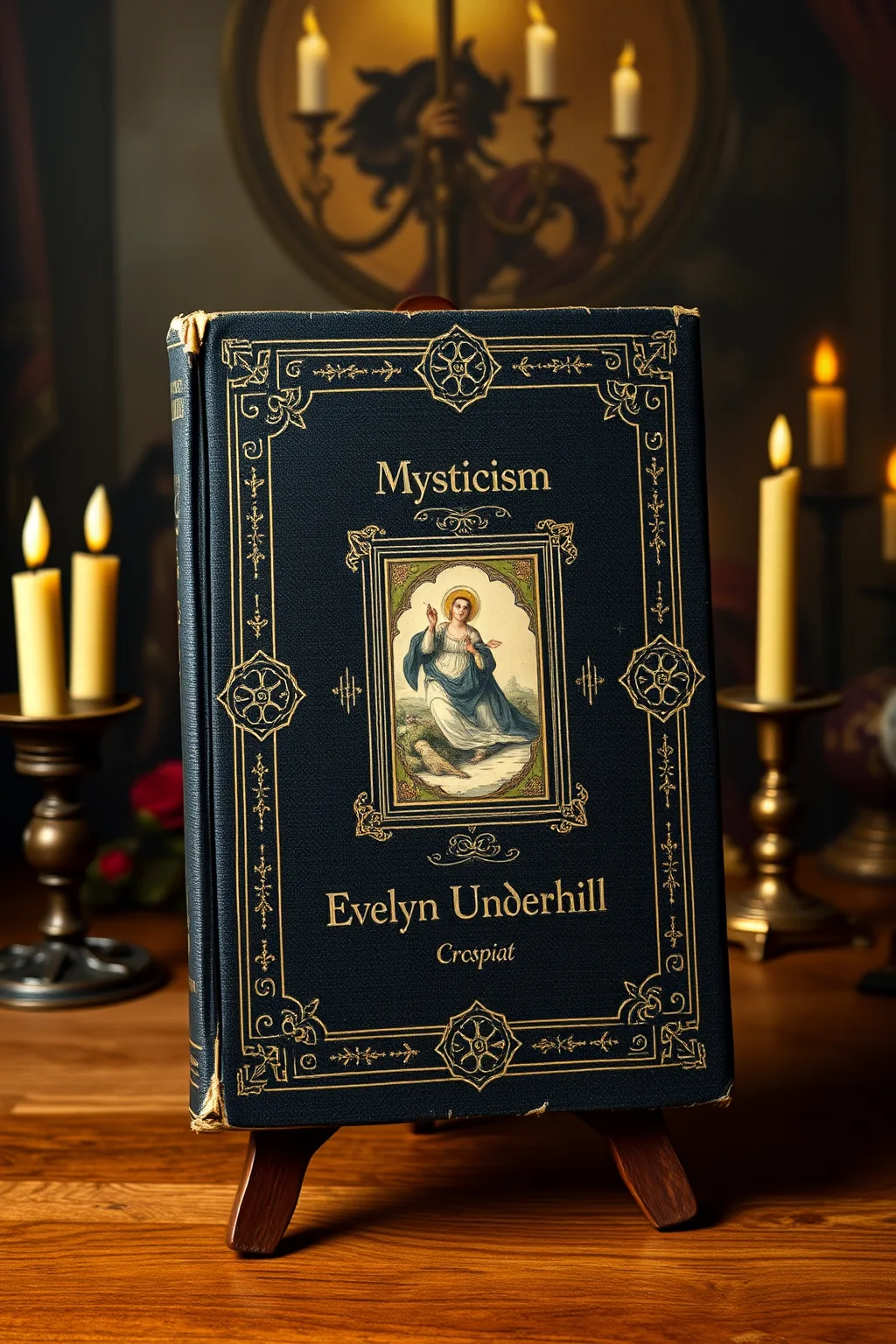
The Shiva Samhita

 71
71

The Shiva Samhita



Marcus Thorne (Esoteric Sciences Reviewer) — 'The Shiva Samhita: A Critical Edition' is an indispensable cornerstone for any serious student of esoteric yoga. This meticulously rendered translation pierces through the veil of ancient Sanskrit to reveal the raw, potent teachings on liberation and non-dual philosophy. It stands as the undisputed bedrock of Hatha Yoga, offering practical insights and profound metaphysical wisdom. Its strength lies in its directness, presenting Shiva's own words as a guide to inner awakening. Essential for practitioners seeking authentic Hatha Yoga roots and scholars investigating the philosophical depths of yogic traditions.
📝 Description
71
Published in 1914, this critical edition presents the Shiva Samhita, a key text in Hatha Yoga.
The Shiva Samhita, a significant Hatha Yoga text, details practices aimed at spiritual liberation. It discusses the subtle body, including nadis and chakras, and their manipulation for advanced states of consciousness. The work elaborates on pranayama techniques, bandhas, and mudras, outlining their effects on both physical and spiritual well-being. It also touches upon philosophical concepts related to non-dualism and the nature of reality as perceived through yogic disciplines.
This critical edition makes the text accessible to those interested in the historical and philosophical underpinnings of yoga. It aims to clarify the original teachings on achieving union through disciplined practice. The Samhita offers instructions for those who wish to understand the energetic and mental processes involved in transcending ordinary perception.
The Shiva Samhita belongs to the Tantric tradition of Hatha Yoga, which flourished in India from the medieval period onwards. Unlike earlier yogic texts that focused primarily on meditation and philosophical insight, Hatha Yoga texts like the Shiva Samhita emphasized the physical body as a vehicle for spiritual attainment. They detailed specific techniques, including postures, breath control, and purification rituals, designed to awaken latent energies and achieve higher states of consciousness. This emphasis on bodily discipline as a path to liberation marks a significant development in the history of Indian spiritual practices.
✍️ Author
A Critical Edition
The Castle (German: Das Schloss, also spelled Das Schloß [das ˈʃlɔs]) is the last novel by Franz Kafka, first published in 1926. In it, a protagonist known only as "K.
💡 Why Read This Book?
Uncover the foundational wisdom of Hatha Yoga, explore advanced philosophical concepts of non-dual Vedanta, and gain direct access to the esoteric teachings of Lord Shiva. Ideal for dedicated practitioners seeking deeper understanding, scholars of ancient traditions, and spiritual seekers ready for profound self-discovery. This text offers a map to liberation and the realization of the divine within.
⭐ Reader Reviews
Honest opinions from readers who have explored this book.
❓ Frequently Asked Questions
What is the primary focus of the Shiva Samhita?
The Shiva Samhita primarily focuses on the path to liberation (moksha) through various yogic practices, philosophical insights, and the understanding of non-dual Vedanta, as transmitted through the teachings of Lord Shiva.
Is this book suitable for beginners in yoga?
While the Shiva Samhita is a foundational text, its depth requires dedicated study. Beginners may find it beneficial to approach it with guidance from experienced teachers or supplementary materials, but its core teachings are accessible to earnest seekers.
What is the significance of 'A Critical Edition'?
A 'Critical Edition' signifies that this version is based on rigorous scholarly analysis of multiple ancient manuscripts, aiming to provide the most accurate and authentic rendition of the original text, free from scribal errors or later interpolations.
How does the Shiva Samhita relate to Hatha Yoga?
The Shiva Samhita is considered one of the most important root texts of Hatha Yoga, detailing its philosophical underpinnings, yogic techniques, and the ultimate goals of practice, including the awakening of Kundalini and the attainment of liberation.
What does 'non-dual Vedanta' refer to in this context?
Non-dual Vedanta, as presented in the Shiva Samhita, emphasizes the ultimate oneness of reality, asserting that the individual self (Atman) is identical with the universal consciousness (Brahman), and that perceived separation is an illusion.
🔮 Key Themes & Symbolism
The Path to Liberation (Moksha)
The Shiva Samhita meticulously outlines various paths and methods for achieving spiritual liberation, known as Moksha. It moves beyond mere physical postures, looking at the profound philosophical concepts and contemplative practices that dissolve the illusion of separation and lead to the realization of one's true, divine nature. This theme emphasizes the ultimate goal of yogic disciplines – freedom from the cycle of birth and death and the attainment of eternal bliss and knowledge.
Non-Dual Vedantic Philosophy
A central pillar of the Shiva Samhita is its exposition of non-dual Vedanta. This philosophical framework posits the absolute oneness of all existence, where the individual soul (Atman) is indistinguishable from the universal consciousness (Brahman). The text guides the reader to understand the illusory nature of the perceived duality in the world and to recognize the divine essence that pervades all beings and phenomena. This understanding is crucial for transcending egoic limitations and realizing ultimate truth.
The Esoteric Science of Hatha Yoga
Considered a foundational scripture, the Shiva Samhita provides useful insights into the esoteric science of Hatha Yoga. It transcends the common perception of yoga as solely physical exercise, revealing its intricate connection to breath control (pranayama), energy channels (nadis), vital force (prana), and the awakening of the dormant spiritual energy (Kundalini). The text serves as a comprehensive guide to the body-mind complex as a vehicle for spiritual transformation and enlightenment.
💬 Memorable Quotes
Direct passages from the work, attributed to the author.
“He who knows the truth of the Guru, knows the truth of Shiva.”
— This highlights the paramount importance of a true spiritual teacher in guiding one towards the realization of divine truth, emphasizing that authentic knowledge comes through lineage and direct transmission.
“The body is the temple of the divine.”
— This profound statement underscores the sacredness of the physical form, not as a mere vessel, but as the very dwelling place of the divine consciousness, urging practitioners to honor and purify it.
“Liberation is attained through the union of Shiva and Shakti.”
— This refers to the Tantric concept of integrating the masculine (Shiva) and feminine (Shakti) energies within oneself, symbolizing the balance of consciousness and energy required for spiritual realization.
“Where there is knowledge, there is no ignorance.”
— This emphasizes the transformative power of true spiritual knowledge, which dispels the darkness of ignorance and illusion, leading to clarity and enlightenment.
“The mind is the cause of bondage and liberation.”
— This points to the crucial role of the mind in spiritual practice, suggesting that by mastering and purifying the mind, one can overcome limitations and achieve freedom.
🌙 Esoteric Significance
Tradition
The Shiva Samhita is a cornerstone text within the Tantric and Hatha Yoga traditions. It represents a significant articulation of yogic philosophy and practice, drawing deeply from Shaivite philosophy and the esoteric understanding of the human body as a microcosm of the universe. It is considered a primary source for understanding the tantric path to liberation and the fundamental principles of Hatha Yoga.
Symbolism
Key symbols include Lord Shiva as the ultimate consciousness, Shakti as the dynamic creative energy, the chakras as energetic centers within the subtle body, and the Sushumna nadi as the central channel for Kundalini ascent. The text also employs symbolic language to describe the dissolution of ego, the awakening of inner awareness, and the union of the individual soul with the divine.
Modern Relevance
In contemporary times, the Shiva Samhita remains profoundly relevant for its comprehensive approach to spiritual development. It offers timeless wisdom for working through the complexities of modern life, providing tools for stress reduction, mental clarity, and emotional balance through yogic practices. Its philosophical depth continues to inspire seekers and scholars interested in the profound questions of existence and consciousness, bridging ancient wisdom with contemporary spiritual aspirations.
👥 Who Should Read This Book
This critical edition is useful for serious yoga practitioners seeking to deepen their understanding of Hatha Yoga's roots beyond asana. Scholars of Eastern religions, philosophy, and esoteric traditions will find it an essential primary source. Spiritual seekers yearning for a direct connection to ancient wisdom and the path to self-realization will discover profound guidance. Additionally, those interested in the philosophical underpinnings of consciousness and liberation will find its non-dual Vedantic discourse clear. It is a text for the dedicated student ready to engage with profound truths.
📜 Historical Context
The Shiva Samhita likely emerged between the 13th and 17th centuries CE, a period of rich philosophical and yogic development in India. This era saw a flourishing of Tantric traditions and diverse schools of Hatha Yoga, often challenging orthodox Brahmanical views. Texts like the Shiva Samhita represent a synthesis of these evolving practices and philosophies, aiming to provide accessible yet profound pathways to spiritual realization for a wider audience. It stands as a evidence of the enduring quest for self-knowledge and liberation that characterized Indian spiritual thought, offering insights into the cultural and intellectual milieu from which these powerful teachings arose.
📔 Journal Prompts
Reflect on a moment you felt a profound sense of oneness with the universe. What triggered this feeling, and how did it impact your perception?
How does the concept of the body as a 'temple of the divine' influence your daily practices and self-care?
Consider the interplay between 'knowledge' and 'ignorance' in your life. Where do you see opportunities to dispel ignorance with wisdom?
Explore the idea of the 'mind as the cause of bondage and liberation.' What mental patterns currently limit you, and what practices could lead to freedom?
If you were to teach someone about the core message of the Shiva Samhita in a single sentence, what would it be and why?
🗂️ Glossary
Moksha
Spiritual liberation, release from the cycle of birth and death, and the attainment of ultimate freedom and divine union.
Vedanta
A school of Hindu philosophy that deals with the essence of spiritual knowledge, particularly focusing on the Upanishads, Brahman, and Atman.
Tantra
A complex spiritual tradition that often involves esoteric practices, rituals, and meditation aimed at achieving spiritual realization through the direct experience of divine energies.
Hatha Yoga
A branch of yoga that focuses on physical postures (asana), breath control (pranayama), and meditation to purify the body and mind, preparing them for higher spiritual states.
Atman
The individual soul or self, often understood in Vedanta as being identical with Brahman, the universal consciousness.
This book appears in 3 collections
🔮 Readers Also Liked
Browse all →








From the “Yoga” Collection
View all →




More Free Spiritual Development Books
View all →