What is Stonehenge?
Stonehenge is a prehistoric monument on Salisbury Plain in Wiltshire, England, consisting of a ring of standing stones, each around 13 feet high, 7 feet wide, and weighing around 25 tons. Constructed in several stages from around 3000 BC to 1600 BC, its purpose remains debated, with theories ranging from a burial ground to a complex astronomical observatory or a site for religious ceremonies.
Best Books for Complete Beginners
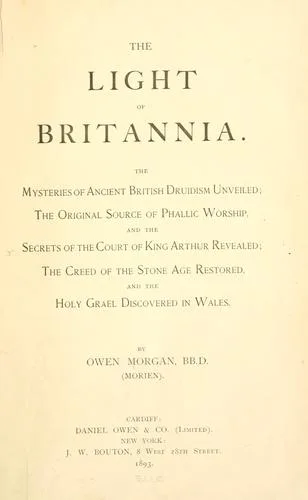
Beginners seeking an introduction to Stonehenge should start with accessible overviews. "The light of Britannia" by Owen Morgan provides a historical context for ancient British sites. "Raven's Gate" by Anthony Horowitz, though fiction, captures the mystery and atmosphere surrounding ancient monuments. "Needles of stone" by Tom Graves offers a more modern, accessible exploration of megalithic sites and their potential meanings. "Druid's Oracle Card Deck Book" by Donna L. Huntriss and its 2021 edition introduce symbolic interpretations often linked to these ancient places, providing a gentle entry into the lore.
Intermediate Reading
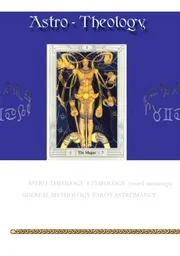
For those ready to delve deeper, "Stonehenge, a Temple Restor'd to the British Druids" by William Stukeley is essential for understanding early interpretations of the site as a Druidic temple. "Astrotheology And Sidereal Mythology" by Michael Tsarion links Stonehenge to ancient celestial worship and wider European mythologies. "The Celtic oracle" by Nigel Pennick explores symbolic systems and divination practices relevant to understanding ancient Celtic beliefs. "Oral Histories A Reformed Druid Anthology" and "09 The Books Of The Latter Day Reformed Druid Anthology" offer insights into modern Druidic perspectives and practices.
Classical / Advanced Texts
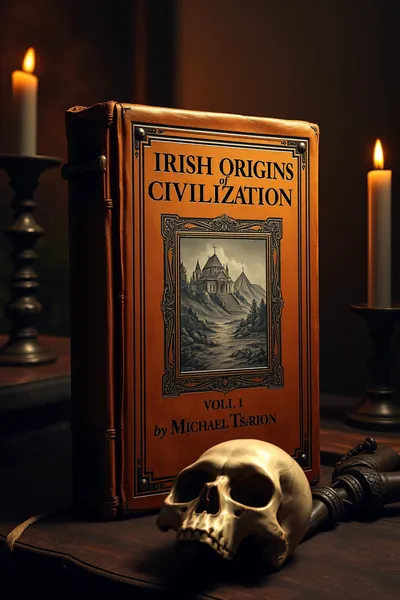
Serious students will find value in "Stonehenge and Other British Stone Monuments Astronomically Considered" by Sir Norman Lockyer, a pioneering work on astronomical alignments. Stukeley's "Abury, A Temple of the British Druids, With Some Others, Described" provides context for his work on Stonehenge by examining another significant site. "Irish Origins of Civilization Vol 1" by Michael Tsarion presents a comprehensive, albeit controversial, thesis on the cultural and religious connections of ancient Britain and Ireland. "The Secret Teachings Of All Ages" by Manly P. Hall offers a broad esoteric perspective that touches upon megalithic structures and ancient mysteries.
Reading Order — Step by Step
Begin with introductory material to grasp the basics. Month 1: Start with "Needles of stone" by Tom Graves for a grounded overview, followed by "The light of Britannia" by Owen Morgan for historical context. Week 3-4: Move to "Stonehenge, a Temple Restor'd to the British Druids" by William Stukeley to understand early Druidic theories. Month 2: Engage with "Stonehenge and Other British Stone Monuments Astronomically Considered" by Sir Norman Lockyer for astronomical insights. Explore "Astrotheology And Sidereal Mythology" by Michael Tsarion for broader mythic connections. Month 3+: For advanced study, consult "Irish Origins of Civilization Vol 1" by Michael Tsarion and "The Secret Teachings Of All Ages" by Manly P. Hall. Supplement with "Oral Histories A Reformed Druid Anthology" for contemporary Druidic views.
Frequently Asked Questions
Which Stonehenge book should I read first?
For a gentle introduction, start with Tom Graves' "Needles of stone" for its accessible exploration of megalithic sites and their potential meanings. It provides a solid foundation before looking at more specific historical or esoteric interpretations.
Are there books connecting Stonehenge to the Druids?
Yes, William Stukeley's "Stonehenge, a Temple Restor'd to the British Druids" is a classic text that first proposed Stonehenge as a major Druidic temple. Modern Druidic anthologies also offer contemporary perspectives.
Does any book focus on Stonehenge's astronomical significance?
Sir Norman Lockyer's "Stonehenge and Other British Stone Monuments Astronomically Considered" is a key work pioneering the study of Stonehenge's alignments with celestial events like solstices.
What are some advanced texts on Stonehenge?
For advanced study, "Stonehenge and Other British Stone Monuments Astronomically Considered" by Lockyer and Michael Tsarion's "Irish Origins of Civilization Vol 1" offer in-depth, though sometimes controversial, analyses.
Can I find books on the construction of Stonehenge?
While specific construction manuals don't exist, books like "Stonehenge and Other British Stone Monuments Astronomically Considered" discuss the engineering and astronomical aspects, and general archaeological texts cover the building phases.
What is the significance of the bluestones?
The bluestones are significant because they were transported over 150 miles from Wales, suggesting immense effort and ritual importance. Their exact purpose and the reason for their transport remain subjects of debate explored in various archaeological and esoteric texts.
Are there books that link Stonehenge to broader European civilizations?
Michael Tsarion's "Irish Origins of Civilization Vol 1" and "Astrotheology And Sidereal Mythology" attempt to link Stonehenge to a wider network of ancient European cultures and belief systems, focusing on shared mythological and astronomical themes.