What are Sacred Sites?
Sacred sites are locations recognized by individuals or groups as possessing deep religious or spiritual significance. These places often serve as focal points for prayer, pilgrimage, and ritual, drawing people to connect with the divine, ancestral spirits, or profound natural forces. Their sanctity can stem from historical events, perceived supernatural phenomena, or inherent cosmological beliefs. The study of sacred sites intersects archaeology, anthropology, religious studies, and esoteric traditions, revealing how humans have consistently sought to mark and inhabit spaces imbued with power.
Best Books for Complete Beginners
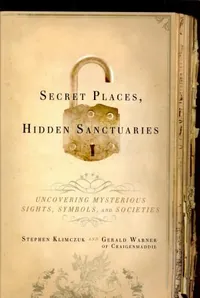
For those new to the study of sacred sites, starting with broad, accessible introductions is key. 'The Atlas of Holy Places & Sacred Sites' by Colin Wilson provides a comprehensive global survey, linking various traditions and locations. 'Sacred Sites & Places of Power 3' by M. S. Heather M. Charnley offers another accessible entry point, cataloging diverse sites. 'Secret Places, Hidden Sanctuaries' by Stephen Klimczuk and Gerald Warner presents a visually engaging exploration of lesser-known locations. 'Sacred Earth, Sacred Stones' by Brian Molyneaux and Piers Vitebsky examines the connection between geology and spiritual beliefs, offering a grounded perspective.
Intermediate Reading
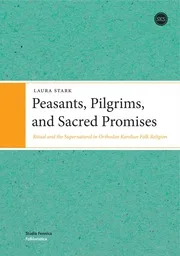
Building on foundational knowledge, intermediate texts explore specific aspects and traditions more deeply. 'Peasants, Pilgrims, and Sacred Promises' by Dipraj Banik (2024) investigates ritual and the supernatural in folk religion, offering a focused anthropological view. Angelina Muñiz-Huberman's 'A mystical journey' studies personal spiritual exploration tied to place. 'Mosques' by Razia Grover provides an introduction to Islamic sacred architecture and its significance. 'Managing Sacred Sites' by Myra Shackley addresses the practical and ethical considerations involved in preserving these important locations.
Classical / Advanced Texts
Advanced study often involves primary sources or detailed scholarly analyses. 'The Confessions of Al Ghazzali' offers a glimpse into the spiritual experiences of a central Islamic scholar, indirectly touching on devotional practices. 'The Knights Templars' by C. G. Addison (Charles Greenstreet) explores a historical order associated with significant pilgrimage routes and sacred geography. 'Blavatsky Fraud From Pilgramage Conway 1906' by Helena Blavatsky (though the title is misleading, it points to early theosophical explorations and criticisms) relates to esoteric interpretations of sacred traditions. Chapter 9 of an unnamed 2021 work, 'Talking rocks, illusory sounds, and projections of the otherworld', investigates the acoustic properties of sacred sites in shamanic contexts.
Reading Order — Step by Step
Begin with broad overviews to establish a global context. In Month 1, read 'The Atlas of Holy Places & Sacred Sites' by Colin Wilson and 'Sacred Earth, Sacred Stones' by Molyneaux & Vitebsky. For Month 2, shift to more specific cultural or thematic explorations: 'Peasants, Pilgrims, and Sacred Promises' by Dipraj Banik and 'Mosques' by Razia Grover. In Month 3, study advanced or specialized topics. Consider 'The Confessions of Al Ghazzali' for a classical spiritual perspective and the chapter on acoustics in shamanic cultures (2021) for a unique analytical approach. Continue with other titles based on emerging interests.
Frequently Asked Questions
Which sacred sites book should I read first?
For a comprehensive introduction, start with 'The Atlas of Holy Places & Sacred Sites' by Colin Wilson. It offers a broad overview of global sacred locations and their significance, providing a solid foundation for further study.
What is the difference between a sacred site and a holy place?
While often used interchangeably, 'sacred site' is a broader term encompassing any location with spiritual significance. 'Holy place' typically refers to a specific place, like a shrine or temple, considered particularly consecrated or divine.
Are sacred sites only religious?
No, sacred sites can be religious, spiritual, or even secularly significant. They can be tied to historical events, natural phenomena, or cultural memory, holding deep meaning for communities beyond formal religious doctrines.
What is the role of pilgrimage in sacred sites?
Pilgrimage is a journey to a sacred site undertaken for spiritual or religious reasons. It often involves rituals, devotion, and a desire for personal transformation or connection with the divine associated with that location.
How are sacred sites studied?
Sacred sites are studied through various disciplines including archaeology, anthropology, religious studies, history, and geography. Research involves examining physical remains, cultural practices, textual sources, and oral traditions.
What makes a site 'sacred'?
A site becomes sacred through a combination of factors: perceived divine presence, historical or mythical events, cultural beliefs, ritual use, or natural features that inspire awe and spiritual connection.
Do sacred sites have physical properties that contribute to their power?
Yes, some research suggests that geological formations, acoustic properties, or unique natural environments can contribute to a site's perceived power or spiritual resonance, as explored in works concerning acoustics and earth energies.