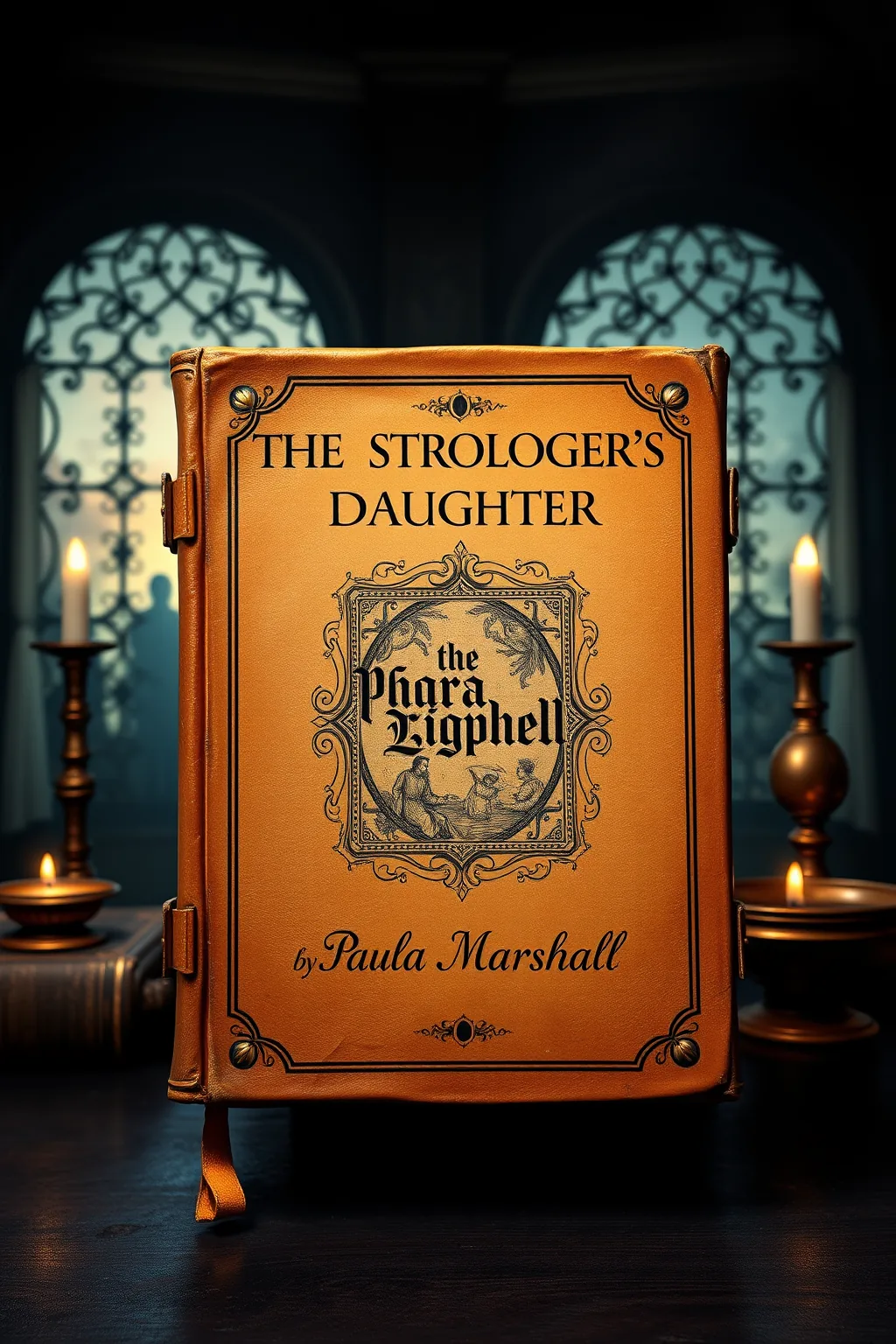
The Astrologer's Daughter
 64
64

The Astrologer's Daughter


Review by Isolde Whitaker (Sacred Texts Editor) — 'The Astrologer's Daughter' by Paula Marshall is a captivating blend of historical fiction and mystical romance. The author masterfully intertwines the intricate world of 17th-century astrology with a compelling love story, making it a treasure for both scholars of the occult and casual readers. Marshall's esoteric insights are beautifully woven into the narrative, offering readers a glimpse into the hidden knowledge of the time. The book's strength lies in its ability to transport readers to an era where astrology was not just a science but a way of life. This makes it an invaluable addition to any collection of mystical literature.
📝 Description
64
Paula Marshall's 1987 novel places astrology and alchemy at the heart of 17th-century courtly intrigue.
Set during King Charles II's reign, 'The Astrologer's Daughter' follows Kit Carlyon, a courtier who bets he can seduce Celia Antiquis, the daughter of a prominent astrologer. His pursuit leads him into Celia's world, where he encounters hidden knowledge and ancient symbolism. These discoveries challenge his assumptions about himself and his desires.
The story immerses readers in the 17th-century atmosphere, a time when astrology and alchemy were influential among the elite. The narrative questions the balance between destiny and personal choice, as well as the lines between genuine affection and manipulation. It offers a look into historical romance filtered through esoteric beliefs.
This novel engages with Renaissance and early modern esoteric traditions, particularly astrology and alchemy. These practices were not fringe beliefs but were often integrated into the intellectual and courtly life of the period. The book uses these elements to frame a narrative about personal desire and perceived destiny, reflecting a time when understanding celestial influences or the transmutation of matter was seen as a path to deeper insight.
💡 Why Read This Book?
Why read this book? 'The Astrologer's Daughter' is a richly layered exploration of love, destiny, and the esoteric arts. Ideal for seekers of hidden knowledge, scholars of historical romance, and practitioners of astrology, this book offers a unique perspective on the interplay between celestial influences and human emotions. Paula Marshall's evocative prose and deep understanding of the mystical traditions make this a must-read for anyone interested in the intersection of romance and the occult.
⭐ Reader Reviews
Honest opinions from readers who have explored this book.
❓ Frequently Asked Questions
Is 'The Astrologer's Daughter' based on real historical events?
While the book is set during the reign of King Charles II, it is a work of fiction. However, it draws heavily on the historical practices and beliefs of the time, particularly in the realm of astrology and alchemy.
What makes this book unique in the genre of historical romance?
The Astrologer's Daughter stands out for its deep integration of esoteric themes and mystical practices into a traditional romance narrative. The story explores the philosophical significance of astrology and its influence on human behavior, adding a layer of depth that is often missing in historical romances.
How does the author incorporate astrological themes into the story?
Paula Marshall weaves astrological themes into the narrative through the character of Celia Antiquis, whose premonitions and insights are guided by her father's astrological knowledge. The story also delves into the symbolic meanings of celestial bodies and their influence on the characters' fates.
What kind of readers will enjoy this book?
This book will appeal to readers who enjoy historical fiction with a mystical twist. It is particularly suited for those interested in astrology, alchemy, and the esoteric arts, as well as fans of romance set against a rich historical backdrop.
Are there any modern references or interpretations of astrology in the book?
While the book is firmly rooted in the 17th century, it offers insights that are relevant to modern practitioners of astrology. The exploration of celestial influences on human destiny and the symbolic meanings of astrological symbols provide a timeless perspective on the mystical arts.
🔮 Key Themes & Symbolism
The Power of Astrology
Astrology is a central theme in 'The Astrologer's Daughter,' with the characters' lives deeply influenced by celestial bodies and their meanings. The story explores how astrological insights can guide one's destiny and shape personal relationships. The narrative examines the symbolism of the zodiac and the planets, revealing the hidden knowledge that astrologers of the time believed could unlock the mysteries of the universe.
Love and Deception
The theme of love and deception is intertwined with the esoteric elements of the story. Kit Carlyon's wager to seduce Celia Antiquis sets the stage for a complex exploration of love, betrayal, and redemption. The characters' actions and motivations are influenced by their beliefs in astrology, adding a layer of mysticism to their romantic entanglements.
Fate vs. Free Will
The book raises profound questions about the nature of fate and free will. As the characters navigate their destinies, they grapple with the idea that their lives are preordained by the stars. This philosophical inquiry is a key theme, inviting readers to reflect on the extent to which their own lives are guided by hidden forces and the choices they make.
💡 Key Ideas
Editorial paraphrase of the work's core concepts — not direct quotes.
The stars above dictate our fates, but it is our hearts that guide our paths.
This quote underscores the tension between celestial influence and human emotion, a central theme in the book.
In the dance of the spheres, we find our true selves.
This line highlights the mystical belief in the interconnectedness of the cosmos and human destiny.
Love is the greatest alchemy, transforming the base into gold.
This quote speaks to the transformative power of love, a recurring motif in the narrative.
The secrets of the universe are written in the stars, for those who know how to read them.
This line emphasizes the esoteric knowledge that astrologers possess, revealing the hidden truths of existence.
Our choices shape our destinies, even as the stars whisper their guidance.
This quote reflects the book's exploration of the interplay between fate and free will.
🌙 Esoteric Significance
Tradition
The Astrologer's Daughter belongs to the Hermetic tradition, which emphasizes the interconnectedness of the cosmos and the influence of celestial bodies on human affairs. This tradition was particularly influential during the 17th century, shaping the beliefs and practices of astrologers and alchemists of the time.
Symbolism
Key symbols in the book include the zodiac signs and planetary alignments, which are used to represent the characters' destinies and the hidden forces at work in their lives. The symbolism of the astrological chart is central to the narrative, serving as a map of the characters' fates and the mystical knowledge that guides them.
Modern Relevance
The book's exploration of astrological symbolism and its influence on human destiny remains relevant to modern practitioners of the esoteric arts. The themes of fate and free will, as well as the transformative power of love, are timeless and continue to resonate with seekers of hidden knowledge today.
👥 Who Should Read This Book
Beginners in the esoteric arts will find 'The Astrologer's Daughter' an accessible introduction to the mystical traditions of the 17th century. Scholars of historical romance will appreciate the book's rich historical context and its exploration of the era's beliefs and practices. Spiritual seekers will be drawn to the narrative's philosophical inquiries into the nature of fate and free will. Practitioners of astrology will enjoy the book's deep dive into the symbolism and significance of celestial influences.
📜 Historical Context
Set during the reign of King Charles II, 'The Astrologer's Daughter' captures the opulence and intrigue of the Restoration era. Astrology and alchemy were highly regarded sciences, influencing the decisions of the court and the lives of the people. The book's historical significance lies in its portrayal of these mystical practices as integral to the societal fabric of the time. The narrative also reflects the era's fascination with romance and intrigue, making it a compelling read for those interested in the intersection of history and the esoteric arts.
📔 Journal Prompts
Reflect on a time when you felt guided by a higher power. How did this influence your decisions?
Consider the role of symbolism in your life. What symbols hold special meaning for you?
Explore the concept of fate vs. free will. Do you believe in predestination, or do you think we shape our own destinies?
Think about a relationship that has transformed you. How did this transformation occur?
Reflect on the influence of historical beliefs on modern practices. How do the esoteric traditions of the past continue to shape our understanding of the world?
🗂️ Glossary
Hermeticism
A mystical tradition based on the writings attributed to Hermes Trismegistus, emphasizing the unity of all things and the influence of celestial bodies on human affairs.
Astrology
The study of the movements and relative positions of celestial bodies and their supposed influences on human affairs and the natural world.
Alchemy
A medieval chemical science that sought to transmute base metals into gold and find a universal elixir, often associated with mystical and spiritual practices.
Zodiac
A belt-shaped region of the sky that extends approximately 8 degrees north or south of the ecliptic, divided into 12 signs, each associated with specific traits and influences.
Celestial Influences
The supposed effects of the positions and movements of celestial bodies on human affairs and the natural world, a central belief in astrology and other esoteric traditions.
This book appears in 1 collection
🔮 Readers Also Liked
Browse all →








From the “Astrology” Collection
View all →









More Free Astrology & Cosmology Books
View all →