100% Free & Public Domain 16,000+ Esoteric Books No Registration Needed
Home Collections Jungian Psychology
🧠

Jungian Psychology: Explore the Depths of the Psyche

Welcome to the Esoteric Library's collection on Jungian Psychology, a profound journey into the depths of the human psyche as envisioned by Carl Gustav Jung. Jungian Psychology offers a unique framework for understanding personality, spirituality, and the universal patterns that shape our experiences. It moves beyond individual consciousness to explore the collective unconscious, a reservoir of ancestral experiences and images known as archetypes. These powerful, primordial images manifest in myths, dreams, and art across all cultures, providing a rich tapestry for self-discovery and psychological growth.

Our collection provides a gateway to exploring the core tenets of Jungian Psychology, including the concepts of the Persona, the Shadow, Anima/Animus, and the process of Individuation – the lifelong journey of integrating conscious and unconscious aspects of the self. While direct works by Jung are scarce in the public domain, this collection features works that either directly engage with his theories, such as Jung on alchemy by Carl Gustav Jung and Jung and Tarot by Sallie Nichols, or indirectly touch upon the rich symbolic and archetypal landscapes that Jungian Psychology illuminates. From the symbolism of the Tarot to the exploration of 'shadow' themes in literature, you'll find diverse resources to deepen your understanding.

The Esoteric Library is committed to offering free access to knowledge that inspires introspection and intellectual curiosity. Jungian Psychology provides powerful tools for understanding not just ourselves, but the broader human experience, connecting personal struggles and triumphs to universal patterns. Whether you are seeking to understand the symbolic language of dreams, the power of myth, or the hidden dynamics of your own personality, Jungian Psychology offers a comprehensive and deeply spiritual path.

Engage with texts that explore the symbolic nature of existence, from ancient divination systems like The I ching by Peggy Jones and Richard J. Smith, to modern interpretations of esoteric practices. Even fictional works, like those by Howard, Robert E. (Robert Ervin) or Leigh Bardugo, can be viewed through a Jungian lens, revealing archetypal heroes, villains, and transformative journeys. This collection invites you to explore the profound connections between inner psychological states and the outer world, fostering a holistic approach to understanding life's mysteries through the lens of Jungian Psychology.

Top Jungian Psychology Books

25 Jungian Psychology books

Reading Order

Three paths · pick by your level

🌱

Beginner

  1. Jung and Tarot A direct and accessible entry into Jungian archetypes and their manifestation through the Tarot, perfect for beginners.
  2. Shadows This book offers a metaphorical exploration of hidden aspects, aligning with the Jungian concept of the Shadow and self-discovery.
  3. The I ching Introduces the ancient wisdom of the I Ching, a system Jung himself studied for its insights into synchronicity and archetypal patterns.
🌿

Intermediate

  1. Jung on alchemy Dive deeper into Jung's own writings on alchemy, understanding it as a symbolic process of psychological transformation and individuation.
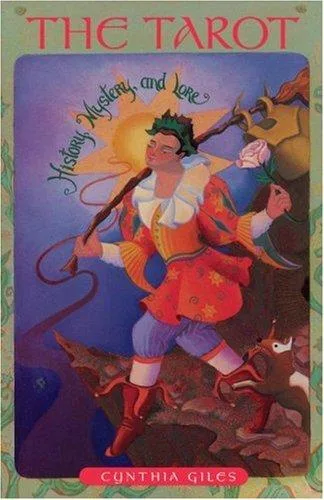
  2. The tarot Explores the Tarot's rich symbolism and archetypal imagery, offering a practical application of Jungian concepts for personal insight.
  3. Wicca Connects to personal spirituality and nature-based practices, which can be viewed as expressions of archetypal energies and the search for meaning.
🌳

Advanced

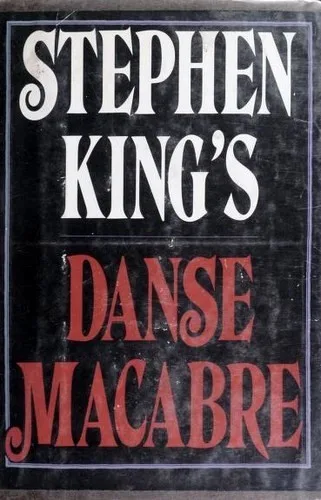
  1. Danse Macabre Stephen King's analysis of horror reveals collective unconscious fears and archetypal narratives that resonate deeply within the psyche.
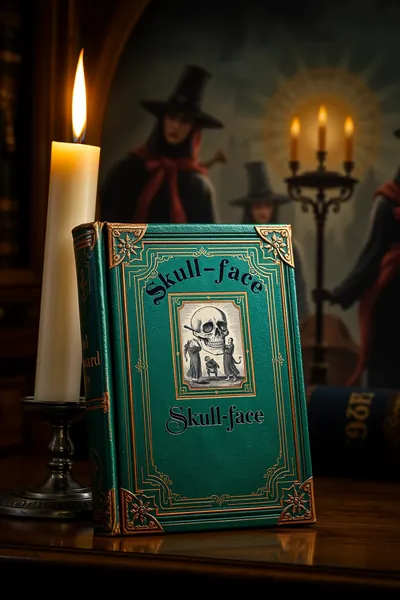
  2. Skull-face Explores dark archetypes and mythic figures in fiction, offering a compelling look at the shadow aspects of the human imagination.
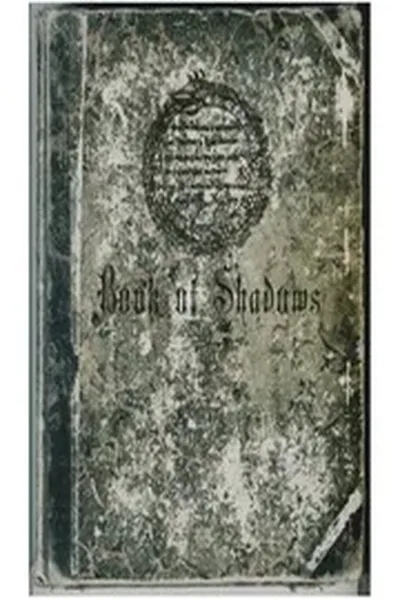
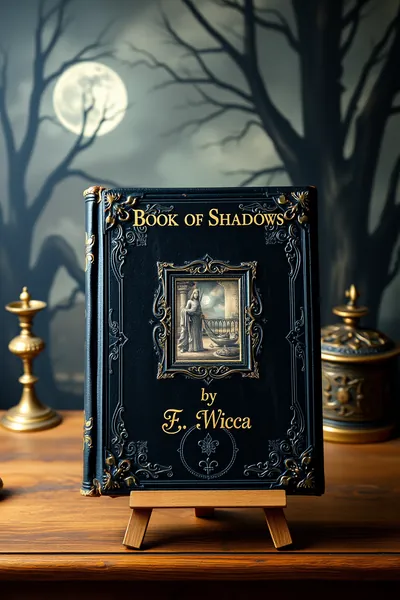
  3. Book Of Shadows Represents the personal myth-making and ritualistic aspects of self-discovery, akin to creating one's own symbolic framework for life.

Why Each Book Matters

Book Of Shadows

Book Of Shadows

Book Of Shadows (Unknown author) refers to a personal journal used in various magical traditions to record spells, rituals, and spiritual insights. From a Jungian perspective, creating a Book of Shadows is an act of personal myth-making and individuation, integrating conscious intentions with unconscious desires. It represents a structured approach to exploring one's inner world and connecting with archetypal energies, serving as a tangible manifestation of one's spiritual journey and self-discovery.

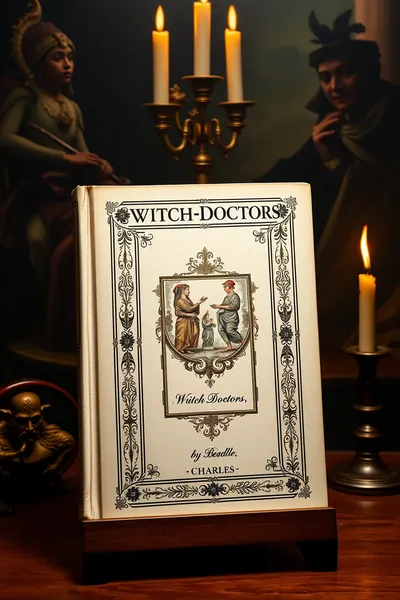
Witch-Doctors

Witch-Doctors

by Beadle, Charles

Witch-Doctors by Beadle, Charles likely explores indigenous spiritual practices and traditional healers, aligning with Jungian Psychology's interest in cross-cultural archetypes and the collective unconscious. Such ethnographic accounts provide insight into universal patterns of healing, ritual, and the human relationship with the sacred, which Jung explored in his studies of mythology and religion. The book offers an ethnographic look at traditional healers, revealing how different cultures engage with the numinous and the psychological dimensions of belief.

The Black Cross

The Black Cross

by Briggs, Olive M. (Olive Mary)

The Black Cross by Briggs, Olive M. (Olive Mary) likely delves into historical or symbolic narratives, where the 'cross' serves as a powerful archetype of suffering, sacrifice, or transformation. This historical novel often features themes of conflict and destiny, which resonate with Jungian concepts of the collective unconscious and the enduring power of religious and spiritual symbols. Analyzing the symbolism within the narrative can offer insights into how archetypal images shape human experience and cultural meaning.

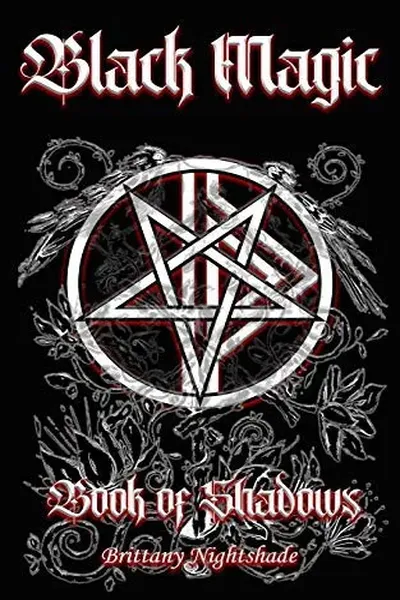
Book of Shadows

Book of Shadows

by Brittany Nightshade

Book of Shadows by Brittany Nightshade, similar to other 'Book of Shadows' titles, signifies a personal repository of magical knowledge and spiritual reflections. This act of documentation can be viewed as an externalization of the personal unconscious, a way to consciously engage with one's beliefs, intentions, and experiences. It supports the Jungian idea of creating a personal myth, integrating one's spiritual journey with daily life, and fostering a deeper connection to one's inner archetypal landscape.

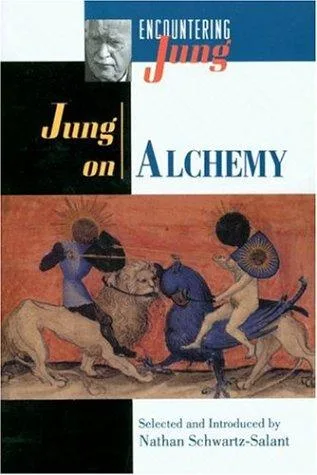
Jung on alchemy

Jung on alchemy

by Carl Gustav Jung

Jung on alchemy by Carl Gustav Jung is a monumental collection of Jung's writings that meticulously explores alchemy not as a proto-science, but as a symbolic process mirroring psychological transformation and individuation. Jung saw alchemical imagery as projections of unconscious psychic contents, revealing the deep-seated human drive towards wholeness. This essential work provides direct insight into Jungian Psychology's complex relationship with esoteric traditions and its profound understanding of the human psyche's quest for integration.

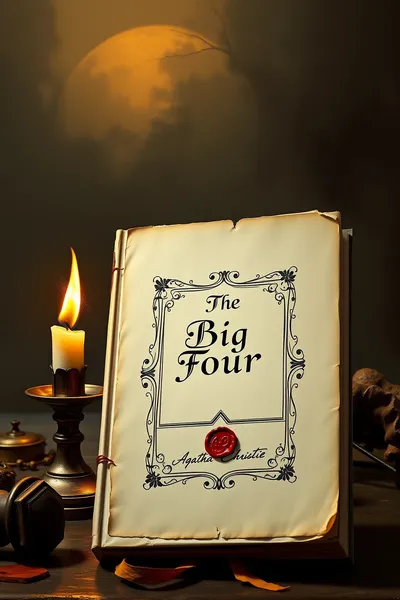
The Big Four

The Big Four

by Christie, Agatha

The Big Four by Christie, Agatha, a classic Hercule Poirot mystery, delves into the darker side of human ambition and conspiracy, offering psychological depth in its portrayal of criminal minds. This novel, featuring Poirot investigating an international crime syndicate, can be examined for its exploration of archetypal villains and the collective unconscious's fascination with order and chaos. Christie's intricate plots often reveal the complex motivations that drive human behavior, making it relevant for understanding the shadow aspects of society and individuals.

I Look Divine

I Look Divine

by Christopher Coe

I Look Divine by Christopher Coe, while details are limited, likely explores themes of self-image, perception, and the construction of identity, which can be related to the Jungian concept of the Persona. The book might delve into how individuals present themselves to the world and the psychological implications of this 'mask,' examining the tension between outer appearance and inner reality. Coe's work often explores themes of identity and appearance, prompting reflection on the archetypes of beauty and self-presentation in society.

Book of Shadows

Book of Shadows

by Cyberlord-El DDCF

Book of Shadows by Cyberlord-El DDCF, like other titles of its kind, embodies the concept of a personal grimoire or spiritual journal. This practice aligns with Jungian Psychology's emphasis on the individual's unique path to self-knowledge and the integration of personal experiences into a cohesive narrative. It's a testament to the human desire to create meaning and structure in one's spiritual life, reflecting archetypal needs for ritual and personal mythology, often serving as a record of one's journey into the unconscious.

The tarot

The tarot

by Cynthia Elizabeth Giles

The tarot by Cynthia Elizabeth Giles provides an exploration of this ancient divination system, rich in symbolism and archetypal imagery that resonates deeply with Jungian Psychology. Each card in the Tarot deck, from the Fool to the World, can be seen as representing an archetype or a stage in the individuation process, offering insights into the collective unconscious. Giles's work often focuses on the interpretive aspects of divination, helping readers understand the symbolic narratives unfolding in their lives through these powerful images.

Divine Justice

Divine Justice

by David Baldacci

Divine Justice by David Baldacci, a thrilling novel featuring government agent John Puller, explores themes of morality, retribution, and the search for truth within a complex world. While a work of fiction, it can be analyzed for its portrayal of archetypes of justice, vengeance, and the collective unconscious's moral compass. The characters' pursuit of justice against overwhelming odds reflects universal human desires for order and fairness, making it relevant for understanding the psychological underpinnings of ethical dilemmas and conflict.

Skull-face

Skull-face

by Howard, Robert E. (Robert Ervin)

Skull-face by Howard, Robert E. (Robert Ervin) plunges into the realm of pulp fiction with a chilling antagonist, a perfect example for exploring the shadow archetype and the collective unconscious's fear of the unknown. This story, featuring a villain with a chilling, skeletal appearance, embodies the monstrous figures that populate our myths and nightmares. Analyzing such characters through a Jungian lens reveals how they personify repressed fears and the darker aspects of the psyche, making it relevant for studying archetypal antagonists.

Basic Witches

Basic Witches

by Jaya Saxena

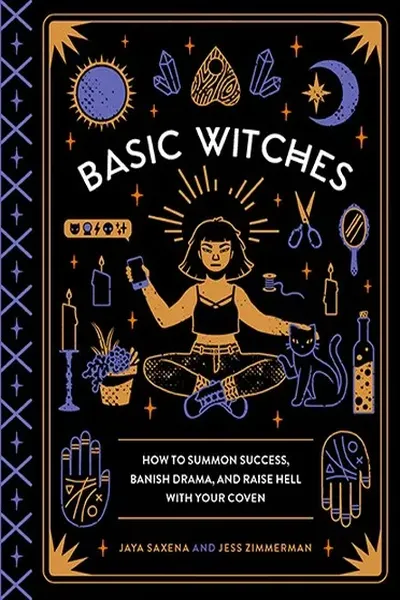
Basic Witches by Jaya Saxena offers a contemporary guide to modern witchcraft, focusing on empowerment, self-care, and practical magic. This book can be viewed through a Jungian lens as an exploration of personal archetypes and the conscious creation of one's own symbolic reality. It encourages readers to tap into their inner strength and intuition, aligning with the process of individuation and the integration of the personal unconscious. The book offers practical advice and spells for contemporary life, fostering self-discovery.

Shadow and Bone

Shadow and Bone

by Leigh Bardugo

Shadow and Bone by Leigh Bardugo, the first book in the Grishaverse series, introduces a rich fantasy world where light and shadow are powerful forces, offering a compelling metaphorical exploration of Jungian shadow work. The protagonist's journey to confront literal and metaphorical darkness reflects the archetypal hero's quest for individuation and the integration of conflicting aspects of the self. Leigh Bardugo's intricate world-building provides a vibrant backdrop for understanding inner psychological battles.

Siege and Storm

Siege and Storm

by Leigh Bardugo

Siege and Storm by Leigh Bardugo continues the Grishaverse saga, further developing themes of power, identity, and the struggle against overwhelming odds. As the second book in the series, it deepens the metaphorical connection to Jungian Psychology through its exploration of archetypal conflicts, the protagonist's evolving persona, and the ongoing battle with internal and external 'shadows.' Leigh Bardugo's narrative vividly portrays the psychological complexities of a world grappling with immense power and destiny.

Neue Alchemie

Neue Alchemie

by Melanie Bono

Neue Alchemie by Melanie Bono, which translates to 'New Alchemy,' directly connects to Carl Jung's extensive work on alchemy as a symbolic process of psychological transformation. Jung viewed alchemical texts not merely as attempts to turn lead into gold, but as metaphors for the individuation process—the integration of the conscious and unconscious. This book likely explores modern interpretations or applications of alchemical principles, offering insights into contemporary spiritual and psychological development through a Jungian lens.

Cartomancy

Cartomancy

by Michael A. Stackpole

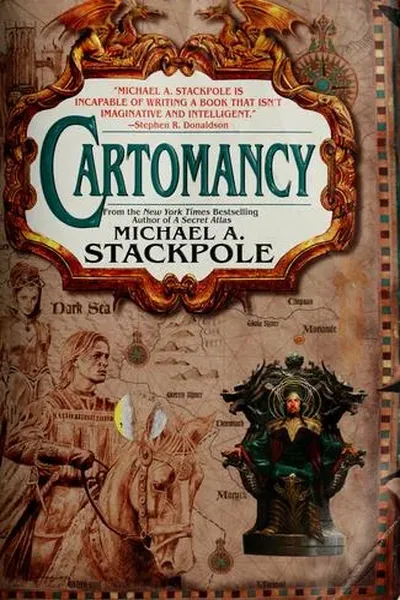
Cartomancy by Michael A. Stackpole delves into the art of divination using playing cards, a practice rich in symbolic interpretation that can be linked to Jungian concepts of synchronicity and archetypes. While Michael A. Stackpole is primarily known for his fantasy and science fiction novels, this title suggests an exploration of symbolic systems. The random draw of cards, when interpreted meaningfully, mirrors Jung's idea of synchronicity—meaningful coincidences that reveal underlying patterns in the psyche and the world.

The I ching

The I ching

by Peggy Jones

The I ching by Peggy Jones introduces readers to the ancient Chinese 'Book of Changes,' a profound system of divination and philosophy that Carl Jung himself studied extensively. Jung saw the I Ching as a prime example of synchronicity, where the patterns revealed by the hexagrams reflect the inner psychological state of the questioner. This work offers a pathway to understanding archetypal patterns and the interplay of opposites (Yin and Yang) within the collective unconscious, providing deep insights into life's ever-changing dynamics.

The I Ching

The I Ching

by Richard J. Smith

The I Ching by Richard J. Smith provides another perspective on this venerable text, offering interpretations and historical context for the 'Book of Changes.' Like Peggy Jones's work, this book is valuable for understanding how ancient wisdom systems can illuminate Jungian concepts of synchronicity and archetypal patterns in the universe. Smith's scholarship helps to contextualize the I Ching's enduring relevance as a tool for self-reflection and understanding the dynamics of change, a core theme in Jungian Psychology.

Shadow Kiss

Shadow Kiss

by Richelle Mead

Shadow Kiss by Richelle Mead, the third novel in her popular Vampire Academy series, explores themes of sacrifice, love, and the confrontation with dark forces, which can be metaphorically linked to Jungian shadow work. The characters' internal struggles and their battles against external threats reflect the archetypal hero's journey and the integration of one's own shadow aspects. This fantasy narrative provides a compelling fictional context for understanding psychological development and the challenges of self-discovery.

Shadows

Shadows

by Rosemary Dawson

Shadows by Rosemary Dawson, while details are scarce, can be interpreted through the lens of the Jungian Shadow archetype, representing the unacknowledged aspects of the self. The book likely explores hidden truths, repressed emotions, or the darker facets of human nature, prompting readers to confront what lies beneath the surface of consciousness. Understanding these 'shadows' is crucial for psychological integration and personal growth within Jungian Psychology, making this title conceptually relevant.

Poems

Poems

by Rudyard Kipling

Poems by Rudyard Kipling offers a collection of verses that often touch upon universal human experiences, duty, and the natural world, reflecting archetypal themes found across cultures. Kipling, a Nobel laureate in Literature in 1907, masterfully crafts narratives that resonate with the collective unconscious, exploring the struggles and triumphs inherent in the human condition through evocative imagery and rhythmic language. His poetry can be analyzed for its portrayal of archetypal figures like the hero, the wanderer, and the sage.

Jung and Tarot

Jung and Tarot

by Sallie Nichols

Jung and Tarot by Sallie Nichols is a seminal work that directly applies Carl Jung's psychological theories to the symbolism of the Tarot. Sallie Nichols, a student of Jung, meticulously explores how each Tarot card represents an archetype, a stage of individuation, or an aspect of the collective unconscious. This book offers a profound understanding of the Tarot as a tool for self-discovery and psychological insight, making it an essential text for anyone interested in Jungian Psychology and its practical applications.

Wicca

Wicca

by Scott Cunningham

Wicca by Scott Cunningham serves as an accessible introduction to this nature-based spiritual path, emphasizing personal connection to the divine and the earth. This work aligns with Jungian Psychology's interest in spiritual expression and the integration of the self with natural cycles and archetypal energies, fostering a sense of wholeness. Cunningham's approach encourages individual empowerment and the development of personal mythologies, making it a foundational text for many solitary practitioners exploring their inner spiritual landscape.

Danse Macabre

Danse Macabre

by Stephen King

Danse Macabre by Stephen King is a non-fiction exploration of the horror genre in literature and film, offering profound insights into the collective unconscious's deepest fears and anxieties. King analyzes how horror taps into universal archetypes of dread, the monstrous, and the unknown, reflecting societal shadow aspects. His work provides a rich framework for understanding how archetypal narratives manifest in popular culture and their psychological impact on audiences, making it a fascinating read for those interested in Jungian Psychology and its cultural manifestations.

The Golden Four

The Golden Four

by Tannacat

The Golden Four by Tannacat, while specific details are unavailable, likely refers to a group of four significant elements, characters, or principles, a common archetypal structure. The number four often symbolizes wholeness, completion, and the integration of opposites in Jungian thought (e.g., the four functions of consciousness). This title could represent an exploration of these archetypal groupings, reflecting the collective unconscious's drive for order and purpose through symbolic frameworks, making it relevant for archetypal analysis.

Glossary

Collective Unconscious
A concept in Jungian Psychology referring to the part of the unconscious mind shared by all of humanity, containing ancestral memories and universal archetypes. It's distinct from the personal unconscious.
Archetype
Primordial, universal patterns and images that derive from the collective unconscious. They are unlearned, inherited tendencies to respond to the world in certain ways, manifesting in myths, dreams, and symbols.
Shadow
The unconscious aspect of the personality that the conscious ego does not identify with. It comprises repressed thoughts, weaknesses, desires, and instincts. Integrating the Shadow is a key part of Jungian Psychology.
Persona
The social mask one presents to the world, a compromise between one's true self and societal expectations. It's not necessarily a negative concept, but an over-identification can hinder individuation.
Synchronicity
Meaningful coincidences that appear to be causally unrelated but are deeply connected psychologically. Jung believed these events reveal the underlying unity of the psyche and the material world.

FAQ

What is Jungian Psychology?

Jungian Psychology is a school of thought developed by Carl Jung that explores the unconscious mind, archetypes, and the process of individuation. It emphasizes the importance of dreams, myths, and symbols in understanding the human psyche and fostering psychological wholeness. This approach delves into universal patterns shared by humanity, known as the collective unconscious.

How do I start with Jungian Psychology?

Begin by familiarizing yourself with core concepts like archetypes, the collective unconscious, and the Shadow. Reading introductory texts or works that apply Jungian ideas, such as 'Jung and Tarot' or analyses of myths, can provide an accessible entry point. Focus on understanding the symbolic language of the psyche rather than purely clinical aspects.

What's the best book on Jungian Psychology?

For direct engagement with Jung's own thought, 'Jung on alchemy' offers profound insights into his complex theories, exploring psychological transformation through symbolic processes. For a more accessible application of Jungian Psychology, 'Jung and Tarot' provides an excellent bridge between his concepts and practical symbolic interpretation. Your 'best' book will depend on your specific interest and prior knowledge.

Is Jungian Psychology difficult to learn?

Jungian Psychology can be challenging due to its abstract concepts like archetypes and the collective unconscious, and its reliance on symbolic interpretation. However, many resources simplify these ideas, making them approachable. Patience and an open mind to symbolic thinking are key to grasping its depth and richness. It's a journey of self-discovery, not just academic study.

Can I download Jungian Psychology books for free?

Yes, on Esoteric Library, you can download public domain books that relate to Jungian Psychology for free. Our collection includes works directly discussing Jung's theories, like 'Jung on alchemy,' and many others that explore the symbolic, mythological, and esoteric themes central to Jungian thought. We aim to provide accessible resources for your psychological and spiritual exploration.

Esoteric Library
Browse Esoteric Library
📚 All 16,000+ Books 🜍 Alchemy & Hermeticism 🔮 Magic & Ritual 🌙 Witchcraft & Paganism Astrology & Cosmology 🃏 Divination & Tarot 📜 Occult Philosophy ✡️ Kabbalah & Jewish Mysticism 🕉️ Mysticism & Contemplation 🕊️ Theosophy & Anthroposophy 🏛️ Freemasonry & Secret Societies 👻 Spiritualism & Afterlife 📖 Sacred Texts & Gnosticism 👁️ Supernatural & Occult Fiction 🧘 Spiritual Development 📚 Esoteric History & Biography
Esoteric Library
📑 Collections 📤 Upload Your Book
Account
🔑 Sign In Create Account
Info
About Esoteric Library