100% Free & Public Domain 16,000+ Esoteric Books No Registration Needed
Home Collections Invocation
📖

Invocation: Calling the Divine & Spiritual Powers

Welcome to the Esoteric Library's collection on Invocation, a profound and ancient practice at the heart of many spiritual, magical, and religious traditions. Invocation refers to the act of calling upon or summoning a deity, spirit, entity, or higher power, often with reverence, for guidance, assistance, inspiration, or union. Unlike evocation, which typically involves compelling a spirit to appear and obey, invocation is generally characterized by a desire for communion, integration, or the embodiment of divine qualities.

Throughout history, the practice of Invocation has taken myriad forms, from simple prayers and meditative chants to elaborate ceremonial rituals. Ancient Egyptians invoked their gods for blessings and protection, while Greek philosophers and mystics sought to invoke divine wisdom through contemplation and ritual. In the Abrahamic traditions, prayer is a direct form of Invocation, seeking connection with the divine. The Kabbalah, with its intricate system of divine names and sephiroth, offers sophisticated methods for invoking specific divine attributes. Our collection provides a unique opportunity to explore these diverse approaches to Invocation, offering free access to texts that illuminate its historical and practical dimensions.

The concept of Invocation extends beyond mere petition; it often signifies a deep yearning for spiritual transformation and alignment. Practitioners seek to draw divine energy or consciousness into themselves, becoming a vessel for its expression. This can lead to profound personal insights, spiritual growth, and a heightened sense of connection to the cosmos. Figures like Jalal al-Din Rumi, Maulana, whose mystical poetry in The Mesnevi speaks of ecstatic union with the Beloved, exemplify the spiritual depth achievable through such a profound Invocation. Similarly, texts like The Upanishads offer philosophical foundations for understanding the inner divine, a prerequisite for meaningful Invocation.

In the realm of ceremonial magic, Invocation is a cornerstone. Groups like the Hermetic Order of the Golden Dawn developed intricate rituals designed to invoke planetary intelligences, angelic beings, or even aspects of the practitioner's Higher Self. While some historical accounts, such as James I, King of England's Daemonologie., reflect anxieties surrounding spirit communication and the potential misuse of such powers, the core intention of sacred Invocation remains spiritual elevation. Even in literary works like William Shakespeare's The Tempest, we see the powerful archetypes of magical calling and control, reflecting humanity's enduring fascination with unseen forces.

This collection delves into the principles and practices of Invocation, offering insights from various traditions. From the Theosophical explorations of mental forms and spiritual energies, as seen in Annie Besant's Thought-Forms, to the spiritualist investigations into communication with the deceased by Arthur Conan Doyle in The New Revelation, you'll find a rich tapestry of perspectives. Whether you are seeking to understand the historical context of Invocation, explore its philosophical underpinnings, or find inspiration for your own spiritual journey, these public domain texts provide invaluable resources. Embrace the journey of calling forth the sacred and unlocking deeper spiritual understanding through the power of Invocation.

Top Invocation Books

25 Invocation books
PAGE-TURNER
The Road to Oz
📖
The Road to Oz
Baum, L. Frank (Lyman Frank)
4.3
71
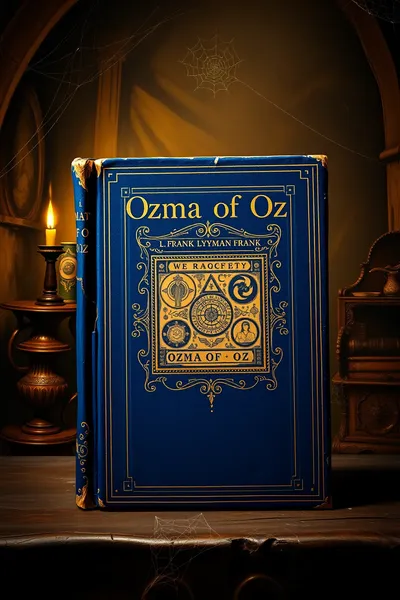
Ozma of Oz
📖
Ozma of Oz
Baum, L. Frank (Lyman Frank)
4.3
71
CLASSIC
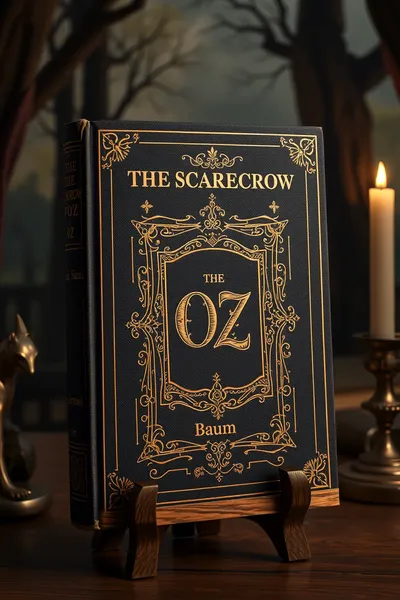
The Scarecrow of Oz
📖
The Scarecrow of Oz
Baum, L. Frank (Lyman Frank)
4.3
70
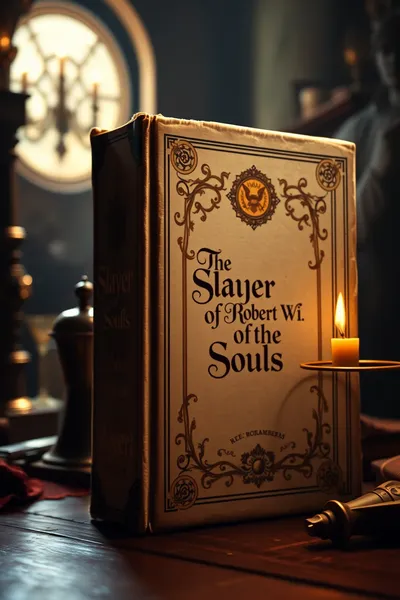
The Slayer of Souls
📖
The Slayer of Souls
Chambers, Robert W. (Robert William
4.3
70
The Prophet
📖
The Prophet
Gibran, Kahlil
4.4
73
Human Animals
📖
Human Animals
Hamel, Frank
4.3
70
MUST READ
The Mesnevi
📖
The Mesnevi
Jalal al-Din Rumi, Maulana
4.3
70
Daemonologie.
📖
Daemonologie.
James I, King of England
4.3
71
Satan
📖
Satan
Lewis Sperry Chafer
4.6
82
❤️ HEARTBREAKER
The Green Mouse
📖
The Green Mouse
Robert W. (Robert William) Chambers
4.4
75
HIDDEN GEM
Modern Magic
📖
Modern Magic
Schele de Vere, M. (Maximilian)
4.3
70
🧠 MIND-EXPANDING
The Upanishads
📖
The Upanishads
Swami [Translator] Paramananda
4.5
76
The Pursuit of God
📖
The Pursuit of God
Tozer, A. W. (Aiden Wilson)
4.3
72

Reading Order

Three paths · pick by your level

🌱

Beginner

  1. The Prophet Offers accessible spiritual wisdom and poetic insights into connecting with universal truths.
  2. The Upanishads Provides foundational Hindu philosophical concepts about the self and divine, crucial for understanding spiritual invocation.
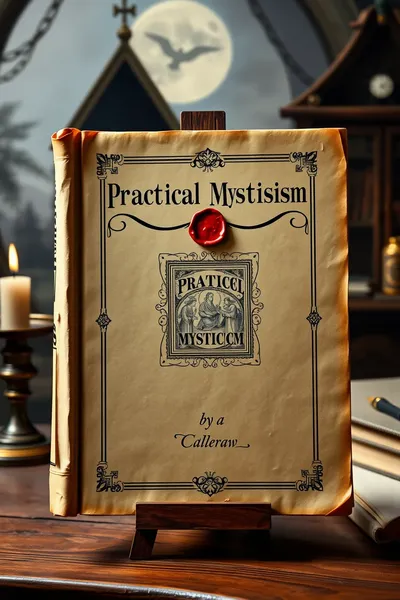
  3. Practical Mysticism Guides readers through practical steps for cultivating inner spiritual awareness and mystical experience.
🌿

Intermediate

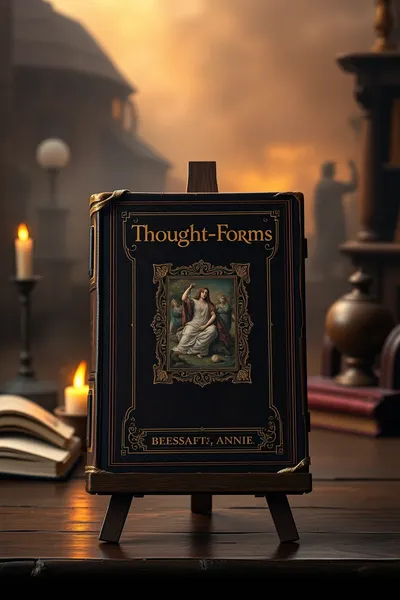
  1. Thought-Forms Explores the energetic nature of thoughts, offering a framework for how mental intention influences invocation outcomes.
  2. The Mesnevi Delves into profound Sufi mysticism and divine love, illustrating deep spiritual connection through poetic invocation.
  3. The Pursuit of God A Christian devotional classic that inspires a deeper, more intimate pursuit and invocation of God's presence.
🌳

Advanced

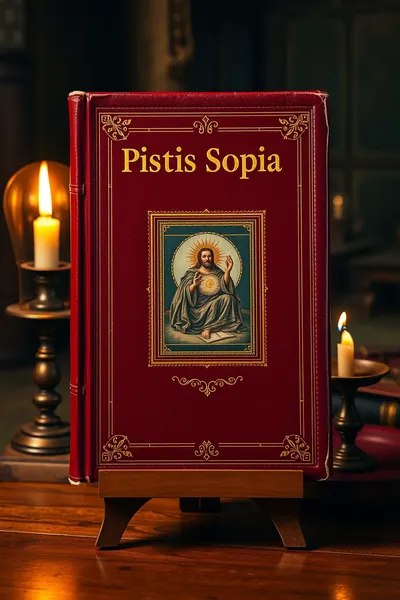
  1. Pistis Sophia A complex Gnostic text revealing intricate spiritual cosmologies and dialogues, offering deep mystical insights into divine beings.
  2. Daemonologie. Provides a historical and theological perspective on witchcraft and demonology, crucial for understanding the historical context of spirit invocation and evocation.
  3. Astral Worship Explores the worship of celestial bodies and their perceived influences, offering a look into ancient forms of astral invocation and spiritual cosmology.

Why Each Book Matters

Practical Mysticism

Practical Mysticism

Practical Mysticism by an unknown author offers guidance on cultivating inner spiritual awareness and experiencing divine presence in daily life. This accessible text provides methods for developing a mystical sensibility and connecting with deeper realities, which can be understood as an internal form of invocation, calling forth the divine within. It emphasizes direct experience over dogma.

Pistis Sophia

Pistis Sophia

Pistis Sophia is a significant Gnostic scripture that details the teachings of Jesus to his disciples after his resurrection, focusing on the complex cosmology and the journey of the soul through various spiritual realms. This ancient text is rich with invocations, prayers, and mystical formulas aimed at understanding and interacting with divine beings and light-emanations. It is believed to have been written between the 3rd and 4th centuries CE.

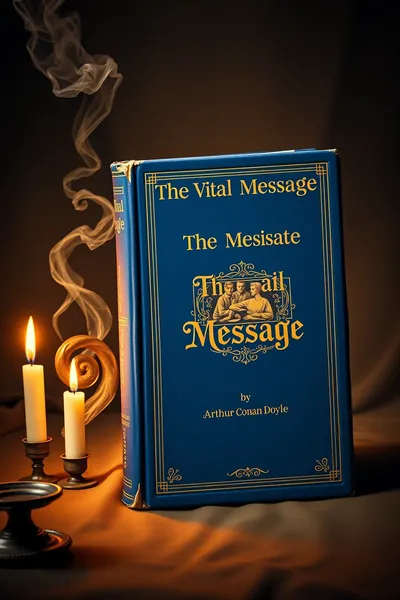
The Vital Message

The Vital Message

by Arthur Conan Doyle

The Vital Message by Arthur Conan Doyle presents his passionate arguments and evidence for the reality of Spiritualism and the continuation of consciousness after death. This work is highly relevant to invocation, as it details the author's belief in the possibility of communicating with spirits of the deceased through mediums and other means, essentially a modern form of calling upon the departed. It was published in 1919.

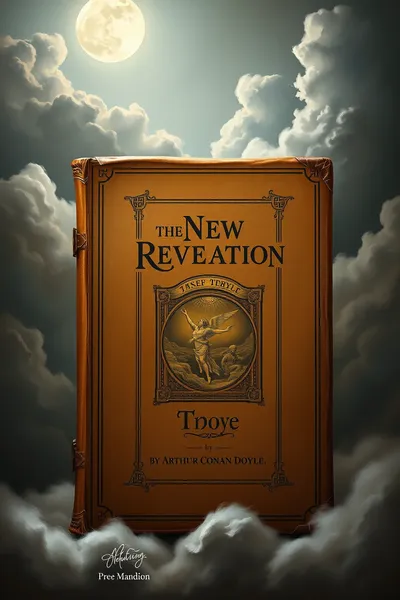
The New Revelation

The New Revelation

by Arthur Conan Doyle

The New Revelation by Arthur Conan Doyle chronicles his personal journey into Spiritualism and his conviction that communication with the dead is both possible and beneficial. This book serves as a testament to a specific form of invocation – reaching out to and receiving messages from the spirit world – and offers his reasons for embracing these beliefs. First published in 1918, it solidified his public stance on the subject.

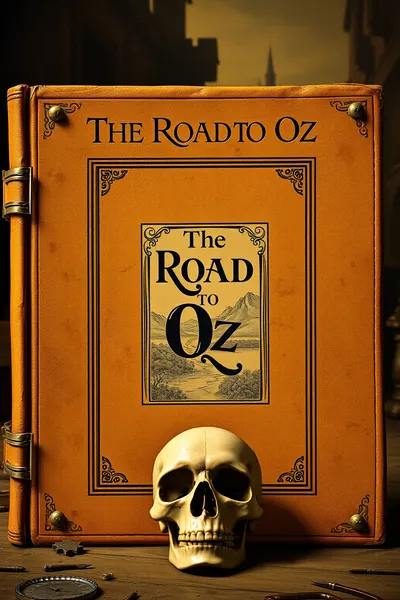
The Road to Oz

The Road to Oz

by Baum, L. Frank (Lyman Frank)

The Road to Oz by L. Frank (Lyman Frank) Baum invites readers on another imaginative adventure with Dorothy and her companions as they journey to Oz for Princess Ozma's birthday. While a children's fantasy, the quest for magical solutions and the gathering of diverse characters can be seen as a lighthearted reflection of seeking aid or guidance from extraordinary sources, a form of gentle invocation. This edition features vibrant descriptions of the colorful characters.

Ozma of Oz

Ozma of Oz

by Baum, L. Frank (Lyman Frank)

Ozma of Oz by L. Frank (Lyman Frank) Baum continues the whimsical adventures in the magical land of Oz, where Dorothy encounters new friends and challenges. Although a children's fantasy, the imaginative power and the characters' desires for assistance from magical beings can be seen as a playful parallel to the concept of invocation. This book introduces the character Billina, a talking hen, and Tik-Tok, a mechanical man.

The Scarecrow of Oz

The Scarecrow of Oz

by Baum, L. Frank (Lyman Frank)

The Scarecrow of Oz by L. Frank (Lyman Frank) Baum tells the story of Cap'n Bill and Trot's adventures in Oz, featuring the beloved Scarecrow in a central role. As with other Oz tales, the characters frequently encounter magical beings and seek their aid in overcoming obstacles, reflecting a child-friendly interpretation of seeking assistance from powerful, magical entities, a gentle form of invocation. It was published in 1915.

Thought-Forms

Thought-Forms

by Besant, Annie

Thought-Forms by Annie Besant and C.W. Leadbeater explores the Theosophical concept that thoughts generate visible, energetic forms on the astral plane. This work is highly relevant to invocation, as it suggests how mental intention and visualization can create tangible energetic structures that aid in calling forth specific spiritual energies or entities. The book features detailed illustrations of these thought-forms, first published in 1901.

The Slayer of Souls

The Slayer of Souls

by Chambers, Robert W. (Robert William)

The Slayer of Souls by Robert W. (Robert William) Chambers is an occult thriller featuring secret societies, psychic powers, and dark magical practices. The narrative often involves characters attempting to harness or control supernatural forces, which can be interpreted as forms of dangerous invocation or evocation within a fictional context. Published in 1920, it is known for its blend of mystery and the supernatural.

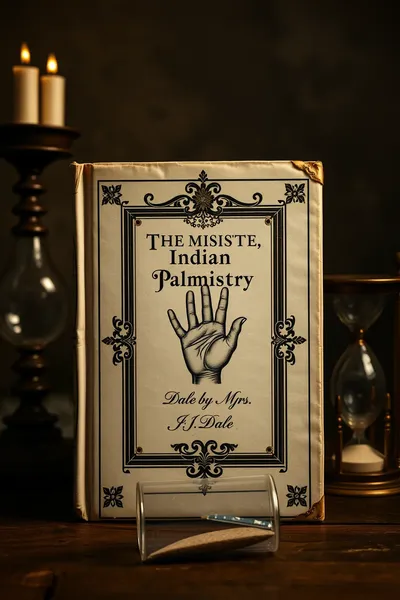
Indian Palmistry

Indian Palmistry

by Dale, J. B., Mrs.

Indian Palmistry by Mrs. J. B. Dale offers an introduction to the ancient art of palm reading, interpreting the lines, mounts, and shapes of the hand to reveal insights into an individual's character and destiny. While a form of divination rather than invocation, it represents a practice of seeking hidden knowledge or guidance from the subtle energies believed to be reflected in one's palm. This book provides a practical guide to the subject.

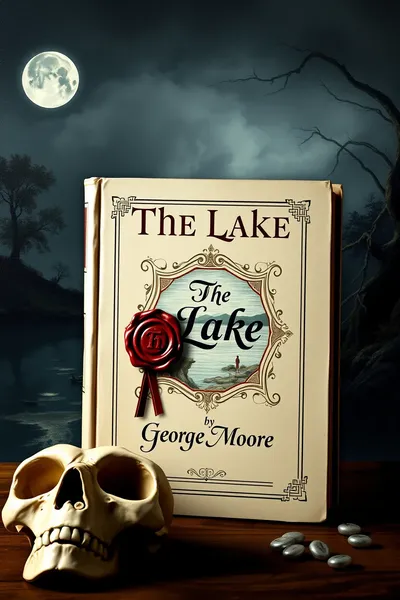
The Lake

The Lake

by George Moore

The Lake by George Moore is a novel exploring themes of spiritual conflict, personal freedom, and the search for meaning within a secluded Irish community. While not directly about occult invocation, its narrative delves into the inner turmoil and spiritual awakenings of its characters, akin to an internal invocation of one's true self. Published in 1905, it is noted for its lyrical prose and psychological depth.

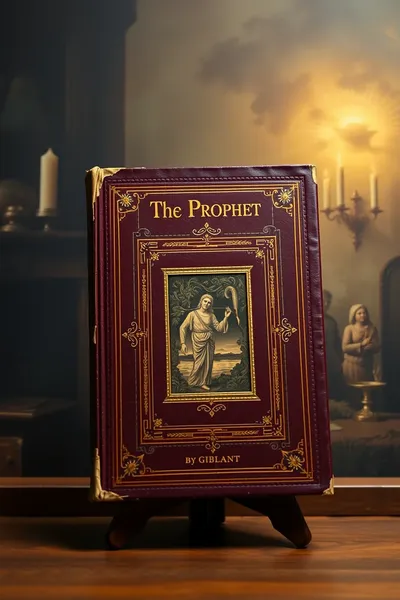
The Prophet

The Prophet

by Gibran, Kahlil

The Prophet by Kahlil Gibran is a beloved collection of philosophical essays and poetic reflections on life, love, and spirituality. While not a manual for ritualistic invocation, its profound insights encourage a spiritual calling and connection to universal wisdom. The prophet Almustafa shares timeless truths on topics such as joy, sorrow, freedom, and reason, inspiring readers to invoke deeper self-understanding.

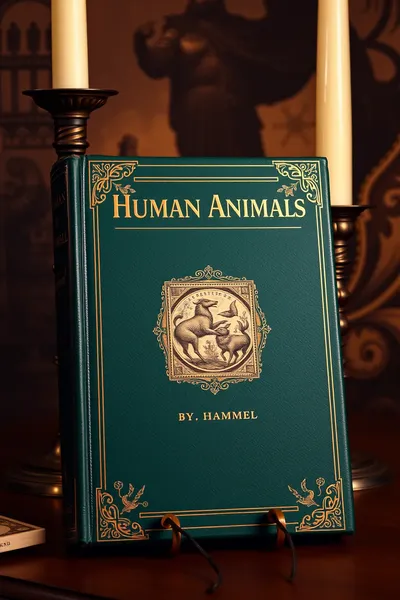
Human Animals

Human Animals

by Hamel, Frank

Human Animals by Frank Hamel explores folklore and legends surrounding shapeshifting, werewolves, and other human-animal transformations. While not directly about magical invocation, it delves into the mystical connection between humans and the animal kingdom, and beliefs about how spirits or essences can be embodied or invoked through transformation. The book compiles various cultural myths and historical accounts of such phenomena.

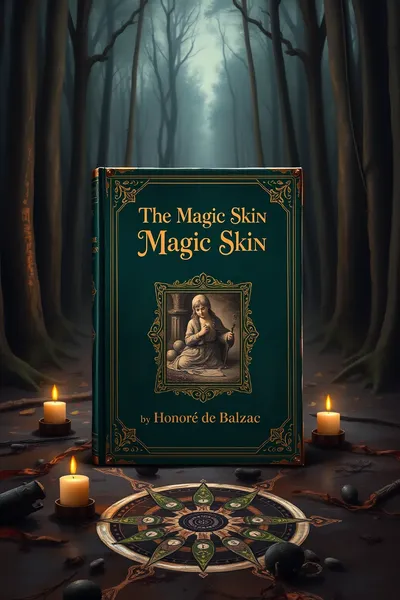
The Magic Skin

The Magic Skin

by Honoré de Balzac

The Magic Skin by Honoré de Balzac is a philosophical novel centered on a magical piece of shagreen that grants its owner's desires but shrinks with each wish, shortening his life. This narrative powerfully explores the consequences of invoking one's deepest desires and the price of unchecked ambition. First published in 1831, it is a key work in Balzac's 'La Comédie humaine' series.

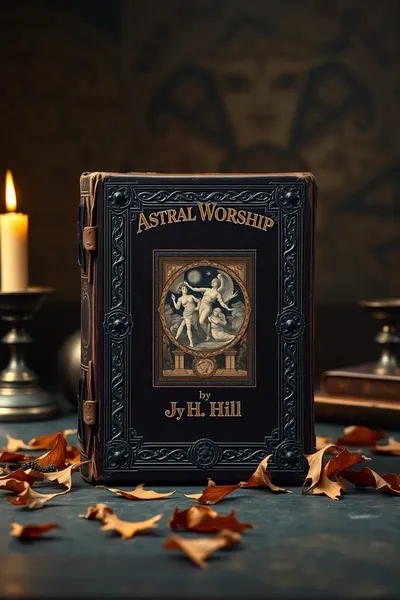
Astral Worship

Astral Worship

by J. H. Hill

Astral Worship by J. H. Hill explores the historical and mythological significance of celestial bodies in ancient religions and spiritual practices. The book examines how various cultures attributed divine qualities to stars and planets, leading to forms of worship and invocation directed at these astral entities. This work provides insight into the astrological and astronomical roots of many esoteric traditions.

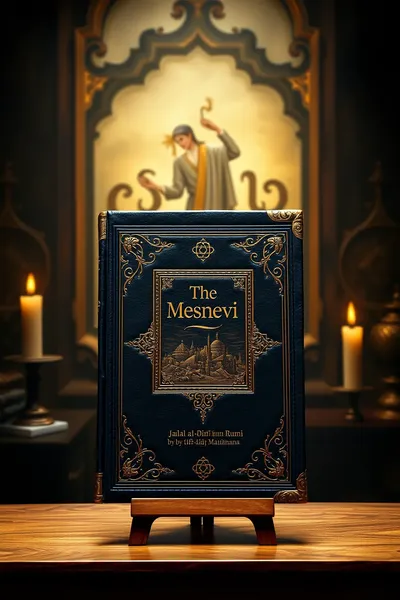
The Mesnevi

The Mesnevi

by Jalal al-Din Rumi, Maulana

The Mesnevi by Jalal al-Din Rumi, Maulana is a monumental work of Sufi poetry, expressing the ecstatic pursuit and invocation of divine love and union with the Beloved. Rumi's verses are a powerful testament to spiritual yearning and the profound inner transformation achieved through devotion. This extensive collection of mystical narratives and lyrical reflections is considered a masterpiece of Persian literature.

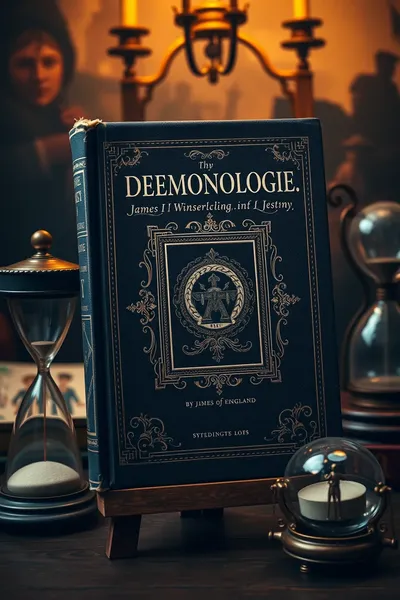
Daemonologie.

Daemonologie.

by James I, King of England

Daemonologie. by James I, King of England is a philosophical dissertation on witchcraft and demonology, reflecting the monarch's strong beliefs in the reality and dangers of spirits. This text provides crucial historical context for understanding the societal fears and legal ramifications associated with the invocation and evocation of supernatural beings during the 16th century. It was originally published in 1597 in Edinburgh.

Faust — Part 1

Faust — Part 1

by Johann Wolfgang von Goethe

Faust — Part 1 by Johann Wolfgang von Goethe is a monumental drama depicting the scholar Faust's pact with the demon Mephistopheles. This work is a quintessential exploration of evocation and invocation, as Faust calls upon infernal powers to transcend human limitations and experience ultimate knowledge and pleasure. Published in 1808, it is considered one of the greatest works of German literature.

The Road to Oz

The Road to Oz

by L. Frank (Lyman Frank) Baum

The Road to Oz by L. Frank (Lyman Frank) Baum is another enchanting journey into the land of Oz, where Dorothy encounters a host of new and familiar characters. Similar to other Oz books, it showcases the power of imaginative worlds and the desires that drive characters to seek magical assistance or guidance, a whimsical form of invocation. This particular installment features a grand birthday party for Princess Ozma.

Satan

Satan

by Lewis Sperry Chafer

In Satan, Lewis Sperry Chafer provides a theological examination of the figure of Satan, discussing his origins, nature, and role within Christian doctrine. This work offers insight into the entity often subjected to both invocation and exorcism in various spiritual practices, reflecting a traditional perspective on spiritual adversaries. Chafer was a prominent dispensationalist theologian and the first president of Dallas Theological Seminary.

The Green Mouse

The Green Mouse

by Robert W. (Robert William) Chambers

The Green Mouse by Robert W. (Robert William) Chambers is a whimsical and fantastical novel that blends elements of romance, mystery, and scientific invention. While not directly about occult invocation, its narrative often involves strange occurrences and the unfolding of unexpected events, hinting at unseen forces or magical influences at play. Published in 1905, it showcases Chambers's imaginative storytelling beyond his horror works.

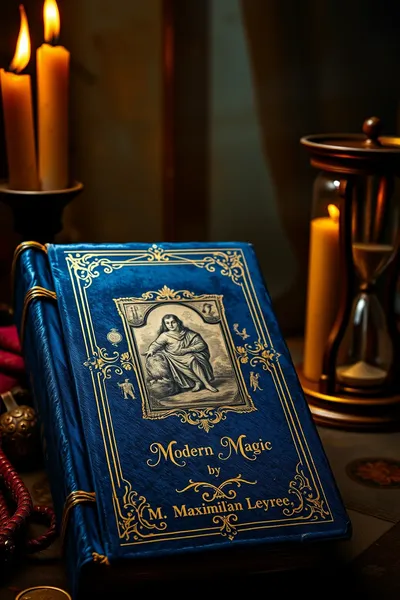
Modern Magic

Modern Magic

by Schele de Vere, M. (Maximilian)

Modern Magic by M. (Maximilian) Schele de Vere provides a historical survey of magic, superstition, and occult beliefs across various cultures and eras. While not a practical guide to invocation, it contextualizes the human fascination with unseen forces and the methods used to interact with them throughout history. Published in 1873, it offers insights into cultural perceptions of magical practices and their evolution.

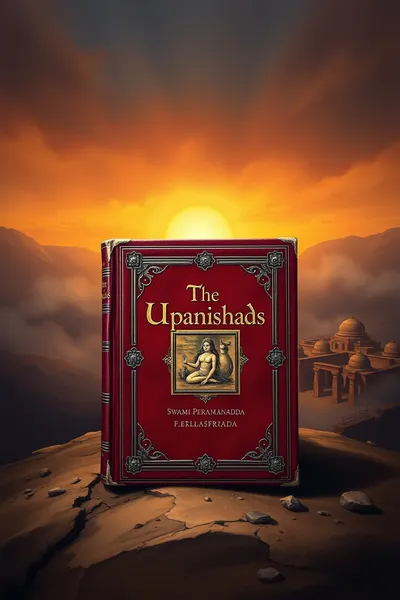
The Upanishads

The Upanishads

by Swami [Translator] Paramananda

The Upanishads, translated by Swami Paramananda, are foundational scriptures of Hinduism, delving into profound philosophical concepts such as Brahman (the ultimate reality) and Atman (the individual soul). These texts are crucial for understanding the spiritual basis of inner invocation, emphasizing the search for self-knowledge and divine union through meditation and contemplation. They form the concluding part of the Vedas.

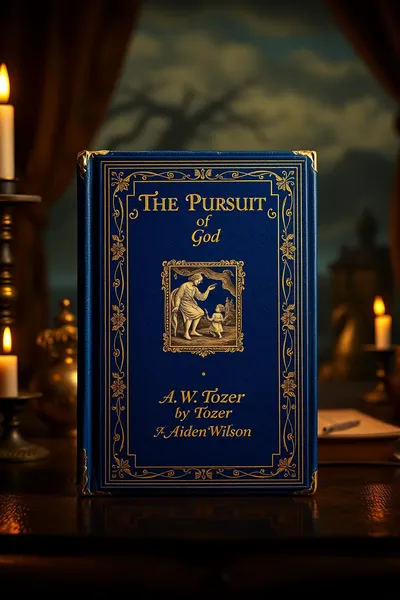
The Pursuit of God

The Pursuit of God

by Tozer, A. W. (Aiden Wilson)

The Pursuit of God by A. W. (Aiden Wilson) Tozer is a classic work of Christian devotional literature that encourages a deep, personal, and continuous seeking of God's presence. While rooted in Christian theology, its emphasis on fervent spiritual yearning and intimate communion with the divine aligns closely with the essence of spiritual invocation. Published in 1948, it remains a powerful call to a deeper spiritual life.

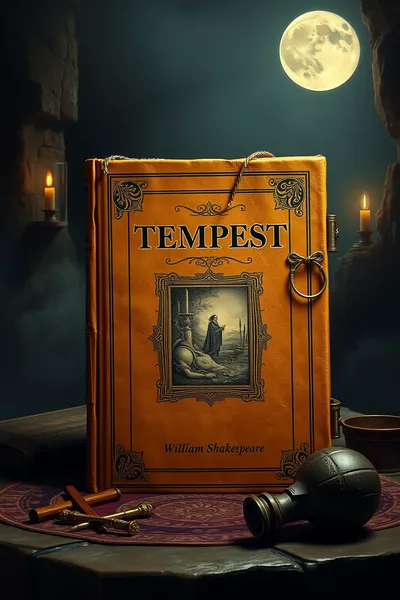
The Tempest

The Tempest

by William Shakespeare

The Tempest by William Shakespeare is a captivating play rich with themes of magic, illusion, and the manipulation of spirits. Prospero, the exiled Duke, masterfully uses his invoked spirits, like Ariel, to exact revenge and restore his rightful place. This classic work offers a profound literary exploration of power gained through magical command and the consequences of such invocation. It is believed to be one of Shakespeare's last solo plays, written around 1610–1611.

Glossary

Invocation
The act of reverently calling upon a deity, spirit, or higher power for communion, guidance, or to embody its qualities, often for spiritual growth or assistance.
Evocation
The practice of summoning or compelling a spirit or entity to appear, often with the intention of commanding it or obtaining information, distinct from invocation.
Theurgy
A form of ritual magic aimed at invoking divine intervention or achieving union with the divine, often through a series of purifying and elevating practices.
Ceremonial Magic
A system of magical practice involving elaborate rituals, specific tools, and symbolic actions, often used for the invocation or evocation of spirits and divine forces.
Divine Union
A mystical state sought through invocation, meditation, or prayer, where an individual experiences profound oneness or direct connection with the divine source.

FAQ

What is Invocation?

Invocation is the reverent act of calling upon a deity, spirit, or higher power for communion, guidance, or to embody its qualities. It aims for spiritual connection and internal transformation, distinguishing it from commanding a spirit.

How do I start with Invocation?

Begin by studying foundational texts on spiritual practices, meditation, and prayer to understand the principles of Invocation. Start with simple practices like focused prayer or mindful meditation, setting clear intentions for spiritual connection. Research different traditions to find an approach to Invocation that resonates with your personal beliefs and comfort level.
What's the best book on Invocation?

The 'best' book on Invocation depends on your path, but The Mesnevi by Jalal al-Din Rumi, Maulana offers profound spiritual depth. For historical context, Daemonologie. by James I, King of England is invaluable. For general spiritual inspiration, The Prophet by Kahlil Gibran provides an accessible entry point to the spirit of Invocation.
Is Invocation difficult to learn?

Invocation can range from simple, heartfelt prayer to complex ceremonial rituals, so its difficulty varies. The core principles are accessible, but mastering specific techniques or achieving profound spiritual states through Invocation requires dedication, practice, and often guidance. Patience and consistent effort are key to developing a meaningful practice of Invocation.
Can I download Invocation books for free?

Yes, on Esoteric Library, you can download numerous public domain books on Invocation and related spiritual topics for free. Our collection provides a wealth of historical and philosophical texts to support your exploration of Invocation without any cost. Browse our extensive selection to find the resources you need.

Esoteric Library
Browse Esoteric Library
📚 All 16,000+ Books 🜍 Alchemy & Hermeticism 🔮 Magic & Ritual 🌙 Witchcraft & Paganism Astrology & Cosmology 🃏 Divination & Tarot 📜 Occult Philosophy ✡️ Kabbalah & Jewish Mysticism 🕉️ Mysticism & Contemplation 🕊️ Theosophy & Anthroposophy 🏛️ Freemasonry & Secret Societies 👻 Spiritualism & Afterlife 📖 Sacred Texts & Gnosticism 👁️ Supernatural & Occult Fiction 🧘 Spiritual Development 📚 Esoteric History & Biography
Esoteric Library
📑 Collections 📤 Upload Your Book
Account
🔑 Sign In Create Account
Info
About Esoteric Library