What is Druidism?
Druidism is a spiritual or religious movement inspired by the ancient Celtic priesthood known as the Druids. While historical records are scarce and often filtered through Roman accounts, modern Druidry encompasses a wide range of practices, including nature worship, reverence for ancestors, and the pursuit of wisdom. It emphasizes a connection to the natural world, often incorporating seasonal festivals and earth-centered spirituality. Contemporary Druidry is diverse, with various traditions and interpretations existing today.
Best Books for Complete Beginners
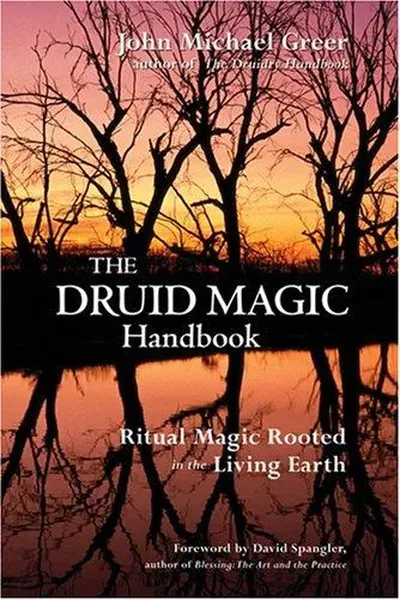
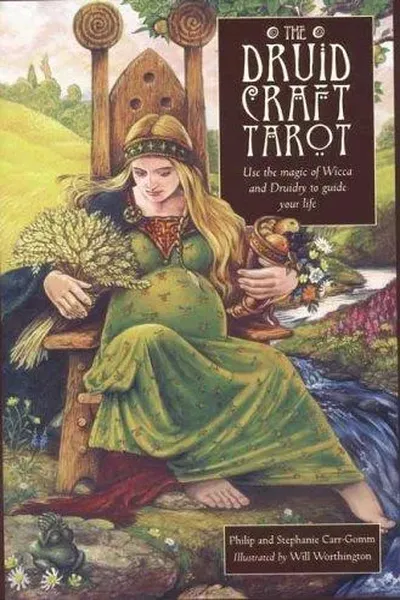
For those new to Druidism, starting with accessible introductions is key. Ellen Evert Hopman's 'Celtic Druidry' offers a clear overview of core beliefs and practices. John Michael Greer's 'The Druid magic handbook' provides a practical guide to Druidic magic and ritual, explaining concepts for newcomers. Philip Carr-Gomm's 'Druidcraft Tarot' offers a unique entry point through divination, linking Tarot symbolism to Druidic themes. Donna L. Huntriss's 'Druid's Oracle Card Deck Book' also serves as an accessible tool for exploring Druidic insights through oracle cards.
Intermediate Reading
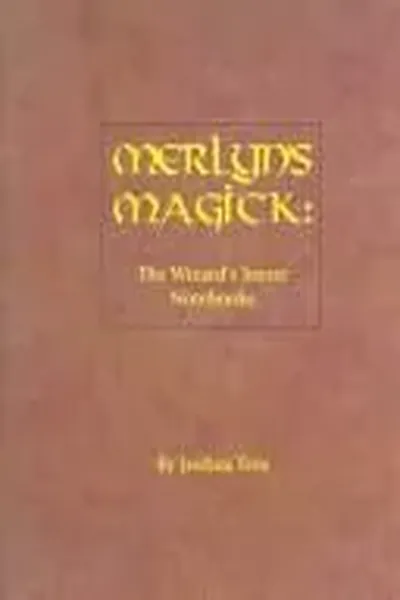
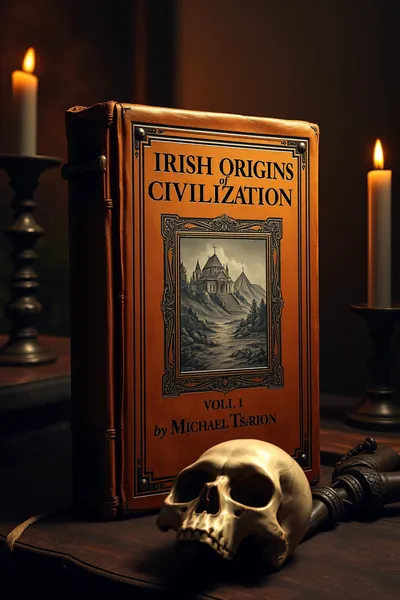
Building on foundational knowledge, intermediate texts delve deeper into specific aspects of Druidry. Michael Tsarion's 'Irish Origins of Civilization Vol 1' (2008) explores ancient Celtic history and its potential connections to Druidic practices. Nigel Pennick's 'The Celtic oracle' provides advanced tools for divination and understanding Celtic symbolism. Lewis Spence's 'The mysteries of Britain' offers a scholarly yet engaging examination of Celtic lore and its relation to Druidism. Joshua Free's 'Merlyn's Magick' explores the magical traditions associated with figures like Merlin, often linked to Druidic heritage.
Classical / Advanced Texts
Advanced study requires engaging with primary sources and detailed historical analyses. William Stukeley's works, such as 'Stonehenge, a Temple Restor'd to the British Druids' and 'Abury, A Temple of the British Druids', represent foundational, albeit dated, archaeological interpretations. 'Irish Druids And Old Irish Religions' (Part I, 1894) offers a historical perspective on early scholarship. For a different lens, Eugène Sue's 'The Gold Sickle; Or, Hena, The Virgin of The Isle of Sen. A Tale of Druid Gaul' is a fictional exploration of Druidic Gaul. Steven L. Akins' 'The Lebor Feasa Runda' offers insights into esoteric traditions.
Reading Order — Step by Step
Begin with an overview like 'Celtic Druidry' by Ellen Evert Hopman in Weeks 1-2. In Month 2, explore practical magic with 'The Druid magic handbook' by John Michael Greer and divination using 'Druidcraft Tarot' by Philip Carr-Gomm. Month 3 can focus on historical context with 'Irish Druids And Old Irish Religions' (1894) and 'The mysteries of Britain' by Lewis Spence. For advanced study, dedicate Month 4 onwards to works like Stukeley's 'Stonehenge, a Temple Restor'd to the British Druids' and Tsarion's 'Irish Origins of Civilization Vol 1'.
Frequently Asked Questions
Which Druidism book should I read first?
Start with 'Celtic Druidry' by Ellen Evert Hopman for a solid introduction to the core concepts and practices of modern Druidry.
Are modern Druid books historically accurate?
Historical accuracy varies. Works like Stukeley's are valuable for understanding early interpretations, while modern books often blend historical research with spiritual practice.
What is the difference between ancient and modern Druidism?
Ancient Druidism is known primarily through limited historical accounts. Modern Druidry is a diverse spiritual path inspired by those accounts, adapting them for contemporary life.
Do I need to be Celtic to practice Druidry?
No, modern Druidry is open to all people regardless of ethnic background. It emphasizes a connection to nature and ancestral wisdom.
What are the main festivals in Druidry?
Druidry often celebrates the 'Wheel of the Year,' which includes festivals like Imbolc, Beltane, Lughnasadh, Samhain, and the solstices and equinoxes.
Is Druidism a religion or a philosophy?
It can be considered both. For many, it is a spiritual path and religion focused on nature and the divine, while for others, it is a philosophy of life and connection.
Where can I find primary sources on ancient Druids?
Primary sources are scarce and often written by non-Druids like Julius Caesar. Works like 'Irish Druids And Old Irish Religions' (1894) analyze these historical fragments.