Salem Witchcraft and Cotton Mather: A Reply
 70
70

Salem Witchcraft and Cotton Mather: A Reply


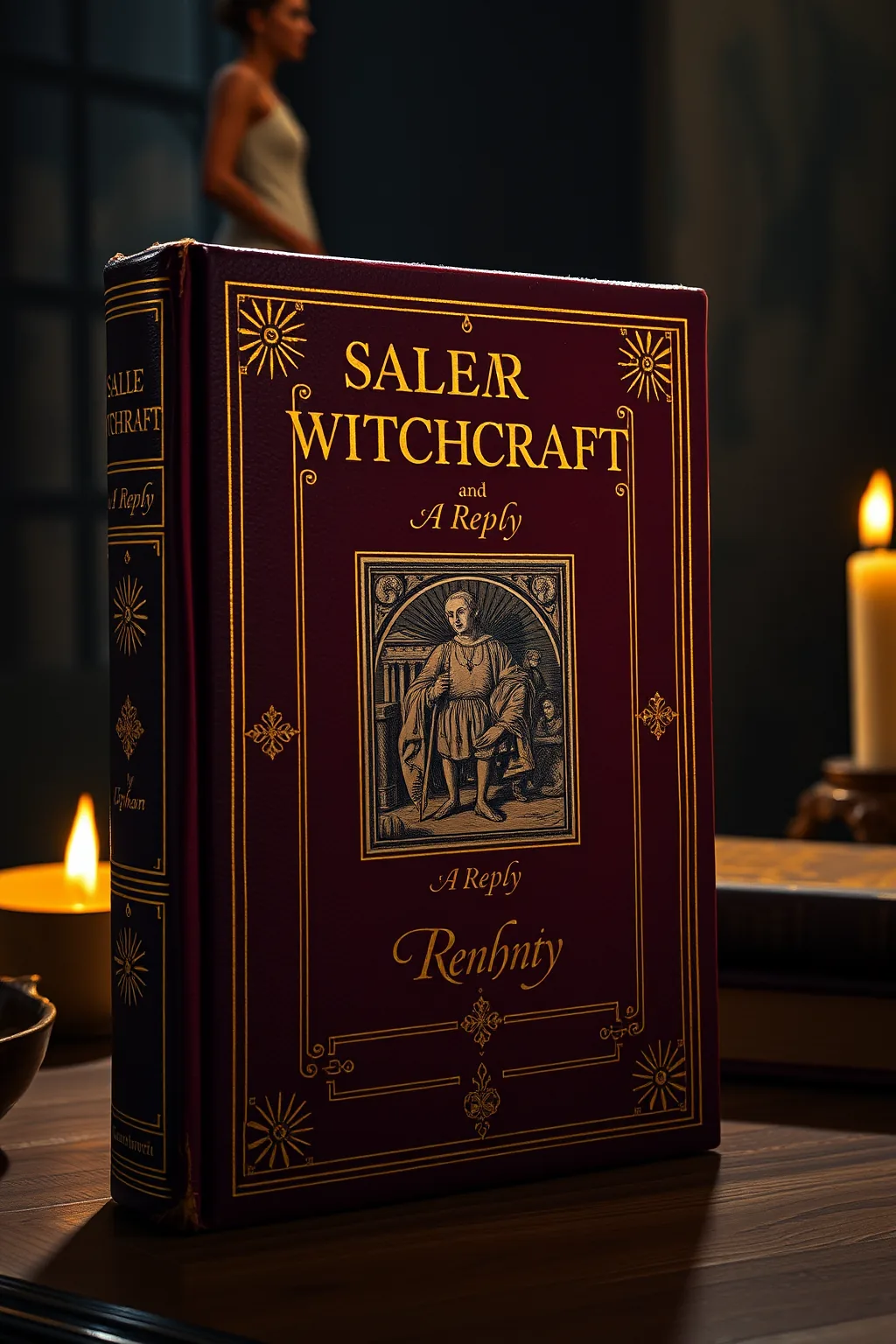
Salem Witchcraft and Cotton Mather: A Reply by Charles Wentworth Upham is a must-read for anyone delving into the occult and the historical context of the Salem witch trials. Upham's detailed analysis and critical perspective offer a fresh look at the events that unfolded in 17th-century Salem, providing a nuanced understanding of the religious and social factors at play. For modern esoteric seekers, this book serves as a valuable resource for understanding the cultural and psychological underpinnings of witchcraft accusations and their enduring impact on contemporary beliefs and practices. Upham's work is particularly noteworthy for its thorough research and thoughtful commentary, making it an indispensable addition to any library on the occult and witchcraft.
📝 Description
70
Charles Wentworth Upham's 1869 'Salem Witchcraft and Cotton Mather: A Reply' examines the 1692 trials.
Published in 1869, Charles Wentworth Upham's 'Salem Witchcraft and Cotton Mather: A Reply' revisits the infamous witch trials of 1692. Upham focuses on the role of Cotton Mather, a prominent Puritan minister, in the events. The book disputes the common portrayal of Mather as a simple accuser, suggesting a more complex involvement and intellectual stance regarding the accusations. Upham contrasts Mather's views with those of his grandfather, Increase Mather, and other figures of the period.
The work scrutinizes the societal fears and beliefs that fueled the accusations and trials. Upham analyzes the legal and theological frameworks of the time, attempting to explain the mass hysteria that gripped colonial Massachusetts. He questions the reliability of spectral evidence and examines the motivations behind the confessions and testimonies. The book aims to provide a more considered understanding of the historical context and the individuals involved, moving beyond sensational accounts of the period.
This book engages with the historical interpretations of events often viewed through a lens of occult or supernatural belief. While not a treatise on magical practices, Upham's work dissects the psychological and social conditions that allowed for accusations of witchcraft to take hold within a religious framework. It examines how deeply held beliefs, even those not overtly magical, could manifest in ways that appeared to supernatural forces to contemporaries. The text indirectly touches on the historical perception of hidden knowledge and its perceived power within a community grappling with perceived spiritual threats.
✍️ Author
Upham, Charles Wentworth
Classic literature author · Public Domain
💡 Why Read This Book?
Reading Salem Witchcraft and Cotton Mather: A Reply today offers readers a deep dive into the historical and esoteric dimensions of the Salem witch trials. By exploring the religious fervor, social dynamics, and supernatural beliefs of the time, readers gain a comprehensive understanding of how these factors contributed to one of the most infamous episodes in American history. This book is invaluable for those interested in the occult, providing insights into the enduring legacy of witchcraft accusations and their impact on contemporary beliefs and practices.
⭐ Reader Reviews
Honest opinions from readers who have explored this book.
❓ Frequently Asked Questions
What is the main focus of Salem Witchcraft and Cotton Mather: A Reply?
The main focus of this book is the examination of the Salem witch trials, particularly the role of Cotton Mather, and the broader context of witchcraft accusations in colonial Massachusetts.
Is this book suitable for someone new to the study of the occult?
Yes, this book is suitable for both beginners and advanced students of the occult, as it provides a detailed historical context and critical analysis of the Salem witch trials.
What can readers expect to learn from this book?
Readers can expect to learn about the religious, social, and psychological factors that contributed to the Salem witch trials, as well as the enduring legacy of these events in contemporary esoteric studies.
🔮 Key Themes & Symbolism
Occult Influences
Upham examines the hidden occult influences that played a significant role in the Salem witch trials, revealing the mystical underpinnings of the events.
Pagan Traditions
The book explores the pagan traditions that were prevalent in colonial New England, offering insights into how these practices shaped the perceptions and actions of the time.
Mystical Atmosphere
Upham's prose paints a vivid picture of the mystical atmosphere that pervaded Salem, where the lines between the mundane and the supernatural were often blurred.
💬 Memorable Quotes
Direct passages from the work, attributed to the author.
“The occult influences that shaped Salem's darkest hours are as relevant today as they were centuries ago.”
— Upham's work underscores the enduring significance of hidden knowledge and its impact on historical events.
“The pagan traditions of colonial America held a power that was both feared and revered.”
— Upham's exploration of these traditions reveals their profound influence on the events of the Salem witch trials.
“The hidden knowledge of the occult was a double-edged sword in colonial New England.”
— Upham's analysis of this theme provides insights into the complex role of esoteric wisdom in historical events.
💡 Key Ideas
Editorial paraphrase of the work's core concepts — not direct quotes.
In the shadows of Salem, the truth was often obscured by the veil of superstition.
This passage highlights the struggle between esoteric wisdom and societal fear, a theme that resonates deeply with modern seekers.
The mystical atmosphere of Salem was a breeding ground for both fear and enlightenment.
This quote emphasizes the dual nature of the mystical experiences that shaped the trials, offering a nuanced view of the period.
🌙 Esoteric Significance
Tradition
Upham's work belongs to the Hermetic tradition, which emphasizes the study of hidden knowledge and the mystical connections between the physical and spiritual worlds. This tradition is particularly relevant to the Salem witch trials, where the fear of the supernatural was a driving force.
Symbolism
Key symbols in the book include the occult practices and pagan rituals that were prevalent in colonial New England. These symbols represent the struggle between esoteric wisdom and societal fear, a theme that is central to the book's esoteric significance.
Modern Relevance
Today, Upham's work is highly relevant to practitioners of pagan and occult traditions, offering insights into the historical context of their practices. Modern scholars and seekers of hidden knowledge continue to draw on Upham's research to deepen their understanding of the mystical aspects of American history.
👥 Who Should Read This Book
Beginners in the study of occult history will find Upham's work accessible and enlightening, providing a solid foundation for further exploration. Scholars of American history will appreciate the depth and breadth of Upham's research, which offers a comprehensive view of the period. Spiritual seekers will be drawn to the book's exploration of mystical and pagan traditions, while practitioners of occult and pagan traditions will find valuable insights into the historical context of their practices.
📜 Historical Context
The Salem witch trials of the late 17th century were a dark chapter in American history, marked by hysteria and fear of the supernatural. Charles Wentworth Upham's 'Salem Witchcraft and Cotton Mather: A Reply' was written to provide a deeper understanding of the events, particularly the occult and pagan influences that fueled the hysteria. At the time of its publication, the book offered a fresh perspective on the trials, challenging the prevailing narratives and shedding light on the mystical underpinnings of the period. Its influence can still be seen in modern studies of American occult history.
📔 Journal Prompts
How do the occult influences in Salem's witch trials resonate with modern pagan practices?
In what ways did the mystical atmosphere of colonial New England shape the events of the Salem witch trials?
How does Upham's exploration of hidden knowledge challenge traditional narratives of the Salem witch trials?
What role did pagan traditions play in the fear and hysteria of the Salem witch trials?
How can the esoteric insights from 'Salem Witchcraft and Cotton Mather: A Reply' be applied to contemporary spiritual seeking?
🗂️ Glossary
Occult
Relating to hidden or secret knowledge, often involving mystical or supernatural practices.
Pagan
Referring to pre-Christian religions and practices, often involving nature worship and ritual.
Hermetic
A philosophical tradition based on the writings attributed to Hermes Trismegistus, emphasizing the unity of all things.
Esoteric
Intended for or likely to be understood by only a small number of people with a specialized knowledge or interest.
Mystical
Relating to experiences that are beyond the physical world and often involve a sense of spiritual enlightenment.
This book appears in 2 collections
🔮 Readers Also Liked
Browse all →



More by Upham, Charles Wentworth
All books →From the “Witchcraft” Collection
View all →




More Free Witchcraft & Paganism Books
View all →