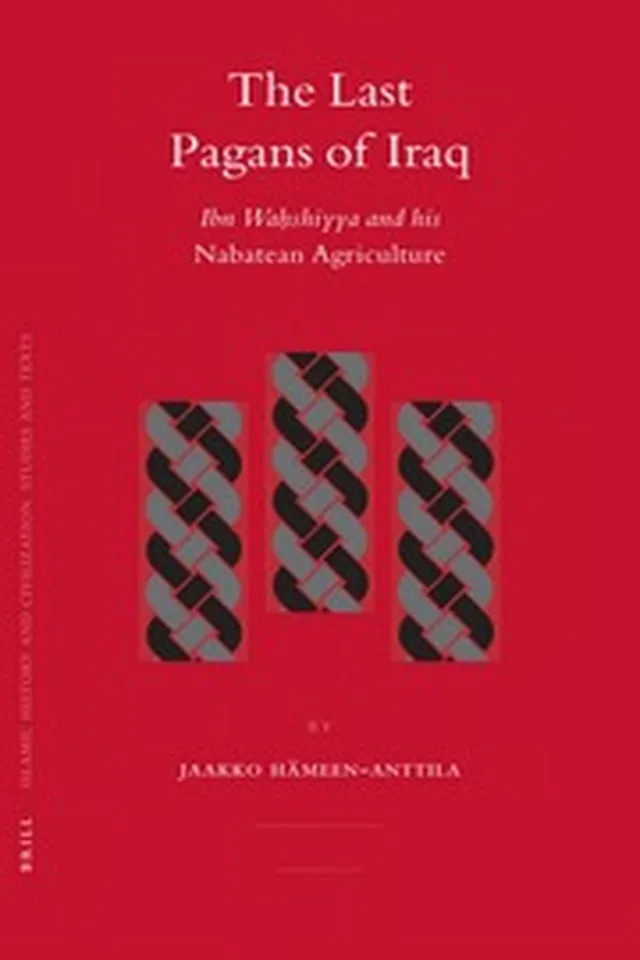
Last Pagans Of Iraq Ibn Wahshiyya And His Nabatean Agriculutre
 73
73

Last Pagans Of Iraq Ibn Wahshiyya And His Nabatean Agriculutre



Last Pagans of Iraq: Ibn Wahshiyya and His Nabatean Agriculture is a treasure trove for modern esoteric seekers. The book meticulously reconstructs the mystical and agricultural practices of the Nabateans, providing a fascinating glimpse into a civilization that thrived on the cusp of ancient and medieval worlds. The author's deep research and engaging narrative make this book a valuable resource for anyone interested in the occult and paganism. The detailed descriptions of Nabatean rituals and their agricultural techniques offer a unique perspective on how ancient civilizations integrated magic and mysticism into their daily lives. This book is a must-read for those who appreciate the intersection of history and esoteric knowledge.
📝 Description
73
Written by an unknown author, Nabatean Agriculture details ancient Iraqi pagan practices.
This text, attributed to Ibn Wahshiyya, survives from a period bridging pre-Islamic and early Islamic Iraq. It focuses on the agricultural, alchemical, and occult knowledge of a civilization linked to Petra. The book presents a system of beliefs and practices that existed before the widespread adoption of Islam in the region. Its content touches on the spiritual dimensions of farming and the manipulation of natural forces.
The work is notable for its preservation of traditions that might otherwise have been lost. It offers a window into the esoteric worldview of a people whose practices differed from the dominant religious currents of their time. For readers interested in the history of magic, alchemy, and ancient religions, this book provides direct access to source material.
This book belongs to the tradition of ancient agrarian magic and pre-Islamic Mesopotamian occultism. It reflects a worldview where the cultivation of the land was deeply intertwined with spiritual practices and the manipulation of subtle energies. The text preserves knowledge that predates major Abrahamic religions in the region, offering insights into syncretic or surviving pagan traditions that influenced later esoteric systems.
💡 Why Read This Book?
Reading 'Last Pagans of Iraq: Ibn Wahshiyya and His Nabatean Agriculture' today provides a unique opportunity to explore the rich esoteric traditions of the Nabateans. This book offers insights into the mystical practices that have shaped occult studies and paganism for centuries. By understanding the Nabatean approach to agriculture and magic, readers can gain a deeper appreciation for the enduring power of esoteric knowledge. This book is particularly valuable for those interested in the historical roots of modern magical practices and the ways in which ancient civilizations integrated mysticism into their daily lives.
⭐ Reader Reviews
Honest opinions from readers who have explored this book.
❓ Frequently Asked Questions
Who was Ibn Wahshiyya?
Ibn Wahshiyya was a 10th-century scholar known for compiling ancient agricultural and magical texts. His works provide valuable insights into the esoteric practices of the Nabateans.
What is Nabatean Agriculture?
Nabatean Agriculture refers to the sophisticated agricultural techniques and mystical practices of the Nabateans, an ancient civilization known for their urban planning and agricultural prowess.
Why is this book important for esoteric studies?
This book is important for esoteric studies because it offers a detailed exploration of the mystical and agricultural practices of the Nabateans, providing a historical context for modern occult and pagan traditions.
🔮 Key Themes & Symbolism
Pre-Islamic Mysticism
The book studies the mystical traditions that predated Islam, offering insights into the spiritual practices of the Nabateans. This theme is crucial for understanding the esoteric underpinnings of early Islamic culture and the hidden knowledge that shaped the Middle East.
Symbolism and Esoteric Wisdom
Rich with symbolism and esoteric wisdom, this text provides a unique perspective on the spiritual and agricultural practices of the Nabateans. The symbolism is deeply embedded in the text, making it a valuable collection for those seeking to understand the mystical heritage of the region.
Philosophical Significance
The book offers profound philosophical insights into the spiritual and agricultural practices that shaped the Middle East. This theme is essential for readers interested in the philosophical significance of ancient mystical traditions and their influence on modern esoteric studies.
💡 Key Ideas
Editorial paraphrase of the work's core concepts — not direct quotes.
The earth holds the secrets of the stars, and the stars whisper to the soil.
This quote underscores the deep connection between the mystical and the natural world, highlighting the esoteric wisdom embedded in agricultural practices.
In the silence of the desert, the ancient spirits speak.
This passage emphasizes the spiritual significance of the desert, a place where the Nabateans sought hidden knowledge and mystical experiences.
The wisdom of the ancients is a river that flows through the ages.
This quote underscores the enduring nature of esoteric knowledge, which continues to influence modern practitioners and seekers of hidden truths.
The alchemy of the soul is as profound as the alchemy of the earth.
This passage highlights the spiritual and mystical dimensions of alchemy, a practice central to the Nabatean tradition.
The stars guide the farmer, and the farmer guides the stars.
This quote emphasizes the interconnectedness of the natural and spiritual worlds, a key theme in Nabatean agriculture and mysticism.
🌙 Esoteric Significance
Tradition
This book belongs to the Hermetic tradition, which emphasizes the interconnectedness of the natural and spiritual worlds. The Hermetic principles of alchemy and astrology are central to the Nabatean practices described in the text.
Symbolism
Key symbols in this book include the stars, the desert, and agricultural practices. The stars represent divine guidance and mystical knowledge, the desert symbolizes a place of spiritual revelation, and agricultural practices embody the alchemical transformation of the earth.
Modern Relevance
This book remains relevant today for modern practitioners of witchcraft, paganism, and esoteric studies. It offers insights into ancient mystical traditions that continue to influence contemporary spiritual practices and the search for hidden knowledge.
👥 Who Should Read This Book
Beginners in esoteric studies may find this book challenging but rewarding, as it provides a deep dive into ancient mystical traditions. Scholars of esoteric studies will appreciate the rich historical context and philosophical significance. Spiritual seekers and practitioners of witchcraft and paganism will find valuable insights into the spiritual heritage of the Middle East. This book is ideal for those interested in the intersection of agriculture, alchemy, and the occult.
📜 Historical Context
The Last Pagans of Iraq: Ibn Wahshiyya and His Nabatean Agriculture was written during a time of transition, as the Islamic era began to take shape. The Nabateans, known for their profound understanding of agriculture, alchemy, and the occult, were a Pre-Islamic civilization that played a significant role in shaping the spiritual and agricultural practices of the Middle East. This book is important because it preserves the hidden knowledge and mystical traditions of the Nabateans, offering insights into their spiritual heritage and its influence on early Islamic culture.
📔 Journal Prompts
Reflect on the symbolism of the desert in your spiritual practices.
How do ancient agricultural techniques relate to your understanding of alchemy?
Explore the connection between the stars and your spiritual journey.
Consider the philosophical significance of Pre-Islamic mystical traditions in your life.
How does the hidden knowledge of the Nabateans influence your search for spiritual truth?
🗂️ Glossary
Nabatean Agriculture
The ancient agricultural practices of the Nabateans, which included mystical and alchemical elements.
Hermetic Tradition
A philosophical and spiritual tradition that emphasizes the interconnectedness of the natural and spiritual worlds.
Alchemy
The mystical and spiritual practice of transforming substances, often associated with the transformation of the self.
Pre-Islamic Civilization
The cultures and societies that existed in the Middle East before the advent of Islam.
Esoteric Knowledge
Hidden or secret knowledge that is revealed only to those who seek it out, often through spiritual or mystical practices.
This book appears in 2 collections
🔮 Readers Also Liked
Browse all →

![AD [frag.] Gela Hermann Büder Wittwe zu Rodenbach Clägerin. Contra Die Gemeindte desselbsten und sonderlich Johannes ... 1650-1651: Iss 180](/img/thumb/ad-frag-gela-hermann-b-der-wittwe-zu-rodenbach-cl-gerin-contra-die-gemeindte-desselbsten-und-sonderlich-johannes-1650-1651-iss-180-buder-gela.webp)





From the “Witchcraft” Collection
View all →








More Free Witchcraft & Paganism Books
View all →