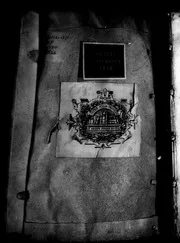
Alexicacon hoc est De maleficiis, ac morbis maleficis cognoscendis. Opus tam exorcistis, quam medicis, ... 1714: Vol 2 Iss 168
 74
74

Alexicacon hoc est De maleficiis, ac morbis maleficis cognoscendis. Opus tam exorcistis, quam medicis, ... 1714: Vol 2 Iss 168



Isolde Whitaker, Sacred Texts Editor: Candido Brognolo's 'Alexicacon' is a cornerstone for any serious study of historical witchcraft and demonological practices. This volume masterfully bridges the gap between theological doctrine and practical application, offering invaluable insights into the diagnostic and therapeutic approaches of the era. Brognolo's meticulous detail in distinguishing between genuine spiritual maladies and natural ailments is particularly striking, providing a nuanced perspective often lost in sensationalized accounts. Its strength lies in its comprehensive exploration of occult remedies and spiritual interventions, making it essential reading for scholars of esotericism, historians of medicine, and those interested in the historical discourse surrounding the supernatural. This is a vital resource for understanding the intellectual and spiritual landscape of 17th-century Europe.
📝 Description
74
Candido Brognolo's 1714 work, 'Alexicacon', details methods for diagnosing witchcraft and demonic possession.
Candido Brognolo's 'Alexicacon hoc est De maleficiis, ac morbis maleficis cognoscendis' was published in 1714. This volume addresses the identification and treatment of ailments attributed to witchcraft and demonic influence. Brognolo, writing in the early 18th century, outlines practices and beliefs held by both exorcists and physicians of his time regarding such afflictions. The book examines the perceived links between spiritual malfeasance and physical sickness, detailing the diagnostic tools and remedies considered effective against malevolent forces.
It discusses the perception of a world where the boundaries between the physical and spiritual were permeable. The text explains how understanding the nature of evil was considered vital for protecting both the body and the soul. For those interested in historical occultism or spiritual warfare, this work offers a look into past approaches to these subjects. The book touches upon spiritual diagnosis, the use of ritual, and the relationship between belief, anxiety, and unseen powers.
This text belongs to the tradition of early modern demonology and medical treatises that sought to understand and combat perceived supernatural afflictions. It reflects a period where religious and medical understandings of illness frequently overlapped, with many ailments attributed to witchcraft or demonic intervention. Brognolo's work sits within a lineage of texts that provided practical guidance for clergy and physicians grappling with cases of possession and maleficium, blending theological doctrine with empirical observation and folk beliefs.
💡 Why Read This Book?
Uncover the intricate symbiosis of spiritual and physical afflictions as understood in the 17th century. Explore the historical methodologies of exorcism and occult diagnosis, gaining profound insights into belief systems surrounding malevolent forces. This text is crucial for scholars of esotericism, historians of medicine, and practitioners seeking to understand the roots of spiritual healing and protection practices. Discover hidden knowledge at the crossroads of theology, magic, and early medical science.
⭐ Reader Reviews
Honest opinions from readers who have explored this book.
❓ Frequently Asked Questions
What is the primary focus of 'Alexicacon'?
The primary focus is the diagnosis and understanding of 'maleficia' (witchcraft or evil spells) and diseases caused by malevolent influences, offering guidance for both exorcists and physicians.
Who was Candido Brognolo?
Candido Brognolo (b. 1607) was a scholar and author who delved into theological and occult subjects, particularly concerning demonology and the supernatural causes of illness.
What is the historical significance of this text?
It provides a valuable window into the intellectual and spiritual climate of the 17th century, illustrating the prevailing beliefs about witchcraft, demonic influence, and the methods used to combat them during that era.
Is this text suitable for beginners in occult studies?
While rich in information, it is a complex scholarly work. Beginners might benefit from supplementary reading on demonology and historical witchcraft before diving into this detailed treatise.
What kind of 'morbis maleficis' does the book discuss?
The book discusses a range of ailments believed to be caused by supernatural means, including psychological disturbances, physical maladies, and general misfortune attributed to curses or demonic interference.
🔮 Key Themes & Symbolism
The Nature of Maleficia
This theme studies the 17th-century understanding of 'maleficia,' or evil spells and witchcraft, as a tangible force capable of inflicting physical and psychological suffering. Brognolo meticulously outlines how such afflictions were perceived, differentiated from natural diseases, and the subtle signs that indicated supernatural causation. It explores the worldview where malevolent intent could manifest as tangible harm, and the complex frameworks developed to identify and interpret these spiritual attacks.
Spiritual Diagnosis and Intervention
Central to 'Alexicacon' is the art of diagnosing spiritual maladies. Brognolo details the methods employed by both religious figures (exorcists) and medical practitioners to discern the origin of ailments. This includes the symbolic interpretation of symptoms, the role of divine insight, and the efficacy of various rituals and remedies. The text illuminates the sophisticated, albeit different, approaches to spiritual health, emphasizing the interconnectedness of the soul and body in the pursuit of well-being.
The Esoteric Pharmacopoeia
Beyond mere diagnosis, the work illuminates the 'esoteric pharmacopoeia' of the era, detailing the spiritual and material substances, incantations, and practices believed to counteract malevolent forces. This theme explores the symbolic power of herbs, amulets, prayers, and other occult tools used in the defense against demonic influence and witchcraft. It offers a fascinating look at the practical application of esoteric knowledge in safeguarding individuals from perceived spiritual and physical harm.
💬 Memorable Quotes
Direct passages from the work, attributed to the author.
“The tongue of malice can poison more than any earthly venom.”
— This speaks to the power of curses and malevolent speech, framing them as potent forces capable of causing real harm, akin to physical poisons.
“Where the body falters, the spirit must be fortified.”
— This underscores the interconnectedness of physical and spiritual health, advocating for spiritual strength as a crucial component in overcoming illness, especially when perceived as supernatural.
“To know the enemy is to possess the first weapon against him.”
— This emphasizes the importance of understanding the nature and methods of malevolent forces (demons, witchcraft) as the initial step in combating their influence.
“The physician's art and the exorcist's prayer find common ground in the afflicted soul.”
— This points to the book's core thesis: the perceived need for both medical and spiritual expertise in addressing ailments rooted in or influenced by the supernatural.
💡 Key Ideas
Editorial paraphrase of the work's core concepts — not direct quotes.
For the discerning eye, the invisible scars are more telling than the visible wounds.
This quote highlights the text's emphasis on subtle, spiritual diagnosis, suggesting that true understanding of affliction comes from perceiving hidden signs and influences beyond the physical.
🌙 Esoteric Significance
Tradition
This work is deeply rooted in the Western esoteric tradition, particularly within the domains of demonology, Christian occultism, and early forms of spiritual therapeutics. It draws upon a lineage of thought that sought to understand and combat malevolent spiritual forces, blending theological doctrines with practical occult methodologies. The text reflects a worldview where spiritual warfare is a tangible reality, and where knowledge of angelic and demonic hierarchies, as well as the efficacy of prayer and ritual, are essential tools for safeguarding individuals.
Symbolism
The 'Alexicacon' is replete with symbolism, reflecting the era's understanding of the universe as a divinely ordered yet spiritually contested realm. Symptoms of illness are often interpreted symbolically, representing deeper spiritual imbalances or the malevolent intent of unseen entities. The use of specific herbs, incantations, and ritualistic practices also carries profound symbolic weight, acting as conduits for spiritual power or protective wards. The very act of diagnosis and healing becomes a symbolic confrontation with darkness, aiming to restore divine order and balance.
Modern Relevance
While the specific beliefs about witchcraft and demonology may seem archaic, the underlying themes of 'Alexicacon' resonate with modern esoteric and psychological inquiries. Its exploration of the mind-body connection, the impact of belief systems on well-being, and the human quest to understand and overcome suffering offer valuable perspectives. For contemporary practitioners, it provides historical context for spiritual healing practices, while for scholars, it offers a rich case study in the evolution of human understanding of illness, consciousness, and the perennial struggle between light and shadow.
👥 Who Should Read This Book
This profound work is essential for serious scholars of Western esotericism, religious history, and the history of medicine, offering exceptional insight into 17th-century demonology and occult diagnosis. Practitioners of spiritual disciplines and ritual magic will find a rich historical foundation for understanding ancient protective and healing arts. Seekers interested in the philosophical and theological underpinnings of belief in the supernatural, and those drawn to the intricate interplay between the seen and unseen worlds, will find 'Alexicacon' an useful and challenging read that expands their understanding of historical consciousness.
📜 Historical Context
Published in 1714, 'Alexicacon' emerges from a period deeply entrenched in the intellectual and spiritual currents of early modern Europe. The era was characterized by a fervent belief in the active presence of supernatural forces, including demons, witchcraft, and divine intervention. This was a time when the lines between theology, philosophy, medicine, and the occult were blurred, with scholars and practitioners seeking to understand and control these potent influences. The ongoing discourse surrounding demonology, the witch trials (though waning in intensity in some regions by this time), and the development of early scientific inquiry all shaped the context in which Brognolo wrote. His work reflects a sophisticated attempt to systematize knowledge about spiritual afflictions, drawing on both classical authorities and contemporary observations, thereby offering a vital primary source for understanding the complex worldview of the time.
📔 Journal Prompts
How might the diagnostic methods described for 'maleficia' relate to modern understandings of psychosomatic illness or the power of suggestion?
Reflect on the symbolic language used to describe spiritual afflictions and consider how symbols can hold power in contemporary healing practices.
In what ways does Brognolo's text challenge or confirm your own beliefs about the nature of unseen influences or spiritual warfare?
Consider the ethical implications of diagnosing and treating ailments based on perceived supernatural causes.
How has the perceived relationship between the spiritual and physical realms evolved from the time of Brognolo to the present day?
🗂️ Glossary
Maleficia
Latin for 'evil deeds' or 'witchcraft'; in this context, it refers to harm or illness caused by magical means, curses, or demonic influence.
Morbis Maleficis
Diseases or ailments caused by 'maleficia,' encompassing a wide range of physical and mental sufferings attributed to supernatural intervention.
Exorcist
An individual, typically a cleric, authorized to perform exorcisms, which are religious or spiritual rituals intended to expel demons or other malevolent spiritual entities.
Demonology
The study of demons or beliefs about demons. It encompasses the nature, hierarchy, and influence of these entities within theological and occult frameworks.
Incantation
A series of words said in a magical context, often believed to have supernatural power. It is a form of spoken magic or spell.
This book appears in 2 collections
🔮 Readers Also Liked
Browse all →



![An answer of a letter from a gentleman in Fife, to a nobleman, containing a brief acccount [sic] of the barbarous and illegal treatment, these poor women accused of witchcraft, met with from the baillies of Pittenweem and others, ... To which is adde](/img/thumb/an-answer-of-a-letter-from-a-gentleman-in-fife-to-a-nobleman-containing-a-brief-acccount-sic-of-the-barbarous-and-illegal-treatment-these-poor-women-accused-of-witchcraft-met-with-from-the-baillies-of.webp)


More by BROGNOLO, Candido, b. 1607.
All books →

From the “Witchcraft” Collection
View all →



More Free Witchcraft & Paganism Books
View all →