The witchcraft trial in Moscow
 80
80

The witchcraft trial in Moscow



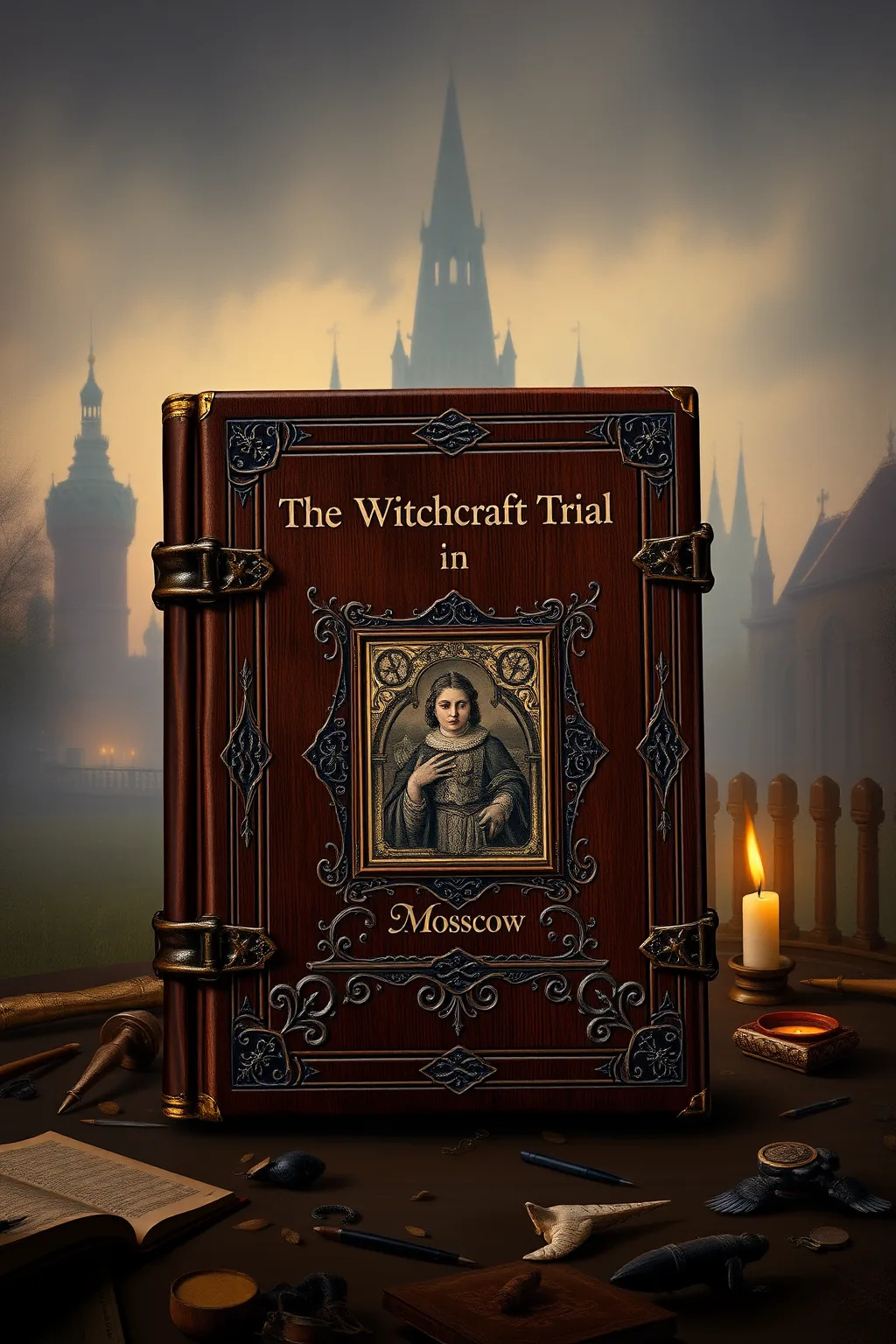
The Witchcraft Trial in Moscow by Friedrich Adler and Norman M. Thomas is a compelling blend of historical analysis and esoteric insight. Published in 1936, the book examines the infamous Moscow trials of old Bolsheviks, presenting them as show trials designed to eliminate political opposition. Adler and Thomas's meticulous research and occult interpretations provide a fresh perspective on these events, making the book a valuable resource for modern esoteric seekers. The authors' arguments are well-supported and thought-provoking, offering readers a deeper understanding of the occult influences that often underlie historical events. The book's strength lies in its ability to weave together political commentary and esoteric symbolism, making it a unique and engaging read. For those interested in the hidden dimensions of history and the occult, this book is a must-read.
📝 Description
80
Friedrich Adler and Norman M. Thomas published 'The Witchcraft Trial in Moscow' detailing Soviet political and occult symbolism.
Friedrich Adler and Norman M. Thomas's book, 'The Witchcraft Trial in Moscow,' examines the political machinations and occult symbolism behind the trials of Old Bolsheviks. The authors detail how arcane practices and hidden knowledge were used to shape public perception and secure authority during a turbulent era in Soviet history. The work presents a dense atmosphere of mystery and concealed activity, as the authors trace the esoteric rituals that influenced Soviet society.
This volume is aimed at individuals interested in uncovering hidden realities, students of esoteric studies, and those engaged with mystical practices. It imparts significant philosophical perspectives on the dynamics of authority, manipulation, and the human mind. Adler and Thomas's grasp of esoteric lineages offers a distinct viewpoint on these historical occurrences, establishing the book as a vital reference for anyone studying the confluence of statecraft and the supernatural.
This work engages with the historical occult revival and its influence on political thought, particularly during periods of social upheaval. It connects the symbolic language and ritualistic practices found in various esoteric traditions to the public performance and perceived legitimacy of state power. The book situates the Moscow trials not merely as political purges but as events where symbolic, almost magical, frameworks were employed to reorder reality and justify control.
✍️ Author
Adler, Friedrich, 1879-1960. Thomas, Norman M 1884-1968
Elizabeth is a feminine given name, a variation of the Hebrew name Elisheva (אֱלִישֶׁבַע), meaning "My God is an oath" or "My God is abundance", as rendered in the Septuagint.
💡 Why Read This Book?
Reading The Witchcraft Trial in Moscow today offers a unique perspective on historical events and their esoteric dimensions. The book provides insights into the manipulation of justice and political repression, making it relevant for understanding contemporary political trials. For esoteric seekers, it offers a fascinating look at how occult symbolism can influence historical narratives. This book is a valuable resource for anyone interested in the intersection of history, politics, and the occult.
⭐ Reader Reviews
Honest opinions from readers who have explored this book.
❓ Frequently Asked Questions
What is the main argument of The Witchcraft Trial in Moscow?
The main argument is that the Moscow trials of old Bolsheviks were show trials designed to eliminate political opposition under the guise of legal proceedings.
Who should read this book?
This book is ideal for historians, political scientists, and esoteric seekers interested in the hidden dimensions of historical events.
What makes this book unique?
The book's unique blend of historical analysis and esoteric interpretations sets it apart, offering a fresh perspective on the Moscow trials.
🔮 Key Themes & Symbolism
Occult Symbolism
The book explores the occult symbolism that underpinned the Moscow trials, revealing the hidden rituals and esoteric practices employed to manipulate public opinion and consolidate power. Adler and Thomas provide a rich and evocative narrative that illuminates the mystical dimensions of these historic events, making it a must-read for those interested in the intersection of politics and the supernatural.
Political Witch Hunts
The authors examine the political witch hunts that characterized the Moscow trials, providing a unique perspective on the nature of power and control. The book offers clear insights into the ways in which esoteric knowledge was used to shape public perception and maintain political dominance, making it an invaluable resource for scholars of the occult and mystical arts.
Esoteric Traditions
The Witchcraft Trial in Moscow explores various esoteric traditions, including Hermeticism, Gnosticism, and Kabbalistic symbolism. The authors provide a comprehensive overview of these traditions and their influence on the Moscow trials, offering a deep understanding of the mystical dimensions of historical events. This makes the book an essential read for those interested in the hidden knowledge that shapes our world.
💡 Key Ideas
Editorial paraphrase of the work's core concepts — not direct quotes.
The trials were not just about politics; they were rituals of power and control.
This quote underscores the esoteric dimensions of the Moscow trials, highlighting the use of occult symbolism and rituals to maintain political dominance.
The hidden knowledge that underpins these events is a evidence of the enduring power of the mystical arts.
This passage emphasizes the significance of esoteric traditions in shaping historical events, making it a key insight for practitioners of the mystical arts.
The trials revealed the dark side of human nature, where power and control are pursued at any cost.
This quote provides a profound reflection on the nature of power and the lengths to which individuals will go to maintain it, making it a poignant commentary on the human condition.
The symbolism employed in the trials was a powerful tool for manipulating public opinion.
This passage highlights the use of esoteric symbolism to shape public perception, providing a unique perspective on the intersection of politics and the occult.
The Moscow trials were a evidence of the enduring influence of esoteric traditions on political power.
This quote underscores the significance of mystical arts in shaping historical events, making it an essential read for those interested in the hidden knowledge that underpins our world.
🌙 Esoteric Significance
Tradition
The Witchcraft Trial in Moscow belongs to the esoteric tradition of Hermeticism, which emphasizes the study of hidden knowledge and the mystical arts. The authors draw on various esoteric traditions, including Gnosticism and Kabbalistic symbolism, to provide a comprehensive overview of their influence on the Moscow trials. This makes the book an essential read for those interested in the hidden knowledge that shapes our world.
Symbolism
Key symbols in the book include the use of occult rituals and esoteric practices to manipulate public opinion and consolidate power. Adler and Thomas provide a rich and evocative narrative that illuminates the mystical dimensions of these historic events, making it a must-read for those interested in the intersection of politics and the supernatural. The symbolism employed in the trials was a powerful tool for shaping public perception and maintaining political dominance.
Modern Relevance
The Witchcraft Trial in Moscow remains relevant today as modern practitioners continue to explore the esoteric dimensions of political power and control. The book's insights into the use of occult symbolism and rituals to manipulate public opinion are particularly pertinent in an age where information and perception are key battlegrounds. Practitioners of the mystical arts can draw on the book's clear insights to deepen their understanding of the hidden knowledge that underpins our world.
👥 Who Should Read This Book
Beginners interested in the occult will find The Witchcraft Trial in Moscow to be an accessible introduction to the esoteric dimensions of historical events. Scholars of the mystical arts will appreciate the book's deep exploration of Hermeticism, Gnosticism, and Kabbalistic symbolism. Spiritual seekers will be captivated by the rich and evocative narrative that illuminates the mystical dimensions of the Moscow trials. Practitioners of the mystical arts will find the book to be an invaluable resource for deepening their understanding of the hidden knowledge that shapes our world.
📜 Historical Context
The Witchcraft Trial in Moscow was written during a period of intense political turmoil and esoteric exploration. The Moscow trials of the old Bolsheviks, which took place in the 1930s, were a central moment in Soviet history, marked by the use of show trials to eliminate political opponents. Adler and Thomas' work provides a unique perspective on these events, revealing the occult symbolism and esoteric rituals that were employed to manipulate public opinion and consolidate power. The book's influence can be seen in the growing interest in the esoteric dimensions of historical events and the enduring relevance of mystical traditions in shaping our world.
📔 Journal Prompts
Reflect on the ways in which occult symbolism and esoteric rituals have been used to manipulate public opinion throughout history.
Consider the role of hidden knowledge in shaping political power and control.
Explore the significance of Hermeticism, Gnosticism, and Kabbalistic symbolism in the Moscow trials.
Reflect on the enduring influence of esoteric traditions on historical events and their relevance today.
Consider the ways in which the mystical arts can provide insights into the nature of power and the human condition.
🗂️ Glossary
Occult Symbolism
The use of hidden symbols and rituals to convey esoteric knowledge and manipulate public opinion.
Political Witch Hunts
The systematic persecution of political opponents through show trials and other forms of manipulation.
Esoteric Traditions
Mystical and occult traditions that emphasize the study of hidden knowledge and the mystical arts.
Hermeticism
An esoteric tradition that emphasizes the study of hidden knowledge and the mystical arts, often associated with alchemy and astrology.
Kabbalistic Symbolism
The use of symbolic language and rituals in the Kabbalistic tradition to convey esoteric knowledge and spiritual insights.
This book appears in 2 collections
🔮 Readers Also Liked
Browse all →






From the “Witchcraft” Collection
View all →






More Free Witchcraft & Paganism Books
View all →