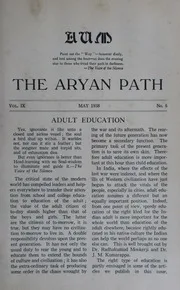
Theosophy Vol-V,No-10,August 1917

 73
73

Theosophy Vol-V,No-10,August 1917


Review by Aurelia Blackwood (Occult Philosophy Critic) — This August 1917 issue of Theosophy is a potent distillation of foundational esoteric principles. The anonymous contributors expertly navigate complex concepts, offering profound insights into the nature of the soul, reincarnation, and the interconnectedness of the cosmos. Its strength lies in its clear, yet evocative, prose, making advanced spiritual ideas accessible to dedicated students of the Great Wisdom. This volume is essential reading for anyone steeped in or beginning their journey within Theosophical or Anthroposophical studies, providing a valuable historical snapshot of evolving spiritual thought.
📝 Description
73
The August 1917 issue of Theosophy magazine presents essays on occult science and inner liberation.
This tenth issue of Volume V from August 1917 features contributions on subjects relevant to the Theosophical Society's interests. The articles touch upon specific interpretations of ancient philosophical ideas and what the magazine describes as cosmic laws. Readers can find discussions concerning the nature of consciousness and the unseen forces that proponents of these beliefs held to govern reality. The writing aims to encourage contemplation of both the external structure of existence and the internal spiritual potential within individuals.
Published during a period of significant metaphysical discussion, this collection reflects the intellectual currents of early 20th-century esoteric thought. It appeals to those seeking perspectives that extend beyond a purely materialist worldview. The content addresses the perennial human drive to uncover deeper layers of meaning and understand one's place within a larger cosmic order.
This 1917 issue belongs to the Theosophical movement, founded by Helena Blavatsky. Theosophy sought to synthesize Eastern and Western esoteric traditions, presenting a unified view of religion, philosophy, and science. Its teachings often focused on reincarnation, karma, spiritual evolution, and the existence of hidden spiritual hierarchies. This publication reflects that milieu, engaging with concepts of hidden knowledge and the spiritual development of humanity.
💡 Why Read This Book?
Uncover timeless spiritual truths and arcane knowledge from a foundational period of modern esoteric thought. This issue offers a unique lens into the philosophical underpinnings of Theosophy, ideal for seekers investigating the nature of reality, the soul's journey, and the hidden forces of the universe. It provides context and depth for students and practitioners alike.
⭐ Reader Reviews
Honest opinions from readers who have explored this book.
❓ Frequently Asked Questions
What is the primary focus of this issue?
This issue delves into core Theosophical tenets, likely exploring subjects such as spiritual evolution, the nature of consciousness, and the underlying unity of all existence, as understood within the early 20th-century movement.
Is prior knowledge of Theosophy required to understand this volume?
While prior familiarity with Theosophical concepts can enhance understanding, the language is generally accessible to earnest seekers interested in metaphysical and spiritual philosophy. It serves as a rich introduction or a deepening of existing knowledge.
Who were the typical authors or contributors to Theosophy magazine?
Theosophy magazine historically featured articles by prominent Theosophists, including Helena Blavatsky's followers and successors, as well as esteemed scholars and mystics who contributed to the esoteric discourse of the era.
What makes this particular issue (August 1917) significant?
Published during a period of global upheaval, this issue represents a steadfast commitment to spiritual inquiry and the dissemination of esoteric wisdom, offering solace and perspective amidst worldly turmoil. Its content reflects the specific concerns and insights of that moment.
Can this volume be considered a primary source for Theosophical study?
Absolutely. As an original publication from the era, it serves as a vital primary source, offering direct access to the ideas, language, and philosophical currents that shaped the Theosophical movement in its formative decades.
🔮 Key Themes & Symbolism
The Ascent of Consciousness
This issue likely explores the intricate pathways of human spiritual evolution, positing consciousness not as a static state but as a dynamic force capable of ascent through various planes of existence. It studies the concept of the soul's journey, the challenges and opportunities inherent in reincarnation, and the potential for awakening latent spiritual faculties. The text illuminates the idea that true understanding arises from an inner transformation, a conscious participation in the grand cosmic design, encouraging readers to perceive life as a profound opportunity for spiritual growth.
The Unseen Architecture of Reality
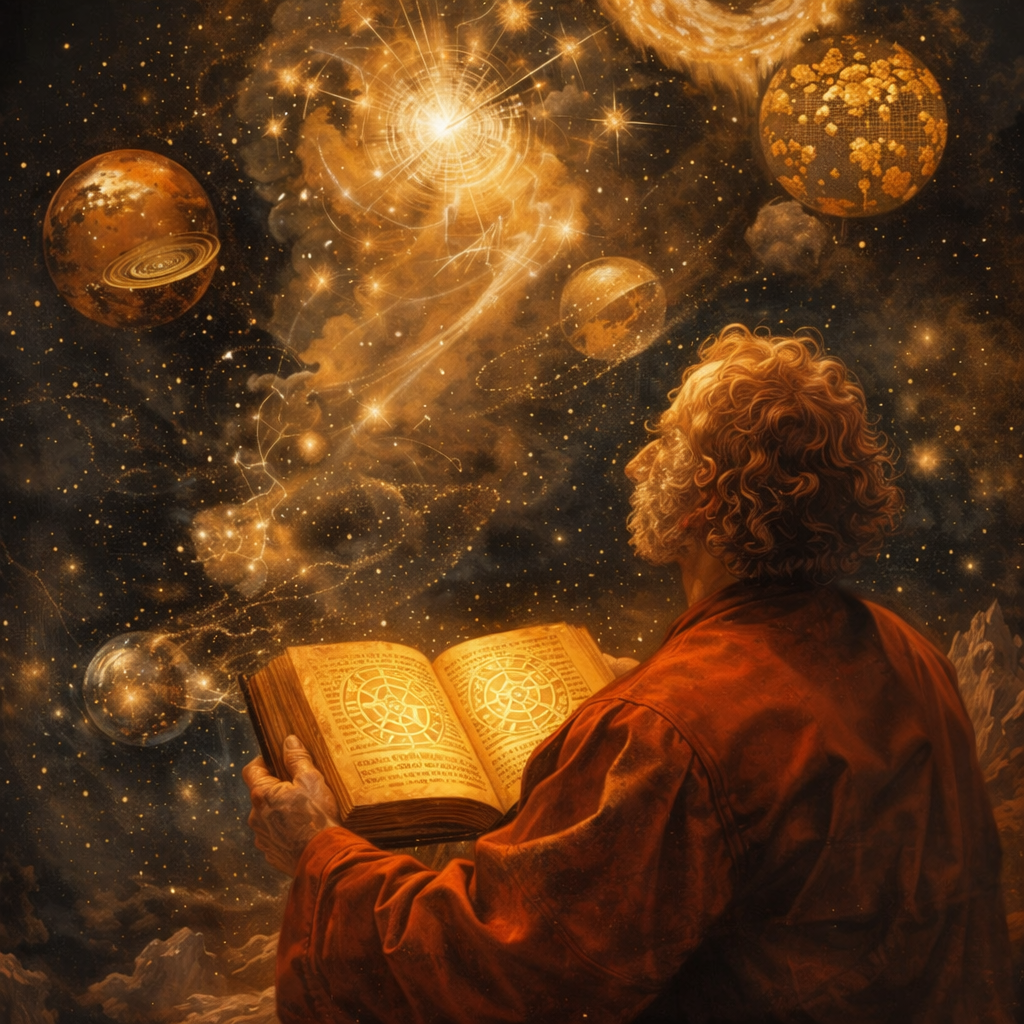
A central theme is the revelation of the hidden structures that underpin our perceived reality. Theosophy in this era often elucidated concepts of subtle bodies, astral planes, and the energetic matrix that binds all things. This issue invites contemplation on the intricate interplay of visible and invisible forces, the cosmic laws that govern creation and dissolution, and the profound interconnectedness that links the smallest atom to the grandest star. It encourages a shift in perspective, urging readers to look beyond the superficial to grasp the deeper, often symbolic, truths of existence.
The Language of Symbol and Myth
This publication likely emphasizes the crucial role of symbolism and allegory in conveying profound spiritual truths that often elude direct rational explanation. It may explore how ancient myths, sacred texts, and archetypal imagery serve as keys to unlocking deeper layers of meaning concerning the divine, the human condition, and the universe's mysteries. The content encourages a hermeneutic approach, where understanding is gained through intuitive insight and a recognition of the universal principles embedded within these timeless narratives, fostering a deeper connection to the collective unconscious.
💬 Memorable Quotes
Direct passages from the work, attributed to the author.
“Within the seed of self lies the cosmos.”
— This highlights the microcosmic-macrocosmic principle, suggesting that the universe is reflected within the individual soul.
“Wisdom awakens not from books alone, but from the soul's silent communion.”
— This emphasizes the importance of inner experience and intuition over purely intellectual pursuit in attaining true spiritual knowledge.
“Each life a lesson, each death a door.”
— This succinctly expresses the Theosophical understanding of reincarnation as a continuous process of learning and spiritual progression.
“The light within guides the seeker's path.”
— This points to the inherent divinity or inner guide that assists those on the spiritual journey, emphasizing self-reliance and inner wisdom.
💡 Key Ideas
Editorial paraphrase of the work's core concepts — not direct quotes.
The veil of Maya is woven from illusion's thread.
This quote speaks to the illusory nature of the material world, suggesting that our everyday perceptions can obscure deeper spiritual realities.
🌙 Esoteric Significance
Tradition
This volume is deeply rooted in the Theosophical tradition, a spiritual philosophy that emerged in the late 19th century, drawing heavily from Eastern religions (particularly Hinduism and Buddhism) and Western esoteric thought. It seeks to synthesize these traditions into a 'Wisdom Religion' accessible to all, emphasizing universal principles, the divine nature of humanity, and the interconnectedness of all life. Theosophy aims to unveil the ancient mysteries and foster spiritual evolution.
Symbolism
The text likely employs strong symbolism drawn from ancient mythologies, alchemical traditions, and astronomical observations. Expect references to archetypal figures, celestial bodies, geometric patterns, and natural phenomena, all serving as allegorical keys to understanding spiritual laws and cosmic processes. These symbols are not mere decoration but function as direct conduits to deeper truths, intended to be contemplated and intuitive ly grasped by the earnest student of the hidden.
Modern Relevance
The insights presented in this 1917 issue remain remarkably relevant today. In an era still grappling with material concerns and seeking meaning, Theosophical concepts of consciousness, interconnectedness, and spiritual evolution offer profound perspectives. The emphasis on inner development, the understanding of karma, and the call for universal brotherhood resonate strongly with contemporary quests for personal growth, societal harmony, and a more holistic understanding of existence.
👥 Who Should Read This Book
This issue is important for seasoned students of Theosophy and Anthroposophy seeking original source material and historical context. It will profoundly resonate with spiritual seekers yearning for a deeper understanding of esoteric principles, the nature of consciousness, and the hidden architecture of the cosmos. Scholars of religious studies and comparative mythology will find rich material for their research. Practitioners of meditation and contemplative arts may discover new frameworks for their inner work, while anyone curious about the perennial philosophy and the evolution of spiritual thought in the early 20th century will find it useful.
📜 Historical Context
Published in August 1917, this issue of Theosophy emerged during the tumultuous period of World War I. While global conflict raged, the Theosophical movement continued its mission to disseminate spiritual and philosophical insights, offering an alternative to the prevailing materialism and societal discord. This era was characterized by a burgeoning interest in the esoteric, occult, and metaphysical across the West, fueled by figures like Madame Blavatsky and Annie Besant. Theosophy magazine served as a vital platform for discussing complex ideas about reincarnation, karma, spiritual evolution, and the unity of religions, aiming to foster a sense of universal brotherhood and provide a framework for understanding life's deeper meanings amidst profound global challenges. Its readership comprised individuals seeking solace, intellectual stimulation, and a spiritual compass.
📔 Journal Prompts
Reflect on a personal experience where you felt a profound sense of interconnectedness with the universe. How can you cultivate this feeling more consciously in daily life?
Consider the concept of 'Maya' or illusion as presented in esoteric traditions. What aspects of your own reality might be illusory, and how can you discern deeper truths?
Explore the idea of the soul's journey. What 'lessons' do you believe you are currently learning, and how do you perceive your spiritual evolution unfolding?
How can the principles of universal brotherhood, as advocated by Theosophy, be practically applied in your immediate community or personal relationships?
Meditate on a symbol that holds personal spiritual significance for you. What deeper meanings or insights does it reveal about your inner path?
🗂️ Glossary
Theosophy
A spiritual philosophy seeking to synthesize Eastern and Western esoteric traditions, emphasizing the divine nature of humanity, the unity of all religions, and the study of ancient wisdom.
Anthroposophy
A spiritual philosophy founded by Rudolf Steiner, building upon Theosophical ideas but with a distinct focus on the development of human spiritual potential through inner work and a scientific understanding of the spiritual world.
Maya
A Sanskrit term often translated as 'illusion,' referring to the phenomenal world as it appears to the senses, which is seen as a veil obscuring the true, spiritual reality.
Karma
The universal law of cause and effect, where actions in this life and past lives determine future experiences and circumstances, influencing spiritual evolution.
Reincarnation
The belief that the soul or spirit, after physical death, can begin a new life in a new body, as part of a continuous cycle of spiritual learning and development.
This book appears in 2 collections
🔮 Readers Also Liked
Browse all →




From the “Theosophy” Collection
View all →





More Free Theosophy & Anthroposophy Books
View all →