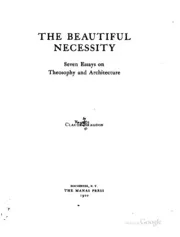
The Beautiful Necessity: Seven Essays on Theosophy and Architecture
 84
84

The Beautiful Necessity: Seven Essays on Theosophy and Architecture

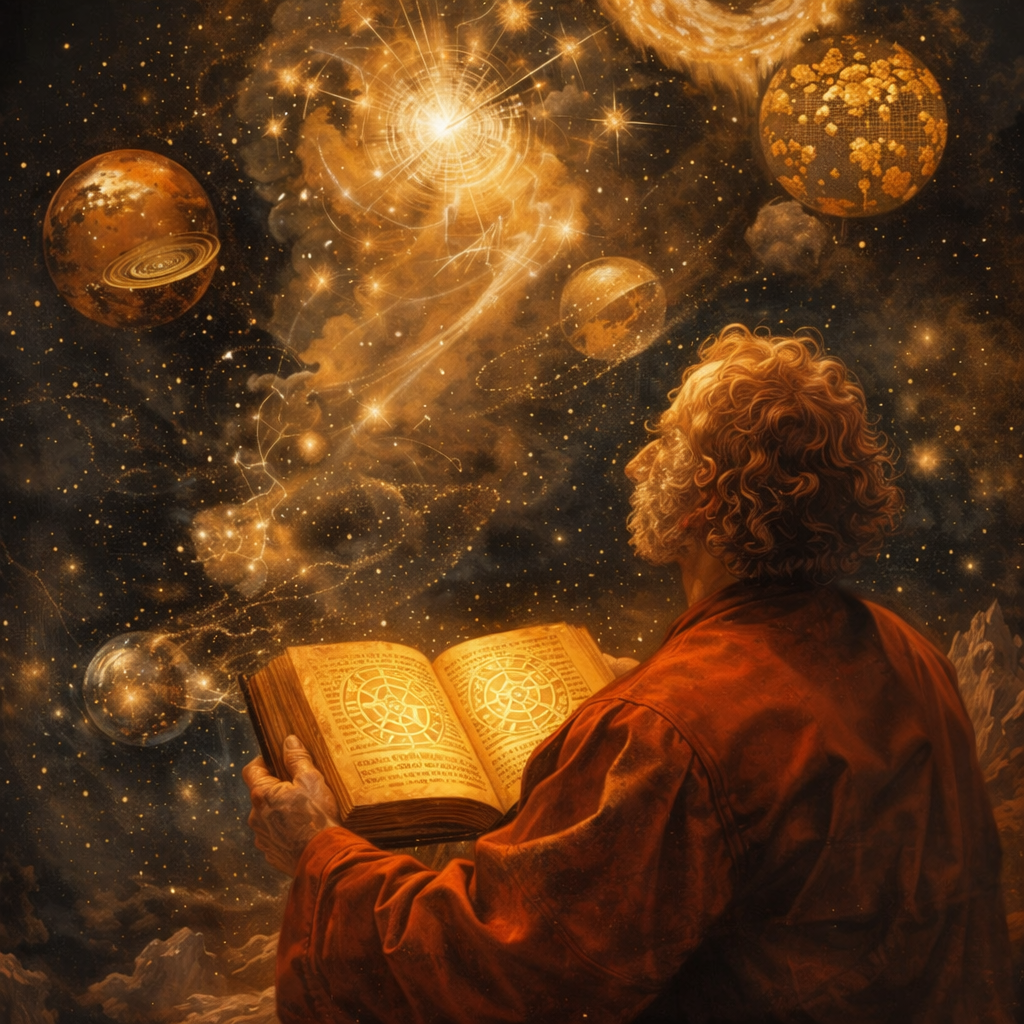

Ophelia Vance, Mystical Literature Reviewer — Claude Fayette Bragdon's "The Beautiful Necessity" is a profound exploration of the spiritual dimensions of architecture. Bragdon masterfully intertwines Theosophical principles with architectural theory, presenting a compelling argument for the inherent esoteric nature of design. His essays illuminate how the seemingly mundane act of building can be a conduit for divine expression and a reflection of cosmic order. The book's strength lies in its ability to articulate complex metaphysical concepts with clarity and poetic grace, making it an invaluable resource for anyone interested in the intersection of spirituality, art, and philosophy. It's a must-read for architects seeking deeper meaning and for spiritual seekers eager to understand the sacred geometry embedded in our world.
📝 Description
84
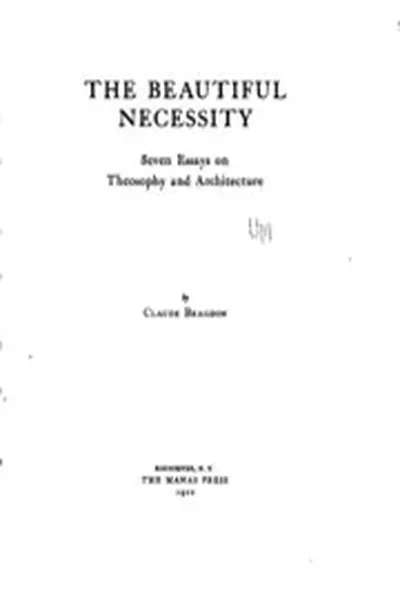
Claude Fayette Bragdon published "The Beautiful Necessity" in 1910, exploring theosophy's influence on architecture.
Claude Fayette Bragdon's 1910 book, "The Beautiful Necessity: Seven Essays on Theosophy and Architecture," examines the spiritual principles he believed informed architectural design. Bragdon, an architect with an interest in esoteric thought, proposed that the structures humans build are not simply functional or aesthetic but reflect deeper cosmic laws and a divine intelligence. He argued that understanding universal truths, particularly as presented in Theosophy, was key to creating meaningful architecture.
The essays discuss the hidden geometries and symbolic language that Bragdon saw governing the built environment. He suggested that true architecture emerges from a grasp of these universal truths, acting as a physical representation of a divine plan. The book appeals to those who feel a hidden significance in the buildings around them, inviting architects, artists, and spiritual thinkers to view architecture as a sacred practice tied to the pursuit of essential truths and cosmic harmony.
This book sits within the early 20th-century esoteric revival, particularly influenced by Theosophy as founded by Helena Blavatsky. Bragdon uses Theosophical concepts of hidden spiritual hierarchies, cosmic evolution, and the symbolic meaning of form to interpret architectural principles. It connects with other movements of the time that sought to find spiritual or occult underpinnings in art and design, moving beyond purely material or rational explanations for human creation.
💡 Why Read This Book?
This book is essential for those who believe architecture transcends mere utility and aesthetics. It offers a unique lens through which to view the world, revealing the spiritual laws embedded in design. Ideal for seekers of hidden knowledge, architects yearning for a deeper purpose, and anyone fascinated by the esoteric dimensions of art and form.
⭐ Reader Reviews
Honest opinions from readers who have explored this book.
❓ Frequently Asked Questions
What is the core argument of "The Beautiful Necessity"?
The book argues that true and beautiful architecture is not arbitrary but arises from fundamental, universal laws rooted in spiritual principles, particularly those illuminated by Theosophy, making design a manifestation of divine necessity.
Who was Claude Fayette Bragdon?
Claude Fayette Bragdon was an American architect, artist, and influential proponent of Theosophy. He is known for his visionary designs and his writings that explored the spiritual and symbolic dimensions of art, architecture, and life.
What is Theosophy, and how does it relate to architecture in this book?
Theosophy is a spiritual philosophy that seeks to understand the underlying unity of all religions and sciences. Bragdon uses Theosophical concepts of cosmic law, universal principles, and hidden symbolism to interpret architectural forms and their spiritual significance.
What kind of reader would most appreciate this book?
This book is best suited for individuals interested in esoteric philosophy, spirituality, art history, architectural theory, and those who appreciate the symbolic and mystical aspects of human creation.
Is this book a practical guide to architectural design?
No, "The Beautiful Necessity" is not a technical manual. It is a philosophical and spiritual exploration of the principles that should guide architectural creation, rather than a how-to guide.
🔮 Key Themes & Symbolism
Theosophy as the Foundation of Beauty
Bragdon posits that the highest forms of beauty in architecture are not accidental but are direct manifestations of universal spiritual laws, as understood through Theosophical teachings. He argues that by grasping these underlying principles of cosmic order, harmony, and divine intelligence, architects can create structures that resonate with essential truth and profound necessity. This theme explores how esoteric wisdom provides a framework for understanding architectural excellence as a reflection of the invisible realms.
Architecture as Symbolic Expression
This theme looks at how architectural elements, from proportions and forms to ornamentation and spatial arrangements, serve as potent symbols of spiritual realities. Bragdon illustrates how buildings can act as tangible representations of metaphysical concepts, cosmic processes, and human aspirations. The essays encourage readers to perceive the symbolic language embedded within the built environment, revealing how structures can communicate deeper truths and connect us to a universal consciousness.
The Interplay of Necessity and Art
Bragdon explores the intricate relationship between functional necessity and artistic expression in architecture. He argues that the most profound and enduring designs arise when functional requirements are met not merely pragmatically but are infused with spiritual insight and aesthetic grace. This creates a 'beautiful necessity,' where form and function are harmoniously integrated, reflecting a higher purpose and an inherent divine order that guides both the architect and the observer.
💬 Memorable Quotes
Direct passages from the work, attributed to the author.
“There is no such thing as an ugly thing in nature.”
— This implies that all natural forms possess an inherent beauty and perfection dictated by divine law, and that perceived ugliness often stems from a misunderstanding or disconnection from these natural principles.
“Necessity is the mother of invention, but beauty is its soul.”
— This highlights the complementary roles of function and aesthetic in creation, suggesting that while practical needs drive innovation, it is beauty that imbues the creation with life, meaning, and spiritual resonance.
“Architecture is frozen music.”
— A classic analogy suggesting that architecture, like music, possesses rhythm, harmony, and proportion that evoke emotional and spiritual responses in the viewer, translating abstract beauty into tangible form.
“The greatest artists are those who see the divine in the commonplace.”
— This emphasizes the esoteric ability to perceive spiritual significance and beauty in everyday forms and materials, a hallmark of true artistic and spiritual insight.
💡 Key Ideas
Editorial paraphrase of the work's core concepts — not direct quotes.
Beauty is the first criterion of the spiritual.
This quote suggests that the presence of true beauty is an indicator of spiritual truth or essence, implying that the divine manifests through aesthetic perfection.
🌙 Esoteric Significance
Tradition
The book is deeply rooted in the Theosophical tradition, drawing heavily on its concepts of universal laws, spiritual evolution, and the interconnectedness of all things. Bragdon uses Theosophical principles to interpret architectural forms as reflections of cosmic order and divine intelligence, aligning with the broader esoteric quest to understand the hidden workings of the universe and humanity's place within it.
Symbolism
Key symbols explored include geometric forms (especially the divine proportion and sacred geometry), light, and the very act of building as a metaphor for spiritual construction. Bragdon interprets architectural elements as symbolic representations of fundamental spiritual truths, cosmic principles, and the journey of the soul, revealing a hidden language within structures that speaks to the initiated observer.
Modern Relevance
In an age often dominated by materialism and utilitarianism, Bragdon's emphasis on the spiritual and symbolic dimensions of architecture remains profoundly relevant. His work encourages a conscious appreciation of the built environment, urging us to seek deeper meaning and beauty in our surroundings. It speaks to contemporary movements interested in sacred architecture, sustainable design rooted in natural principles, and the integration of holistic philosophies into creative practice.
👥 Who Should Read This Book
This book is a treasure for spiritual seekers curious about the esoteric underpinnings of art and design, and for architects and designers who wish to imbue their work with deeper meaning and purpose. Scholars of architectural history and philosophy will find Bragdon's unique perspective clear. Beginners to Theosophy can gain an accessible introduction to its principles through the lens of architecture, while practitioners in related fields will discover fresh insights into the sacred nature of creation.
📜 Historical Context
Written in the early 20th century, "The Beautiful Necessity" emerged during a period of intense intellectual and spiritual ferment. The rise of Theosophy, alongside movements like the Arts and Crafts and Art Nouveau, fostered a desire to reconnect art and architecture with spiritual values and traditional wisdom. Bragdon, influenced by these currents and by his own architectural practice, sought to articulate a philosophy that would elevate building from a purely utilitarian enterprise to a sacred art. This era witnessed a burgeoning interest in symbolism, mysticism, and the hidden order of the universe, making Bragdon's work a significant contribution to the esoteric literature of his time and a bridge between the material and the spiritual dimensions of human endeavor.
📔 Journal Prompts
How does the concept of 'beautiful necessity' apply to a structure you interact with daily?
What spiritual laws do you perceive as being expressed or ignored in modern architecture?
Reflect on a time when a building evoked a strong spiritual or emotional response in you. What elements contributed to this feeling?
Consider the geometric forms in nature. How might these forms translate into architectural design with spiritual intent?
If architecture is a manifestation of the unseen, what 'unseen' aspects do you believe are most important to express in our built environments?
🗂️ Glossary
Theosophy
A spiritual philosophy and esoteric tradition that seeks to understand the underlying unity of all religions and sciences, emphasizing divine wisdom and universal brotherhood.
Gothic Architecture
A style of architecture characterized by pointed arches, ribbed vaults, and flying buttresses, often associated with soaring heights and intricate ornamentation, which Bragdon interprets through a spiritual lens.
Sacred Geometry
The study of geometric shapes and patterns that are considered to have divine or spiritual significance, often seen as fundamental to the structure of the universe.
Esoteric
Relating to or accessible only by a small number of people with a specialized knowledge or interest; intended for or understood by only a small group.
Metaphysical
Concerned with abstract thought or subjects that do not relate to the physical world; concerned with or based on abstract reasoning.
This book appears in 2 collections
🔮 Readers Also Liked
Browse all →







More by Claude Fayette Bragdon
All books →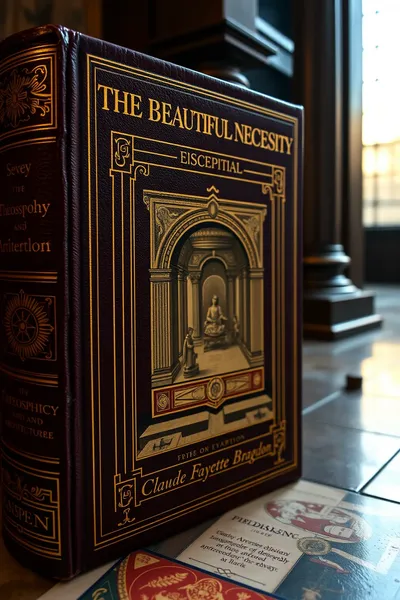
From the “Theosophy” Collection
View all →



More Free Theosophy & Anthroposophy Books
View all →