a_commentaryon_theistic_arguments
 73
73

a_commentaryon_theistic_arguments



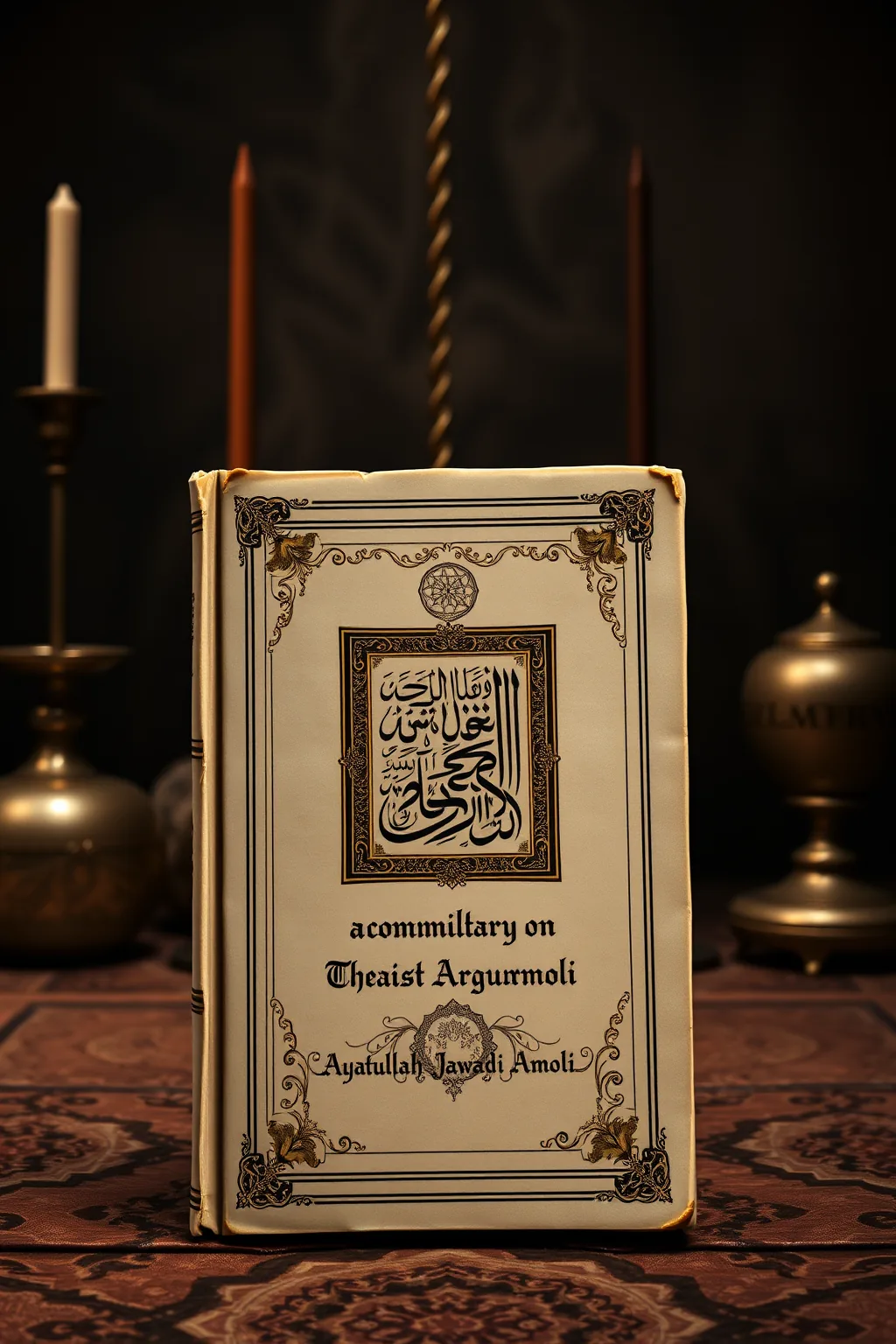
A Commentary on Theistic Arguments by Ayatullah Jawadi Amoli is a seminal work that bridges the gap between classical Islamic theology and modern esoteric thought. For contemporary seekers of esoteric knowledge, this book offers a treasure trove of insights into theistic arguments from a theosophical and anthroposophical standpoint. Jawadi Amoli's profound commentary is both intellectually stimulating and spiritually enriching, making it an invaluable resource for those interested in the deeper dimensions of Islamic philosophy. The book's exploration of divine revelation and the role of theosophy in understanding God provides a fresh perspective on age-old questions, making it a relevant and compelling read for modern esoteric seekers. The text is meticulously researched and beautifully written, making complex theological concepts accessible to a wider audience. Overall, this book is a must-read for anyone seeking to deepen their understanding of esoteric theology.
📝 Description
73
Ayatullah Jawadi Amoli's 2007 commentary examines the philosophical foundations of God's existence within Islamic thought.
This work by Ayatullah Jawadi Amoli dissects arguments for God's existence as presented in Islamic theology and philosophy. It focuses on concepts such as God's unity (Tawhid) and His attributes, drawing from traditions within Shi'a thought. The author guides the reader through logical and intuitive demonstrations of the divine. The commentary engages with philosophical reasoning to illuminate theological points, aiming for a deeper intellectual grasp of core beliefs.
Amoli's approach connects abstract metaphysical principles to practical understanding of faith. The book is structured to facilitate contemplation on these matters, moving from foundational proofs to more complex considerations of divine reality. It addresses those who seek a rigorous intellectual framework for their theological understanding. The text is suited for readers who appreciate detailed philosophical analysis applied to religious doctrine.
Within Shi'a Islamic thought, particularly the tradition influenced by figures like Mulla Sadra, there is a strand of philosophy that emphasizes the spiritual and intellectual apprehension of reality. This commentary aligns with that lineage, seeking to demonstrate theological truths not merely through scripture or tradition, but through reasoned argument and contemplative insight. It participates in the broader Islamic philosophical project of reconciling reason and revelation, using philosophical tools to explore the divine.
💡 Why Read This Book?
Reading A Commentary on Theistic Arguments today offers readers a unique opportunity to explore the esoteric dimensions of Islamic theology. This book provides valuable insights into theistic arguments from a theosophical and anthroposophical perspective, making it an essential read for spiritual seekers and scholars alike. By engaging with this text, readers will gain a deeper understanding of the mystical aspects of Islamic belief and their relevance in contemporary times. The book's exploration of divine revelation and the role of theosophy in understanding God offers a fresh perspective on age-old questions, making it a relevant and compelling read for modern esoteric seekers.
⭐ Reader Reviews
Honest opinions from readers who have explored this book.
❓ Frequently Asked Questions
Who is the author of A Commentary on Theistic Arguments?
The author is Ayatullah Jawadi Amoli, a renowned scholar in Islamic philosophy and theology.
What is the significance of this book in esoteric studies?
This book is significant for its exploration of theistic arguments from a theosophical and anthroposophical perspective, making it a valuable resource for esoteric seekers.
Is this book suitable for beginners in Islamic theology?
While the book is accessible, it is more suited for those with some background in Islamic philosophy and theology.
🔮 Key Themes & Symbolism
Divine Arguments
The book looks at the intricate web of divine arguments, offering esoteric insights and philosophical reflections that challenge the reader's understanding of Islamic theology. Amoli's analysis reveals the hidden layers of divine wisdom, making this theme a central to the work.
Islamic Theosophy
This theme explores the mystical and metaphysical dimensions of Islamic thought, providing a wide range of theological and esoteric reflections. Amoli's work bridges the gap between traditional Islamic theology and modern metaphysical thought, offering a unique perspective on divine knowledge.
Symbolism in Islamic Theology
The book examines the symbolic language of Islamic theology, uncovering the hidden meanings and mystical symbolism that underpin divine arguments. This theme invites readers to explore the esoteric dimensions of Islamic thought, enriching their spiritual journey.
💬 Memorable Quotes
Direct passages from the work, attributed to the author.
“In the silence of the soul, the whispers of the divine can be heard.”
— Amoli suggests that true spiritual insight comes from a place of inner stillness and quietude.
“The theistic arguments are the keys that unlock the doors of divine wisdom.”
— Amoli posits that understanding divine arguments is essential for unlocking the deeper mysteries of Islamic theology.
💡 Key Ideas
Editorial paraphrase of the work's core concepts — not direct quotes.
The path to divine understanding is paved with the stones of contemplation.
This quote emphasizes the importance of introspection and meditation in the quest for spiritual enlightenment.
The mysteries of the divine are revealed to those who seek with a pure heart.
This quote underscores the necessity of spiritual purity and sincerity in the pursuit of divine knowledge.
In the labyrinth of spiritual truths, the seeker finds their way through the light of divine knowledge.
This quote highlights the transformative power of divine knowledge in guiding the spiritual seeker on their journey.
🌙 Esoteric Significance
Tradition
This book belongs to the rich tradition of Islamic theosophy, which emphasizes the mystical and esoteric dimensions of Islamic thought. It draws from the Hermetic and Gnostic traditions, offering a unique perspective on divine knowledge and spiritual enlightenment.
Symbolism
Key symbols in the book include the labyrinth, the path to divine understanding, and the silence of the soul. These symbols represent the spiritual journey, the quest for enlightenment, and the importance of inner stillness in the pursuit of divine knowledge.
Modern Relevance
Today, this book remains relevant for modern practitioners of theosophy and anthroposophy, as it offers a deep exploration of divine arguments and esoteric insights. It is particularly valuable for those seeking to understand the hidden dimensions of Islamic theology and its mystical traditions.
👥 Who Should Read This Book
Beginners in Islamic philosophy will find this book accessible and enriching, as it offers a wide range of theological and metaphysical insights. Scholars of Islamic thought will appreciate the depth of Amoli's analysis and the esoteric dimensions of his work. Spiritual seekers will be drawn to the mystical and contemplative atmosphere of the book, while practitioners of theosophy and anthroposophy will find it an invaluable resource for their spiritual journey.
📜 Historical Context
Written during a time of significant intellectual and spiritual inquiry within the Islamic world, 'A Commentary on Theistic Arguments' reflects the era's quest for deeper understanding of divine truths. Ayatullah Jawadi Amoli's work emerged in a context where Islamic philosophy was flourishing, and scholars were exploring the esoteric dimensions of their faith. The book's influence can be seen in its contributions to the fields of theosophy and anthroposophy, offering a mix of traditional Islamic thought and modern metaphysical insights. Its enduring relevance lies in its ability to bridge the gap between ancient wisdom and contemporary spiritual seekers.
📔 Journal Prompts
Reflect on the significance of divine arguments in your spiritual journey.
How does the concept of the silence of the soul resonate with your personal experiences?
Consider the role of symbolism in Islamic theology and its impact on your understanding of divine truths.
Explore the idea of the labyrinth as a metaphor for the spiritual path.
How does Amoli's work challenge or affirm your current beliefs about Islamic theosophy?
🗂️ Glossary
Theistic Arguments
Philosophical and theological arguments that support the existence and nature of God.
Islamic Theosophy
The mystical and esoteric dimensions of Islamic thought, focusing on divine knowledge and spiritual enlightenment.
Divine Wisdom
The hidden knowledge and spiritual insights that reveal the mysteries of the divine.
Esoteric Insights
Deep, hidden meanings and understandings that require contemplation and introspection to uncover.
Mystical Symbolism
Symbols and metaphors used to represent spiritual truths and divine knowledge.
This book appears in 2 collections
🔮 Readers Also Liked
Browse all →



![A Guide to Theosophy: Containing Select Articles for the Instructions [!] of Aspirants to the ...](/img/thumb/a-guide-to-theosophy-containing-select-articles-for-the-instructions-of-aspirants-to-the-tukaram-tatya-bombay-theosophical-fund.webp)




From the “Theosophy” Collection
View all →





More Free Theosophy & Anthroposophy Books
View all →