Astral Plane

 81
81

Astral Plane
Leadbeater’s "Astral Plane" offers a remarkably detailed cartography of the unseen, a feat that continues to impress for its sheer systematic ambition. The strength lies in its confident, almost architectural, presentation of these non-physical realms. Leadbeater doesn't merely suggest; he delineates, providing a framework for understanding subjective experience that, for its adherents, lends order to the formless. The limitation, however, is the inherent subjectivity and the dogmatic tone that offers little room for alternative interpretations or empirical challenge. The chapter describing the "Desire Body" and its functions, while central to the book's thesis, exemplifies this: it presents a highly specific, almost mechanical, view of consciousness's energetic vehicle, which can feel overly rigid to contemporary readers accustomed to more fluid models of psyche. Despite its dated perspective, the book remains a significant historical document of esoteric thought.
📝 Description
81
Charles Leadbeater published 'Astral Plane' in 1900, mapping consciousness beyond the physical.
Charles Leadbeater's 'Astral Plane', first released in 1900, describes the non-physical dimensions accessible through altered states of consciousness. Leadbeater, a key figure in Theosophy, presents the astral plane as a structured environment with its own geography, inhabitants, and operational principles. He details how consciousness, through what he calls 'astral bodies' or 'desire bodies', interacts with these subtle realms. The book systematically divides the astral plane into different regions, or 'shells', each characterized by a specific vibratory rate and function. It also discusses the nature of elementals and devas, and places these concepts within the broader Theosophical framework of reincarnation and spiritual evolution. This work is directed at students of esoteric philosophy interested in the Theosophical view of consciousness and what happens after death. It addresses those who want to grasp the structure of non-physical existence, the methods of astral projection, and the energetic underpinnings of subjective experience. A basic familiarity with spiritual ideas and a willingness to consider detailed descriptions of unseen realities are beneficial for readers.
Published in 1900, 'Astral Plane' appeared during a surge in occult interest and philosophical thought on consciousness. Theosophy, significantly advanced by Helena Blavatsky, had already gained a following, and Leadbeater's writings, including this volume, became central to its teachings. The late 19th and early 20th centuries witnessed widespread fascination with spiritualism, psychical research, and alternative cosmologies, influencing how non-physical realities were discussed.
✍️ Author
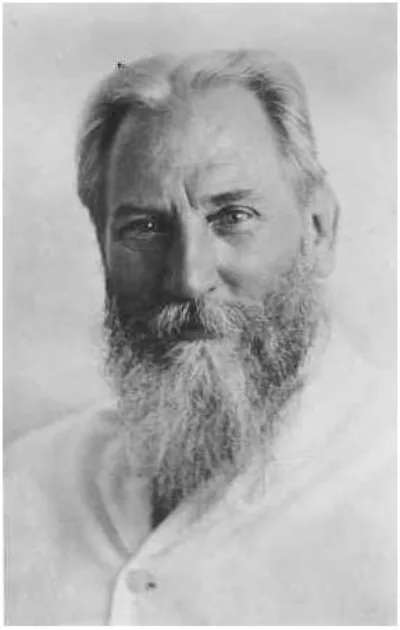
Charles Webster Leadbeater
Charles Webster Leadbeater was a British occultist and prominent member of the Theosophical Society.
Theosophist
💡 Why Read This Book?
• Learn about the Theosophical concept of the "Desire Body," the energetic vehicle described by Leadbeater for astral travel, and its specific functions in experiencing non-physical realms. • Understand the structured cosmology of the astral plane, as presented in the book’s detailed mapping of its "shells" or layers, offering a systematic view of post-physical existence. • Gain insight into the historical context of occultism around 1900, specifically how Leadbeater’s work contributed to the widespread Theosophical exploration of consciousness and reincarnation.
⭐ Reader Reviews
Honest opinions from readers who have explored this book.
❓ Frequently Asked Questions
What is the primary purpose of the astral plane according to Leadbeater's book?
Leadbeater posits the astral plane as a realm of desire and emotion, serving as a transitional space between physical death and rebirth. It's where individuals experience the consequences of their earthly actions and desires.
Who was Charles Webster Leadbeater and why is he significant?
Charles Webster Leadbeater (1854-1934) was a prominent, though controversial, clergyman and occultist within the Theosophical Society. His extensive writings, including 'Astral Plane' (1900), significantly shaped Theosophical doctrine on subtle bodies and planes of existence.
Does 'Astral Plane' discuss astral projection?
Yes, the book implicitly discusses the mechanics of astral projection by detailing the nature of the astral body and the environments it can traverse. It frames these experiences within a broader Theosophical understanding of spiritual development.
What are the 'astral bodies' Leadbeater mentions?
Leadbeater refers to 'astral bodies' or 'desire bodies' as the vehicles of consciousness on the astral plane. These are seen as composed of finer matter, intricately linked to the physical body and responsive to emotions and thoughts.
Is 'Astral Plane' considered a primary source for Theosophy?
Absolutely. Published in 1900, 'Astral Plane' is considered a key text that helped codify and popularize the Theosophical understanding of the astral realm and its inhabitants for a wider audience.
What is the relationship between the astral plane and reincarnation in the book?
The book presents the astral plane as a crucial stage in the cycle of reincarnation. Experiences and lessons learned on the astral plane directly influence an individual's subsequent physical rebirth and spiritual evolution.
🔮 Key Themes & Symbolism
Structure of the Astral Realm
Leadbeater meticulously divides the astral plane into distinct levels or 'shells,' each characterized by specific vibrational frequencies and corresponding types of experiences or beings. This structured approach treats the non-physical as a tangible, albeit subtle, geography. The work details how consciousness navigates these layers, emphasizing that they are not randomly experienced but ordered according to spiritual and karmic principles. This systematic mapping provided readers with a comprehensible framework for understanding post-mortem existence and the energetic dimensions of reality.
The Desire Body
A central concept is the 'desire body,' an etheric or astral vehicle that acts as the primary instrument of consciousness on the astral plane. Leadbeater describes its composition, its connection to physical emotions, and its role in shaping experiences through desires and aversions. The book explains how this body is formed, charged, and how its dissolution occurs, linking it directly to the process of spiritual evolution and the karmic repercussions of one's emotional life during physical existence.
Inhabitants of the Astral
The 'Astral Plane' details the diverse entities residing in these subtle realms. Beyond human consciousness in its astral form, Leadbeater discusses elementals, devas (often interpreted as angelic or nature spirits within the Theosophical framework), and other non-human intelligences. The interaction between these beings and human astral travellers is explored, offering insights into the complex ecosystem of the unseen world and the spiritual hierarchies that govern it.
Astral Travel and Evolution
The book frames astral experiences, whether spontaneous or induced, as integral to spiritual evolution. It suggests that the lessons learned and the purification of the desire body on the astral plane are essential steps towards higher spiritual development and eventual liberation from the cycle of rebirth. This perspective positions the astral plane not merely as a place of rest or judgment, but as an active schoolroom for the soul.
💬 Memorable Quotes
“The astral body is the body of desire, and it is the astral body that feels pleasure and pain.”
— This statement encapsulates Leadbeater's view of the astral body as the seat of emotions and sensations. It highlights the direct correlation between our desires and the experiences we manifest on the astral plane, emphasizing its role in driving our spiritual journey.
“The astral plane is a world of constant change and activity, filled with beings of all kinds.”
— This emphasizes the dynamic nature of the astral realm, moving beyond a static concept of an afterlife. It suggests a vibrant, populated environment where consciousness interacts with a diverse array of entities, highlighting the complexity of these non-physical dimensions.
“The lower levels of the astral plane are crowded with the remnants of lower desires and passions.”
— This interpretation points to the stratified nature of the astral plane, where lower vibrational energies and unfulfilled desires can coalesce. It suggests that the quality of one's thoughts and desires directly influences the specific 'location' or experience within this realm.
“When the physical body is dead, the man lives on in the astral body.”
— This is a core tenet presented, asserting the continuity of consciousness beyond physical death. It establishes the astral body as the primary vehicle for experiencing the immediate post-mortem state and subsequent phases of spiritual evolution.
“Elementals are the workers of nature, building and shaping the physical world.”
— This paraphrase introduces the concept of non-human intelligences actively involved in creation. Within the Theosophical context, it refers to nature spirits or building forces that contribute to the manifestation and maintenance of the physical universe.
🌙 Esoteric Significance
Tradition
The "Astral Plane" is firmly rooted in the Theosophical tradition, drawing heavily from Helena Blavatsky's foundational works. It elaborates on the concept of planes of existence, a common feature in many esoteric systems but systematized here within a specific Theosophical framework of evolution and karma. It departs from some earlier esoteric thought by offering a more detailed, almost topographical, description of these non-physical realms, influenced by Leadbeater's alleged clairvoyant perceptions.
Symbolism
Key symbols include the "Desire Body," which represents the emotional and volitional aspect of the human constitution, acting as a vehicle for astral experience. Another motif is the stratified nature of the astral plane itself, often visualized as layers or shells, symbolizing different states of consciousness and vibrational frequencies. Elementals, representing nature spirits or building forces, symbolize the active, animating principles within the manifested universe.
Modern Relevance
Leadbeater's work continues to influence modern esoteric practitioners, particularly within Theosophical and related New Age movements. Concepts like the "desire body" and the structured astral realm inform contemporary discussions on energy bodies, chakras, and astral projection techniques. Thinkers and authors exploring consciousness studies, comparative religion, and subtle energy systems often reference Leadbeater's detailed descriptions as a historical touchstone, even if they adapt or reinterpret his specific cosmological models.
👥 Who Should Read This Book
• Students of Theosophy and esoteric philosophy seeking to understand the movement's core doctrines on consciousness and the afterlife. • Individuals interested in comparative religion and comparative mythology who wish to examine detailed models of non-physical realms and their inhabitants. • Aspiring practitioners of astral projection or out-of-body experiences looking for a structured, historical framework explaining the nature of the astral plane and its potential challenges.
📜 Historical Context
Published in 1900, "Astral Plane" emerged at the zenith of the Theosophical movement, a period when interest in Eastern religions, spiritualism, and occult phenomena was surging in the West. Charles Webster Leadbeater, a prolific writer and lecturer within the Theosophical Society, sought to provide a systematic, almost scientific, account of the unseen worlds. This era saw figures like Helena Blavatsky laying the groundwork with her "The Secret Doctrine" (1888), and Annie Besant championing Theosophical ideals. Leadbeater's work offered a detailed cosmology that resonated with a public increasingly open to exploring consciousness beyond materialist explanations. It competed for attention with other occult traditions, such as the Hermetic Order of the Golden Dawn, but Theosophy’s broad appeal and its detailed esoteric teachings, particularly on reincarnation and karma, gave it significant influence. The reception was largely within occult and spiritualist circles, solidifying Theosophy's position as a major force in esoteric thought.
📔 Journal Prompts
The composition and function of the Desire Body, as detailed by Leadbeater.
The layered structure of the astral plane and the types of beings inhabiting each level.
Leadbeater's concept of elementals and their role in nature.
The process of spiritual evolution as it relates to experiences on the astral plane.
The distinction between the physical body and the astral body in experiencing reality.
🗂️ Glossary
Astral Body
Also referred to as the 'desire body,' this is considered a subtle vehicle of consciousness, composed of finer matter, which becomes active during sleep, dreaming, and after physical death. It is the vehicle through which emotions and desires are experienced on the astral plane.
Desire Body
A specific type of astral body described by Leadbeater. It is intricately linked to the physical body and is the primary instrument for experiencing emotions, desires, and aversions. Its state and composition are influenced by one's mental and emotional activities.
Elementals
In the context of Leadbeater's work and Theosophy, these are intelligences or nature spirits associated with the four elements (earth, air, fire, water). They are seen as agents of nature, involved in the building and maintenance of the physical and subtle worlds.
Shells
Leadbeater uses this term to describe the distinct layers or levels of the astral plane. Each shell is characterized by a different vibrational rate and houses specific types of consciousness or phenomena, forming a structured cosmology of the non-physical.
Devas
Often translated as 'gods' or 'celestial beings,' in Theosophy, devas are understood as higher intelligences or evolutionary beings that govern natural forces and play roles in the cosmic and planetary schemes. They are distinct from human beings and elementals.
Karma
The universal law of cause and effect, where actions (karma) create consequences that influence an individual's present and future experiences, including rebirth. The astral plane is seen as a place where the effects of earthly karma are experienced.
Reincarnation
The doctrine that the soul or consciousness is reborn into a new physical body after death. Leadbeater's work places the astral plane as a crucial stage in this cycle, where lessons are learned before the next incarnation.