The King's Messenger
 68
68

The King's Messenger

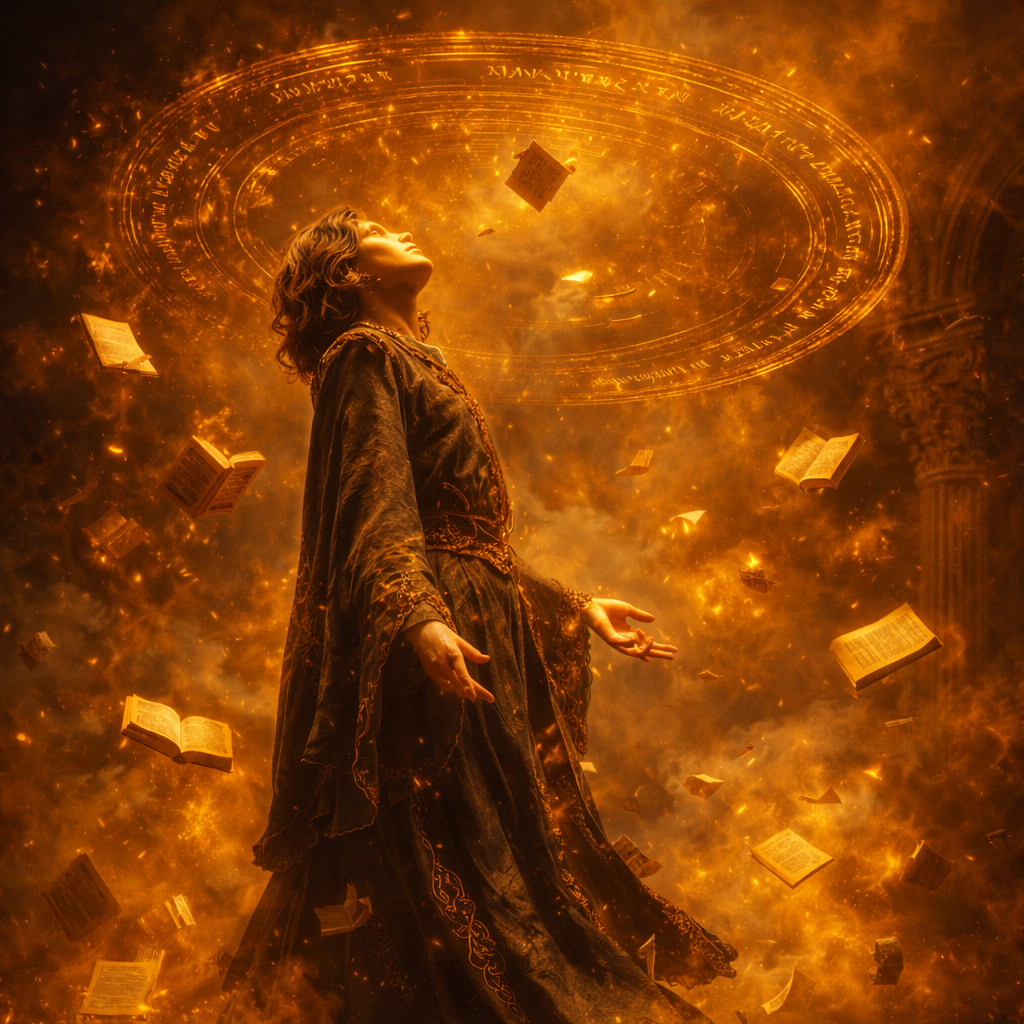

Celeste Moreau (Divination & Symbolism Reviewer) — F. Marion Crawford's 'The King's Messenger' is a masterclass in subtle supernaturalism. Crawford eschews cheap scares for existential dread, plumbing the depths of the human condition through elegantly crafted tales. The collection offers potent insights into the symbolic language of death and the yearning for connection across the spectral divide. His skillful interweaving of psychological realism with uncanny events provides a rich tapestry for those interested in the esoteric underpinnings of mortality and the afterlife. This work is a treasure for seekers of wisdom and practitioners of introspective arts.
📝 Description
68
F. Marion Crawford published 'The King's Messenger' in 1921, a year after his death.
This collection gathers short fiction by F. Marion Crawford, focusing on uncanny occurrences and the boundaries of perception. The stories often feature characters who encounter inexplicable events, blurring the lines between the natural and the supernatural. Crawford's writing style is known for its atmospheric quality, creating a palpable sense of mystery around each narrative. These tales are not simple ghost stories but rather meditations on the human mind grappling with the unknown, the burdens of fate, and the lingering effects of past agreements. Each piece invites readers to consider the nature of reality, the endurance of memory, and the unseen communications that may exist beyond ordinary life. The work carries a philosophical weight, prompting reflection on destiny, spiritual insight, and the unseen forces that influence human experience. It appeals to readers interested in mysteries that engage the mind with the supernatural.
Published posthumously in 1921, 'The King's Messenger' aligns with a turn-of-the-century interest in spiritualism and the occult that permeated Western esotericism. Crawford's stories engage with themes common in this milieu, such as the possibility of communication with unseen forces and the psychological impact of encounters with the supernatural. The collection reflects a broader cultural fascination with the liminal spaces between the physical world and other states of being, often interpreted through a lens of psychological exploration rather than purely religious dogma. It stands as an example of literary fiction that wrestled with the era's burgeoning interest in parapsychology and spiritual inquiry.
✍️ Author
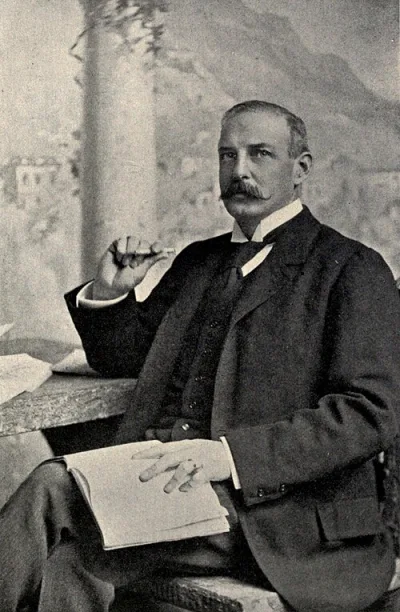
Crawford, F. Marion (Francis Marion)
Francis Marion Crawford (August 2, 1854 – April 9, 1909) was an American writer noted for his many novels, especially those set in Italy, and for his classic strange and fantastical stories. == Early life == Crawford was born in Bagni di Lucca, in the Gra…
💡 Why Read This Book?
Unravel tales of the uncanny that transcend mere fright. 'The King's Messenger' offers profound meditations on mortality, fate, and the unseen forces guiding existence. It's essential reading for seekers of esoteric wisdom, scholars of supernatural literature, and practitioners who explore the liminal spaces of consciousness and spiritual connection. Discover hidden meanings and symbolic resonances within each meticulously crafted narrative.
⭐ Reader Reviews
Honest opinions from readers who have explored this book.
❓ Frequently Asked Questions
What is the primary genre of 'The King's Messenger'?
The primary genre is Supernatural & Occult Fiction, featuring short stories that explore ghostly encounters, existential themes, and the mysteries of life and death.
Who is the author of 'The King's Messenger'?
The author is F. Marion Crawford (Francis Marion), a renowned American novelist and writer known for his contributions to Gothic and supernatural literature.
Are these ghost stories in the traditional sense?
While they involve supernatural elements, Crawford's stories often transcend simple ghost narratives, delving into deeper philosophical and psychological themes related to death, fate, and the human condition.
What makes this collection 'esoteric'?
The collection's esoteric nature lies in its exploration of hidden knowledge, symbolic meanings, and the subtle interactions between the material and spiritual realms, inviting contemplation on deeper truths.
Is this book suitable for beginners in occult literature?
Yes, 'The King's Messenger' is an excellent entry point. Crawford's accessible yet profound style makes complex themes understandable, while still offering depth for experienced readers.
🔮 Key Themes & Symbolism
The Veil Between Worlds
Crawford masterfully explores the permeable boundary between the material world and the spectral realm. His narratives often feature characters who, through circumstance or fate, become conduits for otherworldly presences or messages. This theme studies the idea that death is not an end but a transition, and that the departed may still hold influence or offer veiled guidance to the living. The stories invite contemplation on the nature of consciousness after death and the unseen forces that shape our reality, suggesting a universe far more interconnected and mysterious than our everyday perceptions allow.
Destiny and Unseen Forces
A recurring motif in 'The King's Messenger' is the pervasive influence of destiny and the unseen forces that guide human lives. Crawford's characters often find themselves entangled in predestined paths, their choices subtly manipulated by forces beyond their immediate understanding. This theme encourages reflection on free will versus determinism, and the lasting impact of fate on individual journeys. The collection suggests that there are cosmic currents and hidden intelligences at play, tying a collection of existence where human agency intersects with a grander, often inscrutable, design.
The Traces of Youth and Mortality
The delicate yet potent theme of youth confronting mortality is woven throughout 'The King's Messenger.' Crawford poignantly captures the innocence of youth juxtaposed with the stark realities of death, exploring how encounters with the ephemeral can irrevocably alter one's perception of life. These narratives often highlight the profound wisdom that can be gained from facing one's finitude, and how the awareness of death can imbue life with a deeper meaning and urgency. The collection serves as a poignant reminder of the fleeting nature of existence and the enduring impact of our experiences with loss and remembrance.
💬 Memorable Quotes
Direct passages from the work, attributed to the author.
“He was a messenger, and his message was death.”
— This stark declaration captures the essence of the collection, hinting at a supernatural herald whose arrival signifies an inevitable transition or revelation concerning mortality.
“We are all but puppets in the hands of an unseen puppeteer.”
— This reflects a theme of destiny and external control, where human actions are perceived as orchestrated by higher, unknown forces beyond individual volition.
“The past is never dead, it is not even past.”
— This carries the idea that historical events and lingering spirits can actively influence the present, blurring the lines of time and memory.
“There are more things in heaven and earth, Horatio, than are dreamt of in your philosophy.”
— A classic philosophical musing on the limits of human knowledge and the vast, unexplored mysteries of the universe, implying a reality far grander than our current understanding.
💡 Key Ideas
Editorial paraphrase of the work's core concepts — not direct quotes.
The silence of the dead is more eloquent than any living tongue.
This quote suggests that the absence of physical voice from the departed carries profound meaning, implying a communication through presence, memory, or the very stillness they embody.
🌙 Esoteric Significance
Tradition
Crawford's work often touches upon themes resonant with Hermeticism and certain schools of Western Esotericism that explore the interconnectedness of all things and the hidden correspondences between the macrocosm and the microcosm. The narratives hint at a universal consciousness and the influence of subtle energies, aligning with traditions that view reality as a multidimensional construct. His exploration of fate and the unseen forces guiding existence also echoes Gnostic ideas about predetermined paths and the struggle for spiritual liberation from material constraints.
Symbolism
The collection is rich in symbolism, often employing elements of nature, ancient myths, and archetypal figures to convey deeper meanings. The 'king' in the title can be interpreted as a ruler of the spiritual realm or a personification of destiny itself. Messengers, common in the tales, symbolize the conduits of divine or spectral communication. The recurring motif of youth facing death can represent the soul's journey through trials or the contrast between innocence and profound spiritual awakening. These symbols invite multilayered interpretations, revealing the hidden dialogues between the earthly and the ethereal.
Modern Relevance
In an age increasingly dominated by empirical data and rationalism, 'The King's Messenger' offers a vital counterpoint, reminding us of the enduring mystery and wonder of existence. Its exploration of themes like fate, consciousness beyond death, and the subtle influences that shape our lives remains profoundly relevant. For contemporary seekers, the collection provides a sophisticated lens through which to examine personal destiny, contemplate the nature of reality, and engage with the spiritual dimensions that transcend the purely material, offering solace and intellectual stimulation in its exploration of the ineffable.
👥 Who Should Read This Book
This collection is a profound journey for the curious soul. **Beginners** in esoteric literature will find Crawford's clear, evocative prose an accessible gateway to complex themes of the supernatural and the afterlife. **Scholars** of Gothic and occult fiction will appreciate its nuanced exploration of late Victorian and Edwardian sensibilities regarding death and the unknown. **Seekers** drawn to spiritual contemplation and the nature of consciousness will find rich fodder for introspection and philosophical inquiry. **Practitioners** interested in the symbolic language of mortality and the interplay of unseen forces will discover potent resonances that can inform their own understanding and practice.
📜 Historical Context
F. Marion Crawford penned 'The King's Messenger' during a period of significant societal and intellectual change, roughly spanning the late 19th and early 20th centuries. This era, often termed the 'fin de siècle,' was characterized by a fascination with spiritualism, the occult, and the exploration of the subconscious mind, fueled by advancements in science that simultaneously expanded and challenged existing worldviews. Authors like Crawford engaged with these currents, tying them into their narratives. The rise of psychoanalysis and a growing interest in comparative religion also contributed to a cultural milieu where the supernatural and the metaphysical were not just relegated to folklore but were subjects of serious intellectual and artistic inquiry. 'The King's Messenger' reflects this broader literary and cultural landscape, offering tales that resonate with the era's anxieties and curiosities about life, death, and the unseen.
📔 Journal Prompts
Reflect on a time you felt guided by an unseen force. What was the message?
Consider the concept of 'destiny'. How much control do you believe you have over your life's path?
Write about a childhood memory that was profoundly shaped by an awareness of mortality.
If you were a messenger from the spiritual realm, what message would you deliver to the living?
Explore the symbolism of silence in your own life. What unspoken truths does it reveal?
🗂️ Glossary
Liminal Spaces
Transitional or in-between states or places, often referring to the threshold between life and death, consciousness and unconsciousness, or the known and the unknown.
Spectral Realm
The dimension or plane of existence inhabited by spirits, ghosts, and other disembodied entities, often considered to be parallel to or intertwined with the material world.
Esoteric
Intended for or likely to be understood by only a small number of people with a specialized knowledge or interest; relating to hidden meanings or spiritual truths.
Archetype
A universal, inherited pattern of thought or imagery derived from the experiences of the human race, often appearing in mythology, religion, and literature.
Hermeticism
A philosophical tradition based upon the purported teachings of Hermes Trismegistus, emphasizing the unity of all things, the principle of correspondence, and the pursuit of spiritual enlightenment.
This book appears in 7 collections
🔮 Readers Also Liked
Browse all →



More by Crawford, F. Marion (Francis Marion)
All books →
From the “Meditation” Collection
View all →





More Free Supernatural & Occult Fiction Books
View all →