Strange Tales from Japan
 84
84

Strange Tales from Japan
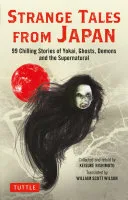
The 99 tales presented in Strange Tales from Japan offer a direct, often stark, glimpse into a particular vein of Japanese supernaturalism. The collection shines in its unvarnished presentation of *yokai* and vengeful spirits, avoiding overly complex psychological interpretations and leaning into the visceral impact of these encounters. The inclusion of 32 pages of traditional, full-color illustrations is a significant asset, vividly bringing figures like the terrifying *onryō* Oiwa to life and providing crucial visual anchors for the narratives. However, the sheer volume of stories, without extensive contextualization or thematic grouping, can lead to a somewhat repetitive experience. While the original blurb mentions "The Vengeance of Oiwa" specifically, the work itself presents a broad spectrum of folklore, sometimes lacking deeper thematic analysis that might elevate it beyond a simple catalog of spooky encounters. Nevertheless, for those seeking raw, illustrative Japanese ghost lore, this volume delivers.
This collection is a potent, if occasionally overwhelming, compendium of Japanese spectral lore.
📝 Description
84
This 2021 collection gathers 99 Japanese supernatural tales, featuring ghosts, demons, and shapeshifters.
Strange Tales from Japan presents 99 short narratives drawn from Japanese folklore and supernatural traditions. The stories detail encounters with a variety of beings, including ghosts, demons, shapeshifters, and animal spirits, often set against the backdrop of the Japanese countryside. The volume is further enriched by 32 pages of traditional color illustrations that depict these mythical entities. These images are drawn from a long history of Japanese art and imagination.
The collection aims to showcase the breadth of spectral and monstrous figures found in Japan's folklore. It is designed for readers interested in Japanese ghost stories, esoteric traditions, and the supernatural. Those fascinated by yokai, kami, and other spirits central to Japanese mythology will find this compilation particularly engaging. It also appeals to students of comparative mythology, fans of gothic and horror literature, and anyone seeking to understand the cultural roots of supernatural beliefs in Japan. The inclusion of traditional illustrations also makes it suitable for readers who appreciate visual art.
This collection taps into a long-standing cultural fascination with the unseen world, a theme present in classical Japanese literature like the *Kojiki* and *Nihon Shoki*. Its publication in 2021 reflects a modern resurgence of interest in traditional folklore and occult studies. The stories themselves are rooted in older Japanese animistic and Shinto beliefs, where spirits and natural phenomena are seen as conscious entities.
💡 Why Read This Book?
• Gain exposure to 99 distinct Japanese supernatural entities, from vengeful *onryō* like Oiwa to mischievous *kitsune*, offering a broad overview of Japanese folklore beyond common archetypes. • Understand the visual language of Japanese supernaturalism through 32 pages of traditional full-color illustrations, providing concrete examples of *yokai* and spirits depicted over centuries. • Explore the concept of *wa* (harmony) and its disruption through supernatural intervention, as the tales often showcase how societal or personal transgressions invite spectral retribution.
⭐ Reader Reviews
Honest opinions from readers who have explored this book.
❓ Frequently Asked Questions
What types of supernatural beings are featured in Strange Tales from Japan?
The book features a wide array of Japanese supernatural beings, including ghosts (*yūrei*), demons (*oni*), shapeshifters (*mukade* and *kitsune*), trickster animals like *tanuki*, and various *yokai*. These entities are central to the 99 chilling narratives presented.
Are the stories in Strange Tales from Japan based on specific folklore?
Yes, the stories are rooted in traditional Japanese folklore and mythology, drawing upon centuries of belief in spirits, demons, and the supernatural. They reflect common themes found in Japanese ghost stories and *kaidan* literature.
What is the significance of the illustrations in the book?
The 32 pages of traditional full-color illustrations are crucial for bringing the supernatural beings to life. They visually represent the *yokai* and spirits described in the tales, offering a glimpse into how these figures have been depicted in Japanese art for generations.
Is the book suitable for beginners interested in Japanese folklore?
Absolutely. The collection's direct narrative style and accompanying illustrations make it accessible for newcomers to Japanese folklore, ghost stories, and esoteric themes. It serves as a good introduction to the breadth of supernatural beings in Japan.
What is a 'yokai' as discussed in the book?
A *yokai* is a broad term in Japanese folklore encompassing a wide range of supernatural beings, spirits, and monsters. They can be malevolent, benevolent, or simply mischievous, and often interact with the human world in uncanny ways.
Does the book explain the historical origins of these tales?
While the book presents the tales and their traditional illustrations, it primarily focuses on the narratives themselves rather than in-depth historical analysis of their origins. The context provided suggests roots in centuries of Japanese imagination and belief.
🔮 Key Themes & Symbolism
Yokai and Supernatural Entities
The collection is a deep dive into the diverse pantheon of Japanese *yokai*, encompassing spectral beings, demons, and animal spirits. These entities are not merely frightening figures but are presented as integral parts of the Japanese landscape and psyche. Tales often depict the *yokai* as forces that respond to human actions, whether through vengeance for wrongs (*onryō*) or capricious trickery. The book illustrates the boundary between the mundane and the supernatural, showing how these beings inhabit remote areas and interact with unsuspecting humans, reflecting a worldview where the spiritual realm is ever-present.
Vengeance and Retribution
A recurring theme is the concept of retribution, particularly through vengeful spirits or *onryō*. The story of Oiwa serves as a prime example, illustrating how profound betrayal and suffering can fuel a spirit's relentless pursuit of vengeance even after death. These narratives often explore the consequences of moral transgressions, betrayal, and cruelty. The supernatural entities in the book frequently act as agents of karmic justice, or at least as manifestations of unresolved earthly grievances, highlighting a belief in the inescapable repercussions of one's actions in both life and death.
The Uncanny Countryside
Many tales are set in the remote reaches of the Japanese countryside, a setting that amplifies the sense of isolation and vulnerability. This landscape becomes a liminal space where the ordinary rules of existence are suspended, and supernatural encounters are more likely. Forests, mountains, and isolated villages are depicted as places where the veil between the human world and the spirit realm is thin. This use of setting taps into a deep-seated folklore where nature itself is alive with spirits and hidden dangers, making the familiar uncanny.
Shapeshifters and Tricksters
Beyond ghosts and demons, the collection prominently features shapeshifting creatures, such as *kitsune* (foxes) and *tanuki* (raccoon dogs). These beings are often portrayed as tricksters, using their abilities to deceive humans for amusement or more sinister purposes. Their stories explore themes of illusion, deception, and the fluid nature of identity. The presence of these creatures highlights a fascination with the unpredictable and the ability of the non-human to mimic or manipulate the human form, adding a layer of playful yet perilous ambiguity to the supernatural landscape.
💬 Memorable Quotes
Direct passages from the work, attributed to the author.
“The terrifying spirit of a woman murdered by her husband.”
— This concise description of Oiwa's plight captures the potent theme of *onryō* – vengeful spirits driven by profound injustice. It speaks to a core element of Japanese folklore where unresolved suffering manifests as a powerful, often destructive, supernatural force.
“Shapeshifters and trickster animals who inhabit remote reaches of the Japanese countryside.”
— This highlights the dual nature of many supernatural figures in Japanese lore: capable of both playful deception (*kitsune*, *tanuki*) and potentially harmful trickery. The rural setting emphasizes their presence in the liminal spaces between civilization and the wild, the known and the unknown.
“99 spine-tingling tales of ghosts, yokai, demons, shapeshifters and trickster animals.”
— This framing emphasizes the sheer breadth of supernatural phenomena covered. The number 99, often significant in numerology, suggests a comprehensive collection designed to overwhelm the reader with the diverse manifestations of the uncanny in Japanese tradition.
“Traditional full-color images of these creatures, who have inhabited the Japanese imagination for centuries.”
— This points to the visual and historical depth of the collection. The illustrations are not mere decorations but are presented as embodiments of enduring cultural archetypes, connecting the reader to a long lineage of artistic and spiritual interpretation of these beings.
“Prepare to be spooked by these chilling Japanese short stories!”
— This direct address reveals the collection's primary intent: to evoke fear and unease through folklore. It positions the tales as potent sources of visceral reaction, rooted in the specific cultural anxieties and spiritual beliefs of Japan.
🌙 Esoteric Significance
Tradition
This work aligns with animistic and Shinto-influenced esoteric traditions, which posit the existence of spirits (*kami* and *yokai*) within all natural phenomena and sentient beings. It speaks to folk magic practices and beliefs in Japan where understanding and appeasing these entities is crucial for maintaining balance. While not strictly aligned with Western esoteric lineages like Hermeticism or Kabbalah, its exploration of spirits, transformation, and the unseen world offers parallels to universal esoteric concerns regarding the nature of reality and consciousness.
Symbolism
Key symbols include the *kitsune* (fox), representing cunning, illusion, and often spiritual power, capable of shapeshifting and bewitching humans. The *onryō* (vengeful spirit) symbolizes the potent force of unresolved earthly grievances and the karmic consequences of injustice. Mountains and forests serve as symbols of the wild, the sacred, and the liminal spaces where the human world interfaces with the divine and demonic realms, acting as conduits for supernatural influence.
Modern Relevance
Contemporary esoteric practitioners and scholars of comparative religion find relevance in these tales for understanding cross-cultural spiritual beliefs. The *yokai* and their interactions with humans offer models for exploring themes of ecological spirituality, the human relationship with the natural world, and the psychological archetypes of the shadow and trickster. Modern art, literature, and even popular culture continue to draw inspiration from these archetypes, demonstrating their enduring power in contemporary spiritual and creative expression.
👥 Who Should Read This Book
• Students of Japanese folklore and mythology seeking primary narrative examples of *yokai*, *onryō*, and shapeshifters, moving beyond academic descriptions. • Horror and dark fantasy enthusiasts interested in the roots of Japanese supernatural storytelling, appreciating tales that prioritize atmosphere and spectral encounters. • Individuals exploring animistic belief systems and the cultural expressions of the sacred in nature, gaining insight into how spirits are perceived in the Japanese context.
📜 Historical Context
Published in 2021, Strange Tales from Japan arrives at a moment of heightened global interest in esoteric traditions and non-Western mythologies. While the tales themselves are drawn from centuries of Japanese oral and written folklore, their modern compilation taps into contemporary trends. Japan's long history of supernatural narratives predates the Edo period (*1603-1868*), with foundational myths recorded in texts like the *Kojiki* (*712 CE*). The *kaidan* (ghost story) genre flourished particularly during the Edo period, with prominent authors like Kyōka Izumi (*1874-1939*) later refining these traditions in the Meiji era. Unlike the more academic or comparative approaches to folklore prevalent in Western scholarship during the late 19th and early 20th centuries, exemplified by figures like Andrew Lang, this collection appears to prioritize direct engagement with the narratives and their visual representation, reflecting a modern desire for authentic cultural immersion.
📔 Journal Prompts
The role of the remote countryside as a setting for supernatural encounters.
Oiwa's vengeance as a manifestation of unresolved earthly grievances.
The deceptive nature of shapeshifting creatures like the *kitsune*.
The variety of *yokai* and their impact on human lives.
Interactions between humans and spirits in the Japanese cultural imagination.
🗂️ Glossary
Yokai
A broad category of supernatural beings, spirits, monsters, and demons in Japanese folklore. They encompass a vast range of entities, from the mischievous to the malevolent, and are often associated with natural phenomena or specific locations.
Onryō
A vengeful spirit in Japanese folklore, typically the ghost of a person who died with strong emotions such as rage, sorrow, or hatred. They are believed to possess the power to curse and harm the living, often targeting those responsible for their death or suffering.
Kitsune
In Japanese folklore, foxes are considered intelligent beings with supernatural abilities, including shapeshifting into human form. They can be benevolent messengers or tricksters, and are often associated with the Shinto deity Inari.
Tanuki
A raccoon dog prominent in Japanese folklore, often depicted as a master of disguise and a mischievous trickster. They are frequently associated with good fortune, though their pranks can sometimes lead to trouble for humans.
Yūrei
Japanese ghosts, often depicted as spirits of the deceased who are unable to pass on to the afterlife due to unfinished business or violent deaths. They are commonly portrayed with specific visual characteristics, such as white robes and long black hair.
Kaidan
Japanese ghost stories or tales of the supernatural. This literary and theatrical tradition has a long history, evolving from ancient legends to more sophisticated narratives exploring psychological horror and folklore.
Shapeshifter
A supernatural being with the ability to change its physical form into that of another creature or person. In Japanese folklore, this ability is often attributed to *yokai* like *kitsune* and *tanuki*.