Bag of Bones

 79
79

Bag of Bones
Stephen King's "Bag of Bones" begins with a familiar premise: a grieving widower struggling to write. Yet, the novel quickly spirals into something far more complex, employing the haunted house trope not merely for scares, but as a vessel for exploring grief, artistic block, and the inescapable reach of history. Mike Noonan's retreat to his Maine lakeside cottage, Dark Score Lake, and his subsequent encounters with its spectral inhabitants and dark past are rendered with King's characteristic prose, which manages to be both accessible and unsettling. The incorporation of Mike's deceased wife, Jo, through extensive flashbacks and his internal monologue is a masterstroke, grounding the supernatural elements in a deeply personal tragedy.
However, the novel's sprawling narrative, while ambitious, occasionally buckles under its own weight. The intricate plotting, particularly concerning the historical injustices tied to the cottage and its surrounding community, sometimes feels less like organic discovery and more like exposition. The narrative's meta-fictional layers, where Mike grapples with his own storytelling while King himself is telling the story, are intellectually stimulating but can also create a slight distance from the immediate emotional stakes.
Read more ↓
King's exploration of the symbiotic relationship between creation and destruction, particularly as it relates to artistic endeavors and the supernatural, is where "Bag of Bones" truly shines. The concept of the "bag of bones" itself, representing the residual energy and stories left behind, is a potent metaphor for how the past continues to shape the present.
Verdict: A sprawling, ambitious supernatural thriller that uses a haunted house to dissect grief and the creative process with considerable, if occasionally unwieldy, skill.
📝 Description
79
Stephen King's 1998 novel, Bag of Bones, begins with a novelist grieving his wife's death.
Mike Noonan, a successful novelist, retreats to his Maine lakeside "cottage" named Dark Score Lake after his wife Jo dies. The setting, however, is not merely a backdrop. The "cottage" itself holds a dark history, becoming an active participant in Noonan's struggle with grief and writer's block. The narrative expands beyond personal loss to address spectral presences and the lasting impact of past traumas, demonstrating how a place can embody and amplify human suffering.
King weaves a story that examines the nature of creative inspiration, suggesting it can be intertwined with darker forces. The novel explores themes of artistic creation and the psychological states that accompany the uncanny. Readers will find a blend of supernatural horror and emotional depth, characteristic of King's later work. It addresses the lingering effects of historical events on present inhabitants and the unsettling power of haunted locations.
Published in 1998, "Bag of Bones" engages with the concept of "domitor" or haunted house phenomena, where a location appears to possess its own consciousness and influence over people. This aligns with traditions that explore how places can absorb and reflect emotional and historical energies. The novel also touches upon the artist's connection to unseen forces and the potential for creative drives to be linked with darker, perhaps supernatural, influences. It situates itself within a lineage of gothic and supernatural literature that uses architecture and setting to externalize psychological states.
💡 Why Read This Book?
• You will learn how Stephen King uses the supernatural to dissect the psychological impact of grief and creative stagnation, specifically through Mike Noonan's experiences at Dark Score Lake. • You will gain insight into how historical injustices and unresolved past events can manifest as spectral presences and environmental influences, as depicted in the lore surrounding the "bag of bones" concept. • You will feel the uncanny connection between artistic creation and unseen forces, exploring how the act of writing can become intertwined with the spectral and the subconscious, a central theme for Mike Noonan.
⭐ Reader Reviews
Honest opinions from readers who have explored this book.
❓ Frequently Asked Questions
When was Stephen King's 'Bag of Bones' first published?
Stephen King's 'Bag of Bones' was first published in 1998, marking a period of significant creative output and thematic exploration for the author.
What is the primary setting for 'Bag of Bones'?
The primary setting is a lakeside "cottage" named Dark Score Lake in Maine, which becomes a central element of the supernatural occurrences and the protagonist's psychological journey.
Who is the main protagonist in 'Bag of Bones'?
The main protagonist is Mike Noonan, a successful novelist who is struggling with writer's block and the recent death of his wife, Jo.
What supernatural elements are explored in 'Bag of Bones'?
The novel explores themes of haunted houses, spectral presences, residual hauntings, and the idea that locations can hold the psychic imprints of past events and traumas.
Does 'Bag of Bones' have any recurring motifs or symbols?
Yes, recurring motifs include the "bag of bones" itself as a symbol of residual energy and storytelling, the lake, and the concept of the haunted house as a sentient entity.
What historical period does the backstory of 'Bag of Bones' touch upon?
The novel's backstory touches upon events and societal attitudes from the mid-20th century, particularly concerning issues of domestic abuse and exploitation tied to the history of the Dark Score Lake property.
🔮 Key Themes & Symbolism
Grief and Creative Block
The novel intricately links the protagonist Mike Noonan's profound grief over his wife Jo's death to his debilitating writer's block. King presents these as interconnected states, suggesting that unresolved sorrow can paralyze artistic expression. The supernatural occurrences at Dark Score Lake mirror Mike's internal turmoil, acting as external manifestations of his suppressed emotions and inability to move forward. The narrative explores how confronting external hauntings might, paradoxically, offer a path to processing internal pain and reclaiming creative agency.
The Sentient Dwelling
Dark Score Lake is not merely a backdrop but an active, almost malevolent, presence. King employs the motif of the haunted house, drawing on a long literary tradition, to represent the accumulation of psychic energy and historical trauma. The cottage itself seems to absorb and reflect the pain and secrets of its past inhabitants. This concept challenges the idea of a house as inert structure, instead portraying it as a repository of memory and emotion that can actively influence the living, a common theme in gothic and supernatural literature.
Residual Hauntings and Memory
The "bag of bones" serves as a potent metaphor for the lingering traces of past lives and events. The novel suggests that intense emotions and traumatic experiences leave an indelible mark on a place, creating spectral residue that can be perceived by sensitive individuals. This ties into esoteric ideas about psychic imprints and the persistence of memory beyond physical death. The narrative emphasizes how these residual energies can affect the present, blurring the lines between past and present realities for Mike and other characters.
Art as a Conduit
Mike Noonan's identity as a writer is central. The novel probes the relationship between artistic creation and the uncanny, suggesting that artists may be more susceptible to or even capable of channeling supernatural forces. The process of writing becomes a way for Mike to engage with the mysteries of Dark Score Lake and his own past. This theme touches on the idea of the muse, inspiration, and the potential for art to access hidden dimensions or truths, a concept explored across various mystical traditions.
💬 Memorable Quotes
Direct passages from the work, attributed to the author.
“It was the best of times, it was the blurst of times.”
— This is a dark, humorous inversion of Dickens' opening line, reflecting the protagonist's profound disorientation and the chaotic state of his emotions following his wife's death. It captures the feeling of a world turned upside down, where familiar truths no longer hold.
“The world is a bag of bones, and we are all just rattling around in it.”
— This concept, central to the novel's title, suggests a bleak view of existence as fragile and perhaps meaningless, filled with the residual remnants of past lives. It evokes a sense of existential hollowness and the search for meaning within this framework.
“Memory is a second soul.”
— This idea highlights the profound influence of memory on identity and perception. It suggests that our recollections are not just passive records but active forces that shape our present reality and sense of self, akin to a living entity.
“The house remembers.”
— This concise statement expresses the core of the haunted house motif in the novel. It posits that a dwelling can absorb and retain the emotional and historical imprints of its occupants, becoming a repository of past events that continues to influence the present.
💡 Key Ideas
Editorial paraphrase of the work's core concepts — not direct quotes.
Sometimes you have to give yourself permission to be happy.
This paraphrase speaks to the internal struggle of accepting joy after profound loss. It underscores the idea that healing requires an active, conscious decision to embrace happiness, even when it feels undeserved or impossible.
🌙 Esoteric Significance
Tradition
While not overtly aligned with a single esoteric lineage, "Bag of Bones" draws heavily from the Western esoteric tradition's interest in hauntings, psychic imprints, and the veil between worlds. It echoes themes found in spiritualism and psychical research, particularly the idea of residual energy left by intense emotional events. The novel's exploration of a place holding memories and influencing the living aligns with concepts of elemental spirits or localized consciousness that appear in various occult philosophies, suggesting a form of environmental consciousness.
Symbolism
The "bag of bones" itself functions as a primary symbol, representing the residual, often unsettling, remnants of lives lived and emotions experienced, akin to an energetic imprint or a collection of psychic detritus. The lake, Dark Score Lake, symbolizes the subconscious and the unknown depths from which both inspiration and terror can emerge. The "cottage" or "house" acts as a symbol of the self, or a familial/communal psyche, which can become haunted by past traumas and unresolved issues, influencing the present inhabitants.
Modern Relevance
Contemporary thinkers and practitioners in fields like ecopsychology and trauma studies might find resonance in King's portrayal of how environments absorb and reflect human experience. The novel's exploration of "place memory" also connects with modern discussions in urban planning and heritage preservation regarding the intangible cultural significance of locations. Furthermore, its nuanced approach to grief and artistic catharsis continues to speak to contemporary audiences grappling with mental health and the creative process in a complex world.
👥 Who Should Read This Book
• Students of the supernatural genre interested in how Stephen King expands beyond traditional horror to explore psychological depth and historical commentary. • Readers seeking to understand the literary exploration of grief and trauma, particularly how these states can manifest in uncanny ways and impact creative output. • Fans of gothic literature and haunted house narratives who appreciate intricate plotting and settings that become characters in their own right, offering a modern take on classic themes.
📜 Historical Context
Stephen King's "Bag of Bones," published in 1998, emerged in a literary landscape where the supernatural thriller genre was experiencing a robust resurgence. While King had long been a dominant figure in horror, this period saw him increasingly engage with more complex psychological narratives and the literary gothic. The late 1990s were marked by a popular fascination with paranormal phenomena, evident in television shows and a continued interest in classic ghost stories. King's work here can be seen as a dialogue with authors like Shirley Jackson, whose "The Haunting of Hill House" (1959) also explored the psychological impact of a sentient dwelling, but King introduces a broader social commentary concerning historical injustices and domestic exploitation, particularly within the Maine setting. The novel’s reception was largely positive, earning King his fourth Bram Stoker Award for Best Novel, solidifying its place within the contemporary horror canon while also demonstrating King's stylistic evolution.
📔 Journal Prompts
Mike Noonan's writer's block and the haunted Dark Score Lake.
The "bag of bones" as a metaphor for residual energy.
The lake as a symbol of the subconscious and the unknown.
Jo Noonan's presence and its impact on Mike's journey.
The house's memory and its influence on the present.
🗂️ Glossary
Writer's Block
A psychological condition characterized by the inability to produce new work or progress in creative endeavors. In "Bag of Bones," it is deeply intertwined with the protagonist's grief and supernatural experiences.
Dark Score Lake
The specific lakeside location in Maine where Mike Noonan retreats. The cottage and its surroundings are presented as a sentient entity, holding memories and influencing events.
Bag of Bones
The titular concept, representing the residual psychic energy and stories left behind by past events and people, which can linger and affect the living.
Spectral Presence
A manifestation of a ghost or spirit. In the novel, these are often tied to unresolved issues or traumatic events associated with the location.
Residual Haunting
A type of haunting where a location replays past events or emotions without a conscious entity present, akin to an energetic imprint left behind.
Psychic Imprint
The idea that strong emotions or events can leave a lasting energetic mark on a place or object, influencing sensitive individuals.
Metafiction
Fiction that self-consciously draws attention to its status as a work of art, often by including commentary on the process of writing or storytelling within the narrative itself.
🔮 Readers Also Liked
Browse all →









More by Stephen King
All books →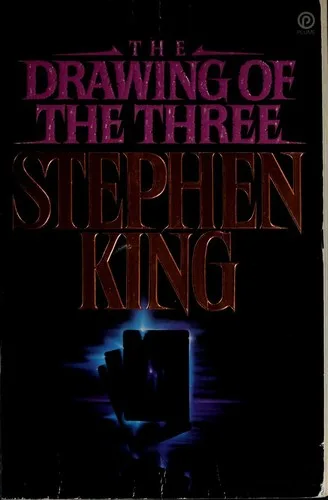

More Free Spiritualism & Afterlife Books
View all →