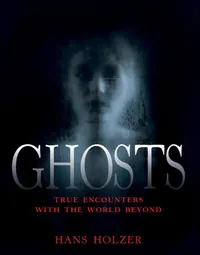
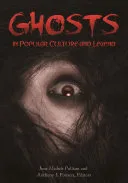
Ghosts in Popular Culture and Legend
 71
71

Ghosts in Popular Culture and Legend
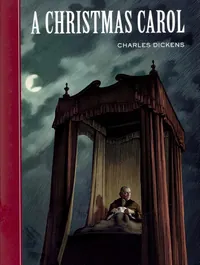
Pulliam and Fonseca's Ghosts in Popular Culture and Legend offers a commendably broad survey of spectral apparitions as they manifest in cultural output. Its strength lies in its encyclopedic scope, touching upon everything from literary ghosts in works like Dickens' *A Christmas Carol* to their presence in video games. The sheer volume of entries, spanning film, television, and urban legends, makes it a valuable starting point for researchers. However, the book's breadth occasionally sacrifices depth. While it identifies many instances of ghostly representation, it sometimes stops short of deeply analyzing the underlying philosophical or psychological implications for each example. A particularly insightful section discusses the evolution of the friendly ghost archetype, contrasting Casper the Friendly Ghost with more menacing spectral figures, but this could have been expanded. Ultimately, it serves as a useful, if sometimes superficial, catalog of the spectral in the public consciousness.
📝 Description
71
Published in 2007, Ghosts in Popular Culture and Legend catalogs spectral phenomena across media and folklore.
This reference work examines the presence and development of ghost concepts within various media and folklore. It details specific cultural works, authors, and widespread beliefs, covering ghost-related content from classic literature and historical accounts to contemporary film, television, urban legends, and digital gaming. The book traces the evolution of ghost beliefs, showing their adaptation through different eras and societal changes, from ancient oral traditions to modern digital narratives. The spectral figure continues to capture the human imagination, reflecting fears and hopes about mortality and the unknown.
The work analyzes the ghost as a cultural signifier, how it functions in storytelling to represent trauma, anxieties, or past influences. By examining diverse examples, the book highlights recurring archetypes and narrative structures defining ghost lore across popular culture, illustrating the spectral motif's adaptability. It is a valuable resource for scholars of folklore, cultural studies, and media analysis, as well as enthusiasts of the paranormal, occult history, and the human fascination with the afterlife.
While not strictly an esoteric text, this book engages with the enduring human interest in the afterlife and spectral manifestations, a topic that underpins many spiritual and occult traditions. It situates ghost stories within a broader cultural history, demonstrating how these narratives function to explore mortality, fear, and the unknown. The analysis of ghosts as cultural signifiers, representing unresolved trauma or societal anxieties, connects to themes found in psychical research and folklore studies that seek to understand the human psyche's engagement with the concept of spirits.
💡 Why Read This Book?
• Gain a structured understanding of how spectral figures are depicted in diverse media, from classic literature to contemporary gaming, as detailed in the book's extensive cataloging of cultural works. • Discover the historical trajectory of ghost lore, tracing its presence from ancient human cultures to its modern iterations in film and television. • Analyze the symbolic weight of ghosts in popular narratives, understanding how they function to represent unresolved issues or societal anxieties, as explored through various case studies.
⭐ Reader Reviews
Honest opinions from readers who have explored this book.
❓ Frequently Asked Questions
What specific types of media are covered in Ghosts in Popular Culture and Legend?
The book examines ghosts across a wide array of media, including literature (e.g., *A Christmas Carol*), film, television, music, urban legends, and video games.
Does the book focus only on American ghost stories?
No, while it includes significant coverage of ghosts in the United States, it also provides insights into spectral legends and representations from other countries.
Who are the primary authors of this work?
The book is authored by June Michele Pulliam and Anthony J. Fonseca.
When was Ghosts in Popular Culture and Legend first published?
The first edition of this comprehensive reference was published on September 26, 2016.
Is this book suitable for academic research on folklore?
Yes, its structured entries and broad coverage make it a valuable resource for academic research into folklore, cultural studies, and media analysis of spectral themes.
What is the main approach of the book regarding ghosts?
The book treats ghosts as a persistent element in human culture and a significant motif in popular culture, analyzing their representation across various forms of media and legend.
🔮 Key Themes & Symbolism
The Ghost as Cultural Signifier
This theme explores how the figure of the ghost transcends mere supernatural occurrence to become a potent symbol within human cultures. The book illustrates how spectral entities often embody collective anxieties, unresolved historical traumas, or the lingering influence of the past. By examining diverse cultural expressions, from ancient legends to modern media, it reveals the adaptable nature of the ghost archetype as a narrative device for exploring themes of mortality, memory, and the uncanny.
Evolution of Spectral Lore
The work traces the historical development and transformation of ghost beliefs across different societies and epochs. It highlights how the concept of the ghost, a universal element in human experience, has been reinterpreted through various lenses, including religious doctrines, philosophical inquiries, and artistic expressions. The book provides examples of how these spectral narratives adapt to changing social contexts, reflecting shifts in societal understanding of death, consciousness, and the afterlife.
Ghosts in Media and Entertainment
A significant focus is placed on the ghost's pervasive presence in popular culture. The book systematically catalogs and analyzes spectral representations in literature, film, television, music, gaming, and urban legends. It investigates recurring motifs, character archetypes (from menacing spirits to benevolent apparitions like Casper), and narrative structures that define how ghosts are presented and perceived in contemporary entertainment, underscoring their enduring appeal.
Folklore and Urban Legend
This theme examines the origins and dissemination of ghost stories within oral traditions and contemporary urban legends. It examines how these narratives function within communities, often serving as cautionary tales or expressions of shared fears and beliefs. The book explores the distinct characteristics of folkloric ghosts versus those presented in more structured literary or cinematic forms, illustrating the dynamic interplay between tradition and modern storytelling.
💬 Memorable Quotes
Direct passages from the work, attributed to the author.
“The concept of ghosts has been an ongoing and universal element in human culture as far back as recorded history can document.”
— This statement emphasizes the profound and enduring nature of spectral beliefs, positioning them not as fringe phenomena but as fundamental aspects of the human cultural landscape across millennia.
“Entries range from specific works to authors, folklore, and popular culture.”
— This highlights the book's comprehensive approach, indicating that it covers spectral manifestations in both canonical cultural artifacts and broader, less defined areas like folklore and general popular trends.
“Ghosts are a popular mainstay—from A Christmas Carol and Casper.”
— This illustrates the broad appeal and recognition of ghost figures in popular consciousness, referencing well-known examples to demonstrate their widespread presence and impact across different genres and eras.
“This book provides a single-volume resource on all things ghostly.”
— This assertion underscores the book's ambition to be an exhaustive and authoritative reference point for anyone seeking information on spectral phenomena as they appear in culture.
“The book covers ghosts in the United States and in other countries.”
— This points to the global scope of the research, suggesting that the analysis of spectral beliefs and representations is not limited to a single national context but embraces an international perspective.
🌙 Esoteric Significance
Tradition
While not strictly an esoteric text in the vein of Hermeticism or Kabbalah, this work engages with the universal human fascination with the afterlife and disembodied consciousness, concepts central to many esoteric traditions. It bridges the gap between folk belief and formalized occult studies by cataloging how these ideas manifest in accessible popular forms, acting as a secularized exploration of themes often found in spiritualist or Theosophical literature.
Symbolism
The book implicitly explores symbols associated with spectral phenomena. Ghosts often symbolize the unresolved past, the weight of memory, or the permeable boundary between the material and immaterial worlds. Their appearance can signify a need for closure, a warning, or a connection to ancestral legacies. The spectral form itself, often indistinct or ethereal, symbolizes the unknown, the liminal, and the persistence of identity beyond physical death.
Modern Relevance
Contemporary practitioners of modern witchcraft, spiritism, and even certain branches of Jungian psychology might find value in this work. It provides a broad overview of how spectral archetypes are constructed and perceived, offering insights into the collective unconscious's engagement with themes of death, haunting, and spiritual presence that resonate with modern esoteric practices and theoretical frameworks.
👥 Who Should Read This Book
• Students of folklore and cultural studies: To gain a comprehensive overview of spectral representations across various media and historical periods, aiding in comparative analysis. • Enthusiasts of the paranormal and occult: To understand the cultural diffusion and adaptation of ghost stories beyond traditional occult texts, exploring their presence in everyday entertainment. • Media critics and researchers: To analyze recurring motifs and narrative functions of ghosts in film, television, and gaming, informing studies on genre and cultural impact.
📜 Historical Context
Published in 2016, Ghosts in Popular Culture and Legend emerged during a period of renewed academic interest in the supernatural and its role in cultural production. The early 21st century saw a proliferation of scholarship on ghost narratives, paranormal investigations, and the psychology of fear, often building upon earlier works by figures like folklorist Alan Dundes or media theorists studying horror genres. The book arrived at a time when spectral themes were highly visible in popular media, with numerous television series (like *Supernatural*, which premiered in 2005) and films exploring ghost lore. Its comprehensive, single-volume approach aimed to consolidate disparate discussions of ghosts across literature, film, and folklore into a cohesive reference, distinguishing it from more specialized academic studies. While not directly engaging with a specific contemporary scholar's critique in its initial reception, its publication contributed to the ongoing academic discourse on the cultural persistence and adaptability of ghost stories.
📔 Journal Prompts
The spectral presence in *A Christmas Carol*: Analyze how Dickens' ghost figures function beyond mere plot devices.
Urban legend archetypes: Identify common narrative structures and themes in contemporary ghost stories.
Casper's evolution: Compare the friendly ghost archetype with more menacing spectral figures.
The ghost as a cultural signifier: Reflect on what spectral manifestations reveal about societal anxieties.
Historical ghost beliefs: Trace the lineage of a specific spectral concept across different cultures.
🗂️ Glossary
Urban Legend
A modern form of folklore, often sensational or macabre, that circulates as true, typically involving ghosts, hauntings, or other supernatural elements.
Spectral Phenomena
Events or manifestations attributed to ghosts or spirits, encompassing apparitions, poltergeist activity, and disembodied voices.
Archetype
A recurring symbol, character, or motif in literature and mythology that represents universal patterns of human nature or experience, such as the ghost or the spectral guide.
Folklore
The traditional beliefs, customs, and stories of a community, passed through the generations by word of mouth, including ghost stories and legends.
Cultural Signifier
An element within a culture (like a ghost) that represents or communicates a particular idea, value, or social phenomenon.
Apparition
The appearance of a ghost or ghost-like image, often perceived visually.
Poltergeist
A type of ghost or spirit believed to cause physical disturbances, such as loud noises, moving objects, or unexplained phenomena.