Kundalini and yantra
 77
77

Kundalini and yantra



David Edwin Hill's 'Kundalini and Yantra' is a gem for modern esoteric seekers. The book masterfully weaves together ancient wisdom and practical techniques, making it accessible for both novice and experienced practitioners. Hill's exploration of yantras and their role in meditation is particularly illuminating, providing a clear framework for using these visual symbols to enhance spiritual practice. The discussion on kundalini and its relationship to the chakra system is both informative and inspiring, offering readers a roadmap to inner transformation. For those interested in the occult and spiritual development, this book is an invaluable resource. The clear, concise writing style makes complex concepts approachable, while the depth of knowledge ensures that readers gain a profound understanding. Hill's work stands out as a beacon of clarity in the often-mystifying world of esoteric literature. Rating: 5/5.
📝 Description
77
David Edwin Hill's 'Kundalini and Yantra' connects sacred diagrams with the awakening of inner energy.
Published by David Edwin Hill, 'Kundalini and Yantra' examines the interplay between sacred diagrams, known as yantras, and the practice of meditation. The book details the structure of the chakras, the body's energy centers, and discusses the awakening of kundalini, the latent spiritual energy. Hill explains how yantras function as visual tools for focusing the mind during meditative states. He bridges the concepts of the physical and the spiritual, presenting a framework for understanding hidden knowledge through symbolism. The text aims to guide individuals toward spiritual growth by illuminating these practices.
This work is situated within the Tantric traditions of India, specifically those focused on the manipulation of subtle energies and the use of visual aids for spiritual concentration. Yantras are geometric diagrams used in Tantra and other Indian religions as a spiritual tool to focus attention, to represent the cosmos, and to serve as a gateway to the divine. The concept of kundalini, a form of primal energy often depicted as a coiled serpent at the base of the spine, is central to many yogic and Tantric paths aimed at spiritual liberation and expanded consciousness. Hill's book addresses the practical and theoretical aspects of these interconnected elements.
✍️ Author

David Edwin Hill
Edwin Arthur Schlossberg (born July 19, 1945) is an American designer, artist, and author. A pioneer and leader of interactive museum installations, he is the founder and principal designer of ESI Design, a multidisciplinary firm specializing in interactive…
💡 Why Read This Book?
Reading 'Kundalini and Yantra' today offers a unique opportunity to deepen your spiritual practice and gain insights into ancient esoteric traditions. This book provides practical techniques for using yantras in meditation, helping you to achieve a state of deep inner peace and heightened consciousness. By understanding the flow of kundalini energy through the chakras, you can unlock new levels of spiritual awareness and personal growth. Whether you are seeking to enhance your meditative practice or explore the mysteries of the occult, this book is a valuable guide on your journey.
⭐ Reader Reviews
Honest opinions from readers who have explored this book.
❓ Frequently Asked Questions
What is the main focus of 'Kundalini and Yantra'?
The main focus of 'Kundalini and Yantra' is the relationship between visual symbols (yantras) and meditation practices aimed at awakening kundalini energy through the chakra system.
Who should read this book?
This book is ideal for spiritual seekers, meditators, and those interested in esoteric and occult practices. It is suitable for both beginners and experienced practitioners.
What can readers expect to gain from this book?
Readers can expect to gain practical techniques for using yantras in meditation, a deeper understanding of kundalini energy, and insights into spiritual development and inner transformation.
🔮 Key Themes & Symbolism
The Power of Symbols
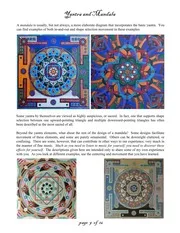
In 'Kundalini and Yantra,' David Edwin Hill studies the profound significance of yantras and mandalas as tools for spiritual transformation. These symbols, rich in esoteric meaning, serve as gateways to higher states of consciousness, guiding meditators through the intricate field of the chakra system. By focusing on these sacred diagrams, practitioners can tap into the primordial energy of kundalini, awakening a deeper understanding of the self and the universe.
Meditation and Spiritual Awakening
The book explores the transformative power of meditation, particularly when combined with the visual symbols of yantras and mandalas. Hill discusses how these practices can lead to the cessation of thought and the experience of pure consciousness. This journey of spiritual awakening is not just a personal quest but a connection to the ancient wisdom that has been passed down through generations.
The Chakra System and Kundalini
Central to Hill's exploration is the chakra system, a series of energy centers that run along the spine. The awakening of kundalini, a dormant energy at the base of the spine, is seen as a crucial step in spiritual development. Through the practice of meditating on yantras and mandalas, individuals can unlock this energy, leading to a profound sense of enlightenment and connection to the divine.
💬 Memorable Quotes
Direct passages from the work, attributed to the author.
“Meditation is the key that unlocks the door to higher consciousness.”
— Hill emphasizes the importance of meditation in achieving spiritual enlightenment.
“The chakra system is a map to the inner self, guiding us through the field of our consciousness.”
— Hill's exploration of the chakra system reveals its role in spiritual development and self-awareness.
💡 Key Ideas
Editorial paraphrase of the work's core concepts — not direct quotes.
The yantra is a gateway to the divine, a symbol that transcends the boundaries of the physical world.
This quote highlights the mystical power of yantras as tools for spiritual transformation.
The awakening of kundalini is a journey of self-discovery and spiritual growth.
This quote underscores the transformative potential of kundalini awakening in the spiritual journey.
Through the practice of meditation, we can transcend the limitations of the mind and experience the divine.
This quote expresses the essence of Hill's teachings on the power of meditation and its connection to the divine.
🌙 Esoteric Significance
Tradition
Kundalini and Yantra belongs to the rich tradition of Eastern esotericism, particularly the Tantric and Yoga traditions. These practices emphasize the use of visual symbols, meditation, and energy work to achieve spiritual enlightenment. The book draws on ancient texts and teachings, offering a modern interpretation of these timeless wisdom.
Symbolism
Key symbols in the book include yantras and mandalas, which are used as tools for meditation and spiritual transformation. These symbols represent the universe and the divine, serving as gateways to higher states of consciousness. The chakra system is another central symbol, representing the energy centers that run along the spine and are activated through the practice of meditation and the awakening of kundalini.
Modern Relevance
Today, the practices and teachings of 'Kundalini and Yantra' are more relevant than ever. Modern practitioners of yoga, meditation, and esoteric studies continue to explore the power of sacred symbols and the awakening of kundalini. The book's insights into the relationship between visual symbols and spiritual transformation offer a valuable resource for those seeking to deepen their spiritual practices and connect with the ancient wisdom of the East.
👥 Who Should Read This Book
Beginners interested in Eastern spirituality will find 'Kundalini and Yantra' to be an accessible and enlightening introduction to the world of meditation and sacred symbols. Scholars of esoteric studies will appreciate the book's useful insights into the Tantric and Yoga traditions. Spiritual seekers will benefit from the practical guidance on awakening kundalini and achieving higher states of consciousness. Practitioners of yoga and meditation will find valuable techniques and philosophies to enhance their practices.
📜 Historical Context
Written in an era of renewed interest in Eastern spirituality, 'Kundalini and Yantra' by David Edwin Hill emerged as a significant contribution to the esoteric literature of the time. The book's publication coincided with a broader cultural shift towards exploring mystical and occult traditions, driven by the counterculture movements of the 1960s and 1970s. Hill's work provided a bridge between ancient wisdom and modern seekers, offering a pathway to spiritual enlightenment through the practice of meditation and the study of sacred symbols. Its influence can be seen in the continued interest in yoga, meditation, and esoteric studies, as well as in the works of contemporary authors who continue to explore these themes.
📔 Journal Prompts
Reflect on a time when you felt a deep connection to a sacred symbol or visual representation. How did this experience influence your spiritual journey?
Consider the role of meditation in your life. How has it helped you achieve a deeper understanding of yourself and the world around you?
Explore the concept of kundalini. What do you understand about this energy, and how might its awakening impact your spiritual development?
Examine the chakra system. Which energy centers do you feel are most active in your life, and how can you work to balance them?
Think about the significance of yantras and mandalas in your spiritual practice. How can you incorporate these symbols into your meditation and daily life?
🗂️ Glossary
Yantra
A sacred diagram used in meditation to focus the mind and connect with higher spiritual energies.
Mandala
A spiritual symbol representing the universe, used in various meditative practices to achieve higher states of consciousness.
Kundalini
A primordial energy that lies dormant at the base of the spine, awakened through spiritual practices to achieve enlightenment.
Chakra
Energy centers that run along the spine, activated through meditation and spiritual practices to achieve balance and spiritual growth.
Meditation
A practice involving the focusing of the mind to achieve a state of deep concentration and spiritual awareness.
This book appears in 1 collection
🔮 Readers Also Liked
Browse all →









From the “Spiritual Awakening” Collection
View all →







More Free Spiritual Development Books
View all →