Essential Sufism
 81
81

Essential Sufism
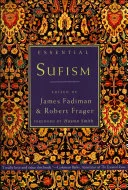
Essential Sufism by Frager and Fadiman offers a valuable, if somewhat uneven, survey of Islamic mysticism. The sheer volume of selections, spanning from ancient prayers to modern verse, provides a compelling overview of Sufi expression. Its strength lies in the diversity of voices presented, offering a panoramic view of a tradition often misunderstood. However, the lack of extensive introductory material for each selection can leave a reader without prior context feeling adrift. For instance, a reader encountering the concept of *fana* for the first time might benefit from more immediate explanation before the poetic rendering. Despite this, the inclusion of texts from figures like Rumi alongside lesser-known mystics makes it a worthy, if sometimes demanding, compendium. It serves as a solid, if not always deeply explanatory, primer on the heart of Islamic spirituality.
📝 Description
81
### What It Is Essential Sufism is a substantial anthology offering over three hundred selections that represent the breadth and depth of Sufi thought and practice across centuries. Compiled by Robert Frager and James Fadiman, this collection gathers prayers, poems, and teachings from various eras and geographical regions associated with Islamic mysticism. It aims to present the core expressions of Sufism, showcasing its spiritual vitality and philosophical richness.
### Who It's For This volume is intended for individuals seeking a comprehensive introduction to Sufism, particularly those interested in the contemplative and mystical dimensions of Islam. It appeals to students of comparative religion, seekers of spiritual wisdom, and anyone curious about the esoteric traditions within Abrahamic faiths. The book provides accessible material for both those new to Sufi concepts and those with some prior knowledge.
### Historical Context First published in 2013, Essential Sufism emerged during a period of renewed academic and popular interest in mysticism and comparative spirituality. It draws from a tradition with roots stretching back to the 8th century CE, encompassing figures like Rumi and figures associated with the Naqshbandi order. The book's compilation reflects a modern effort to synthesize diverse historical expressions of Sufi thought, making them available to a global audience often outside traditional Islamic scholarly circles.
### Key Concepts The collection highlights fundamental Sufi concepts such as the pursuit of divine love (ishq), the journey of the soul toward union with the Divine (fana), and the importance of the spiritual guide (shaykh). It also touches upon practices like meditation, remembrance of God (dhikr), and the role of poetry and music in spiritual development. The selections often emphasize the experiential nature of faith and the inner transformation of the seeker.
💡 Why Read This Book?
• Gain direct exposure to over 300 devotional texts and spiritual teachings, offering a tangible sense of the vast scope of Sufi tradition since its early centuries. • Understand the concept of *ishq* (divine love) as a central driving force in Sufi practice, as exemplified through various poetic and prayerful selections. • Explore the role of the *shaykh* (spiritual guide) in the Sufi path, illustrated through foundational texts and biographical snippets from historical figures.
⭐ Reader Reviews
Honest opinions from readers who have explored this book.
❓ Frequently Asked Questions
What is the historical origin of Sufism presented in Essential Sufism?
Sufism's origins are traced back to the early Islamic period, around the 8th century CE, evolving from ascetic and devotional movements within Islam. Essential Sufism includes texts reflecting this long lineage, from early Islamic mystics to later influential figures.
Who are some key figures represented in Essential Sufism?
The collection features writings and prayers from a wide array of Sufi masters and poets. While specific names vary across editions and translations, it aims to represent influential figures like Rumi, along with many others from diverse Sufi orders across history.
Is Essential Sufism a primary source text or an anthology?
Essential Sufism is an anthology, meaning it compiles selections from numerous primary source texts and authors within the Sufi tradition. It is not a single work by one author but a curated collection of existing Sufi literature.
What is the spiritual goal emphasized in the selections from Essential Sufism?
A primary spiritual goal emphasized is the direct experience of God and the annihilation of the ego in divine love, often referred to as *fana*. The path involves intense devotion, self-purification, and remembrance of the Divine.
Does Essential Sufism cover different branches of Sufism?
Yes, the anthology strives to represent the diversity within Sufism, drawing from various historical periods and regional expressions. It aims to showcase the shared core principles while acknowledging the distinct manifestations of Sufi practice and thought.
Can beginners understand the concepts in Essential Sufism?
While some selections are poetic and require contemplation, the anthology is designed to be accessible to beginners. It provides a broad introduction to Sufi thought, though deeper understanding may benefit from supplementary study or guidance.
🔮 Key Themes & Symbolism
Divine Love (Ishq)
Central to Sufism is the concept of *ishq*, an ardent, passionate love for the Divine. This theme permeates the anthology, appearing in ecstatic poetry and devotional prayers that express the soul's yearning for union with God. Selections often depict this love as an all-consuming force, guiding the seeker's spiritual journey and transforming the heart. The intensity of this love is seen as the primary catalyst for spiritual progress and the ultimate aim of the Sufi path, moving beyond mere intellectual understanding to direct, experiential connection.
The Path of the Seeker
Essential Sufism illuminates the arduous yet rewarding journey of the spiritual seeker, or *salik*. This path involves rigorous self-discipline, purification of the lower self (*nafs*), and the cultivation of virtues like patience (*sabr*) and gratitude (*shukr*). The collection presents various stages of this ascent, from initial awakening to the profound states of spiritual realization. It emphasizes the guidance of a *shaykh* (spiritual master) and the importance of practices like *dhikr* (remembrance) to navigate the inner landscape and move closer to the Divine presence.
Inner Transformation (Tazkiyah)
A significant focus within the anthology is *tazkiyah*, or the purification of the heart and soul. This internal cleansing is depicted as essential for discerning spiritual truths and experiencing divine proximity. Selections often explore the struggle against egoic desires and negative character traits, highlighting the transformative power of sincere intention and spiritual practice. The ultimate goal is the realization of the heart's innate purity and its capacity to reflect the Divine light, leading to a profound inner peace and spiritual clarity.
Unity of Being (Wahdat al-Wujud)
While not always explicitly named, the concept of *Wahdat al-Wujud*, or the Unity of Being, underpins many selections. This philosophical and mystical perspective suggests that all existence ultimately emanates from and returns to a single Divine Reality. The anthology includes expressions that hint at the dissolution of perceived duality between the seeker and the sought, the creation and the Creator. This theme encourages an understanding of the universe as a manifestation of God, fostering a sense of interconnectedness and awe.
💬 Memorable Quotes
“From thousand-year-old prayers to contemporary Sufi poetry...”
— This phrase highlights the anthology's extensive historical scope, demonstrating that Sufi wisdom is not a static relic but a living tradition that has evolved and expressed itself across many centuries and forms.
“The beauty and deep wisdom of the Sufis.”
— This interpretation underscores the aesthetic and intellectual appeal of Sufism, suggesting that its teachings possess both profound insight and an inherent grace, making them valuable for spiritual seekers.
“Reveals the heart of Islamic mysticism.”
— This statement positions the book as a key to understanding the innermost essence of Sufism, presenting it not merely as a set of doctrines but as a living, experiential spiritual path within Islam.
“Embraces the full diversity of a rich tradition.”
— This indicates that the collection avoids presenting a narrow or monolithic view of Sufism, instead showcasing the varied expressions, schools, and historical developments within this multifaceted spiritual lineage.
“Presents more than three hundred beautiful and inspirational works.”
— This quantifiable aspect emphasizes the volume and positive affective quality of the content, suggesting a wealth of material designed to uplift and edify the reader's spiritual and emotional state.
🌙 Esoteric Significance
Tradition
Essential Sufism firmly belongs within the esoteric and mystical branches of Islam, specifically Sufism. It draws from a lineage that emphasizes inner purification, direct experience of the Divine, and the cultivation of love. While rooted in Islamic theology and practice, its focus on the experiential and the path of the heart aligns it with broader esoteric currents seeking direct connection with the Absolute, transcending purely dogmatic adherence.
Symbolism
Key symbols frequently encountered include the heart (*qalb*) as the locus of divine perception, the mirror as a metaphor for the purified soul reflecting God's light, and the journey itself symbolizing the soul's ascent through various spiritual stations. Light (*nur*) is also a pervasive motif, representing divine presence and spiritual illumination, often emanating from the Beloved or the seeker's awakened inner state.
Modern Relevance
Contemporary thinkers and practitioners in fields ranging from positive psychology to mindfulness often draw upon Sufi principles, particularly its emphasis on presence, love, and inner work. Schools exploring comparative mysticism and alternative spiritualities frequently cite Sufi texts and concepts. Modern Sufi orders continue to adapt these teachings for contemporary life, making works like this anthology relevant for ongoing spiritual exploration and practice.
👥 Who Should Read This Book
• Seekers of Islamic mysticism: Individuals interested in understanding the contemplative and devotional heart of Islam, beyond its legalistic or political dimensions. • Students of comparative religion: Those studying the common threads and unique expressions of spiritual traditions worldwide, seeking a grounded introduction to a major esoteric path. • Practitioners of meditation and contemplation: Individuals looking for diverse methods and philosophical underpinnings for inner work, self-awareness, and cultivating spiritual love.
📜 Historical Context
Published in 2013, Essential Sufism arrived at a time when global interest in contemplative traditions and interfaith dialogue was significant. Sufism, as the mystical dimension of Islam, has a lineage stretching back to the 8th century CE, with key figures like Rumi (13th century) and later masters shaping its diverse expressions across the Middle East, South Asia, and North Africa. This anthology synthesized centuries of practice and thought, making it accessible to a Western audience often familiar with other esoteric paths but less so with Islamic mysticism. Its compilation reflects a modern scholarly and spiritual effort to present Sufism outside of strictly academic or traditional Islamic theological frameworks. The reception of such works often navigates the complex relationship between esoteric interpretation and mainstream religious understanding. In the scholarly sphere, figures like Annemarie Schimmel had already paved the way for understanding Sufism's literary and spiritual depth in the West.
📔 Journal Prompts
The concept of *ishq* as a driving force: How might this passionate love manifest in daily actions?
Reflect on the symbolism of the heart (*qalb*) as a mirror: What obscures its reflection in your own experience?
Consider the role of the *shaykh*: What qualities define effective spiritual guidance in any context?
The stages of the seeker's journey: Identify one challenge and one reward in your own path toward deeper understanding.
Analyze a passage related to *tazkiyah*: How does the text suggest purifying the inner self?
🗂️ Glossary
Sufism
The esoteric, mystical, or inward dimension of Islam, focused on the pursuit of divine love and direct experience of God through spiritual practices like meditation and remembrance.
Ishq
Ardent, passionate, and often overwhelming love, particularly divine love directed towards God, considered a central motivation and goal in the Sufi path.
Shaykh
A spiritual guide or master in Sufism, who possesses deep knowledge and experience of the spiritual path and guides disciples towards union with God.
Fana
Literally 'annihilation' or 'passing away,' referring to the Sufi concept of the dissolution of the ego or individual self in the Divine presence, a state of spiritual ecstasy.
Dhikr
The remembrance of God, a central Sufi practice involving the repetition of divine names, phrases, or prayers, often in rhythmic or chanting form, to achieve spiritual presence.
Nafs
The ego, lower self, or psyche; often seen as the source of negative inclinations and desires that must be purified and brought under control on the spiritual path.
Salik
A spiritual traveler or seeker who is actively progressing on the Sufi path towards God, undergoing various stages of development and purification.