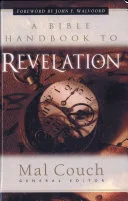
A Bible Handbook to Revelation
 75
75

A Bible Handbook to Revelation
Mal Couch’s A Bible Handbook to Revelation attempts a systematic unpacking of the Apocalypse, a text notoriously resistant to simple exegesis. The verse-by-verse approach, a strength for those desiring granular detail, can sometimes feel overwhelming, with the dense commentary occasionally obscuring the broader prophetic sweep. Couch’s interpretation of the Beast, for instance, within its historical context of Roman imperial power, provides a solid analytical anchor, yet the leap to contemporary applications sometimes feels less assured. The reliance on specific evangelical theological frameworks, while consistent with the book's stated audience, may limit its appeal to readers outside that tradition. Despite its limitations, the handbook serves as a diligent resource for those committed to a particular interpretive path through Revelation’s intricate landscape. It is a serviceable, if not revolutionary, guide for its intended readership.
📝 Description
75
Mal Couch's A Bible Handbook to Revelation was published to clarify the New Testament's final book.
This handbook offers a structured approach to understanding the Book of Revelation. Mal Couch provides a verse-by-verse commentary, aiming to explain the prophecies and symbolic language within this New Testament text. The work moves through each passage to give clarity on its meaning and implications.
It is intended for students of biblical prophecy and scholars interested in eschatology. Those seeking a detailed, academic interpretation of Revelation will find this handbook useful. The foreword by John F. Walvoord signals its theological orientation. The book addresses ongoing interest in interpreting end times prophecy, a discussion prominent since the 20th century. It focuses on "issues that most interest twenty-first-century readers."
The handbook's central focus is an analysis of Revelation's eschatological framework. It addresses symbolic figures like the Beast and the Antichrist, and significant events such as the Second Coming and the Tribulation. The work favors a literal or near-literal interpretation of prophecy, using a historical-critical method for prophetic texts.
This handbook arises from a tradition of evangelical biblical scholarship that often interprets apocalyptic literature through a dispensationalist lens. This approach typically emphasizes a literal reading of prophetic texts, viewing them as direct predictions of future events. The book engages with contemporary theological debates surrounding the interpretation of end times, situating itself within a long history of Christian eschatological thought. It seeks to apply a historical-critical method to texts often treated allegorically or symbolically by other traditions.
💡 Why Read This Book?
• Gain a detailed, verse-by-verse explanation of the Book of Revelation, moving beyond surface-level interpretations to understand specific prophetic passages, as presented in Couch's methodical analysis. • Understand the historical and symbolic context of key apocalyptic figures and events discussed in Revelation, such as the Beast, drawing on the book's focus on background analysis. • Explore the theological underpinnings of evangelical eschatology through a focused examination of end-times prophecy, guided by the commentary's engagement with scholarly debates.
⭐ Reader Reviews
Honest opinions from readers who have explored this book.
❓ Frequently Asked Questions
What is the primary interpretive approach used in A Bible Handbook to Revelation?
The handbook primarily employs a verse-by-verse commentary, emphasizing a literal or near-literal interpretation of prophetic passages. It aims to provide background analysis relevant to understanding the text for contemporary readers and students of eschatology.
Who is the intended audience for Mal Couch's A Bible Handbook to Revelation?
The book is designed for evangelical scholars, students of biblical prophecy, and readers interested in eschatology. It addresses issues relevant to twenty-first-century interpretations of the Book of Revelation.
Does the book cover the symbolic meanings of elements within Revelation?
Yes, the handbook delves into the symbolic language of Revelation, offering explanations for figures like the Beast and events such as the Tribulation within its interpretive framework.
What is the significance of the foreword by John F. Walvoord?
The foreword by John F. Walvoord, a prominent evangelical theologian, signals the book's theological orientation and scholarly grounding within that tradition of biblical interpretation.
How does the book help readers understand Revelation in a modern context?
It addresses issues of interest to twenty-first-century readers, providing background analysis and explanations to make the prophetic text more accessible and relevant to contemporary concerns.
Is this book suitable for beginners studying Revelation?
While detailed, its verse-by-verse structure and focus on specific theological issues make it particularly useful for those with some background in biblical studies or a desire for in-depth analysis.
🔮 Key Themes & Symbolism
Eschatological Framework
This handbook meticulously examines the eschatological timeline presented in the Book of Revelation. It focuses on interpreting prophetic events such as the Tribulation, the Second Coming of Christ, and the establishment of God's eternal kingdom. Couch's work provides a detailed breakdown of these future events, grounding his interpretations in a consistent theological perspective that often aligns with dispensationalist views. The analysis seeks to offer clarity on the sequence and significance of these ultimate prophecies.
Symbolic Figures and Events
A core theme is the deciphering of Revelation's rich symbolism, particularly concerning figures like the Beast, the False Prophet, and the Antichrist, as well as pivotal events like the seals, trumpets, and bowls. The book explores potential historical referents and future fulfillments of these symbols. It aims to move beyond allegorical readings to a more concrete understanding of the entities and occurrences described in John's vision.
Biblical Textual Analysis
The handbook's methodology centers on a rigorous, verse-by-verse exposition of the Book of Revelation. This approach ensures that each passage is examined within its immediate context and then integrated into the larger prophetic narrative. The work prioritizes a close reading of the text, supported by historical background and theological reasoning, to build a comprehensive understanding of the book's message.
Contemporary Relevance of Prophecy
A significant aspect of this handbook is its effort to connect the ancient prophecies of Revelation to the concerns and questions of twenty-first-century readers. It addresses how these prophecies inform current events, theological debates, and the Christian understanding of the End Times. The book seeks to demonstrate the ongoing applicability and importance of apocalyptic scripture.
💬 Memorable Quotes
“The book offers a verse-by-verse explanation and background analysis of Revelation.”
— This highlights the handbook's systematic approach, promising readers a detailed breakdown of the text rather than a general overview. It suggests a focus on both the literal meaning and the historical context of each passage.
“It discusses issues that most interest twenty-first-century readers and students.”
— This indicates the book's intention to bridge the gap between ancient prophecy and modern concerns, addressing contemporary questions about the End Times and their relevance today.
“Foreword by John F. Walvoord.”
— This endorsement from a leading evangelical educator signals the book's theological alignment and scholarly credibility within that specific tradition of biblical interpretation.
“Mal Couch provides detailed commentary on Revelation's prophecies.”
— This emphasizes the depth of analysis offered, suggesting that the book goes beyond superficial readings to explore the intricacies of the prophetic messages within the Apocalypse.
“The work aims to elucidate the complex prophecies within the final book of the Bible.”
— This statement underscores the book's primary objective: to bring clarity and understanding to the often challenging and symbolic language of Revelation.
🌙 Esoteric Significance
Tradition
While rooted in evangelical biblical scholarship, the detailed symbolic analysis of Revelation touches upon themes often explored in esoteric traditions. The focus on uncovering hidden meanings within prophetic texts and understanding cosmic timelines shares common ground with Gnostic or Kabbalistic inquiries into divine revelation and spiritual realities. However, Couch's work typically adheres to a literalist interpretation, diverging from the more mystical or allegorical methods prevalent in many esoteric lineages.
Symbolism
Key symbols like the 'Dragon' (often identified with Satan) and the 'New Jerusalem' are central. In esoteric contexts, the Dragon can represent primal chaos or adversarial forces, while the New Jerusalem symbolizes a perfected spiritual state or divine order. The book explores these symbols within a framework aiming for prophetic fulfillment, connecting them to historical and future events as understood within its theological perspective.
Modern Relevance
Contemporary evangelical scholars and prophecy enthusiasts continue to engage with Couch's work for its systematic approach to Revelation. Its detailed exegesis informs sermons, Bible studies, and personal theological reflection among those who share its interpretive assumptions. The handbook remains a reference point for discussions on eschatology within its specific denominational and theological circles.
👥 Who Should Read This Book
• Students of evangelical eschatology seeking a detailed, verse-by-verse commentary on Revelation, benefiting from Couch's methodical approach and background analysis. • Pastors and Bible study leaders who require a reliable resource for preparing lessons on the Book of Revelation, grounded in a consistent theological perspective. • Lay readers interested in understanding the End Times prophecies from an evangelical viewpoint, who appreciate clear explanations of complex symbolic language and historical context.
📜 Historical Context
Published in an era of continued evangelical engagement with eschatology, Mal Couch's *A Bible Handbook to Revelation* emerged from a scholarly milieu deeply invested in understanding biblical prophecy. The late 20th and early 21st centuries saw a robust discourse surrounding the End Times, fueled by global events and theological developments. Within this landscape, Couch's work aligns with the dispensationalist interpretive tradition, which gained significant traction following figures like Cyrus I. Scofield and his widely circulated Scofield Reference Bible. This tradition often posits a literal fulfillment of biblical prophecies, distinguishing between Israel and the Church. Couch's handbook contributes to this ongoing conversation, addressing specific questions and interpretive challenges faced by contemporary believers seeking to understand Revelation's message. It stands in contrast to more allegorical or purely symbolic approaches to apocalyptic literature favored by some theological schools, offering instead a detailed, text-driven analysis intended for a committed evangelical readership.
📔 Journal Prompts
The Beast: Analyze its symbolic representation and potential historical or future manifestations as discussed in the text.
The Tribulation: Reflect on the scriptural descriptions and the handbook's interpretation of this period.
Consider the symbolic meaning of the number 'seven' as it appears throughout Revelation.
Examine the sequence of events described in chapters 4-19 of Revelation.
How does Couch's interpretation of the New Jerusalem compare with other biblical descriptions of God's eternal kingdom?
🗂️ Glossary
Eschatology
The theological study of 'last things,' including concepts such as death, the end of the world, judgment, and salvation. In biblical studies, it often focuses on prophetic texts concerning the End Times.
Dispensationalism
A theological system that interprets biblical history as divided into distinct periods or 'dispensations,' each characterized by a particular way God deals with humanity. It often emphasizes a future, literal fulfillment of Old Testament prophecies.
The Tribulation
A future period of intense suffering and divine judgment on Earth, as described in prophetic passages of the Bible, particularly in the Book of Revelation.
The Second Coming
The anticipated return of Jesus Christ to Earth, a central tenet in Christian eschatology, often linked to the final judgment and the establishment of God's kingdom.
The Beast
A symbolic figure appearing in the Book of Revelation, often interpreted as a powerful political or religious entity opposing God and persecuting believers during the End Times.
Antichrist
A figure or force described in biblical prophecy as being in opposition to Christ, typically appearing before the Second Coming to deceive many and persecute the faithful.
Verse-by-verse Commentary
An exposition of a text that analyzes each verse sequentially, providing interpretation, historical context, and theological implications for each part.