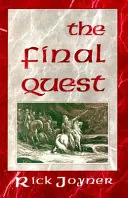
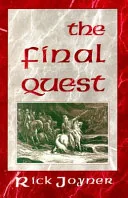
The Vision A Two-in-one Volume Of The Final Quest And The Call

 78
78

The Vision A Two-in-one Volume Of The Final Quest And The Call
Rick Joyner's "The Vision" presents a potent, if occasionally dense, exploration of spiritual destiny and conflict. The strength lies in its vivid allegorical framework, particularly the depiction of the "Final Quest" as a personal, arduous journey toward divine alignment. Joyner's prose, while earnest, can sometimes lean towards the repetitive, particularly in its extended descriptions of spiritual encounters. A passage detailing the "Valley of Tears" effectively conveys a sense of profound spiritual desolation, serving as a stark contrast to the promised victory. However, the work's singular focus and specific theological framing might limit its appeal to readers outside a particular evangelical tradition. Ultimately, "The Vision" offers a fervent, symbolic portrayal of spiritual progression for those seeking a divinely charged narrative.
📝 Description
78
Rick Joyner's "The Vision" combines "The Final Quest" and "The Call" into one volume, first appearing around 2000.
This book compiles two of Rick Joyner's works, "The Final Quest" and "The Call," originally published together near the turn of the millennium. The text presents a spiritual narrative framed by visions and allegorical encounters. It details a journey through symbolic spiritual landscapes and battles, focusing on themes of divine purpose and spiritual conflict. The writing style employs a blend of prophetic narrative and symbolic interpretation, aiming to convey the unfolding of a divine plan.
The work addresses individuals interested in spiritual exploration, particularly within an evangelical Christian framework. It discusses spiritual warfare, the concept of a divine calling, and the broader cosmic struggle between good and evil. Readers seeking to understand personal destiny and the dynamics of spiritual conflict will find these elements central to the book's message. Those familiar with Joyner's prior writings will recognize a continuation of his established thematic interests.
Published in 2000, "The Vision" emerged during a time of significant interest in apocalyptic and prophetic themes within evangelical Christianity. This period saw many authors addressing end-times scenarios and the believer's role in spiritual conflict. Joyner's work fits within this context, offering a symbolic interpretation of contemporary spiritual and societal events through a distinct evangelical lens. It contributes to a tradition of Christian literature that uses visionary experiences to interpret divine will and future events.
💡 Why Read This Book?
• Gain insight into the "Final Quest" concept, understanding its detailed allegorical representation of a soul's ultimate spiritual journey as presented in the book's narrative structure. • Explore the symbolic meaning of "the Call" as depicted through specific visions, offering a unique perspective on divine invitation and personal destiny beyond generic notions of purpose. • Grasp the book's unique depiction of spiritual warfare, moving beyond abstract concepts to concrete, symbolic encounters that illustrate the nature of cosmic conflict as detailed in its prophetic visions.
⭐ Reader Reviews
Honest opinions from readers who have explored this book.
❓ Frequently Asked Questions
What is the significance of the "Valley of Tears" in Rick Joyner's "The Vision"?
The "Valley of Tears" in "The Vision" represents a profound spiritual desolation and trial. It serves as a symbolic landscape within the narrative where believers confront deep spiritual challenges and emotional suffering before advancing towards higher spiritual ground.
When was Rick Joyner's "The Vision" first published?
Rick Joyner's "The Vision," which combines "The Final Quest" and "The Call," was first published around the year 2000, reflecting a period of significant interest in apocalyptic and prophetic literature.
What theological tradition most closely aligns with "The Vision"?
The book aligns closely with evangelical Christian traditions, particularly those with an emphasis on spiritual warfare, prophetic revelation, and the concept of a divine "call" to service.
Does "The Vision" offer practical advice for daily life?
While "The Vision" is primarily allegorical and prophetic, its narrative of spiritual quests and calls can inspire readers to reflect on their own spiritual journeys and divine assignments, offering a framework for personal growth.
Are "The Final Quest" and "The Call" available as separate works?
Yes, "The Final Quest" and "The Call" were originally published as distinct works before being combined into the two-in-one volume titled "The Vision".
What is the central theme of "The Final Quest" as presented in the book?
The central theme of "The Final Quest" is the arduous yet ultimately victorious spiritual journey of an individual or the Church towards fulfilling its ultimate divine purpose and destiny.
🔮 Key Themes & Symbolism
Spiritual Warfare Allegory
The work vividly portrays spiritual warfare not as an abstract concept but as a series of intense, symbolic encounters. Joyner details battles against demonic forces and internal spiritual struggles, framing the believer's life as a continuous campaign. This allegorical approach, particularly evident in the "Final Quest," aims to equip readers with a framework for understanding and engaging in their own spiritual battles, emphasizing courage and divine reliance in the face of adversity.
The Divine Call
Central to "The Vision" is the exploration of "the Call" – a personal, divine invitation to undertake specific spiritual assignments. The book illustrates this through narrative visions, depicting individuals responding to God's summons. It suggests that this call is not a singular event but an ongoing process of discernment and commitment, integral to fulfilling one's unique role within a larger divine plan. This theme encourages introspection on personal vocations and spiritual readiness.
Eschatological Purpose
Joyner's work is deeply rooted in eschatological themes, focusing on the culmination of history and the ultimate purposes of God. The "Final Quest" itself is presented as a journey towards this grand conclusion. The text emphasizes the unfolding of divine prophecy and the role of believers in this unfolding drama. This perspective imbues the narrative with a sense of urgency and ultimate hope, guiding readers toward understanding their place in God's eternal design.
Symbolic Landscapes
The book utilizes a rich array of symbolic landscapes, such as the "Valley of Tears" and celestial realms, to represent spiritual states and journeys. These environments are not mere backdrops but active participants in the narrative, reflecting the inner state of the characters and the nature of their spiritual progression. Understanding these symbolic terrains is key to interpreting the deeper meanings of the quests and calls presented.
💬 Memorable Quotes
“The greatest danger is not to fall, but to refuse to get up.”
— This statement emphasizes resilience in the face of spiritual setbacks. It suggests that true failure lies not in experiencing difficulties or making mistakes, but in succumbing to despair and ceasing the effort to continue one's spiritual journey.
“Every believer has a unique and vital part to play in the unfolding of God's purposes.”
— This highlights the individual significance within a collective spiritual narrative. It underscores that each person's "Call" is essential and contributes indispensably to the grander, divinely orchestrated plan, encouraging a sense of personal responsibility and value.
“Spiritual growth often occurs in the crucible of intense challenge.”
— This paraphrased concept points to the transformative power of adversity. It suggests that significant spiritual development and strengthening of faith are frequently forged through severe trials and difficult circumstances.
“The "Final Quest" is the soul's ultimate journey toward its divine destiny.”
— This interpretation defines the core objective of the "Final Quest" narrative. It frames the entire spiritual life as a purposeful pilgrimage aimed at reaching a predetermined, divinely ordained end state or fulfillment.
“Discernment is a crucial weapon in the arsenal of spiritual warfare.”
— This highlights the importance of spiritual insight and judgment. It positions the ability to distinguish between truth and deception as a primary defense and offensive tool in the ongoing battle against negative spiritual forces.
🌙 Esoteric Significance
Tradition
While firmly rooted in an evangelical Christian framework, "The Vision" incorporates elements that resonate with broader esoteric traditions concerning spiritual journeys and divine mandates. Its emphasis on visionary experiences and symbolic interpretation aligns with Gnostic and Hermetic practices of seeking hidden knowledge through inner revelation. The concept of a "Final Quest" echoes archetypal journeys found in various mystical paths, representing the soul's ultimate return or integration.
Symbolism
The book employs potent symbols such as the "Valley of Tears" to represent periods of profound spiritual suffering and purification, a motif found in various mystical traditions signifying hardship before enlightenment. "The Call" itself functions as a symbol of divine election and purpose, reminiscent of initiation rites in mystery schools where individuals are called to a higher service. The depiction of spiritual warfare also draws on archetypal symbolism of cosmic battles between light and darkness.
Modern Relevance
Contemporary spiritual seekers, particularly within charismatic and prophetic Christian movements, continue to draw upon Joyner's visionary narratives. His work influences discussions on spiritual warfare, discerning divine guidance, and understanding one's role in a perceived cosmic conflict. Thinkers and practitioners exploring the intersection of faith, mysticism, and symbolic interpretation may find "The Vision" a significant text for understanding a particular stream of modern Christian spirituality.
👥 Who Should Read This Book
• Believers interested in prophetic literature and spiritual warfare narratives who seek a detailed allegorical framework for understanding cosmic conflict and divine purpose. • Individuals exploring the concept of a personal "Call" and seeking to understand its spiritual significance through symbolic visions and narrative journeys. • Readers familiar with Rick Joyner's previous works who wish to engage with the continuation of his thematic explorations of spiritual quests and divine mandates.
📜 Historical Context
Published around 2000, "The Vision" emerged within a vibrant evangelical landscape characterized by a surge in prophetic and apocalyptic literature. Authors like Hal Lindsey had previously popularized end-times themes, and Joyner’s work tapped into a continuing stream of interest in spiritual warfare and divine intervention. The rise of the New Apostolic Reformation, with its emphasis on spiritual authority and prophetic gifts, also provided fertile ground for such narratives. While not directly engaging in academic theological debates, Joyner's work resonated with a segment of the Christian public seeking a more dynamic, experiential understanding of faith and its cosmic implications. It contributed to a broader conversation about the Church's role in the modern world, often contrasting with more liberal theological interpretations of scripture prevalent in academic circles.
📔 Journal Prompts
The "Final Quest" as a personal pilgrimage: mapping its key stages.
Reflecting on "the Call": moments of divine invitation in your life.
Symbolism of the "Valley of Tears": navigating personal periods of desolation.
Identifying spiritual adversaries encountered during your "Quest."
The Church as a "bride": understanding communal spiritual readiness.
🗂️ Glossary
The Final Quest
A central concept representing the ultimate spiritual journey or mission undertaken by an individual or the collective body of believers towards fulfilling divine purpose.
The Call
The divine invitation or summons given to individuals to engage in specific spiritual service or to fulfill a particular role within God's plan.
Spiritual Warfare
The ongoing conflict between divine and demonic forces, understood as impacting both the cosmic realm and the personal lives of believers.
Valley of Tears
A symbolic location representing a period of intense spiritual suffering, trial, and purification in the believer's journey.
Symbolic Landscapes
Environments depicted in visionary or allegorical narratives that represent spiritual states, challenges, or divine realities.
Eschatological Purpose
The ultimate aims and culmination of history as ordained by divine will and prophecy.
The Bride
A symbolic representation of the Church, often depicted as preparing for union with Christ, emphasizing purity and readiness.