Hinduism
 79
79

Hinduism
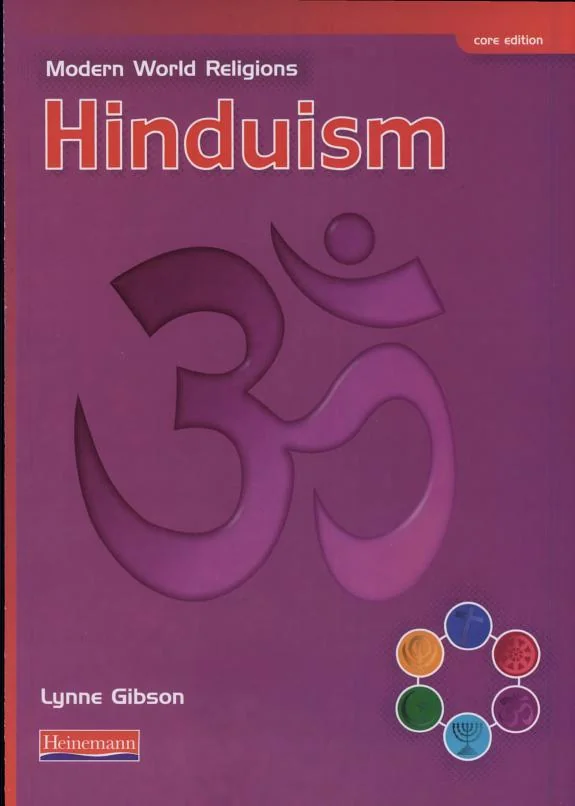
Lynne Gibson and Pat Wootten's "Hinduism" offers a clear, if somewhat utilitarian, introduction to a vast religious tradition. The book's strength lies in its directness, fulfilling its mandate to provide structured learning for a specific educational cohort. Its 2002 publication date positions it as a product of its time, designed to meet the assessment demands of the QCA for Key Stage 3. A notable limitation is the inherent dryness that can accompany such curriculum-focused material; the vibrant philosophical and devotional aspects are presented more as factual data points than as living traditions. The section on Karma, for instance, while accurate in its explanation of cause and effect, could benefit from more illustrative examples to convey its pervasive influence in Hindu thought. Ultimately, it serves its primary purpose as an educational tool but offers little for the seasoned spiritual seeker.
📝 Description
79
Published in 2002, this volume offers a structured approach to understanding Hinduism.
Developed for UK Key Stage 3 curriculum requirements, Lynne Gibson and Pat Wootten's book addresses the academic study of Hinduism alongside personal engagement with its principles. The text was created in response to the Qualifications and Curriculum Authority framework of the early 2000s, which emphasized attainment and assessment in Religious Education.
Its clear exposition makes the material accessible to students aged 11-14 and educators teaching world religions. The book breaks down complex ideas into manageable sections, aiming to provide a solid yet adaptable framework for learning about one of the world's oldest living faiths. The authors focus on presenting core concepts in a way that facilitates comprehension for beginners.
While this book was designed for a secondary school curriculum, it introduces fundamental concepts within Hinduism that are central to its philosophical and spiritual traditions. It touches upon ideas like Samsara, the cycle of rebirth, and Moksha, the ultimate liberation, which are key concerns in various schools of Hindu thought. The discussion of deities and their roles also points to the devotional paths within the religion. The text provides a basic framework for understanding these elements before a reader might engage with more specialized or advanced theological texts.
💡 Why Read This Book?
• Gain a structured understanding of Dharma, the ethical and cosmic order central to Hindu life, as presented in the book's foundational chapters. • Learn about the concept of Karma and Samsara, and how the cycle of action and rebirth shapes individual destinies according to Hindu philosophy. • Explore the roles of key deities within the Hindu pantheon, understanding their significance and the devotional practices associated with them, as detailed in the text.
⭐ Reader Reviews
Honest opinions from readers who have explored this book.
❓ Frequently Asked Questions
What is the primary educational goal of the book "Hinduism" by Gibson and Wootten?
The primary goal, as stated in its original blurb, was to answer QCA concerns over attainment and assessment in Religious Education (RE) at Key Stage 3 in the UK, balancing learning about and from religions.
When was the book "Hinduism" by Lynne Gibson and Pat Wootten first published?
The book "Hinduism" was first published in 2002.
What are some of the core concepts of Hinduism covered in the book?
The book covers fundamental concepts such as Dharma, Karma, Samsara, and the spiritual goal of Moksha, alongside the significance of major deities.
Who are the authors of the book "Hinduism"?
The authors are Lynne Gibson and Pat Wootten.
What is the target age group for the "Hinduism" book?
The book was specifically produced for Key Stage 3 students in the UK, typically aged 11-14, within the context of Religious Education.
What is the overall approach of the series this book belongs to?
The series aims to balance learning about religions with learning from religions, offering differentiated student books, teacher's resources, and CD-ROMs on six major world faiths.
🔮 Key Themes & Symbolism
Dharma and Cosmic Order
The work explores Dharma not merely as religious duty but as the underlying principle of righteousness and cosmic order that governs the universe and individual lives. It elucidates how adherence to Dharma is crucial for maintaining balance, both personally and societally. Understanding Dharma provides a framework for comprehending the ethical and social dimensions of Hindu practice, distinguishing it from purely ritualistic or devotional aspects.
Karma and Rebirth Cycle
Central to Hindu philosophy, the concepts of Karma and Samsara are presented as interconnected forces. Karma, the law of cause and effect, dictates the nature of one's rebirth within the endless cycle of Samsara. The book explains how actions in this life shape future existences, driving the soul through various forms of life until liberation is achieved. This theme highlights the emphasis on personal responsibility and the long-term consequences of one's deeds.
Deities and Devotion
This section of the book examines the diverse Hindu pantheon, introducing key deities such as Vishnu, the preserver, and Shiva, the destroyer and transformer. It touches upon the devotional practices (Bhakti) that form a significant part of Hinduism, where followers cultivate a personal relationship with the divine. The many-sided nature of these deities, often embodying multiple roles and aspects, is explored to provide a glimpse into the devotional landscape.
Moksha: The Ultimate Goal
The pursuit of Moksha, or liberation from the cycle of Samsara, is presented as the ultimate spiritual aim in Hinduism. The book outlines various paths and philosophies that lead towards this state of freedom and spiritual enlightenment. Understanding Moksha provides context for the ascetic practices, yogic disciplines, and deep philosophical inquiries found within Hindu traditions, representing the culmination of spiritual striving.
💬 Memorable Quotes
Direct passages from the work, attributed to the author.
“Dharma is about duty and righteousness.”
— This concise statement captures the essence of Dharma as a foundational principle in Hinduism, encompassing one's responsibilities and ethical conduct within the cosmic order.
“Vishnu is a preserver deity.”
— This identifies Vishnu's primary role within the Hindu trinity, underscoring his function in maintaining cosmic balance and order.
“Shiva is associated with destruction and transformation.”
— This points to Shiva's complex nature, representing not just annihilation but also the necessary precursor to renewal and change within the cyclical cosmology.
“Moksha means liberation from Samsara.”
— This defines the ultimate spiritual aspiration in Hinduism, freedom from the endless cycle of birth, death, and rebirth.
💡 Key Ideas
Editorial paraphrase of the work's core concepts — not direct quotes.
Karma determines your next life.
This paraphrased concept highlights the direct link between actions (Karma) and the process of reincarnation (Samsara), emphasizing the law of cause and effect that shapes future existences.
🌙 Esoteric Significance
Tradition
While not explicitly aligned with a specific esoteric lineage like Hermeticism or Kabbalah, this work serves as an accessible gateway to the philosophical underpinnings of Hinduism, many of which intersect with broader esoteric thought. Concepts like Karma, Samsara, and Moksha echo themes found in cyclical cosmologies and liberation narratives present in various mystical traditions. The book's structured approach, however, grounds these ideas within a mainstream religious studies framework, making them comprehensible before deeper esoteric exploration.
Symbolism
Key symbols such as the Om (Aum) symbol, representing the primordial sound and the essence of consciousness, and the Lotus flower, signifying purity, spiritual awakening, and detachment amidst the material world, are implicitly or explicitly part of the Hindu lexicon this book introduces. While the book may not look at their esoteric interpretations, their presence within the descriptions of Hindu practice points to deeper layers of meaning accessible through further study.
Modern Relevance
Contemporary Western interest in yoga, meditation, and Eastern philosophies means that the foundational concepts presented in this book remain highly relevant. Thinkers and practitioners exploring mindfulness, non-dualism, and consciousness studies often encounter Hindu ideas like Karma and the nature of the self. This text provides a clear, albeit introductory, exposition of these ideas, serving as a stepping stone for those engaging with modern adaptations of these ancient traditions.
👥 Who Should Read This Book
• Beginning students of world religions aged 11-14, seeking a clear and structured overview of Hinduism for educational purposes. • Educators teaching Religious Education at the Key Stage 3 level, looking for a resource that aligns with curriculum requirements and offers pedagogical support. • Individuals new to Hinduism who desire a factual and accessible introduction to its core concepts, deities, and practices before engaging with more complex theological or philosophical texts.
📜 Historical Context
Published in 2002, Lynne Gibson and Pat Wootten's "Hinduism" emerged within a specific educational landscape in the United Kingdom. The Qualifications and Curriculum Authority (QCA) was actively shaping Religious Education (RE) standards for Key Stage 3, emphasizing measurable attainment and assessment. This book, part of a larger series, was a direct response to these curriculum demands, seeking to provide a structured and accessible introduction to major world faiths. It arrived at a time when comparative religion studies were becoming more standardized in schools, moving beyond purely theological discussions to pedagogical frameworks. While it didn't engage with contemporary academic debates in religious studies directly, its design aimed to facilitate teaching in line with national curriculum guidelines, contrasting with more philosophical or devotional texts that might not align with specific assessment objectives.
📔 Journal Prompts
Reflect on the concept of Dharma as presented in the text.
Consider the implications of Karma for personal responsibility.
Explore the relationship between Vishnu and Shiva as described.
How does the idea of Samsara influence one's perspective on life?
What does the pursuit of Moksha signify within Hinduism?
🗂️ Glossary
Dharma
The principle of cosmic order, righteousness, duty, and law that governs the universe and individual lives in Hinduism.
Karma
The law of cause and effect; actions performed in this life determine future consequences and rebirths.
Samsara
The continuous cycle of birth, death, and rebirth, driven by karma.
Moksha
Liberation or release from the cycle of Samsara, achieving spiritual enlightenment and union with the divine.
Vishnu
A principal deity in Hinduism, often depicted as the preserver and protector of the universe.
Shiva
A principal deity in Hinduism, often associated with destruction, transformation, and asceticism.
Bhakti
Devotional worship or love towards a deity, a significant path in Hinduism.