The Jungian Tarot and Its Archetypal Imagery
 74
74

The Jungian Tarot and Its Archetypal Imagery
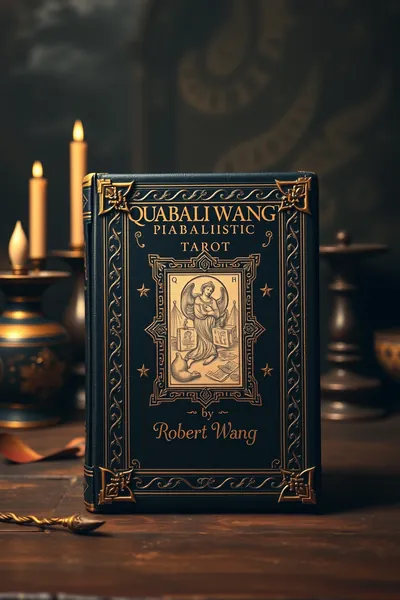
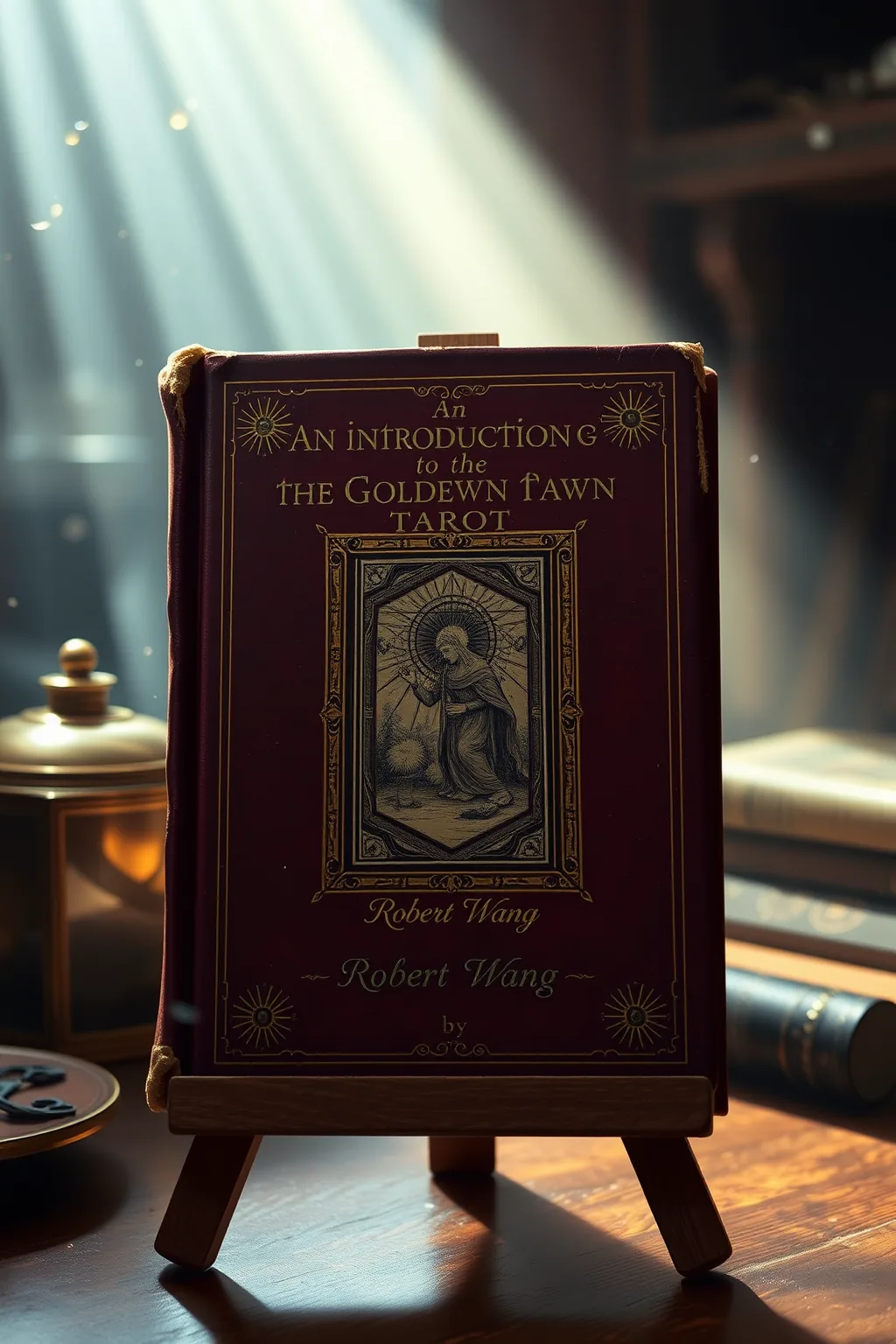
Robert Wang's exploration of the Tarot through a Jungian framework is a rigorous, if occasionally dense, contribution to the literature. The strength of *The Jungian Tarot and Its Archetypal Imagery* lies in its systematic application of Jungian concepts. Wang avoids speculative leaps, grounding his interpretations in specific psychological theories and drawing clear parallels between archetypal imagery and the Tarot's structure. For instance, his discussion of the Fool's journey as a metaphor for the ego's initial steps toward the Self is particularly well-articulated. A notable limitation, however, is the book's academic tone, which may prove challenging for those seeking a more practical or divinatory approach to the cards. The dense prose, while accurate, can sometimes obscure the intuitive nature of the Tarot. Overall, it is a valuable resource for scholars and dedicated practitioners seeking a psychological understanding of the cards.
📝 Description
74
### What It Is Robert Wang's *The Jungian Tarot and Its Archetypal Imagery* offers a detailed examination of the Tarot through the lens of Carl Jung's analytical psychology. Published in 2017, this work connects the traditional symbolism of the Tarot to the universal archetypes identified by Jung, such as the Shadow, the Anima/Animus, and the Self. It is less a guide to divination and more a scholarly exploration of the psychological and mythological underpinnings of the cards.
### Who It's For This book is intended for serious students of Jungian psychology, comparative mythology, and esoteric traditions. It will appeal to those who approach the Tarot not merely as a divinatory tool but as a rich symbolic system reflecting the human psyche. Readers with a background in Jung's concepts, such as individuation and the collective unconscious, will find the most value.
### Historical Context The book emerged in an era where Jungian psychology had already significantly influenced Tarot scholarship. Following foundational works by figures like Marie-Louise von Franz, who explored fairy tales and alchemy through a Jungian perspective, Wang's work situates itself within this established interpretive framework. The early 21st century saw a continued academic and popular interest in the psychological dimensions of symbolic systems.
### Key Concepts Wang focuses on the archetypal figures and narratives embedded within the Tarot imagery. He interprets the Major Arcana as stages in the individuation process, mirroring the soul's journey toward wholeness. The Minor Arcana are examined for their connection to elemental forces and everyday psychological experiences. The book emphasizes the Tarot's role as a mirror to the unconscious mind, providing a visual language for internal psychological dynamics.
💡 Why Read This Book?
• Gain a deep understanding of the Tarot's structure as a map of the individuation process, as detailed by Jungian psychology, offering a unique psychological framework beyond simple divination. • Explore the archetypal imagery of the Major and Minor Arcana, understanding figures like the Fool and the Emperor not just as cards but as embodiments of universal psychological patterns identified by Carl Jung. • Appreciate the Tarot as a symbolic language reflecting the unconscious mind, providing insights into the collective unconscious and the personal journey toward wholeness, a core concept in analytical psychology.
⭐ Reader Reviews
Honest opinions from readers who have explored this book.
❓ Frequently Asked Questions
What is the primary focus of Robert Wang's *The Jungian Tarot and Its Archetypal Imagery*?
The book's primary focus is on interpreting the Tarot through the lens of Carl Jung's analytical psychology, examining the archetypal imagery of the cards as reflections of the human psyche and the individuation process.
Is this book suitable for beginners interested in learning to read the Tarot?
It is less suited for absolute beginners seeking practical divination techniques. The book is more appropriate for those with a foundational understanding of Jungian psychology and an interest in the symbolic and psychological dimensions of the Tarot.
When was *The Jungian Tarot and Its Archetypal Imagery* first published?
The book was first published in 2017, placing it within contemporary scholarship on Jungian psychology and esoteric studies.
What are some key Jungian concepts discussed in relation to the Tarot?
Key concepts include archetypes (e.g., Shadow, Anima/Animus), the collective unconscious, the Self, and the process of individuation, all of which are explored in relation to the symbolism of the Tarot cards.
Does the book offer methods for Tarot divination?
While it analyzes the symbolic meanings of the cards, the book's emphasis is on psychological interpretation rather than providing direct methods for divination. It offers a framework for understanding the cards' deeper psychological resonance.
Who would benefit most from reading this book?
Students of Jungian psychology, comparative mythology, esoteric traditions, and those interested in the psychological underpinnings of symbolic systems would find this book particularly beneficial.
🔮 Key Themes & Symbolism
Archetypes and the Collective Unconscious
Wang posits that the Tarot's imagery is a direct manifestation of the collective unconscious, populated by universal archetypes. He meticulously links figures like the High Priestess or the Hermit to Jungian concepts such as the Wise Old Man or the Shadow, illustrating how these psychic structures are encoded in the cards. The book argues that engaging with these archetypes through the Tarot can facilitate a deeper understanding of one's own psyche and the shared human experience.
Individuation as a Tarot Journey
A central theme is the interpretation of the Major Arcana as a symbolic roadmap for the process of individuation—the lifelong journey toward psychological wholeness. Wang suggests that the progression through the Fool's journey, from innocence to integration, mirrors the stages of personal development and self-realization that Jung described. This perspective reframes the Tarot not as a predictive tool but as a psychological atlas for inner transformation.
Symbolic Language of the Psyche
The work emphasizes the Tarot's function as a symbolic language that the unconscious mind uses to communicate. By decoding the visual metaphors and allegorical narratives within the cards, readers can gain access to repressed emotions, hidden potentials, and unconscious conflicts. Wang's analysis highlights how this visual lexicon provides a unique medium for exploring the complex dynamics of the human mind, aligning with Jung's focus on symbolic expression.
The Hermetic and Alchemical Connections
While primarily Jungian, Wang also touches upon the Hermetic and alchemical influences inherent in Tarot symbolism. He connects the four suits to elemental correspondences and the alchemical processes of dissolution and transformation. This interdisciplinary approach enriches the understanding of the Tarot as a synthesis of various esoteric and psychological traditions, reflecting a holistic view of human consciousness and its development.
💬 Memorable Quotes
“The Tarot is a mirror of the unconscious.”
— This central tenet suggests that the images and narratives of the Tarot cards do not represent external realities but rather internal psychological states, archetypal patterns, and unconscious dynamics at play within the individual.
“The Fool's journey parallels the path of individuation.”
— This interpretation frames the progression through the Major Arcana as a symbolic representation of the ego's development, its encounters with various archetypal forces, and its eventual integration into a more complete sense of Self.
“Archetypes are the inherent patterns of the psyche.”
— This statement underscores Jung's foundational concept, asserting that archetypes are not learned but are innate structures that shape human perception, behavior, and understanding, and are vividly depicted in the Tarot.
“The Tarot's structure reflects elemental and psychological correspondences.”
— This highlights how the suits and numbers of the Tarot are seen to align with fundamental forces and psychological functions, providing a systematic framework for analyzing the interplay of these energies within the human experience.
“Understanding the imagery unlocks unconscious content.”
— This suggests that a direct engagement with the visual symbolism of the Tarot can act as a key, revealing hidden aspects of the psyche, repressed material, or unrealized potentials that lie dormant within the unconscious.
🌙 Esoteric Significance
Tradition
This work is firmly rooted in the tradition of Analytical Psychology, a branch of depth psychology founded by Carl Jung. While Jung himself was fascinated by esoteric traditions like alchemy and Gnosticism, his primary focus was on the psychological mechanisms underlying these systems. Wang's book fits within this by interpreting the Tarot not as a magical tool for external manipulation, but as a symbolic language of the inner world, a key component of Western esotericism that emphasizes inner transformation.
Symbolism
Key symbols explored include the Fool, representing the initial leap into the unknown and the potential for the ego's development, and the World, symbolizing completion and the integrated Self. The archetypes of the Anima/Animus are also discussed in relation to specific cards, illustrating the projection and integration of contrasexual aspects of the psyche. These symbols are interpreted as universal patterns that manifest in dreams, myths, and the Tarot, offering pathways to psychological wholeness.
Modern Relevance
Contemporary practitioners of Jungian analysis, transpersonal psychology, and those exploring symbolic systems for personal growth continue to draw on Wang's meticulous interpretations. His work provides a valuable resource for modern therapists and individuals engaging in self-exploration who seek to understand the deep psychological currents that flow through the Tarot's imagery, connecting ancient wisdom with contemporary psychological understanding.
👥 Who Should Read This Book
• Students of Carl Jung's Analytical Psychology seeking to apply his theories to a rich symbolic system like the Tarot, gaining a deeper understanding of archetypes and the collective unconscious. • Esoteric practitioners interested in the psychological underpinnings of Tarot, moving beyond divination to explore the cards as a map for inner development and self-discovery. • Comparative mythology scholars and researchers of Western esoteric traditions looking for a rigorous analysis that bridges ancient symbolism with modern psychological concepts.
📜 Historical Context
Robert Wang's *The Jungian Tarot and Its Archetypal Imagery*, published in 2017, arrived at a time when Jungian psychology had a well-established presence in Tarot studies. Early influences like Gertrude Moakley’s *The Tarot Cards: Paintings, Magic, Alchemy, and the Occult* (1980) and the extensive work of Marie-Louise von Franz, who frequently applied Jungian analysis to symbolic systems, paved the way. Wang’s work situates itself within this lineage, offering a detailed synthesis rather than a radical departure. Unlike more empirically-focused psychological approaches or purely divinatory systems that gained traction in the late 20th century, Wang’s book champions a deep dive into the archetypal dimensions. It engages with the rich symbolic language that had been explored by scholars like Jung himself in his writings on synchronicity and alchemy, demonstrating the enduring power of his analytical framework for understanding ancient symbolic systems.
📔 Journal Prompts
The Fool's initial leap: Reflect on a moment you embraced the unknown.
Archetypal imagery: How do figures like the Hermit or the Empress manifest in your life?
The Self as integration: Consider the balance of different aspects of your personality.
Symbolic communication: What unconscious messages might the symbols in your dreams convey?
Individuation's stages: Identify a recent personal growth challenge and its archetype.
🗂️ Glossary
Archetype
In Jungian psychology, an inherited, universal pattern or image that is part of the collective unconscious, influencing human behavior and perception. Examples include the Mother, the Hero, and the Shadow.
Collective Unconscious
A concept introduced by Carl Jung, referring to a deeper layer of the unconscious psyche that is inherited and shared by all humanity, containing archetypes and primordial images.
Individuation
The psychological process of integrating the conscious and unconscious aspects of the self to achieve wholeness and develop one's unique potential, often described as the lifelong journey toward becoming a complete individual.
The Self
In Jungian psychology, the archetype of wholeness and the totality of the psyche, encompassing both the conscious and unconscious. It is the goal of the individuation process.
Shadow
The unconscious aspect of the personality that the conscious ego does not identify in itself. It contains repressed desires, weaknesses, and instincts, and integrating it is crucial for individuation.
Anima/Animus
The unconscious feminine aspect in the male psyche (Anima) and the unconscious masculine aspect in the female psyche (Animus). They represent contrasexual archetypes that influence relationships and personal development.
Ego
The center of consciousness in the psyche; the part of the personality that identifies with the self and is responsible for conscious thought, feeling, and action.