Soma
 72
72

Soma
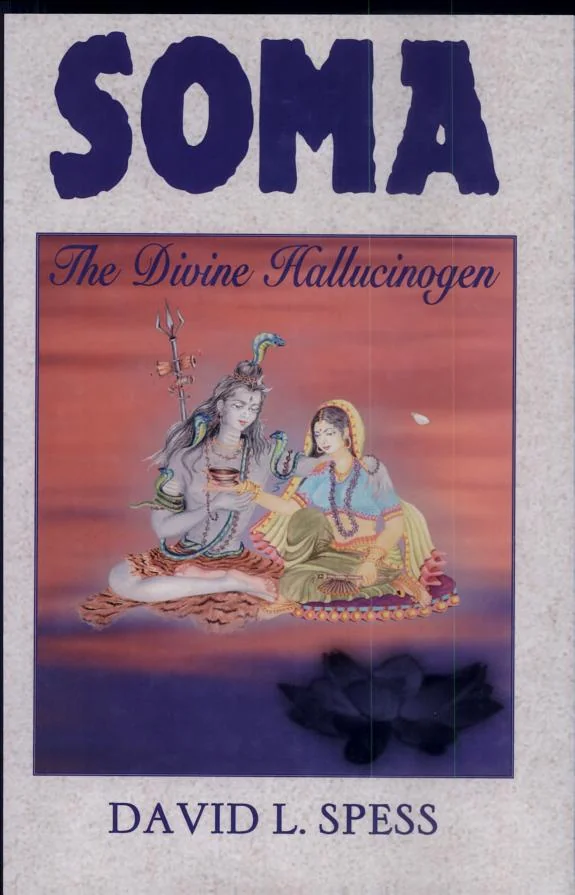
David Spess's "Soma" presents a compelling argument for the centrality of this complex concept to early human civilization. The work's strength lies in its interdisciplinary approach, drawing connections between botany, mythology, religious studies, and early forms of medicine and psychology. Spess avoids sensationalism, instead offering a measured analysis of how a psychoactive plant, deified and mythologized, could have served as a foundational element in the development of sophisticated cultural and spiritual systems. A particularly illuminating section discusses Soma's potential role in alchemical pursuits, linking ancient practices to later esoteric traditions. However, the book occasionally suffers from a density of information that may challenge readers unfamiliar with the specific academic fields it traverses. The sheer breadth of topics, while ambitious, can sometimes feel overwhelming. Despite this, "Soma" offers a valuable synthesis for anyone interested in the deep roots of consciousness and ritual. It is a serious academic inquiry into a subject often relegated to speculation.
📝 Description
72
### What It Is Soma, the subject of David Spess's 2000 work, is not a single entity but a multifaceted concept. It appears as a sacred plant, a divine being, and a fundamental cosmological principle within ancient traditions. The book examines how this complex idea informed early systems of medicine, psychology, magic, and alchemical pursuits, suggesting its central role in understanding prehistoric human consciousness and spiritual practices.
### Who It's For This text is crucial for researchers of shamanism, comparative religion, and the history of psychoactive substances. It will appeal to those interested in the origins of medicine and healing, ancient alchemical traditions, and the intersection of mythology and altered states of consciousness. Readers seeking to understand the foundational elements of early religious and philosophical systems, particularly those involving ritual and entheogenic practices, will find significant value here.
### Historical Context Spess's exploration of Soma is situated within a burgeoning academic and popular interest in the ritualistic use of psychoactive plants, a trend that gained momentum in the late 20th century. This renewed focus on shamanism and alternative healing modalities made a re-examination of ancient entheogenic traditions particularly relevant. The work engages with the historical debate surrounding the identity and significance of the plant described in ancient Indian texts like the Rigveda, a discussion that has involved scholars such as R. Gordon Wasson and Wendy Doniger.
### Key Concepts The book unpacks the concept of Soma as a divine entity, a powerful psychoactive substance, and a cosmic force. It investigates its connection to rejuvenation, longevity, and the pursuit of immortality, often linked to alchemical goals. Spess also explores Soma's role in ecstatic states and its perceived ability to facilitate divine communication or enlightenment, positioning it as a linchpin in early medicinal and spiritual practices.
💡 Why Read This Book?
• Understand Soma not just as a plant, but as a multi-layered symbol of divine consciousness and alchemical aspiration, as explored in Spess's analysis of its cosmological significance. • Gain insight into the historical roots of medicine and psychology by examining how early cultures integrated psychoactive substances into healing and spiritual practices, referencing the Rigveda's descriptions. • Connect ancient entheogenic traditions with later esoteric disciplines, particularly alchemy and the pursuit of longevity, as detailed in Spess's discussion of rejuvenation.
⭐ Reader Reviews
Honest opinions from readers who have explored this book.
❓ Frequently Asked Questions
What is Soma according to David Spess's book?
David Spess's "Soma" describes it as a multifaceted concept encompassing a sacred hallucinogenic plant, a personified deity, and a fundamental cosmological principle, central to early medicine, psychology, and magic.
When was David Spess's book 'Soma' first published?
David Spess's "Soma" was first published in August 2000, reflecting a renewed interest in ritualistic use of psychoactive substances and shamanism.
What ancient texts are relevant to the study of Soma?
The book references ancient Indian texts, most notably the Rigveda, which describes Soma and its ritualistic significance, forming a core part of the historical discussion.
How does Soma relate to medicine and psychology?
Spess's work suggests Soma was key to the earliest systematized methods of medicine and psychology, possibly influencing early understandings of healing, consciousness, and mental states.
Is 'Soma' about modern psychedelic use?
While it touches on the renewed interest in psychoactive substances, Spess's "Soma" primarily focuses on historical and ancient contexts, exploring the plant's role in early religious and medicinal systems.
What is the connection between Soma and alchemy?
The book explores Soma's links to alchemy, particularly in relation to concepts of rejuvenation, longevity, and the pursuit of transformative substances or states, which were central alchemical aims.
🔮 Key Themes & Symbolism
The Sacred Plant
Spess examines "Soma" as a literal entheogenic plant, central to ancient Indo-Aryan rituals. The book delves into scholarly debates about its botanical identity, referencing historical texts like the Rigveda. It posits that the plant's psychoactive properties were foundational to its deification and its perceived ability to grant divine insight, promote longevity, and facilitate communication with the spiritual realm, thereby influencing early religious practices and medicinal systems.
Divine Personification
Beyond its botanical aspect, the work explores Soma as a personified God, a deity worshipped for its life-giving and transformative powers. This divine aspect is analyzed through its mythological roles and its association with immortality and rejuvenation. The book suggests that deifying the plant was a means for early cultures to understand and venerate the profound psychological and physiological effects it produced, integrating it into a complex theological framework.
Cosmological Principle
The book investigates Soma as a fundamental principle governing the cosmos, representing an axis of spiritual and physical renewal. This interpretation connects the plant and deity to broader concepts of creation, cosmic order, and the cyclical nature of existence. Spess argues that Soma served as a unifying concept, bridging the earthly and divine, the material and the spiritual, and informing early philosophical and alchemical understandings of transformation and essence.
Foundations of Esoteric Practice
Spess positions Soma as a critical key to understanding the earliest systematized methods of medicine, psychology, magic, rejuvenation, longevity, and alchemy. The work highlights how rituals involving Soma laid the groundwork for later esoteric traditions by exploring altered states of consciousness, therapeutic applications of psychoactive agents, and the pursuit of higher knowledge and physical perfection.
💬 Memorable Quotes
“Soma is simultaneously a sacred hallucinogenic plant, a personified God, and a cosmological principle.”
— This foundational statement encapsulates the book's central thesis: Soma is not reducible to a single definition but exists as a multifaceted concept that informed ancient worldviews across spiritual, botanical, and philosophical domains.
“With the renewed interest in the ritual use of psychoactive substances, shamanism, and alternative modalities of healing, Soma provides an important key...”
— This highlights the book's contemporary relevance, framing the study of Soma within modern explorations of consciousness, indigenous healing practices, and the potential therapeutic applications of entheogens.
“Soma provides an important key to understanding the earliest systemized methods of medicine, psychology, magic, rejuvenation, longevity, and alchemy.”
— This emphasizes Soma's foundational role in the development of human knowledge and practice, suggesting that understanding this ancient concept unlocks insights into the origins of diverse fields, from healing arts to esoteric disciplines.
“Shrouded in mystery for centuries, Soma...”
— This phrase underscores the enigmatic nature of Soma, suggesting that much of its original significance has been lost to time, making scholarly investigation crucial for its rediscovery and comprehension.
“Soma is... a cosmological principle.”
— This interpretation points to Soma's role not just as a substance or deity, but as a fundamental organizing force within ancient understandings of the universe, influencing their perception of reality and existence.
🌙 Esoteric Significance
Tradition
The study of Soma aligns with traditions focused on visionary states and the divine potential of psychoactive substances, such as shamanism and certain branches of Gnosticism and Hermeticism that explore altered consciousness for spiritual attainment. It departs from purely theological or philosophical approaches by grounding its analysis in the tangible effects of a plant and its ritualistic use, suggesting a material basis for spiritual experience that resonates with alchemical principles.
Symbolism
Key symbols include the Soma plant itself, representing divine intoxication, transformation, and access to higher knowledge; the divine aspect of Soma, symbolizing ultimate wisdom, rejuvenation, and immortality; and the cosmological principle, representing the interconnectedness of all things and the underlying life force that animates the universe, crucial for understanding esoteric notions of cosmic unity.
Modern Relevance
Contemporary thinkers and practitioners in fields like psychedelic-assisted therapy, consciousness studies, and comparative mysticism draw on the historical understanding of Soma. Researchers exploring the roots of shamanic healing, the evolution of religious ritual, and the potential therapeutic applications of entheogens find value in Spess's work. It informs discussions on how ancient cultures integrated altered states into their societal structures and belief systems.
👥 Who Should Read This Book
• Researchers of comparative religion and ancient history: To understand the role of psychoactive substances in the formation of early religious beliefs and practices, particularly within Indo-Aryan traditions. • Students of ethnobotany and shamanism: To explore the historical evidence for ritualistic use of plants and their impact on human consciousness and culture. • Practitioners and scholars of Western esotericism: To connect ancient traditions of rejuvenation, longevity, and transformative substances with the development of alchemy and other esoteric disciplines.
📜 Historical Context
Published in 2000, David Spess's "Soma" entered a landscape of renewed academic and popular interest in entheogenic plants and shamanistic practices, a trend significantly influenced by scholars like R. Gordon Wasson who, in the 1960s and 70s, championed the identification of Soma with various psychoactive fungi. Spess's work engages with this ongoing scholarly debate, particularly concerning interpretations of the Rigveda. At the time, this interest stood in contrast to more mainstream, often secularized, views of religion and medicine. The book’s exploration of Soma’s connection to longevity and alchemy also placed it within the broader context of Western esotericism, a field that was increasingly gaining academic recognition, though still often viewed with skepticism by traditional academia. There was no significant reception event like a major review or ban, but the work contributed to the ongoing discourse among ethnobotanists, religious historians, and scholars of consciousness.
📔 Journal Prompts
The multifaceted nature of Soma (plant, god, principle) and its implications for understanding ancient consciousness.
Reflect on the perceived connection between Soma and longevity, considering its role in early alchemical pursuits.
Analyze the Rigveda's descriptions of Soma and their potential influence on early medicinal and psychological systems.
Consider the concept of Soma as a cosmological principle and how it might have shaped a holistic worldview.
Explore the symbolic significance of Soma in relation to divine communication and altered states of consciousness.
🗂️ Glossary
Soma
A complex concept from ancient Indian traditions, referring to a sacred hallucinogenic plant, a deified entity, and a cosmological principle associated with divine intoxication, immortality, and cosmic order.
Rigveda
One of the oldest sacred texts of Hinduism, a collection of Vedic Sanskrit hymns dedicated to various deities, which contains significant references to Soma and its ritualistic use.
Entheogen
A psychoactive substance used in a religious or shamanic context, believed to facilitate spiritual experiences or communion with the divine.
Shamanism
A spiritual practice characterized by the belief that a shaman can communicate with the spirit world, often through altered states of consciousness induced by rituals or substances.
Alchemy
An ancient philosophical and proto-scientific tradition aimed at purifying, maturing, and perfecting certain materials, often associated with the transmutation of metals and the search for elixirs of life.
Cosmological Principle
A fundamental concept or law that governs the structure, origin, and development of the universe within a particular philosophical or religious system.
Rejuvenation
The process of making someone or something look or feel younger, stronger, or more vital; in ancient and esoteric contexts, often linked to spiritual or alchemical practices for extending life.