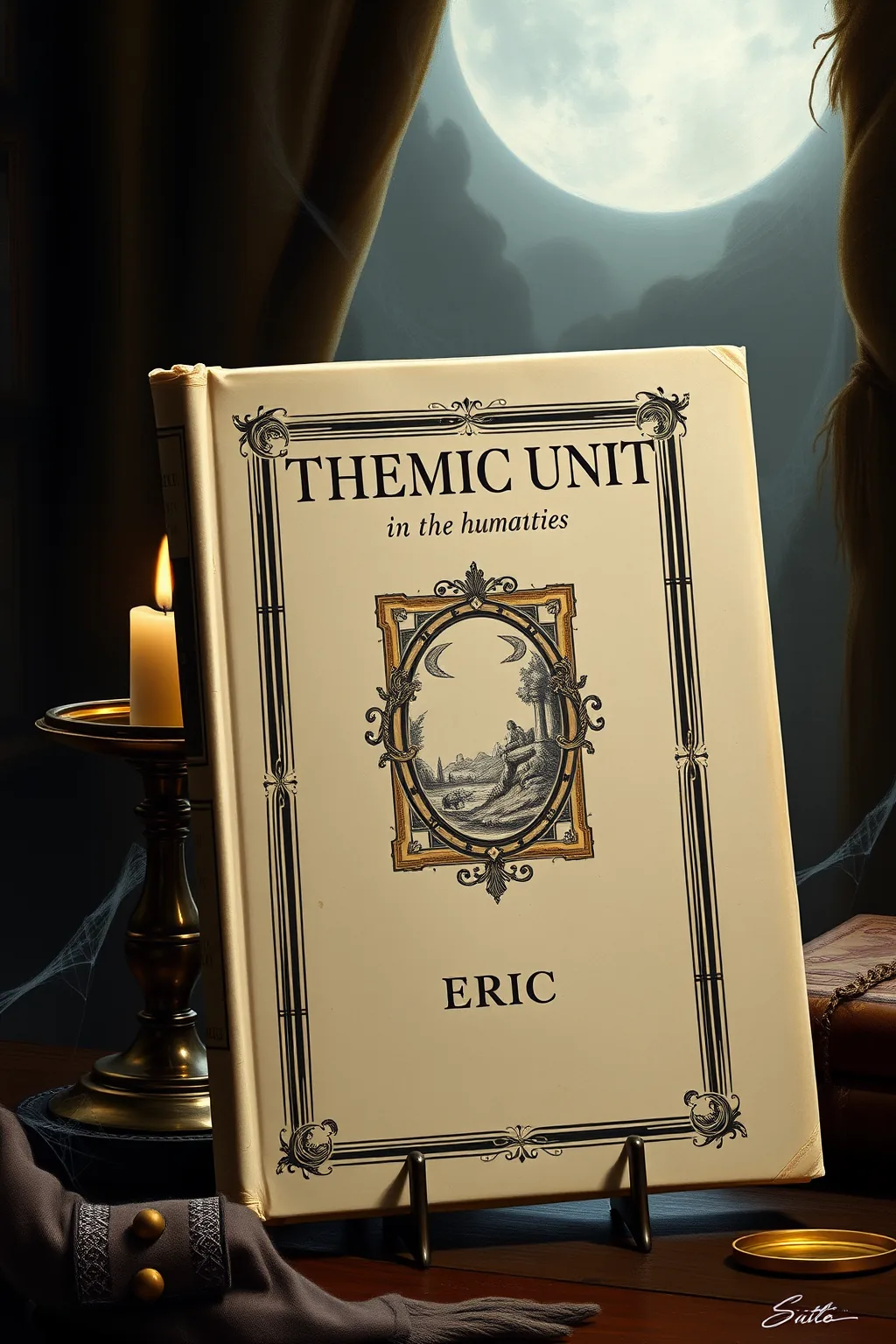
ERIC ED119181: Thematic Units in Teaching English and the Humanities.
 77
77

ERIC ED119181: Thematic Units in Teaching English and the Humanities.


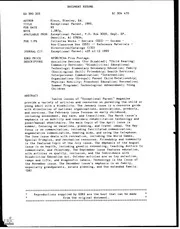
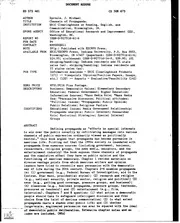
ERIC ED119181: Thematic Units in Teaching English and the Humanities is a fascinating exploration of how occult philosophy can be integrated into the teaching of English and the humanities. Published in 1975, this book remains relevant today for its innovative approach to education. The author's focus on thematic units allows for a deep dive into subjects that are often overlooked in traditional curricula, such as the representation of life, death, and utopia. The book's emphasis on self-knowledge and self-understanding through the use of the 'speaking voice' is particularly noteworthy, as it encourages students to engage with their inner selves in a meaningful way. The inclusion of units on filmmaking and media further enriches the learning experience, providing students with a multifaceted understanding of cultural and literary works. For modern esoteric seekers, this book offers a valuable resource for integrating occult themes into education. It challenges readers to think beyond conventional boundaries and explore the deeper dimensions of human experience. Overall, ERIC ED119181 is a must-read for anyone interested in the intersection of education and occult philosophy.
📝 Description
77
ERIC ED119181: Thematic Units in Teaching English and the Humanities, published in 1975, offers a unique and esoteric approach to teaching English and the humanities. This book is dedicated to the use of a humanistic, thematic approach to education, focusing on topics that delve deep into the human experience and the occult. The chapters cover a wide range of subjects, including teaching poetry, American folklore and tradition, and the representation of life, death, and utopia. The book also emphasizes the importance of helping students achieve greater self-knowledge and self-understanding through the use of the 'speaking voice' in oral and written communication. Additionally, it includes units on filmmaking, media, the concept of the hero, and the struggle between individual conscience and established norms. This thematic approach encourages students to explore their inner selves and the deeper meanings behind literary and cultural works. The book is particularly valuable for educators and students interested in the intersection of education and occult philosophy. It provides a rich resource for those seeking to integrate esoteric themes into their teaching and learning practices. Whether you are a teacher looking to enrich your curriculum or a student eager to explore the hidden dimensions of literature and culture, this book offers a compelling and thought-provoking journey into the world of thematic education.
✍️ Author
ERIC
The given name Eric, Erich, Erikk, Erik, Erick, Eirik, or Eiríkur is derived from the Old Norse name Eiríkr [ˈɛiˌriːkz̠] (or Eríkr [ˈeˌriːkz̠] in Old East Norse due to monophthongization). The first element, ei- may be derived from the older Proto-Norse *ai…
💡 Why Read This Book?
Reading ERIC ED119181: Thematic Units in Teaching English and the Humanities today offers a unique opportunity to explore the esoteric dimensions of education. This book provides a rich resource for educators and students seeking to integrate occult philosophy into their teaching and learning practices. By delving into thematic units that cover a wide range of subjects, readers can gain a deeper understanding of the human experience and the hidden meanings behind literary and cultural works. Whether you are a teacher looking to enrich your curriculum or a student eager to explore the deeper dimensions of literature and culture, this book offers a compelling and thought-provoking journey into the world of thematic education.
⭐ Reader Reviews
Honest opinions from readers who have explored this book.
❓ Frequently Asked Questions
What makes this book unique in the field of education?
This book is unique because it integrates occult philosophy into the teaching of English and the humanities, focusing on thematic units that explore deep human experiences and esoteric themes.
Who would benefit most from reading this book?
Educators and students interested in the intersection of education and occult philosophy would benefit the most from this book.
What are some of the key topics covered in the book?
Key topics include teaching poetry, American folklore, the representation of life and death, filmmaking, media, and the concept of the hero.
🔮 Key Themes & Symbolism
The Mystical Dimensions of Self-Expression
This book delves into the hidden symbolism and profound philosophical significance of self-expression through oral and written communication. By exploring the 'speaking voice,' readers uncover the deeper layers of human consciousness and the mystical dimensions of communication.
Folklore and Esoteric Traditions
The chapters on American folklore and tradition offer a rich tapestry of hidden knowledge and symbolic wisdom. By examining the esoteric aspects of folklore, readers gain a deeper understanding of the occult philosophy embedded in cultural narratives.
Media Representation and Arcane Methods
The book's exploration of filmmaking and media representation reveals the deeper symbolism behind our cultural narratives. By uncovering the mystical dimensions of media, readers gain insights into the arcane methods of portraying life, death, and the elusive concept of utopia.
💬 Memorable Quotes
“The 'speaking voice' is a gateway to self-discovery and hidden knowledge.”
— This quote underscores the mystical significance of self-expression in the journey towards self-knowledge.
“Folklore is a treasure trove of esoteric wisdom and symbolic narratives.”
— This line highlights the profound occult philosophy embedded in traditional stories and cultural traditions.
“Media representation is an arcane art that reveals the deeper symbolism of life and death.”
— This passage emphasizes the mystical dimensions of media and its role in portraying the human experience.
“The concept of utopia is an elusive dream that holds the key to understanding the occult philosophy of humanistic education.”
— This quote explores the mystical significance of utopia in the quest for self-knowledge and self-understanding.
“The individual conscience is a battleground between the arcane and the established.”
— This line underscores the profound philosophical significance of the inner struggle between hidden knowledge and conventional wisdom.
🌙 Esoteric Significance
Tradition
This book belongs to the Hermetic tradition, which emphasizes the exploration of hidden knowledge and the mystical dimensions of human experience. By delving into themes such as self-expression, folklore, and media representation, the book offers a rich tapestry of esoteric insights and symbolic wisdom.
Symbolism
Key symbols in the book include the 'speaking voice,' which represents the gateway to self-discovery and hidden knowledge, and the concept of utopia, which embodies the elusive dream of spiritual enlightenment. The chapters on folklore and media representation also reveal the deeper symbolism behind cultural narratives and the arcane methods of portraying the human experience.
Modern Relevance
Today, this book remains relevant to modern practitioners of the occult and seekers of hidden knowledge. Its exploration of the mystical dimensions of education offers valuable insights into the role of esoteric wisdom in contemporary society. Practitioners can use the book's themes to deepen their understanding of self-expression, folklore, and media representation, and to uncover the deeper symbolism behind cultural narratives.
👥 Who Should Read This Book
Beginners in the occult will find this book an accessible introduction to the mystical dimensions of education. Scholars of the occult will appreciate the depth of esoteric insights and symbolic wisdom. Spiritual seekers will be drawn to the exploration of self-knowledge and self-understanding through themes such as self-expression and folklore. Practitioners of the occult will benefit from the book's arcane methods of communication and media representation.
📜 Historical Context
Published in an era of intellectual and spiritual awakening, 'Thematic Units in Teaching English and the Humanities' was a pioneering work that sought to infuse the humanities with esoteric and mystical insights. Written during a time when traditional education was undergoing significant transformation, this book offered a fresh perspective on the role of hidden knowledge and symbolic wisdom in the classroom. Its influence can be seen in the growing interest in occult philosophy and the integration of mystical themes in educational practices.
📔 Journal Prompts
Reflect on how the concept of the 'speaking voice' can be used to uncover hidden knowledge within yourself?
Explore the esoteric symbolism in a traditional folktale from your culture?
Consider the mystical dimensions of a film or media representation that has deeply impacted you?
What is the significance of the individual conscience in your spiritual journey?
How can the exploration of utopia in literature and media inspire your quest for self-knowledge?
🗂️ Glossary
Hermetic Tradition
A philosophical and spiritual tradition that emphasizes the exploration of hidden knowledge and the mystical dimensions of human experience.
Esoteric Wisdom
Knowledge that is hidden or secret, often revealed through mystical and symbolic insights.
Symbolic Narratives
Stories and cultural traditions that contain deeper meanings and hidden knowledge.
Arcane Methods
Mysterious or secret techniques used to uncover hidden truths and symbolic wisdom.
Occult Philosophy
The study of hidden or secret knowledge, often involving mystical and esoteric insights.