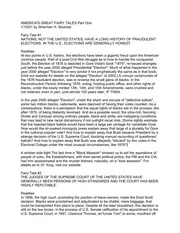
Edgar Cayce on prophecy
 73
73

Edgar Cayce on prophecy
Mary Ellen Carter's compilation, Edgar Cayce on Prophecy, offers a structured examination of the psychic's future-oriented pronouncements. The strength of the work lies in its systematic cataloging of Cayce's predictions, providing a reference point for those studying his vast output. Carter presents the material without overt sensationalism, allowing the content of the readings to speak for themselves. A notable limitation is the inherent difficulty in verifying the accuracy of many predictions; the book often relies on interpretations and accounts rather than direct, irrefutable evidence of fulfilled prophecy. The discussion around the 1936 prophecy concerning a significant global conflict, for instance, highlights the ambiguity often present in such statements. Ultimately, the book serves as a valuable archive of Cayce's prophetic visions for dedicated followers and researchers, though critical engagement with its claims remains essential.
📝 Description
73
Published in 1968, Edgar Cayce on Prophecy analyzes psychic Edgar Cayce's predictions about future events.
Edgar Cayce on Prophecy, first published in 1968, compiles and analyzes the predictive statements attributed to the American psychic Edgar Cayce. The book examines Cayce's pronouncements on future events, including geopolitical shifts, societal transformations, and potential natural disasters. These prophecies are presented not as mere speculation but as derived from Cayce's trance states, where he purportedly accessed a universal consciousness.
The work engages individuals interested in the intersection of consciousness and futurity. It appeals to students of parapsychology, historical prophecy, and the life and readings of Edgar Cayce. Those seeking to understand how psychic phenomena might correlate with tangible future occurrences, or who are curious about Cayce's specific predictions, will find material here.
Published in the wake of the 1960s, a period marked by social upheaval and interest in esoteric subjects, the book arrived when psychic phenomena and alternative belief systems were gaining traction. The original publication by W.H. McGary coincided with growing curiosity about figures like Cayce, whose extensive recorded readings offered a unique corpus for study. This era saw many exploring spiritualism and prophecy outside mainstream religious frameworks.
This book sits within the spiritualist tradition, specifically focusing on the phenomena of channeling and precognition attributed to Edgar Cayce. Cayce's "Sleeping Prophet" persona, where he delivered readings in a trance state, positioned him as a conduit for information beyond ordinary perception. The book therefore examines how such altered states of consciousness were believed to grant access to knowledge about future events, a concept central to many esoteric belief systems that posit a non-linear experience of time or a collective unconscious accessible through psychic means.
💡 Why Read This Book?
• Gain insight into specific prophecies concerning global events and societal shifts as articulated by Edgar Cayce, understanding the context of his 1968 publication. • Explore the concept of 'time as a dimension' as presented in Cayce's readings, learning how future events were purportedly perceived and described. • Examine the detailed analysis of Cayce's predictions related to geological and political landscapes, offering concrete examples of his foresight.
⭐ Reader Reviews
Honest opinions from readers who have explored this book.
❓ Frequently Asked Questions
What is the earliest date Edgar Cayce predicted events for?
Edgar Cayce's prophecies covered a wide range of future events, with some readings referencing potential occurrences in the late 20th century and beyond, extending into the 21st century and even hinting at longer-term societal evolutions.
Does Edgar Cayce on Prophecy discuss specific geopolitical predictions?
Yes, the book details Cayce's readings that touched upon shifts in global power structures, potential conflicts, and the rise and fall of nations, offering a look at his perceived future world order.
Are there predictions about natural disasters in Edgar Cayce on Prophecy?
Indeed, the book includes analyses of Cayce's pronouncements regarding significant geological events, such as changes in coastlines and seismic activities, which he reportedly foresaw.
What is the 'Great Pyramid prophecy' mentioned in relation to Edgar Cayce?
While not solely focused on prophecy, Cayce's readings frequently referenced the Great Pyramid of Giza, associating its construction and completion dates with significant spiritual and earthly cycles, often linking them to future world events.
How does Edgar Cayce on Prophecy address the concept of free will versus destiny?
The work explores Cayce's perspective that prophecies are not fixed fates but rather potentials influenced by human consciousness and collective choices, emphasizing the role of free will in shaping the future.
When was Edgar Cayce on Prophecy originally published?
Edgar Cayce on Prophecy was first published in 1968, making it one of the earlier comprehensive collections and analyses of Cayce's predictive readings.
🔮 Key Themes & Symbolism
Future Timelines
The book presents Cayce's view of future events not as immutable decrees but as probabilistic outcomes. It explores how consciousness, both individual and collective, interacts with these potential timelines. Cayce's readings suggested that by understanding potential futures, humanity could alter its course, highlighting a dynamic rather than a static view of destiny. This concept challenges deterministic notions of prophecy, positioning it as a guide for conscious evolution rather than a fixed script.
Geopolitical Transformations
Edgar Cayce's readings frequently touched upon significant shifts in the global political landscape. The book details his pronouncements concerning the rise and fall of nations, changes in international relations, and the emergence of new world orders. These predictions, made decades ago, offer a unique perspective on historical trajectory and provide material for those studying the intersection of psychic phenomena and geopolitical forecasting. The work examines specific regional changes he reportedly foresaw.
Societal Evolution
Beyond political events, Cayce's prophecies also extended to the evolution of human society, culture, and consciousness. The book explores his insights into potential societal challenges and advancements, including shifts in human awareness and spiritual development. These themes suggest a belief in humanity's capacity for growth and transformation, viewing prophecies as signposts towards a more evolved collective future. The work studies his outlook on future human interactions and societal structures.
The Role of Consciousness
Central to Cayce's prophetic visions is the power of consciousness. The book illustrates how Cayce believed consciousness was the primary factor influencing future events. His trance states were interpreted as access to a universal consciousness, from which he derived his predictions. This perspective posits that awareness, intention, and collective thought patterns are not passive observers but active participants in shaping reality and future outcomes.
💬 Memorable Quotes
Direct passages from the work, attributed to the author.
“Changes in the earth's poles and coastlines were among the physical prophecies.”
— This statement highlights the concrete, often dramatic, physical phenomena that Cayce reportedly foresaw. It points to his predictions regarding significant geological shifts, which are detailed within the text and are a recurring theme in his readings.
“The influence of spiritual forces on earthly affairs was a consistent theme.”
— This interpretation underscores Cayce's view that prophecy is not merely mundane prediction but is deeply connected to spiritual laws and cosmic influences. It suggests that future events are part of a larger, divinely orchestrated or spiritually governed process.
“Periods of great spiritual awakening were foreseen alongside societal upheaval.”
— This captures the dual nature of many of Cayce's predictions, which often included both challenges and opportunities for human spiritual growth. It points to his vision of future eras marked by profound shifts in consciousness and understanding.
“Individuals could alter their own future through conscious intent and action.”
— This essence of Cayce's teachings emphasizes personal agency. It suggests that while future potentials might be perceived, the individual has the power to manifest a different reality through focused intention and ethical conduct.
💡 Key Ideas
Editorial paraphrase of the work's core concepts — not direct quotes.
The future is not set in stone; it is a landscape shaped by present actions.
This paraphrased concept reflects Cayce's emphasis on free will, suggesting that his prophecies were potentials, not predestined fates. It implies that awareness of future possibilities empowers individuals and groups to make choices that can alter the course of events.
🌙 Esoteric Significance
Tradition
The work draws heavily on the tradition of modern American spiritualism and psychic phenomena, particularly as channeled through Edgar Cayce's unique trance mediumship. While not strictly adhering to a single lineage like Hermeticism or Kabbalah, Cayce's readings often incorporated elements that resonated with these older traditions, particularly concerning reincarnation, karma, and spiritual evolution. His approach synthesized these ideas into a distinct framework, often termed 'The Edgar Cayce Readings,' which focused on practical application for personal and collective betterment.
Symbolism
The Great Pyramid of Giza serves as a significant symbol within Cayce's readings, often linked to historical cycles, spiritual initiations, and future world events. Cayce reportedly saw the pyramid as a repository of ancient knowledge and a marker for future awakenings. Another motif is the concept of 'Akashic Records,' a metaphorical library of all universal events, past, present, and future, which Cayce claimed to access. These symbols represent vast cosmic truths and the interconnectedness of time and consciousness.
Modern Relevance
Contemporary interest in Edgar Cayce's prophecies continues through organizations like the Association for Research and Enlightenment (ARE), which curate and study his readings. His concepts of holistic health, reincarnation, and consciousness influence various New Age and self-help movements. Thinkers and practitioners in fields ranging from alternative medicine to consciousness studies still reference Cayce's insights on personal growth, spiritual development, and the potential for humanity to navigate future challenges through increased awareness and evolved understanding.
👥 Who Should Read This Book
• Students of Edgar Cayce's life and readings seeking a focused examination of his predictive works, understanding the scope of his alleged foresight. • Researchers of parapsychology and precognition interested in historical case studies of psychic phenomena and their documented pronouncements. • Skeptics and open-minded inquirers curious about the nature of prophecy and destiny, looking for concrete examples of predictions attributed to a well-known psychic figure from the mid-20th century.
📜 Historical Context
Published in 1968, Mary Ellen Carter's Edgar Cayce on Prophecy emerged during a period of intense cultural flux and burgeoning interest in the paranormal. The post-war era, particularly the 1960s, saw a significant expansion of esoteric thought beyond fringe circles, fueled by social change and a questioning of established norms. Edgar Cayce, who passed away in 1945, had already amassed a substantial body of work through his trance readings, making him a prominent figure in early 20th-century psychic circles. Contemporaries like Arthur Ford were also exploring spiritualism and mediumship, though often with different methodologies. This book's reception occurred as movements like Theosophy and various New Age philosophies were gaining momentum, providing fertile ground for explorations of prophecy and psychic ability. The work provided a structured look at Cayce's future-oriented statements, offering a counterpoint to more mystical or philosophical approaches to destiny.
📔 Journal Prompts
Reflect on the potential for future geological shifts as described in Cayce's prophecies.
Consider the concept of 'time as a dimension' as presented in the readings.
Analyze the interplay between free will and destiny in relation to specific prophecies.
Explore the symbolism of the Great Pyramid within Cayce's prophetic framework.
How might collective consciousness influence the realization of predicted events?
🗂️ Glossary
Precognition
The ability to perceive or know information about events before they occur. In the context of Edgar Cayce, this was primarily accessed through trance states.
Akashic Records
A hypothetical compendium of all universal events, past, present, and future, envisioned as existing in an astral or spiritual plane. Cayce claimed to access these records during his readings.
Trance State
A modified state of consciousness characterized by heightened suggestibility and the potential to access information beyond normal sensory perception. Cayce's readings were delivered in this state.
Prophetic Readings
Specific sessions conducted by Edgar Cayce that focused on foretelling future events, societal changes, or individual destinies.
Geological Prophecies
Predictions attributed to Cayce concerning major shifts in the Earth's physical structure, including changes to coastlines, seismic activity, and pole shifts.
Spiritual Evolution
The concept that souls and humanity progress through various stages of development, learning lessons and increasing their spiritual awareness over lifetimes.
Collective Consciousness
The shared beliefs, ideas, attitudes, and knowledge that are common to a social group or society. Cayce suggested this could influence future outcomes.
🔮 Readers Also Liked
Browse all →








More Free Occult Philosophy Books
View all →