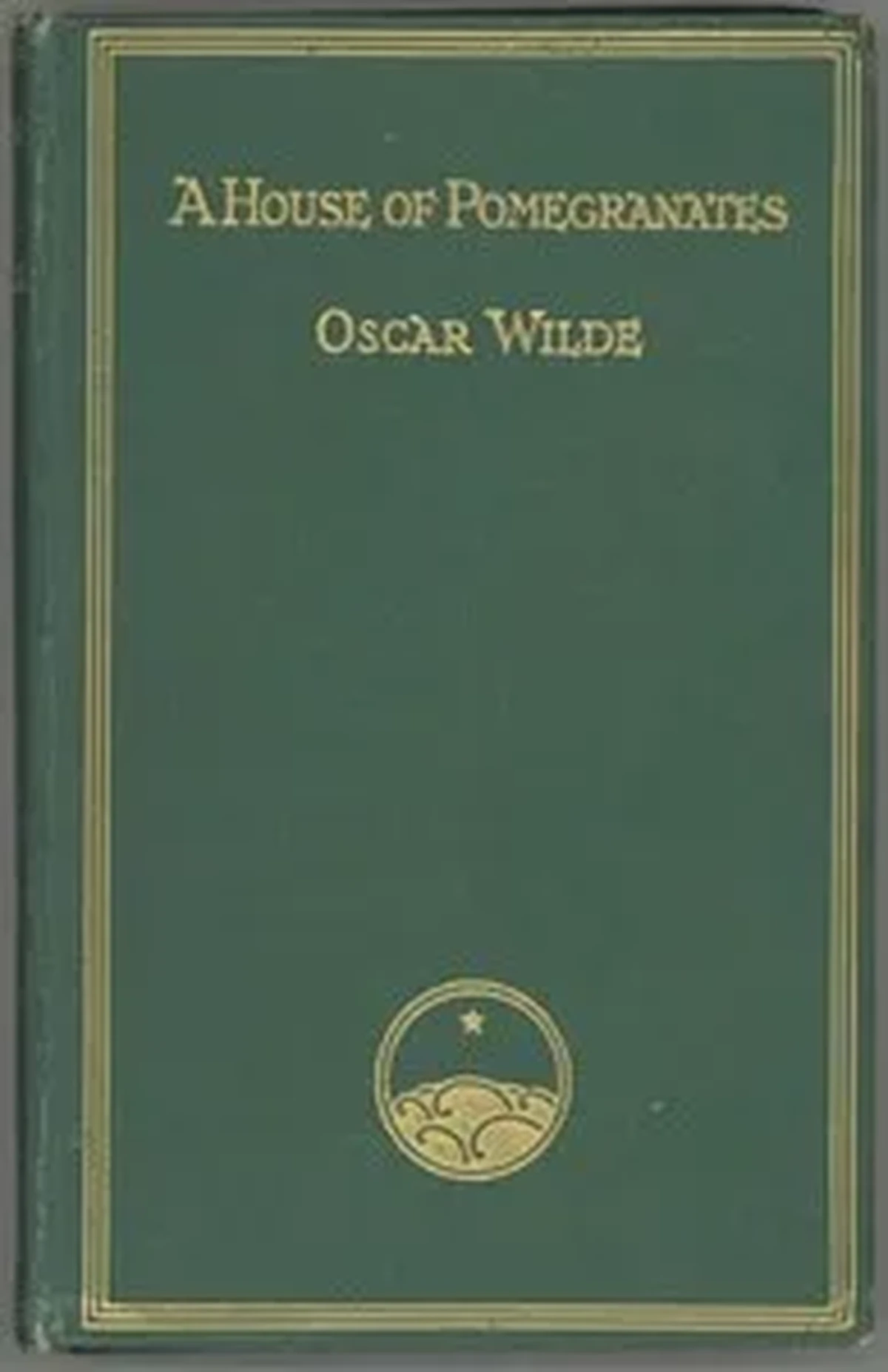
A House of Pomegranates
 72
72

A House of Pomegranates
Wilde’s "A House of Pomegranates" remains a potent exploration of beauty's perilous edge. The stories, particularly "The Young King" and "The Birthday of the Infanta," exhibit Wilde's unparalleled gift for crafting sentences that shimmer with aesthetic brilliance while simultaneously delivering a sharp, often cynical, commentary on human nature and societal values. The sheer beauty of the prose is undeniable, a hallmark of the Aesthetic Movement he so embodied. However, the collection's strength can also be its limitation. The allegorical nature, while intellectually stimulating, occasionally feels overly didactic, leaving little room for ambiguity or reader interpretation. The narrative voice, though distinct, can at times feel so polished that it risks overshadowing the emotional core of the characters' predicaments. The exquisite description of the Young King's dilemma, wrestling with the tactile reality of his crown versus the suffering it represents, is a perfect encapsulation of Wilde’s thematic concerns. Ultimately, "A House of Pomegranats" is a collection that rewards patient, critical engagement with its dazzling yet melancholic visions.
📝 Description
72
Oscar Wilde's 'A House of Pomegranates,' first published in 1923, contains four fairy tales for adults.
These are not stories for children, but rather sophisticated allegories that examine the nature of art, love, sacrifice, and the painful gap between ideal beauty and harsh reality. Wilde crafts narratives steeped in a decadent aesthetic, where sensuous language meets profound, often melancholic, thematic undercurrents. Each tale presents a unique world, yet all share a distinctive voice that is both ornate and piercingly direct.
This work is intended for readers who appreciate literature as a form of aesthetic exploration, particularly those drawn to symbolic narratives and the examination of complex emotional states. It will appeal to individuals interested in the Aesthetic Movement, the Decadent period, and writers who challenged Victorian sensibilities through art. Readers seeking straightforward plotlines or didactic moral lessons may find these tales challenging, but those who enjoy layered symbolism and lyrical prose will find much to ponder.
Published posthumously in 1923, "A House of Pomegranates" emerged from the fertile ground of late 19th-century aestheticism. Oscar Wilde was a central figure in the Decadent movement, which emphasized art for art's sake, often in reaction against the perceived moralism and utilitarianism of Victorian society. His contemporaries, such as Aubrey Beardsley, shared a similar interest in pushing artistic boundaries. Wilde's own life and trials, particularly his 1895 conviction for "gross indecency," cast a long shadow over his later work, infusing it with a sense of melancholy and a critique of societal hypocrisy.
💡 Why Read This Book?
• You will learn to appreciate the intricate dance between aestheticism and suffering, as exemplified in "The Young King" and its exploration of beauty's cost. • You will gain insight into the critique of societal hypocrisy, a key concern for Oscar Wilde during the late 19th century, particularly relevant to the Infanta's unaware cruelty. • You will feel the power of symbolic fairy tales as vehicles for adult contemplation, understanding how Wilde transforms traditional forms to explore complex themes like love and sacrifice.
⭐ Reader Reviews
Honest opinions from readers who have explored this book.
❓ Frequently Asked Questions
Is 'A House of Pomegranates' suitable for children?
No, 'A House of Pomegranates' is decidedly not for children. Its themes of complex love, sacrifice, and the often-tragic clash between beauty and reality are intended for adult readers who appreciate sophisticated allegory and decadent prose.
When was 'A House of Pomegranates' first published?
The collection 'A House of Pomegranates' was first published in 1923, several years after Oscar Wilde's death in 1900.
What literary movement is Oscar Wilde associated with?
Oscar Wilde is most famously associated with the Aesthetic Movement and the Decadent movement, which emphasized art for art's sake and explored themes beyond conventional Victorian morality.
What are the main themes in 'A House of Pomegranates'?
The collection explores themes such as the nature of beauty, the conflict between spiritual and carnal love, the cost of sacrifice, the disconnect between art and life, and societal hypocrisy.
Are the stories in 'A House of Pomegranates' based on folklore?
While Wilde uses the form of fairy tales, the stories in 'A House of Pomegranates' are original literary creations, not retellings of existing folklore. They are sophisticated allegories reflecting Wilde's unique artistic and philosophical concerns.
How does 'A House of Pomegranates' reflect Wilde's life?
The collection, published posthumously, reflects Wilde's later concerns with suffering, societal judgment, and the often-painful relationship between beauty and truth, themes that gained added poignancy after his personal trials in the late 1890s.
🔮 Key Themes & Symbolism
Beauty and Sacrifice
The collection intensely examines the relationship between aesthetic beauty and the suffering it often necessitates or reveals. In "The Young King," the protagonist must confront the harsh realities of labor and pain that underpin the creation of luxurious objects before he can truly appreciate beauty. This theme questions whether true aesthetic appreciation can exist without an awareness of its cost, pushing beyond superficial admiration to a deeper, more complex understanding of value. The stories suggest that beauty is rarely innocent and often demands a profound sacrifice from its creators or admirers.
The Duality of Love
Wilde frequently contrasts spiritual or idealized love with carnal or earthly desire, often portraying the tragic consequences of rigid adherence to one over the other. "The Doomed Lover" exemplifies this, showcasing the destructive potential of an all-consuming, otherworldly passion. The stories explore how societal expectations or personal obsessions can distort love, leading to isolation, delusion, or destruction. This duality highlights Wilde's exploration of human emotional complexities and the often-untenable positions individuals find themselves in when navigating desire and devotion.
Art vs. Reality
A central tension in "A House of Pomegranates" is the conflict between the idealized world of art and the often-unpleasant, mundane, or cruel reality. "The Birthday of the Infanta" starkly illustrates this through the story of the dwarf entertainer, whose art brings joy to others while he remains oblivious to his own grotesque appearance. Wilde critiques a society that can appreciate artistic beauty while remaining blind or indifferent to the suffering of those who create it or are outside its aesthetic norms. The collection questions the purpose and ethics of art in a flawed world.
Social Critique and Hypocrisy
Underneath the ornate prose lies a sharp critique of societal norms, particularly the hypocrisy prevalent in Victorian England. Wilde subtly exposes the superficiality of social conventions and the often-cruel judgments passed by those in power. The "moral" pronouncements of characters often mask their own vanity, ignorance, or cruelty. This is evident in the unthinking entitlement of the Infanta or the societal condemnation faced by artists and unconventional figures. Wilde uses the fairy tale format to deliver potent commentary on injustice and the blindness of the privileged.
💬 Memorable Quotes
Direct passages from the work, attributed to the author.
“Beauty is a form of genius—it is one of the things that are only too glad to have an explanation.”
— This statement captures Wilde’s aesthetic philosophy, suggesting that true beauty possesses an inherent power and intelligence that transcends simple explanation or rationalization. It implies that beauty itself is a form of clear insights, almost a natural law, that speaks directly to the soul.
“The world has always been ready to be led by a fool.”
— This cynical observation speaks to Wilde's disillusionment with societal leadership and public opinion. It implies a critique of how easily masses can be swayed by superficiality or ignorance, rather than by wisdom or genuine insight, reflecting themes of societal blindness.
“It is a sad thing to know you are not loved. It is a sadder thing to know that you are loved, but in vain.”
— This poignant reflection looks at the complexities of love and its potential for unfulfillment. It highlights the pain of unrequited affection and the even greater sorrow of loving someone who cannot reciprocate or accept that love, suggesting a profound sense of existential loneliness.
“To love oneself is the beginning of a lifelong romance.”
— This famous aphorism, often attributed to Wilde, emphasizes the importance of self-acceptance and self-regard as the foundation for all other relationships and life experiences. It suggests that internal validation is the primary key to a fulfilling existence.
“She did not know that she was ugly, and was not at all curious to know.”
— This observation, likely from "The Birthday of the Infanta," points to the tragic innocence or obliviousness of certain characters. It underscores the theme of perception versus reality and how a lack of self-awareness, while perhaps blissful, can lead to profound suffering when confronted with the truth.
🌙 Esoteric Significance
Tradition
While not explicitly tied to a single esoteric lineage like Gnosticism or Hermeticism, Wilde's work engages with themes resonant in Western esotericism. His focus on the transformative power of beauty, the exploration of dualities (spiritual/carnal, art/reality), and the critique of mundane societal values aligns with Gnostic ideas of escaping illusory material worlds and seeking higher truths. The emphasis on aesthetic experience as a path to deeper understanding echoes certain Neoplatonic and Rosicrucian ideals where beauty is a divine manifestation.
Symbolism
The pomegranate itself is a potent symbol, appearing in Greek mythology associated with Persephone and the underworld, representing cycles of death and rebirth, and hidden knowledge. In "The Doomed Lover," the sea and the moon carry strong symbolic weight, often linked to the feminine principle, intuition, and the subconscious – realms explored through the lover's obsessive quest. The dwarf in "The Birthday of the Infanta" symbolizes the marginalized, the unseen, and the tragic disconnect between inner reality and external perception, a motif found in esoteric traditions that value the hidden or overlooked.
Modern Relevance
Wilde's exploration of the artist's struggle, the critique of societal superficiality, and the exploration of marginalized identities continue to resonate. Contemporary thinkers in queer theory and literary criticism often revisit Wilde's work for its subversive commentary on norms. His emphasis on aesthetic experience as a means of apprehending deeper truths finds echoes in modern art theory and philosophical discussions about perception and consciousness, particularly within circles interested in the intersection of art, philosophy, and spirituality.
👥 Who Should Read This Book
• Students of the Aesthetic and Decadent movements: Engage directly with foundational literary works that defined an era and its artistic philosophy. • Aspiring writers and artists: Gain inspiration from Wilde’s masterful prose and explore his profound meditations on the relationship between beauty, suffering, and creation. • Readers interested in literary symbolism: Decipher the rich layers of meaning within Wilde's allegorical fairy tales, exploring themes of love, sacrifice, and societal critique.
📜 Historical Context
Published in 1923, "A House of Pomegranates" emerged from the twilight of Oscar Wilde’s career and influence, posthumously solidifying his place within the Aesthetic and Decadent movements. These movements, flourishing in the late 19th century, reacted against the perceived prudery and utilitarianism of Victorian society, championing "art for art's sake." Wilde was a leading figure, associated with artists like Aubrey Beardsley, whose illustrations for Wilde’s works embodied the era’s decadent aesthetic. The collection’s mature themes and symbolic complexity reflect a literary landscape where fairy tales were being explored as vehicles for adult thought, moving beyond simple children's narratives. Wilde's personal downfall, his 1895 conviction for "gross indecency," deeply impacted his reputation and the reception of his work, lending a melancholic undertone to his later writings, including these stories, which critique societal hypocrisy and explore the painful consequences of rigid adherence to principle or desire.
📔 Journal Prompts
The Young King’s dilemma regarding the origin of his finery.
The Infanta’s perception of the dwarf’s dance.
The symbolism of the pomegranate in relation to hidden knowledge.
The concept of love versus vanity in "The Doomed Lover."
The nature of sacrifice depicted in "The Fisherman and His Soul."
🗂️ Glossary
Aestheticism
A late 19th-century art movement and literary philosophy that championed "art for art's sake," prioritizing beauty and sensual form over moral or didactic purpose.
Decadence
A literary and artistic movement associated with Aestheticism, characterized by artificiality, exoticism, and a focus on subjective experience, often exploring themes considered morbid or unconventional.
Allegory
A narrative in which characters, events, and settings represent abstract ideas or principles, conveying a hidden meaning, often moral or political.
Symbolism
The use of objects, people, or concepts to represent deeper, often abstract, ideas or qualities beyond their literal meaning.
Posthumous
Published or appearing after the author's death.
Victorian Era
The period of Queen Victoria's reign in the United Kingdom (1837–1901), often characterized by strict social morals, industrial expansion, and imperial power.
Fairy Tale
A story, typically intended for children but here adapted for adults, featuring fantastical characters and magical elements, often with a moral or symbolic undertone.
🔮 Readers Also Liked
Browse all →







More by Oscar Wilde
All books →



More Free Occult Philosophy Books
View all →