Sufi Orders in Islam
 78
78

Sufi Orders in Islam



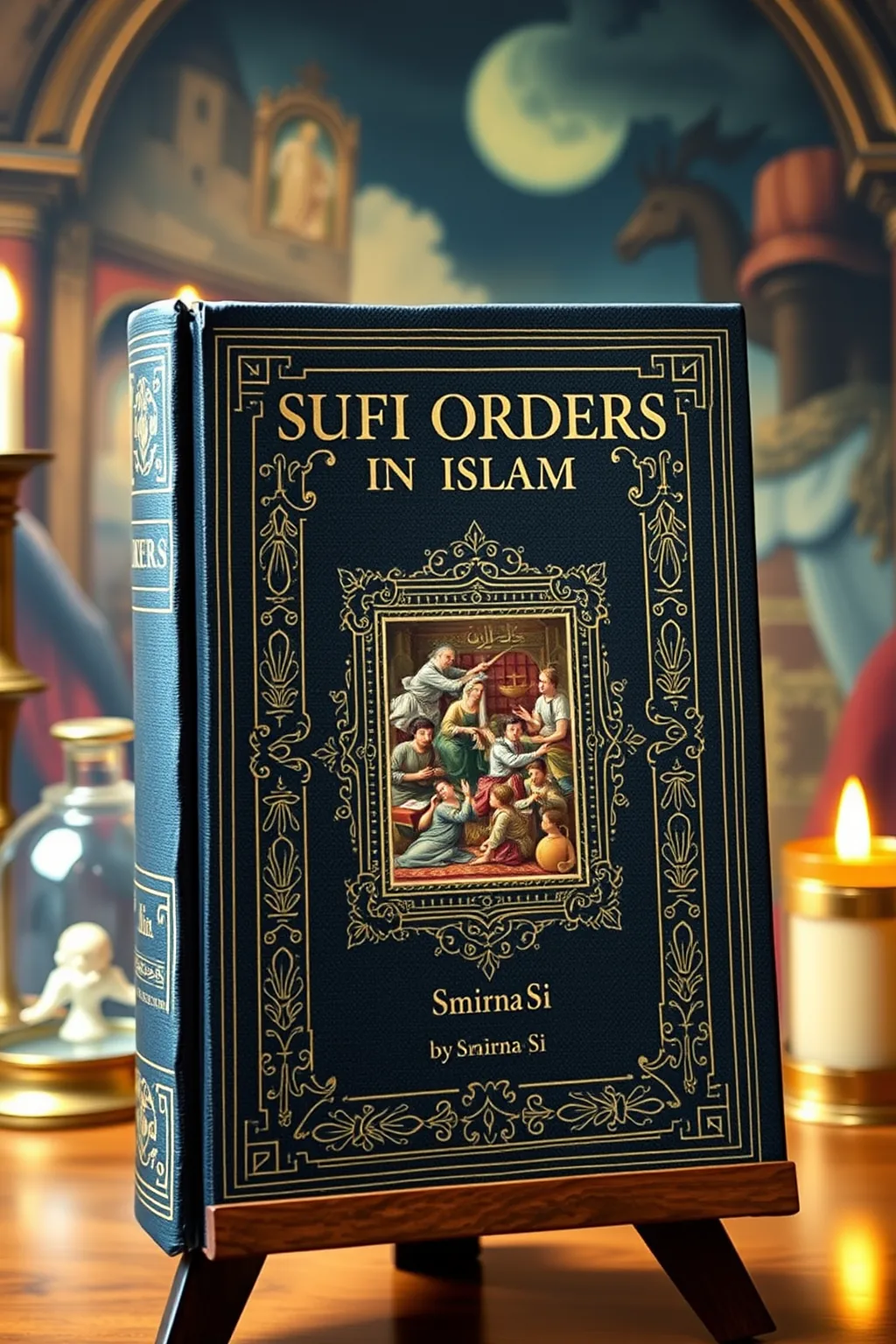
Smirna Si's 'Sufi Orders in Islam' is a masterful work that illuminates the esoteric and mystical dimensions of Sufism. For modern esoteric seekers, this book serves as an invaluable resource, providing a deep dive into the spiritual practices and teachings of various Sufi orders. Si's writing is both scholarly and accessible, making complex concepts understandable to a wide audience. The book's historical context enriches the reader's understanding of how Sufism has evolved and adapted over time, offering a nuanced perspective on its role within Islamic culture. The value of this text lies in its ability to bridge the gap between academic study and spiritual practice, making it a must-read for anyone interested in the mystical traditions of Islam. The book's detailed exploration of Sufi orders and their practices provides a roadmap for those seeking to incorporate Sufi teachings into their own spiritual journeys.
📝 Description
78
Smirna Si's 'Sufi Orders in Islam' details the rich symbolism and philosophical depths of Sufi traditions.
Smirna Si's work, augmented by J. Spencer Trimingham's original notes, examines the esoteric dimensions of Sufi orders within Islam. The book reveals the symbolism and philosophical concepts that underpin Islamic mysticism, tracing their influence over centuries. It invites readers, whether spiritual seekers, academics, or practitioners, to engage with the contemplative practices and concealed knowledge characteristic of Sufism. Si details how these teachings have shaped and continue to shape the spiritual life of Muslims, offering access to a body of esoteric wisdom that has guided many toward spiritual realization.
The book covers the organization and practices of various Sufi orders, explaining their historical development and theological underpinnings. It highlights the intellectual and devotional traditions that distinguish Sufism from other Islamic schools of thought. Readers will find discussions on key Sufi concepts, such as the nature of the soul, the path of love, and the quest for divine presence.
This book situates Sufism within a broader esoteric tradition that seeks direct experience of the divine, often through disciplined inner work. Like other esoteric paths, Sufism emphasizes symbolic interpretation, the guidance of masters, and the cultivation of specific states of consciousness. Si's account details how these elements manifest within specific Islamic Sufi orders, differentiating their practices and doctrines while acknowledging their shared mystical aims. It connects the historical development of these orders to the perennial human search for transcendent meaning.
💡 Why Read This Book?
Reading 'Sufi Orders in Islam' today offers a unique opportunity to connect with the timeless wisdom of Sufi mysticism. Whether you are seeking spiritual enlightenment, a deeper understanding of Islamic traditions, or simply curious about the esoteric dimensions of religion, this book provides a wealth of knowledge and insight. Smirna Si's work is a beacon for those navigating the complex world of Sufi orders, offering clarity and guidance on the path to spiritual fulfillment.
⭐ Reader Reviews
Honest opinions from readers who have explored this book.
❓ Frequently Asked Questions
What are Sufi orders?
Sufi orders, also known as tariqas, are spiritual paths within Islam that focus on the mystical and esoteric dimensions of the faith. They emphasize personal spiritual growth and direct experience of the divine.
Who is Smirna Si?
Smirna Si is an author and scholar specializing in Islamic mysticism and Sufi traditions. Her work provides deep insights into the spiritual practices and teachings of Sufi orders.
What is the historical context of Sufi Orders in Islam?
The book explores the development and evolution of Sufi orders within the broader context of Islamic history, highlighting their influence on Islamic culture and society over the centuries.
🔮 Key Themes & Symbolism
Symbolism in Sufi Orders
Sufi Orders in Islam delves deeply into the symbolism that permeates Sufi practices and teachings. Symbols such as the rose, the nightingale, and the wine of divine love are explored for their esoteric meanings, revealing the hidden layers of Sufi spirituality. This theme underscores the importance of understanding the symbolic language that Sufis use to convey their mystical experiences and teachings.
Philosophical Significance
The book examines the philosophical underpinnings of Sufi orders, highlighting the profound wisdom and contemplative practices that have shaped Islamic mysticism. Readers will gain insights into the philosophical debates and metaphysical concepts that form the foundation of Sufi thought, providing a deeper understanding of the spiritual journey.
Historical Context
Sufi Orders in Islam places the mystical traditions within their historical context, tracing the development of Sufi orders from their early beginnings to their modern manifestations. This theme provides a comprehensive overview of how Sufi practices and teachings have evolved over time, adapting to different cultural and historical settings while maintaining their esoteric core.
💬 Memorable Quotes
Direct passages from the work, attributed to the author.
“In the silence of contemplation, the seeker finds the voice of the soul.”
— It highlights the importance of inner silence and contemplation in Sufi practices, leading to spiritual enlightenment.
“The wine of divine love intoxicates the soul, freeing it from worldly attachments.”
— It symbolizes the ecstatic union with the divine, where the soul is liberated from material concerns and immersed in spiritual bliss.
💡 Key Ideas
Editorial paraphrase of the work's core concepts — not direct quotes.
The heart of the Sufi is a mirror, reflecting the divine light.
This quote emphasizes the Sufi belief in the purity and receptivity of the heart, which mirrors the divine presence.
The path of the Sufi is a journey into the unknown, where the known is left behind.
This quote underscores the transformative nature of the Sufi journey, which requires letting go of familiar concepts and embracing the mystery of the divine.
The Sufi's heart is a garden, where the seeds of divine wisdom are sown.
This quote illustrates the fertile ground of the Sufi's heart, where spiritual insights and mystical experiences take root and flourish.
🌙 Esoteric Significance
Tradition
This book belongs to the Sufi tradition within Islamic mysticism, which emphasizes the esoteric and contemplative dimensions of faith. Sufism seeks to uncover the hidden truths and divine wisdom that lie beneath the surface of religious practices and teachings.
Symbolism
Key symbols in Sufi Orders in Islam include the rose, representing divine beauty; the nightingale, symbolizing the soul's longing for the divine; and the wine of divine love, signifying spiritual ecstasy. These symbols are integral to understanding the mystical experiences and teachings of Sufi orders.
Modern Relevance
Today, 'Sufi Orders in Islam' remains relevant for its insights into the esoteric dimensions of Sufism, which continue to influence spiritual seekers and practitioners. Modern practitioners use its teachings to deepen their understanding of Sufi symbolism and philosophy, applying these insights to their own spiritual journeys.
👥 Who Should Read This Book
Beginners will find this book an accessible introduction to the mystical traditions within Islam, providing a foundational understanding of Sufi practices and teachings. Scholars of religious studies will appreciate the detailed analysis and historical context offered in the text. Spiritual seekers will benefit from the esoteric insights and philosophical depth, while practitioners of Sufi disciplines will find valuable guidance and inspiration for their spiritual journeys.
📜 Historical Context
Written during a time of significant spiritual exploration, 'Sufi Orders in Islam' provides a comprehensive look into the mystical traditions that have shaped Islamic spirituality. The book was important when written because it offered a detailed examination of Sufi orders, their practices, and teachings, at a time when many were seeking deeper spiritual meanings within Islam. Its influence can be seen in the continued interest in Sufism and its esoteric dimensions, inspiring both academic research and spiritual practices.
📔 Journal Prompts
Reflect on a symbol from Sufi Orders in Islam that speaks to your spiritual journey. How does it deepen your understanding of Sufi mysticism?
Consider the philosophical significance of Sufi teachings. How do they influence your perspective on spiritual enlightenment?
Explore the historical context of Sufi orders. How have these traditions evolved over time, and what can we learn from their development?
Think about the esoteric dimensions of Sufism. How do these hidden truths and divine wisdom enrich your spiritual practices?
Write about a memorable quote from the book that inspired you. How does it relate to your own spiritual journey or beliefs?
🗂️ Glossary
Dhikr
A spiritual practice involving the remembrance of God, often through repetitive chanting or meditation.
Fana
The state of annihilation of the self in the presence of the divine, a key concept in Sufi mysticism.
Wajd
A state of spiritual ecstasy or rapture experienced by Sufis during moments of divine union.
Hal
A spiritual state or condition experienced by Sufis, often characterized by a deep sense of divine presence.
Maqam
A spiritual station or level of spiritual development achieved through Sufi practices and teachings.
This book appears in 2 collections
🔮 Readers Also Liked
Browse all →









More by Smirna Si
All books →


From the “Christian Mysticism” Collection
View all →









More Free Mysticism & Contemplation Books
View all →