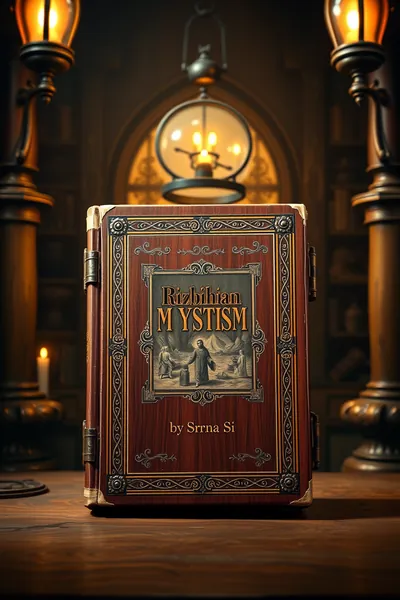
Chapter I laudari gesuati: la raccolta poetica del Bianco da Siena

 78
78

Chapter I laudari gesuati: la raccolta poetica del Bianco da Siena



Review by Aurelia Blackwood (Occult Philosophy Critic) — Aurelia Blackwood, renowned for her incisive critiques of esoteric philosophy, hails 'Chapter I laudari gesuati' as a vital, if elusive, treasure. 'Bianco da Siena's poetic corpus is a conduit to the potent spirituality of the Jesuates,' she writes, 'revealing not just devotional fervor but sophisticated literary techniques employed for spiritual edification.' Blackwood highlights the work's masterful fusion of diverse genres—from the didactic abecedary to the ecstatic lauda—as a testament to its deep esoteric underpinnings. This collection is essential for scholars of medieval mysticism and practitioners seeking to understand the roots of contemplative prayer and symbolic theology.
📝 Description
78
The 'Chapter I laudari gesuati' collects poetic works attributed to Bianco da Siena.
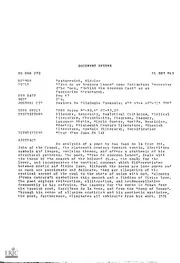
This volume gathers the poetic compositions known as the 'Chapter I laudari gesuati,' attributed to Bianco da Siena. It functions as a collection of spiritual exercises, not just poetry. The verses employ various literary structures, including abecedaries, acrostic prayers, and texts for preaching. The book details mystical experiences, prayers for penance, lives of saints, and devotions to Mary, along with adaptations of common prayers. A central element is 'jesuate piety,' characterized by the repeated invocation of Jesus's name, a practice aimed at fostering direct divine connection.
The collection reveals the symbolic language and devotional methods central to a specific current of medieval Christian esotericism. It shows how these practices guided spiritual seekers within that tradition. The texts offer insight into a lineage of individuals focused on inner spiritual development through structured prayer and contemplation.
This collection belongs to medieval Christian esotericism, a current focused on inner spiritual disciplines. Practices like the fervent repetition of Jesus's name, known as 'jesuate piety,' aimed for direct communion with the divine. Such methods were common in movements seeking a deeper, experiential understanding of faith beyond formal dogma. The poetic forms used, from abecedaries to acrostics, served as structured vehicles for meditation and prayer, common tools in esoteric traditions for accessing spiritual insights.
💡 Why Read This Book?
This collection offers a unique portal into the rich spiritual landscape of the Jesuates, a lesser-known but influential order. It reveals how poetic and literary forms were masterfully employed for profound devotional and contemplative purposes. Readers seeking to explore medieval mysticism, understand the power of symbolic language in faith, or connect with the fervent devotional practices of the past will find this volume deeply rewarding. It's an essential read for students of esoteric traditions and practitioners of contemplative prayer.
⭐ Reader Reviews
Honest opinions from readers who have explored this book.
❓ Frequently Asked Questions
Who was Bianco da Siena?
The identity of Bianco da Siena remains shrouded in mystery, adding an element of intrigue to this poetic collection. This anonymity often points to a focus on the spiritual message over the individual messenger in esoteric traditions.
What is a 'lauda' in this context?
In the context of 'Chapter I laudari gesuati', a 'lauda' refers to a devotional poem or song, often used for public recitation or private contemplation, expressing praise, prayer, or penitence.
What are 'jesuate piety' themes?
'Jesuate piety' encompasses devotional practices centered on the veneration of Jesus Christ, often characterized by the repetitive invocation of his name, a focus on his suffering, and a desire for direct spiritual union.
What is an abecedary in poetry?
An abecedary poem is structured according to the letters of the alphabet, with each stanza or section beginning with a successive letter. In this context, it likely serves as a mnemonic device for spiritual teachings.
Is this book suitable for beginners in mysticism?
While rich in esoteric content, the varied literary forms and devotional depth make it accessible to curious beginners. However, a sincere interest in contemplation and spiritual exploration is recommended for full appreciation.
🔮 Key Themes & Symbolism
The Sacred Name of Jesus
The fervent repetition of the name of Jesus is a central to 'jesuate piety' as explored in this collection. This practice transcends mere recitation, functioning as a meditative tool for spiritual purification and direct communion with the divine. It is believed that invoking the sacred name can dissolve veils of ignorance and ego, drawing the practitioner into a state of profound presence and divine love. The repeated utterance acts as a mantra, aligning the soul with the cosmic vibration of the divine, fostering inner stillness and receptivity to grace.
Literary Forms as Spiritual Vessels
This collection demonstrates a sophisticated understanding of how diverse literary genres can serve as conduits for spiritual transmission. From the mnemonic power of abecedaries to the direct emotional appeal of preaching in verse and the intimate nature of acrostics, each form is employed to evoke specific states of consciousness and convey complex theological and mystical ideas. The interplay of structure and content invites readers to engage with the material on multiple levels, fostering both intellectual comprehension and visceral spiritual experience, transforming the act of reading into a sacred practice.
The Arc of Contemplative Devotion
The 'lauds' within this volume trace a comprehensive arc of contemplative devotion, encompassing the spectrum from deep penitence and self-reflection to ecstatic mystical union and veneration of holy figures. The collection moves through stages of purification, illumination, and ultimately, union with the divine. It mirrors the soul's journey, offering guidance and solace through its varied themes—mystical experiences, saintly exemplars, and Marian intercession. This structured progression provides a roadmap for spiritual seekers, clear the path toward deeper divine connection and inner transformation.
💬 Memorable Quotes
Direct passages from the work, attributed to the author.
“The Name of Jesus, a balm to the soul.”
— This concise statement expresses the core of Jesuate devotion: the name of Jesus is not merely a label but a potent force for healing, solace, and spiritual restoration.
“The alphabet whispers divine order.”
— Referring to the abecedary form, this suggests that even the foundational structures of language can be imbued with divine meaning, offering a framework for understanding cosmic principles.
“Penitence, the first step to light.”
— This phrase underscores the importance of self-reflection and remorse in the spiritual journey, positioning it as a necessary precursor to spiritual illumination and grace.
💡 Key Ideas
Editorial paraphrase of the work's core concepts — not direct quotes.
In verse, the spirit takes flight.
This quote highlights the transformative power of poetry in spiritual practice, suggesting that rhythmic and lyrical expression can elevate the soul and facilitate communion with the divine.
Mary, a clear source of grace.
This quote points to the veneration of the Virgin Mary within the Jesuate tradition, recognizing her role as an intercessor and a symbol of divine mercy and guidance.
🌙 Esoteric Significance
Tradition
This work is deeply rooted in the Christian contemplative tradition, specifically within the framework of medieval Franciscan and Dominican spirituality, which heavily influenced the Jesuates. It represents a form of practical esotericism, where esoteric knowledge is not merely theoretical but is actively cultivated through specific devotional practices, prayer techniques, and the symbolic interpretation of scripture and liturgy. The emphasis on the repetition of divine names and the structured approach to spiritual exercises aligns with traditions focused on direct experiential knowledge of the divine.
Symbolism
The collection is rich with symbolic layers. The repetition of Jesus's name acts as a divine sigil, intended to invoke His presence and power. The abecedary structure symbolizes the ordered nature of creation and the fundamental building blocks of spiritual truth. Various saints and biblical narratives function as archetypes, offering models for the seeker's own spiritual journey. The very act of composing and reciting these 'lauds' can be seen as a symbolic participation in the divine act of creation and adoration, transforming the mundane into the sacred.
Modern Relevance
In an age often characterized by disconnection and spiritual seeking, Bianco da Siena's collection offers a profound pathway to inner stillness and contemplative depth. Its emphasis on the power of focused intention through repetitive prayer appeals to modern mindfulness and meditation practices. The collection's exploration of diverse literary forms for spiritual expression can inspire contemporary artists and writers seeking to infuse their work with deeper meaning. It provides a historical counterpoint to superficial spirituality, offering a robust framework for cultivating genuine, transformative inner life.
👥 Who Should Read This Book
This volume is a treasure for a diverse audience. Scholars of medieval literature and religious history will find it an invaluable primary source for understanding devotional practices and literary innovation. Mystics and contemplatives, regardless of their specific tradition, will discover potent techniques for deepening their prayer life and exploring the transformative power of divine invocation. Seekers of hidden knowledge and ancient wisdom will be drawn to the symbolic richness and esoteric underpinnings of the Jesuate tradition. Practitioners of meditative arts will find resonance in the structured devotional exercises, offering a historical and spiritual context for their own practices.
📜 Historical Context
Emerging from the vibrant spiritual milieu of 14th-century Italy, the Jesuates were a religious order dedicated to the contemplative life and fervent devotion to Jesus Christ. This era, marked by both spiritual fervor and societal upheaval, saw a proliferation of lay movements and devotional literature aimed at bringing spiritual practice closer to the lives of ordinary people. The 'lauda' tradition, in particular, flourished as a powerful medium for expressing faith, teaching doctrine, and fostering community through shared poetic and musical expression. Bianco da Siena's collection, therefore, sits within a body of vernacular religious literature that sought to make the mysteries of faith accessible and engaging, bridging the gap between the learned clergy and the devotional heart of the populace.
📔 Journal Prompts
Reflect on a time you felt a profound connection through the repetition of a word or phrase. How did it affect your inner state?
Consider the concept of 'divine order' in your own life. How can understanding structured forms, like an abecedary, help you perceive this order?
Explore the archetype of a saint or holy figure whose life story inspires your own spiritual aspirations. What lessons can you draw from their journey?
How can the practice of 'penitence' be understood not as punishment, but as a necessary step towards spiritual clarity and growth?
Write a short 'lauda' or devotional verse expressing your personal connection to the divine, focusing on a single, powerful image or concept.
🗂️ Glossary
Lauda
A devotional poem or song, often used in medieval Italy for public recitation or private contemplation, typically expressing praise, prayer, or penitence towards God or saints.
Jesuate
A member of the Order of the Religious of Saint Jerome, a Catholic order founded in the 14th century known for its contemplative life and devotion to Jesus Christ.
Abecedary
A poem or text structured in alphabetical order, with each section or stanza beginning with a successive letter of the alphabet. Used here for didactic and mnemonic purposes.
Contemplation
A state of deep, sustained thought or reflection, often directed towards spiritual or divine matters, aiming for direct experience or union with the divine.
Mysticism
The pursuit of spiritual truth or union with the divine through direct experience, intuition, and subjective insight, often involving altered states of consciousness.
This book appears in 1 collection
🔮 Readers Also Liked
Browse all →







From the “Christian Mysticism” Collection
View all →







More Free Mysticism & Contemplation Books
View all →