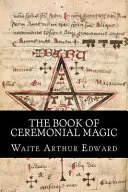
The Book of Ceremonial Magic
 81
81

The Book of Ceremonial Magic
Arthur Edward Waite’s 1902 text, initially titled "The Book of Black Magic and of Pacts," presents a fascinating, albeit sometimes dry, academic dissection of ceremonial magic. Waite’s strength lies in his meticulous historical research and his critical approach to the often-sensationalized world of grimoires. He provides invaluable context for understanding texts like the "Key of Solomon," distinguishing historical reality from later embellishments. However, his scholarly detachment can also be a limitation; the book often feels more like a historical report than a guide for practitioners, and Waite’s personal theological objections occasionally color his analysis, particularly when he questions the ethics of commanding spirits. A passage discussing the various attestations and translations of the "Grimorium Verum" exemplifies his dedication to textual accuracy, yet it can feel dense for readers seeking narrative flow. Despite its academic tone, the work offers a crucial historical anchor for anyone studying Western occult traditions.
📝 Description
81
Arthur Edward Waite published "The Book of Ceremonial Magic" in 1902.
Originally titled "The Book of Black Magic and of Pacts," this 1902 work by Arthur Edward Waite offers a detailed examination of historical magical texts. Waite aimed to analyze the grimoires, which were frequently sensationalized, by placing them within their historical and theological contexts. He questioned the beliefs underlying summoning rituals and traced the development of magical ideas and literature. The book attempts to connect various magical traditions, moving past simple listing to explore the core principles and historical changes in ceremonial magic.
This volume is suited for dedicated students of Western Esotericism, especially those interested in the history of magic. Researchers focused on the evolution of grimoires and ritual practices from the medieval era to the 19th century will find it valuable. Readers who seek historical understanding of magical writings, rather than immediate practical instruction, will benefit. It is also for those who value critical scholarship applied to occult traditions, providing a grounded view of complex subjects.
Published in 1902, a period of widespread interest in spiritualism and occultism, Waite's book emerged amidst popular esoteric movements. As a member of the Hermetic Order of the Golden Dawn, Waite sought a more historically rigorous account of ceremonial magic than many popular works. His study engaged with the growing academic and occultist scrutiny of grimoires, reflecting a balance between preserving magical lore and critiquing perceived inaccuracies.
💡 Why Read This Book?
• Understand the historical development of grimoires like the "Key of Solomon" through Waite's critical analysis, gaining insight into how these texts evolved from the medieval period to the late 19th century, a perspective distinct from modern magical manuals. • Examine Waite’s unique perspective on the theology and ethics of summoning spirits, challenging conventional interpretations and prompting reflection on the motivations behind ritual practices, a critical viewpoint not found in purely practical guides. • Appreciate Waite's 1902 attempt to synthesize disparate magical traditions into a coherent system, revealing early scholarly efforts to contextualize and understand the Western Esoteric tradition, offering a historical lens absent in contemporary occult literature.
⭐ Reader Reviews
Honest opinions from readers who have explored this book.
❓ Frequently Asked Questions
What is the original title of "The Book of Ceremonial Magic" and when was it first published?
The book was originally published in 1902 under the title "The Book of Black Magic and of Pacts." Arthur Edward Waite later reissued it as "The Book of Ceremonial Magic."
What historical grimoires does Arthur Edward Waite discuss in his book?
Waite examines famous grimoires such as the "Key of Solomon," the "Grimorium Verum," and the "Book of Abramelin," among others, providing historical context and critical commentary on their contents and origins.
What was Waite's main objective in writing "The Book of Black Magic and of Pacts"?
Waite aimed to document and critically analyze various grimoires, refuting sensationalized legends, discussing their theological underpinnings, and attempting to synthesize them into a more coherent understanding of ceremonial magic's history and practice.
Is "The Book of Ceremonial Magic" a practical guide to performing rituals?
No, it is primarily a historical and critical examination of magical texts and traditions. While it discusses rituals, it is intended for scholarly understanding rather than as a direct instruction manual for practitioners.
What is the significance of Waite's critical approach to occult texts?
Waite's critical stance challenged the prevailing romanticism and sensationalism surrounding magic in the late 19th and early 20th centuries. He sought to ground the study of occultism in historical research and rational analysis.
When was Arthur Edward Waite active as a writer on esoteric subjects?
Arthur Edward Waite was a prolific writer on esoteric subjects from the late 19th century through the mid-20th century, with "The Book of Black Magic and of Pacts" being published in 1902.
🔮 Key Themes & Symbolism
The Nature of Grimoires
Waite meticulously defines and categorizes grimoires, differentiating them from mere folklore. He investigates their historical transmission, authorship claims, and the evolution of their contents from ancient sources to the 19th century. His analysis scrutinizes the various editions and textual corruptions that plague these magical texts, emphasizing the need for critical scholarly examination to understand their true historical significance and practical application, or lack thereof.
Theology and Ethics of Magic
A central theme is Waite's critical interrogation of the theological frameworks within ceremonial magic. He questions the morality and practicality of commanding spirits, particularly angels, for selfish ends, posing theological dilemmas. This section highlights Waite's rationalist perspective, challenging the occultist's assumption of divine or angelic subservience and exploring the potential spiritual and ethical implications of such practices.
Synthesis of Magical Systems
Waite attempts to move beyond a mere descriptive catalog of grimoires by seeking to synthesize the diverse practices and beliefs into a coherent system. He explores commonalities in ritual structure, invoked entities, and magical theory across different traditions. This analytical endeavor aims to reveal underlying principles of ceremonial magic, offering a comparative framework for understanding its historical development and conceptual unity.
Refutation of Legends
A significant aspect of the book involves Waite’s effort to debunk sensationalized myths and legends surrounding black magic and pacts. He contrasts popular, often exaggerated, accounts with historical evidence and textual analysis. This theme underscores Waite’s commitment to providing a historically grounded perspective, separating verifiable facts from the pervasive folklore that often obscured the study of occult traditions.
💬 Memorable Quotes
Direct passages from the work, attributed to the author.
“The term 'grimoire' is understood to denote a book of magic.”
— This straightforward definition sets the stage for Waite's detailed exploration, distinguishing these specific magical texts from broader occult literature and establishing the foundational subject of his analysis.
“He questioned the theological basis for commanding celestial beings to harm an enemy.”
— This interpretation highlights Waite's critical examination of the ethical and theological inconsistencies he found within magical texts, challenging the traditional justifications for invoking divine or angelic powers for malevolent purposes.
“The book aimed to synthesize diverse grimoires into a single, unified system.”
— This highlights Waite's ambition to create a comprehensive understanding of ceremonial magic by identifying common structures and principles across various documented magical texts, offering a framework for comparative study.
“He systematically refuted many popular legends surrounding black magic.”
— This interpretation points to Waite's methodology of using historical research and textual criticism to debunk sensationalized myths, aiming to present a more accurate and less embellished account of occult traditions.
💡 Key Ideas
Editorial paraphrase of the work's core concepts — not direct quotes.
Waite sought to uncover the historical lineage and evolution of magical practices.
This paraphrased concept emphasizes Waite's scholarly intent to trace the origins and development of ceremonial magic, moving beyond contemporary interpretations to understand its historical roots and transformations over time.
🌙 Esoteric Significance
Tradition
Waite's work sits within the Western Esoteric Tradition, specifically engaging with Hermeticism and ceremonial magic. While a member of the Hermetic Order of the Golden Dawn, his approach was notably critical and historically focused, distinguishing him from more purely devotional or practical occultists of his era. He sought to understand the historical and theological dimensions of these traditions rather than merely transmitting their practices, offering a scholarly perspective on a lineage stretching back to Renaissance grimoires.
Symbolism
The book implicitly engages with the symbolic language of grimoires, such as the complex diagrams and sigils found within texts like the "Key of Solomon." Waite analyzes these not just as magical tools but as historical artifacts reflecting specific cosmological beliefs and ritual intentions. The invocation of angels and demons, central to many grimoires, carries deep symbolic weight, representing forces of nature, psychological states, or divine emanations within the framework of ceremonial magic.
Modern Relevance
Contemporary scholars of Western Esotericism continue to reference Waite's work for its foundational historical research into grimoires. Modern practitioners of ceremonial magic, while perhaps not adhering to Waite's critical conclusions, often consult his analyses for historical context and understanding the evolution of texts they use. Thinkers exploring the comparative history of religion and magic find value in his early attempts at systematic classification and critique of occult literature.
👥 Who Should Read This Book
• Students of Western Esotericism seeking a historically grounded overview of ceremonial magic and its primary texts, offering critical analysis beyond mere description. • Researchers of occult history interested in the late 19th and early 20th-century intellectual climate surrounding spiritualism and magical societies, providing context for figures like Waite himself. • Comparative religion scholars examining the evolution of ritualistic practices and belief systems, offering insight into how magical texts were understood and debated during an important period.
📜 Historical Context
Published in 1902, "The Book of Black Magic and of Pacts" emerged during a period of burgeoning occult revival in Europe and America. The late Victorian and Edwardian eras saw widespread interest in spiritualism, theosophy, and esoteric societies like the Hermetic Order of the Golden Dawn, of which Waite was a prominent member. This intellectual climate fostered both popular fascination with the occult and a more serious scholarly inquiry into its historical roots. Waite's work was a significant contribution to this latter stream, critically examining grimoires like the "Key of Solomon" against a backdrop of less rigorous popularizations. While figures like Aleister Crowley were forging their own magical paths, Waite adopted a more historical and skeptical stance, aiming to explain rather than champion occult practices, positioning his work as a scholarly corrective to prevalent sensationalism.
📔 Journal Prompts
The historical lineage of the "Key of Solomon" as presented by Waite.
Waite's critique of commanding celestial beings for malevolent purposes.
The concept of synthesizing diverse grimoires into a unified system.
The refutation of popular legends surrounding black magic in the 1902 context.
The theological questions raised by the invocation of spirits in ceremonial magic.
🗂️ Glossary
Grimoire
A book of magic, typically containing instructions for invoking spirits, performing rituals, and creating magical effects. Waite analyzes these as historical documents with specific textual traditions.
Ceremonial Magic
A branch of magic involving elaborate rituals, often invoking divine or angelic beings, with the aim of spiritual transformation or achieving specific material goals.
Theurgy
A system of ritualistic magic aiming for communion with the divine, often associated with Neoplatonism. Waite discusses its relationship to other forms of magic.
Invocation
The act of calling upon a deity, spirit, or other supernatural being, often for assistance or as part of a ritual. Waite critically examines the nature and purpose of invocations.
Sigil
A symbol or sign, often used in magical rituals, believed to possess mystical properties or represent a specific entity or concept.
Pact
An agreement, often with a supernatural entity (like a demon), in exchange for knowledge, power, or other benefits. Waite discusses the historical and theological implications of such pacts.
Talismans
Objects inscribed with symbols or magical characters, believed to possess protective or beneficial powers when worn or kept.