Book of Ceremonial Magic

 71
71

Book of Ceremonial Magic
A.E. Waite's "Book of Ceremonial Magic" is less a practical grimoire and more a scholarly survey of the field of ritualistic occultism, a distinction that serves as both its strength and its primary limitation. Waite's meticulous cataloging of texts like "The Arbatel of Magic" and "The Key of Solomon the King" offers invaluable historical context for anyone studying the evolution of Western esotericism. His analysis, however, is often filtered through a lens that prioritizes historical classification over direct experiential instruction. The section on "The Distinction Between White and Black Magic" is particularly illustrative of Waite's scholarly, almost detached, approach. While the work provides essential background, those seeking direct ritualistic instruction might find it too academic. It is a vital reference for understanding the literature of ceremonial magic.
📝 Description
71
A.E. Waite's "Book of Ceremonial Magic" was first published in 1911, detailing magical practices.
This book, by A.E. Waite, categorizes and explains various forms of ritual magic. It distinguishes between practices intended for spiritual growth and those with less benevolent purposes. Waite examines specific grimoires and magical systems, acting as a guide to a complex subject. The work is written for serious students of Western esotericism, occult history, and comparative religion. It is especially useful for those interested in how magical practices developed historically and the texts that codified them. Those seeking to grasp the theoretical basis of ritual, alongside scholars of mysticism, will find considerable worth here. It does require a willingness to engage with older texts and ideas.
Waite's "Book of Ceremonial Magic" arose during a period of significant interest in occultism and esoteric traditions in the late 19th and early 20th centuries. Waite was a writer and a prominent member of the Hermetic Order of the Golden Dawn. This book fits within a wider resurgence of interest in medieval grimoires and Renaissance magical writings. Waite's approach, however, often favored a more critical and historical viewpoint than some other contemporary magical texts.
The "Book of Ceremonial Magic" emerged from the late 19th and early 20th century occult revival, a time when figures like Eliphas Lévi and Papus also engaged with magical traditions. A.E. Waite, a key member of the Hermetic Order of the Golden Dawn, approached the subject with a historical and critical lens, differentiating his work from more purely devotional or practical occult writings of the era. The book situates itself within a renewed scholarly and public interest in medieval grimoires and Renaissance magical texts.
⭐ Reader Reviews
Honest opinions from readers who have explored this book.
❓ Frequently Asked Questions
What is the primary focus of A.E. Waite's "Book of Ceremonial Magic"?
The book primarily focuses on the scholarly examination and historical categorization of ceremonial magic, detailing various grimoires and distinguishing between different types of magical practices, rather than providing direct ritualistic instructions.
When was "Book of Ceremonial Magic" first published?
The work by A.E. Waite, "Book of Ceremonial Magic," was first published on September 4, 2019, although it draws upon older magical traditions and texts.
Does the book offer practical spells for ceremonial magic?
While it discusses the rituals and structures of various magical texts, the "Book of Ceremonial Magic" is more of a historical and analytical survey. It explains concepts and traditions rather than providing a step-by-step guide for performing spells.
What is the significance of "The Key of Solomon the King" in Waite's book?
"The Key of Solomon the King" is presented in Chapter III as a composite ritual and a significant historical text within ceremonial magic, analyzed for its structure and place in the occult tradition.
Who was A.E. Waite and what was his background?
Arthur Edward Waite (1857-1942) was a prominent occultist, scholar, and author, co-founder of the Hermetic Order of the Golden Dawn. His work reflects a deep engagement with esoteric literature and history.
What does "The Arbatel of Magic" represent in this book?
As detailed in Chapter II, "The Arbatel of Magic" is examined as a significant example of transcendental magic, illustrating specific doctrines and ritualistic approaches within the broader scope of ceremonial magic.
🔮 Key Themes & Symbolism
Classification of Magic
The work meticulously categorizes magical practices, most notably distinguishing between 'White Magic' and 'Black Magic' in Chapter II. This classification is not merely descriptive but analytical, exploring the underlying philosophies and intended outcomes of different ritualistic systems. Waite examines how these distinctions are presented within the literature he surveys, offering a historical perspective on how practitioners and scholars have historically understood the ethical and energetic dimensions of magical work.
Historical Grimoires
A significant portion of the book is dedicated to analyzing foundational texts of ceremonial magic, such as "The Key of Solomon the King" and "The Lesser Key of Solomon" (Chapter III), and "The Arbatel of Magic" (Chapter II). Waite provides historical context and textual analysis, treating these grimoires as important artifacts of esoteric history rather than solely as practical manuals. This approach illuminates the evolution of magical theory and practice through the examination of these influential works.
Esoteric Literature
Waite's exploration extends to the "Unprinted Literature of Ceremonial Magic" (Chapter I), highlighting traditions and texts that may not have achieved widespread publication but circulated within specific esoteric circles. This focus underscores the hidden or less accessible aspects of occult traditions, emphasizing the importance of manuscript culture and oral transmission within magical lineages. The book serves as a guide to this often-obscure body of knowledge.
Transcendental Ritual
The rituals discussed, particularly in Chapter II under "The Rituals of Transcendental Magic," are framed as pathways towards spiritual attainment or understanding. Texts like "The Enchiridion of Pope Leo" are examined for their potential to facilitate higher consciousness or connection to divine principles. Waite's analysis often explores the philosophical underpinnings of these rituals, positioning them within a broader quest for spiritual knowledge and transformation.
💬 Memorable Quotes
Direct passages from the work, attributed to the author.
“The distinction between White and Black Magic is essential for understanding the scope of ceremonial practice.”
— This highlights Waite's emphasis on the ethical and intentional frameworks that define different magical operations. It suggests that the purpose behind a ritual is as critical as the ritual itself in determining its nature and consequences.
“The unprinted literature of ceremonial magic contains traditions not widely disseminated.”
— This points to the existence of a hidden corpus of magical knowledge, passed down through less public channels, suggesting that much of ceremonial magic's history and practice lies beyond easily accessible texts.
“The Arbatel of Magic offers insights into transcendental operations.”
— This indicates that certain texts, like the Arbatel, are viewed as providing a framework for magic that aims for spiritual elevation or connection to higher realms, rather than purely mundane or darker purposes.
“The Key of Solomon the King represents a composite ritual structure.”
— This interpretation frames this famous grimoire not just as a collection of spells, but as an organized system of magical operations, reflecting a structured approach to ceremonial work that has influenced subsequent traditions.
“The Enchiridion of Pope Leo is a key text for understanding specific orisons.”
— This emphasizes the textual significance of the Enchiridion for practitioners interested in devotional or prayer-based magical practices, highlighting its unique contribution to the spectrum of ceremonial magic.
🌙 Esoteric Significance
Tradition
This work is firmly rooted in the Western Esoteric Tradition, particularly drawing from Hermeticism, Kabbalah, and Renaissance ceremonial magic. Waite, as a product of the Hermetic Order of the Golden Dawn, views these magical systems as integral to a lineage of spiritual and philosophical inquiry aimed at understanding the cosmos and humanity's place within it. The book synthesizes and critiques various texts within this lineage, offering a historical overview of its development.
Symbolism
Key symbols explored include the pentagram and hexagram, fundamental in Solomonic magic for invocation and banishing, representing the microcosm and macrocosm respectively. Angelic hierarchies, as detailed in texts like "The Arbatel," are also significant, representing divine order and intermediaries for spiritual communication. The concept of the "Divine Name" and its use in various rituals underscores the belief in the power of sacred utterance and divine authority within ceremonial practice.
Modern Relevance
Contemporary practitioners and scholars of Western esotericism, particularly those interested in the historical development of magical orders and grimoire traditions, frequently reference Waite's work. Thinkers and groups exploring comparative occultism or seeking to understand the roots of modern magical systems often engage with his analysis of texts like "The Key of Solomon." His critical yet comprehensive approach provides a valuable historical lens for modern magical study.
👥 Who Should Read This Book
["Students of Western Esotericism: Those seeking to understand the historical evolution and textual foundations of practices like Hermeticism and Kabbalistic magic will find Waite's analysis of grimoires invaluable.", "Occult Historians: Researchers interested in the late 19th and early 20th-century occult revival, and the critical reception of historical magical texts, will benefit from Waite's scholarly perspective.", "Comparative Religion Scholars: Individuals studying the intersection of religion, mysticism, and ritual across different traditions will appreciate the book's examination of diverse magical systems and their theoretical underpinnings."]
📜 Historical Context
Published in 2019, A.E. Waite's "Book of Ceremonial Magic" draws from and contributes to the late 19th and early 20th-century occult revival. Waite, a prominent member of the Hermetic Order of the Golden Dawn, engaged with a rich intellectual milieu fascinated by ancient wisdom and esoteric traditions. This period saw a resurgence of interest in medieval grimoires and Renaissance magical texts, influenced by figures like Eliphas Lévi, whose works offered a more systematic presentation of magic. Waite's own approach, however, often differed from Lévi's, leaning towards historical scholarship and a critical examination of source materials. While occult societies like the Golden Dawn were actively exploring and practicing ceremonial magic, Waite's text serves as a scholarly catalog and analysis, situating these practices within a broader historical and textual framework, rather than purely as a practical guide.
📔 Journal Prompts
The distinction between White and Black Magic, as presented by Waite, how does it inform your understanding of magical ethics?
Reflect on the "Unprinted Literature of Ceremonial Magic"; what does its existence suggest about knowledge transmission in esoteric traditions?
Consider the structure of "The Key of Solomon the King"; what does its composite nature reveal about the compilation of magical texts?
Analyze "The Arbatel of Magic" as a system of "Transcendental Magic"; what are its core aims and methods?
The "Enchiridion of Pope Leo" and its "Seven Mysterious Orisons" – how might these prayers function within a magical framework?
🗂️ Glossary
Ceremonial Magic
A form of magic that involves elaborate rituals, often incorporating specific gestures, incantations, symbolic tools, and invocations, typically aimed at achieving spiritual transformation or influencing external forces.
Grimoire
A textbook of magic or witchcraft, usually containing instructions for summoning demons, angels, or other spirits, as well as information on divination, alchemy, and spellcasting.
White Magic
Magical practices generally considered to be benevolent, ethical, and aimed at spiritual enlightenment, healing, or positive influence, as distinct from malevolent or selfishly motivated magic.
Black Magic
Magical practices perceived as malevolent, unethical, or selfishly motivated, often involving harm, control, or the exploitation of spiritual forces for personal gain.
Transcendental Magic
A category of magic focused on achieving higher states of consciousness, spiritual realization, or union with divine principles, often through intricate rituals and philosophical contemplation.
The Pauline Art
A specific system of ceremonial magic, often attributed to St. Paul, which involves angelic invocations and the use of divine names for spiritual and protective purposes.
The Arbatel of Magic
An influential Renaissance grimoire that presents a system of magic based on invoking spirits (Olympian Spirits) for various purposes, emphasizing spiritual elevation and divine cooperation.
This book appears in 1 collection
🔮 Readers Also Liked
Browse all →









From the “Ceremonial Magic” Collection
View all →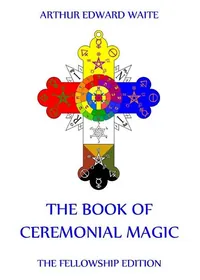






More Free Magic & Ritual Books
View all →