Kabbalah for the layman

 61
61

Kabbalah for the layman

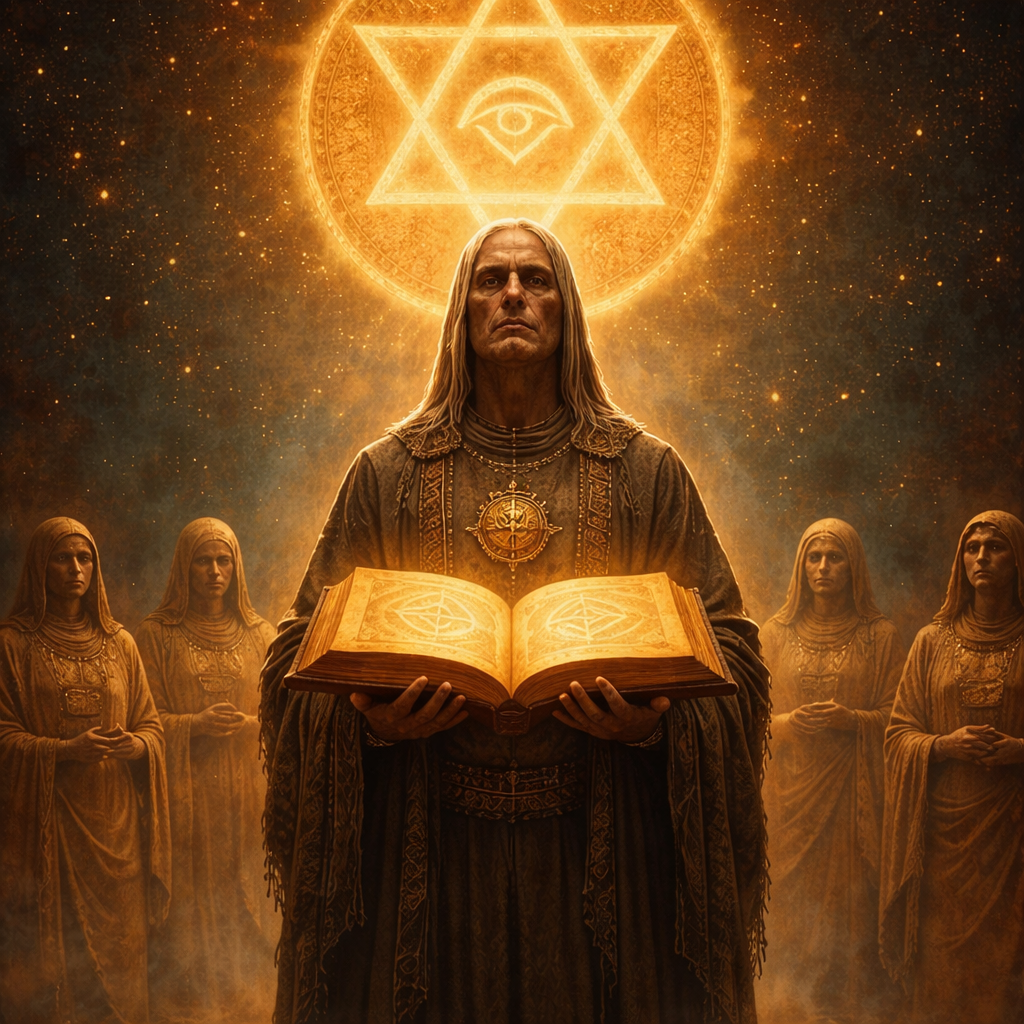

Alaric Kestrel, Metaphysical Studies Reviewer: Philip S. Berg's "Kabbalah for the Layman" stands as a beacon for those venturing into the esoteric heart of Jewish mysticism. Berg's clear prose elegantly unpacks the intricate tapestry of Kabbalistic thought, from the Tree of Life to the divine emanations. He skillfully bridges the gap between ancient wisdom and the modern seeker, making profound concepts accessible without sacrificing their inherent depth. This work is particularly valuable for its ability to illuminate practical applications of Kabbalistic principles for personal growth and spiritual awareness. Highly recommended for students of mysticism and anyone seeking a foundational understanding of this powerful tradition.
📝 Description
61
Delve into the profound depths of Kabbalah with Philip S. Berg's "Kabbalah for the Layman." This seminal work unlocks the ancient secrets of Jewish mysticism, offering a luminous pathway into the hidden architecture of the universe and the divine spark within all creation. Berg masterfully demystifies complex esoteric concepts, weaving together profound symbolism, numerological insights, and philosophical contemplation. The text breathes with an atmosphere of sacred inquiry, inviting the earnest seeker to transcend the mundane and touch the infinite. It is a spiritual compass for those yearning to understand the interconnectedness of all things, the nature of consciousness, and the ultimate purpose of existence. Accessible yet rich, this book serves as an essential guide for anyone drawn to the mystical quest for self-knowledge and cosmic understanding, illuminating the path to a more meaningful and illuminated life.
✍️ Author

Philip S. Berg
Karen Berg (October 12, 1942 – July 30, 2020) was an author and the founder of the Kabbalah Centre International. She is the author of five books; God Wears Lipstick: Kabbalah for Women; Simple Light, Wisdom from a Woman's Heart; To Be Continued, Reincarna…
💡 Why Read This Book?
Embark on a transformative journey into the heart of cosmic wisdom. "Kabbalah for the Layman" offers a clear, accessible entry point to the profound secrets of Jewish mysticism. Ideal for spiritual seekers, students of esoteric traditions, and practitioners looking to deepen their understanding of universal laws and personal potential. Uncover hidden meanings, connect with the divine, and illuminate your path to self-discovery.
⭐ Reader Reviews
Honest opinions from readers who have explored this book.
❓ Frequently Asked Questions
What is Kabbalah?
Kabbalah is an ancient esoteric tradition within Judaism that explores the mystical aspects of God, creation, and the human soul. It seeks to understand the hidden divine forces that govern the universe and our place within them.
Who is a 'layman' in this context?
In this context, 'layman' refers to an individual who is not a trained scholar or practitioner of Kabbalah but is genuinely curious and seeking an accessible introduction to its core principles and teachings.
What is the Tree of Life?
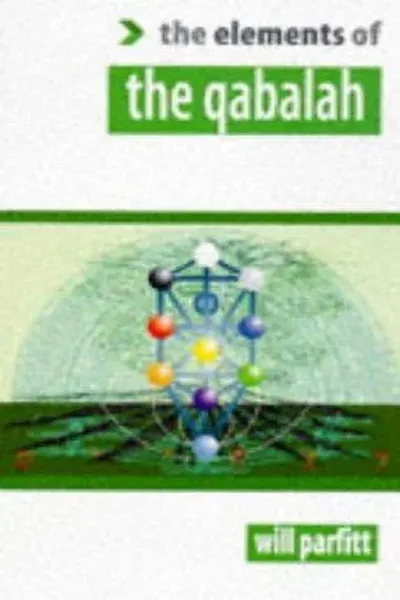
The Tree of Life is a central symbolic diagram in Kabbalah, representing the structure of the universe, the attributes of God, and the path of spiritual ascent. It comprises ten interconnected spheres (Sephirot).
Is this book suitable for beginners?
Yes, "Kabbalah for the Layman" is specifically designed to introduce beginners to the fundamental concepts of Kabbalah in a clear and understandable manner, making it an excellent starting point.
What kind of knowledge can I expect to gain?
You can expect to gain insights into the nature of reality, the divine, human consciousness, the purpose of life, and practical methods for spiritual growth and self-understanding through Kabbalistic wisdom.
🔮 Key Themes & Symbolism
The Divine Emanations and the Tree of Life
This section delves into the foundational Kabbalistic concept of the Sephirot, the ten divine emanations that form the luminous structure of the Tree of Life. It explores how these emanations represent the attributes of God and the stages of creation, offering a map of the spiritual universe and the journey of the soul. Understanding the interconnectedness of the Sephirot reveals the underlying order and harmony of existence, providing a framework for comprehending divine consciousness and its manifestation in the material world.
The Nature of the Soul and Spiritual Ascent
Philip S. Berg illuminates the Kabbalistic understanding of the human soul, its divine origins, and its purpose in the cycle of existence. This theme explores the journey of the soul through various spiritual realms, emphasizing the process of teshuvah (return) and the potential for spiritual evolution. The book guides readers in recognizing the divine spark within themselves and provides insights into how to purify the soul and elevate consciousness, ultimately leading to a reunion with the divine source.
Symbolism, Numerology, and Sacred Geometry
This theme unpacks the rich symbolic language of Kabbalah, including the profound significance of Hebrew letters, Gematria (numerological interpretation of words), and sacred geometric patterns. Berg demonstrates how these elements are not merely decorative but are intrinsic to the fabric of reality, acting as keys to unlocking deeper levels of meaning and understanding. Through the exploration of these esoteric tools, readers are empowered to perceive the divine intelligence woven into the very structure of the cosmos.
💬 Memorable Quotes
“The Kabbalah is not a system of magic, but a path to spiritual enlightenment.”
— This quote emphasizes that Kabbalah's true purpose lies in internal transformation and understanding, rather than external manipulation or supernatural feats.
“We are all sparks of the divine light.”
— This highlights the core Kabbalistic belief in the inherent divinity within every individual, connecting humanity to the ultimate source of creation.
“The universe is a mirror reflecting our inner state.”
— This suggests that our external reality is a manifestation of our internal thoughts, feelings, and spiritual condition, emphasizing self-awareness and responsibility.
“To know God is to know oneself.”
— This profound statement underscores the introspective nature of Kabbalistic study, implying that self-discovery is the pathway to understanding the divine.
“Every letter in the Torah contains a universe of meaning.”
— This points to the intricate and multilayered symbolic language of Kabbalah, where even the smallest components hold immense spiritual significance.
🌙 Esoteric Significance
Tradition
This book serves as an accessible gateway into the rich and ancient esoteric tradition of Kabbalah, a mystical interpretation of Jewish theology. It explores concepts such as divine emanations, the structure of reality, and the journey of the soul, drawing from foundational Kabbalistic texts and philosophies to offer a comprehensive yet understandable overview for the uninitiated.
Symbolism
Central to "Kabbalah for the Layman" is the elucidation of Kabbalah's profound symbolic language. It delves into the meaning behind key symbols like the Tree of Life, the Hebrew alphabet, and numerical values (Gematria), presenting them not as mere abstract concepts but as vital keys to understanding the hidden architecture of the cosmos and the divine blueprint for existence.
Modern Relevance
In today's rapidly changing world, the wisdom offered in this book remains remarkably relevant. It provides tools for navigating personal challenges, fostering spiritual growth, and understanding one's place in the universe. The emphasis on interconnectedness, divine potential, and self-awareness offers a timeless framework for finding meaning, purpose, and inner peace amidst the complexities of modern life.
👥 Who Should Read This Book
This book is an indispensable resource for a diverse audience. Beginners to Kabbalah will find it an illuminating and unintimidating introduction, offering a clear roadmap to complex concepts. Scholars of religious studies and mysticism will appreciate its concise yet insightful overview. Spiritual seekers yearning for a deeper understanding of the universe and their connection to the divine will discover profound wisdom. Practitioners of various spiritual disciplines may find valuable insights to enrich their personal practices and expand their metaphysical perspectives.
📜 Historical Context
Philip S. Berg's "Kabbalah for the Layman" emerged in the latter half of the 20th century, a period marked by a burgeoning global interest in Eastern philosophies, mysticism, and alternative spiritual paths. As the counter-culture movement gave way to more introspective spiritual seeking, ancient wisdom traditions like Kabbalah experienced a resurgence in Western consciousness. Berg's work tapped into this zeitgeist, offering a structured and accessible entry into a previously guarded esoteric tradition. His approach, while rooted in traditional Kabbalah, was tailored for a modern audience, making these complex teachings relevant and approachable for those outside the traditional Jewish scholarly or mystical circles, thereby contributing to the wider dissemination and popularization of Kabbalistic ideas.
📔 Journal Prompts
Reflect on the concept of divine emanations. How do you see these principles manifesting in your own life and the world around you?
Consider the idea of the soul as a spark of the divine. What does this mean for your sense of self and your potential for growth?
Explore the symbolic language of Kabbalah. Choose one symbol from the book and meditate on its potential meanings for your spiritual journey.
How does the idea that the universe reflects our inner state impact your perception of your daily experiences and interactions?
What steps can you take to cultivate a deeper connection with the divine, as suggested by the principles of Kabbalah discussed in this book?
🗂️ Glossary
Sephirot
The ten divine emanations or attributes of God, forming the structure of the Kabbalistic Tree of Life and representing stages of creation and divine revelation.
Ein Sof
The Kabbalistic term for God in His absolute, unknowable essence, beyond all description or comprehension, the infinite and boundless divine reality.
Gematria
A system of numerology within Kabbalah where Hebrew letters are assigned numerical values, used to find hidden meanings and connections between words and concepts.
Tzimtzum
The Kabbalistic concept of divine 'contraction' or withdrawal, which made space for creation to exist, symbolizing the act of self-limitation by the infinite.
Tikkun
The Kabbalistic concept of 'rectification' or 'repair,' referring to the cosmic and personal task of restoring harmony and wholeness to the world and the divine sparks.








![Kabbalah Dictionary [Hebrew To English].pdf (PDFy mirror)](/img/thumb/kabbalah-dictionary-hebrew-to-english-pdf-pdfy-mirror.webp)