Tales of the Dartmoor Pixies
 84
84

Tales of the Dartmoor Pixies

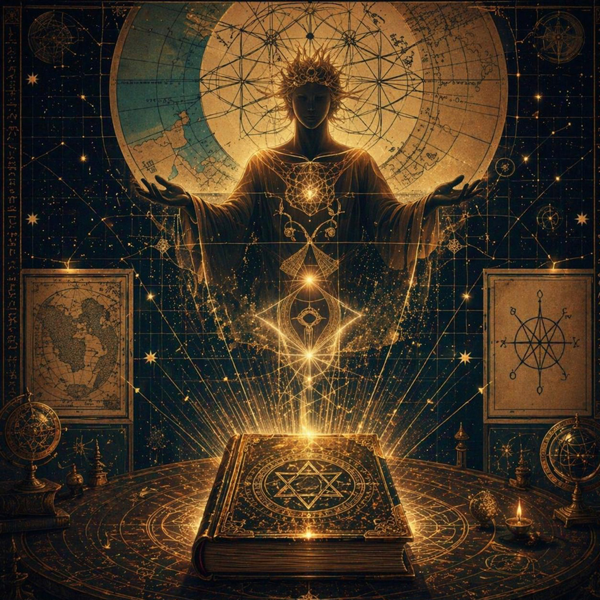

William Crossing's 'Tales of the Dartmoor Pixies' is a cornerstone for any serious student of British folkloric esotericism. Published in 1890, it offers an unparalleled glimpse into the granular details of local belief systems surrounding the 'pixies' or 'fairies' of Dartmoor. Crossing's antiquarian precision captures not just anecdotes but the very essence of a world steeped in potent, often overlooked, animistic and nature-based spirituality. This work is invaluable for understanding the enduring power of elemental beings in the Western esoteric tradition and their symbolic representation of the wild, untamed forces of nature. Its meticulous preservation of dialect and local lore makes it a rich resource for scholars and practitioners alike, offering deep insights into a pre-industrial worldview where the mundane and the magical were inextricably linked. A foundational text for the study of British fae lore.
📝 Description
84
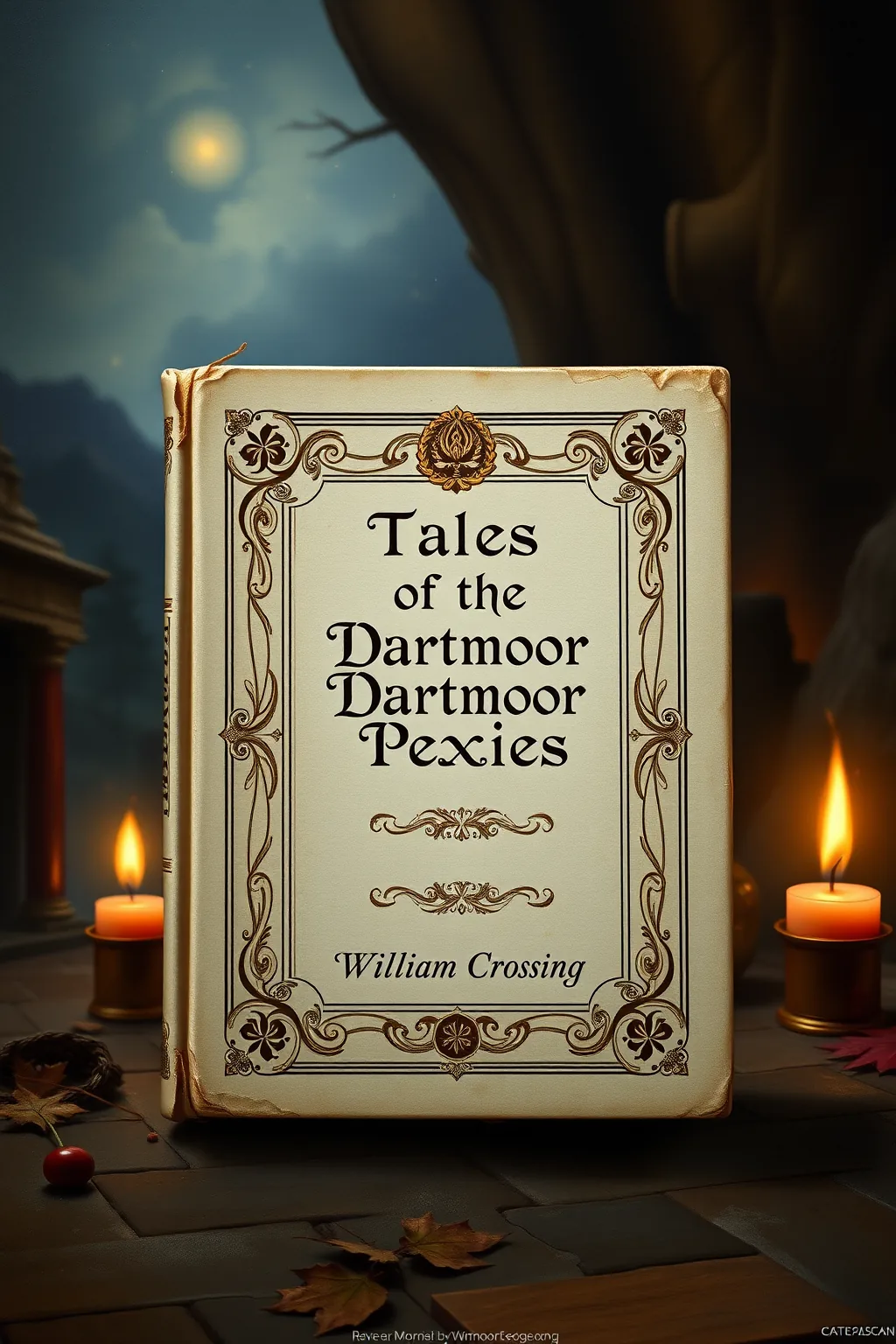
William Crossing published 'Tales of the Dartmoor Pixies' in 1890, documenting local folklore.
William Crossing’s 1890 collection, 'Tales of the Dartmoor Pixies,' gathers accounts of the small, elusive beings said to inhabit the moor. Crossing, an antiquary, used local dialect and place-names to record these traditions. The book details superstitions and animistic beliefs once common in rural life. Each chapter acts as an entry into the elemental spirits and the subtle magic associated with Dartmoor's landscape, from its tors to its longhouses.
This work is for those interested in British folklore, fairy lore, and ancestral narratives. It connects with a sense of wonder about the unseen and the symbolic meaning of the land. The book touches on the relationship between people and the fey, presenting a different view of the world beneath ordinary perception.
Published in the late Victorian era, a period of intense interest in folklore and the occult, Crossing's book taps into a growing fascination with the 'otherworld.' It aligns with antiquarian efforts to preserve vanishing folk traditions and beliefs that were seen as remnants of older, perhaps pagan, spiritual systems. The focus on sprites and elemental beings reflects a broader esoteric current that sought a connection to nature spirits and a more immanent form of magic, distinct from organized religion.
✍️ Author
William Crossing
Butcher's Crossing is a western novel by John Williams, originally published in 1960. The story follows William Andrews, a young Harvard student who leaves his life behind to explore the American West.
💡 Why Read This Book?
Unearth the ancient magic of Dartmoor through the meticulous preservation of local lore. This book is essential for seekers of hidden knowledge, scholars of British folklore and esoteric traditions, and practitioners who wish to connect with the elemental spirits and nature magic of the British Isles. It offers a rare window into a world where the veil between realms was thin, revealing the enduring power of myth and the subtle forces that shape our reality.
⭐ Reader Reviews
Honest opinions from readers who have explored this book.
❓ Frequently Asked Questions
What are 'pixies' according to William Crossing?
Crossing describes pixies as elusive, often mischievous, 'little people' deeply embedded in the local lore and landscape of Dartmoor, embodying the wild, untamed spirit of the moor and its ancient inhabitants. They are presented as integral to the region's spiritual ecology.
When was 'Tales of the Dartmoor Pixies' first published?
'Tales of the Dartmoor Pixies' was first published in 1890, making it a significant historical document for understanding late Victorian-era folklore and its collection.
What makes this book 'esoteric'?
The book's esoteric nature lies in its preservation of animistic beliefs, local superstitions, and the deep connection between the land and its perceived unseen inhabitants, offering insights into folk magic and pre-Christian spiritual systems.
Is the language difficult to understand?
While the book preserves dialect and older forms of English, Crossing's style as a local antiquary ensures clarity. Readers interested in linguistic history will find it fascinating; others may benefit from a focus on the narrative and thematic elements.
Who are the 'little people' in Dartmoor folklore?
In Dartmoor folklore, the 'little people' are synonymous with pixies, fairies, or sprites—supernatural beings believed to inhabit the wild moors. They are often depicted as small, swift, and possessing a complex relationship with humans, capable of both aid and trickery.
🔮 Key Themes & Symbolism
The Elemental Spirit of Dartmoor
This theme looks at the profound connection between the rugged range of Dartmoor and the unseen spiritual forces that inhabit it, as meticulously documented by William Crossing. The book presents the moor not merely as a geographical location but as a living entity, imbued with an ancient consciousness. The pixies and other folkloric beings are depicted as manifestations of this elemental spirit, acting as guardians, tricksters, and conduits to the deeper mysteries of the land. Understanding this theme allows readers to appreciate the animistic worldview that shaped daily life and spiritual practices in the region, revealing how the natural world was perceived as sentient and alive with potent, often sacred, energy. It underscores the importance of place in esoteric traditions and the reciprocal relationship between humanity and the wild.
Preservation of Oral Tradition and Dialect
A central to Crossing's work is his dedicated effort to preserve the authentic voice of Dartmoor's inhabitants. The book is a rich source of local dialect, idiomatic expressions, and storytelling traditions that were rapidly fading even in the late 19th century. This commitment to oral history provides an invaluable, unvarnished glimpse into the cultural and linguistic range of the time. For the esoteric reader, this preservation is crucial as it offers direct access to the vernacular through which ancient beliefs and superstitions were transmitted. The nuances of language often carry subtle esoteric meanings, and by retaining these, Crossing allows us to apprehend the magical worldview not as an academic construct, but as a living, breathing part of community life. It highlights the power of narrative in shaping collective consciousness and maintaining ancestral wisdom.
The Fae as Embodiments of Nature's Mysteries
Crossing's 'Tales of the Dartmoor Pixies' offers a unique perspective on the Fae, not as mere fanciful creatures, but as profound symbolic representations of nature's inherent magic and untamed power. These beings embody the wild, unpredictable, and often hidden aspects of the natural world, from the swift currents of moorland streams to the ancient wisdom held within standing stones. The interactions described in the tales—the pranks, the blessings, the warnings—serve as allegories for understanding the delicate balance of the ecosystem and humanity's place within it. For the esoteric practitioner, these narratives are a rich source of archetypal symbolism, offering insights into elemental forces, the concept of the 'otherworld,' and the practice of respectful engagement with the spirits of place. The pixies become guides to a deeper, more intuitive understanding of the Earth's subtle energies.
💬 Memorable Quotes
Direct passages from the work, attributed to the author.
“You'll hear their laughter on the wind, if you know how to listen.”
— This speaks to the subtle, often imperceptible nature of the Fae and the necessity of attuning one's senses beyond the ordinary to perceive their presence and influence, a common theme in esoteric lore.
“They’re a shy folk, but fond of a bit of mischief, mind.”
— This highlights the dual nature of the pixies—their elusive quality coupled with a playful, sometimes disruptive, interaction with the human world, reflecting the unpredictable forces of nature.
“The old stones remember what the pixies whisper.”
— This connects the Fae to the ancient megalithic structures, implying that these sacred sites act as repositories of elemental wisdom, with the pixies as their interpreters or conduits.
“Keep a clean hearth and a true heart, and they’ll do you no harm.”
— This offers a practical piece of folk magic, suggesting that respect, purity, and genuine intention are the keys to maintaining a harmonious relationship with the unseen realms, a recurring motif in folklore and occultism.
💡 Key Ideas
Editorial paraphrase of the work's core concepts — not direct quotes.
The pixies, they say, are the old folk of the moor.
This quote suggests an ancient lineage and deep connection of the pixies to the very origins of the Dartmoor landscape, hinting at their role as primal inhabitants and keepers of its secrets.
🌙 Esoteric Significance
Tradition
This work is deeply rooted in the Western esoteric tradition, particularly in its connection to British Isles folklore, animism, and nature spirituality. It aligns with traditions that acknowledge the existence of elemental beings and the spiritual potency of natural landscapes. The collection of tales serves as a repository of folk magic, sympathetic magic, and beliefs concerning the 'otherworld,' providing practical and symbolic insights into a pre-Christian, land-based spiritual system that predates formal occult organizations.
Symbolism
The pixies themselves are potent symbols of the untamed, often mischievous, yet integral forces of nature. Their elusiveness represents the hidden aspects of reality, accessible only through intuition and attunement. The Dartmoor landscape—its tors, bogs, and ancient stones—serves as a symbolic map of the spiritual terrain, with each element holding layered meanings. The interactions described in the tales symbolize the complex relationship between humanity and the elemental realms, highlighting themes of respect, caution, and the potential for both blessing and disruption.
Modern Relevance
In an age often disconnected from the natural world, 'Tales of the Dartmoor Pixies' offers a vital reminder of our innate connection to the Earth and its unseen inhabitants. It appeals to contemporary interests in eco-spirituality, animism, and the resurgence of folk magic practices. The book provides a tangible link to ancestral wisdom, encouraging a more conscious and respectful engagement with nature. For modern seekers, it serves as an inspiration to look beyond the mundane and to recognize the subtle magic that permeates our environment, fostering a deeper sense of belonging and stewardship.
👥 Who Should Read This Book
This collection is a profound resource for a diverse range of readers. **Beginners** in folklore and esoteric studies will find it an accessible yet deeply insightful introduction to British fairy lore and nature spirituality. **Scholars** of anthropology, history, and comparative mythology will appreciate its meticulous preservation of dialect, place-names, and authentic local narratives. **Seekers** drawn to the magic of the land, the unseen realms, and the wisdom of ancient traditions will find spiritual resonance and inspiration within its pages. **Practitioners** of nature magic, paganism, and folk witchcraft will discover a body of elemental symbolism, practical lore, and guidance for interacting with the spirits of place.
📜 Historical Context
Published in 1890, 'Tales of the Dartmoor Pixies' emerged during a period of intense interest in folklore, national identity, and the occult across Britain. The Victorian era witnessed a surge in antiquarian research, a romanticization of rural life, and a burgeoning fascination with the supernatural, partly as a reaction against industrialization and rationalism. William Crossing, a dedicated local antiquary, was part of a wider movement to collect and preserve oral traditions before they were lost to modernization. This era also saw the rise of Theosophy and other esoteric movements, which often drew inspiration from ancient myths and folk beliefs, seeking hidden spiritual truths within them. Crossing's work, therefore, sits at the intersection of serious historical documentation and the era's broader spiritual and mystical currents, offering a valuable, grounded perspective on beliefs that resonated with the esoteric imagination of the time.
📔 Journal Prompts
Reflect on your own experiences or perceptions of 'hidden' or 'mischievous' presences in nature. How do Crossing's tales resonate with these feelings?
Consider a significant natural landmark in your area. What local legends or spirits do you imagine might inhabit it, drawing inspiration from the Dartmoor pixies?
Write a short story from the perspective of a Dartmoor pixie encountering a modern human visitor. What would their interactions be like?
Explore the concept of 'keeping a clean hearth and a true heart' as a way to foster positive relationships with the unseen world. What does this mean in practical terms for you?
How does the preservation of dialect and local lore in this book contribute to understanding a culture's spiritual beliefs and connection to its environment?
🗂️ Glossary
Tors
Prominent, often isolated rocky outcrops or hills, characteristic of the Dartmoor landscape. In folklore, they are often seen as natural sanctuaries or places of power imbued with ancient energies and spirits.
Longhouse
A traditional dwelling common in rural areas, typically a long, narrow building housing both people and livestock under one roof. Symbolically, it represents a place of community and primal connection to the land and its inhabitants.
Antiquary
A person who studies or collects antiquities, especially one who is an expert in ancient history or archaeology. In this context, it signifies a meticulous collector and preserver of historical lore and traditions.
Animistic Beliefs
The belief that all natural objects, phenomena, and the universe itself possess a distinct spiritual essence. This worldview sees the natural world as alive and sentient, with spirits residing in rocks, trees, rivers, and creatures.
Folk Magic
Traditional practices and beliefs related to magic, often passed down through oral tradition rather than formal instruction. It typically involves natural remedies, charms, divination, and interactions with spirits for practical outcomes.
This book appears in 2 collections
🔮 Readers Also Liked
Browse all →









From the “Transcendental Meditation” Collection
View all →




More Free Esoteric History & Biography Books
View all →